Back to Powers

Animal Powers

Grassland Movement

Wear the blaze.

Animals grouped here express a similar power through their behavior in nature. Each species still has its own principle, lesson, meaning, and field-guide page.

5 species

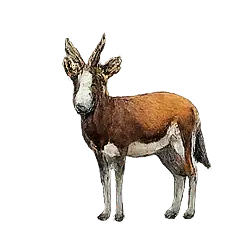
Bontebok (Damaliscus pygargus) thumbnail image on AnimalDex

Bontebok

Species principle: Herd Marking

Wear the blaze.

A strong pattern helps the group know itself in open land.

Bontebok are social antelope with striking white facial blazes and contrasting coats, living in open grassland and fynbos habitats where visual recognition matters.
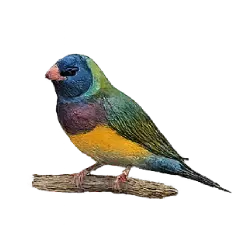
Gouldian Finch (Erythrura gouldiae) thumbnail image on AnimalDex

Gouldian Finch

Species principle: Small Brilliance

Flash the seedlight.

A tiny body can still carry color bright enough to be remembered.

Gouldian Finches are small seed-eating finches of northern Australian grasslands, known for vivid plumage and social flocking around grass seed resources.

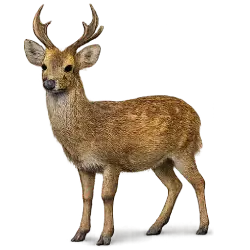
Hog Deer (Axis porcinus) thumbnail image on AnimalDex

Hog Deer

Species principle: Low Cover

Duck through grass.

The safest path may be the one that stays below the grass line.

Hog Deer often flee with low, head-down movement through tall grass and dense cover rather than bounding high like many deer.

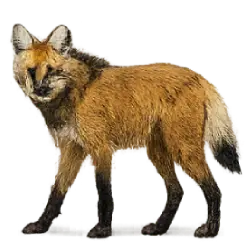
Maned Wolf (Chrysocyon brachyurus) thumbnail image on AnimalDex

Maned Wolf

Species principle: Heighted Vision

See over grass.

The right height changes what the world reveals.

Maned Wolves have unusually long legs that help them move and see through tall grasslands while foraging for small animals, fruit, and other foods.

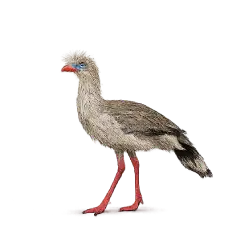
Red-legged Seriema (Cariama cristata) thumbnail image on AnimalDex

Red-legged Seriema

Species principle: Stride Voice

Stride and call.

A clear step and a far voice can carry confidence through open ground.

Red-legged Seriemas are long-legged terrestrial birds that stride through grasslands and scrub and use loud far-carrying calls.

Explore related indexes