
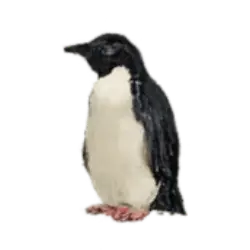
Adelie Penguin
Species principle: Hardiness
March the ice.
Cheerful motion can still be built for brutal places.
Adelie Penguins breed in Antarctica, walk across ice, and dive into freezing waters using strong flippers and dense waterproof plumage.
Animal Powers
March the ice.
Animals grouped here express a similar power through their behavior in nature. Each species still has its own principle, lesson, meaning, and field-guide page.
17 species
Species principle: Hardiness
March the ice.
Cheerful motion can still be built for brutal places.
Adelie Penguins breed in Antarctica, walk across ice, and dive into freezing waters using strong flippers and dense waterproof plumage.
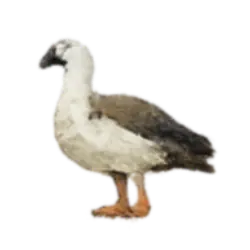
Species principle: Altitude Fit
Graze the thin air.
A hard place becomes home when the body accepts its altitude.
Andean Geese live in high-elevation wetlands and grasslands of the Andes, grazing in cold thin-air environments with strong bodies and pair bonds.
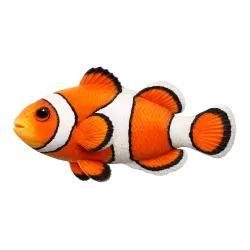
Species principle: Symbiosis
Live with the sting.
Danger becomes home when you learn the terms of living with it.
Clownfish live among sea anemone tentacles, gaining protection from predators while the anemone may receive cleaning, nutrients, or defense. Their mucus helps them avoid being stung.
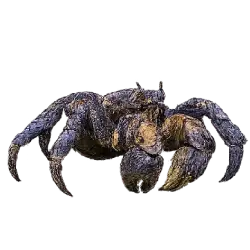
Species principle: Crushing Grip
Grip and crack.
The hard shell opens for the one with enough grip to climb and crack.
Coconut Crabs are large terrestrial hermit crabs with powerful claws used for climbing, handling food, and cracking tough materials such as coconuts or shells.
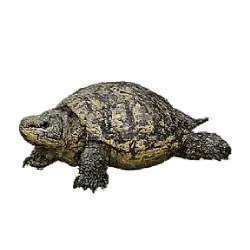
Species principle: Brackish Strength
Hold the mixed water.
Mixed waters build creatures that can hold more than one world.
Diamondback Terrapins live in brackish coastal marshes, using patterned shells, strong swimming, and salt-tolerant habits to navigate tidal creeks and marsh habitats.
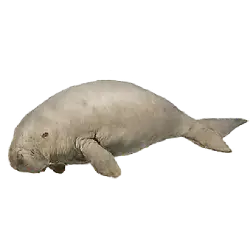
Species principle: Gentle Grazing
Graze the meadow.
A calm life can be shaped by returning to the same nourishing field.
Dugongs are marine mammals that graze on seagrass in shallow coastal habitats using downturned mouths and slow, steady movement.
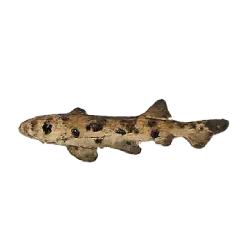
Species principle: Improvisation
Walk the reef.
When the water leaves, invent another way to move.
Epaulette Sharks can use paired fins to walk or crawl over reef flats and tide pools, and tolerate low-oxygen conditions during low tides.
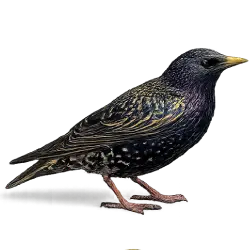
Species principle: Flexible Flock
Move together.
Learning from others helps you fit into new places.
European starlings form coordinated flocks, mimic sounds, forage flexibly, and adapt well to human landscapes.
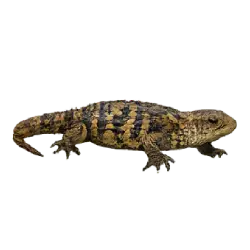
Species principle: Crevice Kinship
Share the crevice.
Hard places become easier when the crack is shared.
Gidgee Skinks are social Australian lizards that live in rock crevices, using spiny tails and rough scales for defense and group sheltering.
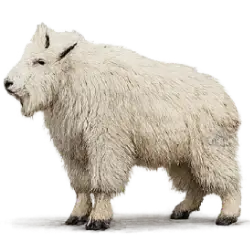
Species principle: Cliff Footing
Find the footing.
The right footing turns fear into stable ground.
Mountain Goats have specialized split hooves with rough pads that help them climb steep rocky cliffs and alpine terrain.
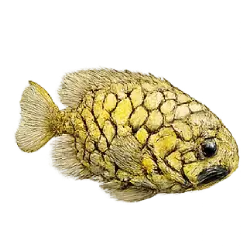
Species principle: Inner Light
Carry the lantern.
Carry enough light that the dark cannot define you.
Pinecone Fish have armor-like scales and light organs containing symbiotic bacteria, which produce a glow used in dark reef environments.
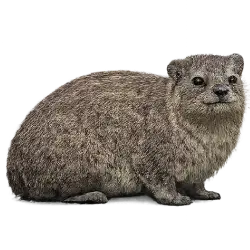
Species principle: Rock Communion
Warm the rock.
A hard place softens when warmth is shared together.
Rock Hyraxes live in colonies among rocky outcrops, using gripping foot pads, sunning behavior, alarm calls, and close social groups for safety.
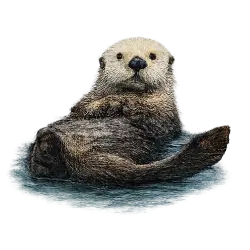
Species principle: Tool Use
Bring the rock.
A hard thing opens when intelligence brings the right object to the task.
Sea Otters use stones as tools to crack open shellfish while floating on their backs, and they use dexterous paws to handle prey and tools.
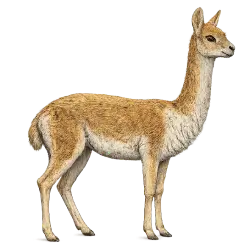
Species principle: Altitude Gentle Endurance
Stay soft in hard air.
Gentleness can survive hard places when it is built for them.
Vicuñas live in high Andean grasslands, using fine insulating fleece, slender bodies, and social alertness to survive cold, thin-air environments.
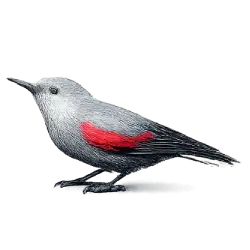
Species principle: Cliff Grace
Bloom on stone.
Grace is not fragile when it can cling to stone.
Wallcreepers forage along vertical cliffs and rock faces, using curved claws and fluttering crimson-patterned wings while searching crevices for insects.
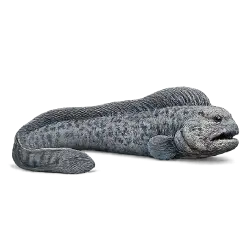
Species principle: Crushing Pressure
Crush the shell.
Patience and pressure open what force alone cannot.
Wolf Eels have strong jaws adapted for crushing hard-shelled prey such as crabs, sea urchins, and mollusks in rocky reef habitats.
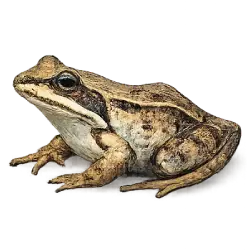
Species principle: Revival
Wake from ice.
Life can pause almost completely and still answer when spring calls.
Wood Frogs survive winter freezing by tolerating ice formation in parts of the body while using cryoprotectants, then thawing and resuming activity in spring.