Back to Powers

Animal Powers

Hidden Danger

Invisible, not safe.

Animals grouped here express a similar power through their behavior in nature. Each species still has its own principle, lesson, meaning, and field-guide page.

10 species

Australian Box Jellyfish animal lesson image on AnimalDex

Australian Box Jellyfish

Species principle: Transparent Boundary

Invisible, not safe.

Power can be quiet when the cost of contact is real.

Box Jellyfish have transparent bells, trailing tentacles, and potent stinging cells used to capture prey and deter threats.

Bobbit Worm animal lesson image on AnimalDex

Bobbit Worm

Species principle: Sand-Jaw Ambush

Wait under sand.

Patience becomes danger when timing and concealment meet.

Bobbit Worms hide in sediment with powerful jaws, striking rapidly at prey that passes above the burrow.

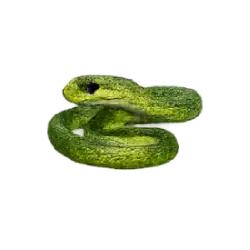
Boomslang (Dispholidus typus) thumbnail image on AnimalDex

Boomslang

Species principle: Canopy Venom

Strike from the branches.

Danger can hang lightly from branches before anyone sees the strike.

Boomslangs are arboreal snakes with large eyes and rear-fanged venom delivery. They hunt in trees and shrubs, feeding on birds, eggs, lizards, and other prey while relying on balance, vision, and concealment.

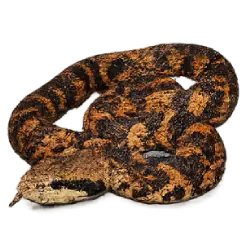
Bushmaster (Lachesis muta) thumbnail image on AnimalDex

Bushmaster

Species principle: Held Power

Hold the strike.

The greatest force may be the one waiting without announcement.

Bushmasters are large venomous pit vipers that use camouflage and stillness on rainforest floors, striking when prey comes within range.

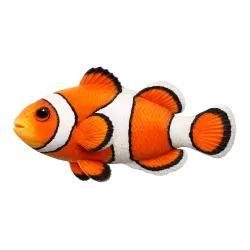
Clownfish (Amphiprion ocellaris) thumbnail image on AnimalDex

Clownfish

Species principle: Symbiosis

Live with the sting.

Danger becomes home when you learn the terms of living with it.

Clownfish live among sea anemone tentacles, gaining protection from predators while the anemone may receive cleaning, nutrients, or defense. Their mucus helps them avoid being stung.

Common Fangtooth animal lesson image on AnimalDex

Common Fangtooth

Species principle: Abyss Teeth

Teeth in darkness.

Hidden danger often belongs to the one adapted to pressure others avoid.

Fangtooth Fish live in deep ocean zones and have oversized teeth, compact bodies, and adaptations for hunting in darkness.

Crown-of-thorns Starfish animal lesson image on AnimalDex

Crown-of-thorns Starfish

Species principle: Reef Thorn Pressure

Thorns change reefs.

Power needs balance because appetite can reshape the whole system.

Crown-of-thorns Starfish feed on coral polyps and can damage reefs during outbreaks, while their venomous spines make them difficult prey.

Northern Stargazer animal lesson image on AnimalDex

Northern Stargazer

Species principle: Buried Spark

Wait below.

Hidden danger is strongest when patience removes wasted movement.

Stargazer fish bury themselves in sand with upward-facing eyes and mouth, ambushing prey from below; some species also have venomous spines or electric organs.

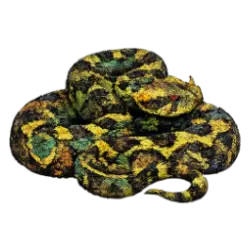
Rhinoceros Viper (Bitis nasicornis) thumbnail image on AnimalDex

Rhinoceros Viper

Species principle: Ornamental Camouflage

Hide in ornament.

What looks decorative can still belong to concealment.

Rhinoceros Vipers have complex colorful patterning and horn-like nasal scales. Their coloration helps them blend into rainforest leaf litter despite their striking appearance.

Southern Black Widow animal lesson image on AnimalDex

Southern Black Widow

Species principle: Small Power

Mark the web.

A small body becomes powerful when its signal and trap are both clear.

Black Widows spin strong irregular webs and females carry a red hourglass marking associated with a venomous defensive bite.

Explore related indexes