Back to Powers

Animal Powers

Hunting

Launch the jaw.

Animals grouped here express a similar power through their behavior in nature. Each species still has its own principle, lesson, meaning, and field-guide page.

42 species

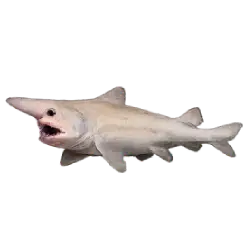
Goblin Shark (Mitsukurina owstoni) thumbnail image on AnimalDex

Goblin Shark

Species principle: Hidden Extension

Launch the jaw.

In strange depths, the unseen tool may be the one that reaches first.

Goblin Sharks have highly protrusible jaws that can project forward rapidly to capture prey in deep-sea environments.
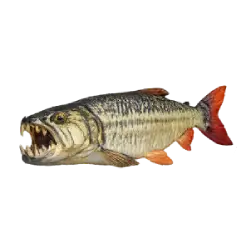
Goliath Tigerfish (Hydrocynus goliath) thumbnail image on AnimalDex

Goliath Tigerfish

Species principle: Fierce Control

Control the fang.

Fierce tools need a body that knows when to release them.

Goliath Tigerfish are large predatory river fish with powerful jaws, large teeth, and fast attacks used to hunt prey in strong African river systems.

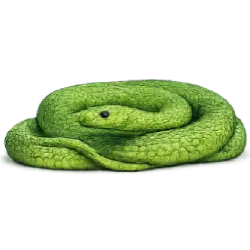
Green Tree Python (Morelia viridis) thumbnail image on AnimalDex

Green Tree Python

Species principle: Emerald Patience

Coil in green.

Blend into your perch until opportunity moves below.

Green tree pythons coil on branches and use green coloration to wait for prey in arboreal habitats.

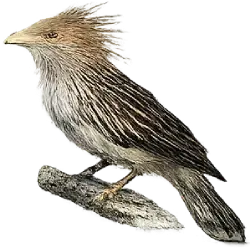
Guira Cuckoo (Guira guira) thumbnail image on AnimalDex

Guira Cuckoo

Species principle: Scruffy Alliance

Hunt with the scruffs.

The strange little team can become stronger than the polished loner.

Guira Cuckoos are social cuckoos that often move and forage in groups, using calls and cooperative behavior in open scrub and woodland habitats.

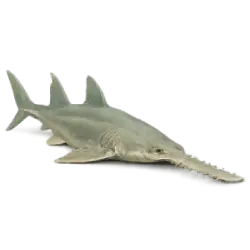
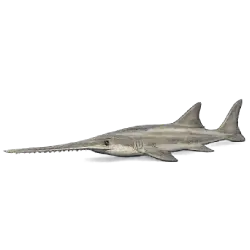
Largetooth Sawfish (Pristis pristis) thumbnail image on AnimalDex

Largetooth Sawfish

Species principle: Heavy Saw

Swing the big saw.

When one tool leads the body, the whole strategy follows its edge.

Largetooth Sawfish use large tooth-lined rostrums with sensory pores to detect prey and slash through muddy river and coastal waters.

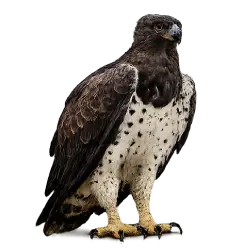
Martial Eagle (Polemaetus bellicosus) thumbnail image on AnimalDex

Martial Eagle

Species principle: Martial Focus

Narrow the sky.

Power becomes decisive when the whole sky narrows into one target.

Martial Eagles are large African raptors that soar high while scanning for prey, then use powerful talons to capture birds, reptiles, and mammals.

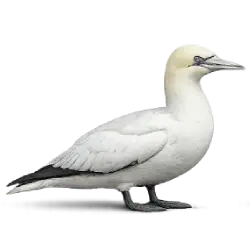
Northern Gannet (Morus bassanus) thumbnail image on AnimalDex

Northern Gannet

Species principle: Plunge Precision

Drop like white fire.

A sharpened skill turns distance into impact.

Northern Gannets dive from height into the sea with folded wings, using air sacs and streamlined bodies to absorb impact while catching fish underwater.

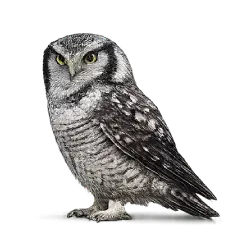
Northern Hawk Owl (Surnia ulula) thumbnail image on AnimalDex

Northern Hawk Owl

Species principle: Daylight Vigil

Watch the snow.

Endurance sharpens when the watcher stays awake through the pale season.

Northern Hawk Owls are diurnal or crepuscular owls that perch high and hunt in open boreal forest edges, often in snowy northern landscapes.

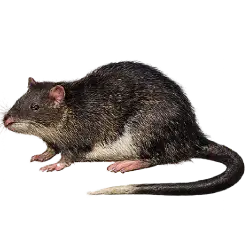
Rakali animal lesson image on AnimalDex

Rakali

Species principle: Two-World Skill

Hunt both edges.

Advantage grows where one body learns two worlds.

Rakali are semi-aquatic rodents that use webbed feet, strong swimming, and sharp senses to hunt along streams, wetlands, and riverbanks.

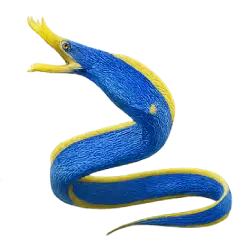
Ribbon Eel (Rhinomuraena quaesita) thumbnail image on AnimalDex

Ribbon Eel

Species principle: Dramatic Grace

Wave from the reef.

A strange shape can move beautifully without becoming ordinary.

Ribbon Eels have long ribbon-like bodies, bright coloration, and often occupy reef holes, extending their heads to catch small fish or crustaceans.

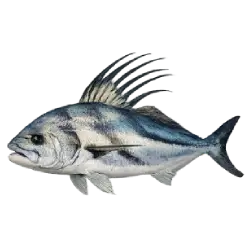
Roosterfish (Nematistius pectoralis) thumbnail image on AnimalDex

Roosterfish

Species principle: Crested Pursuit

Raise the comb.

Purpose becomes visible when the body raises its own banner at speed.

Roosterfish have a distinctive comb-like dorsal fin and fast predatory movement through surf zones and coastal waters.

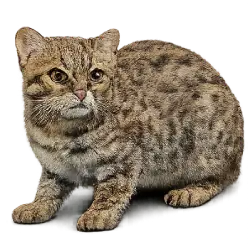
Rusty-spotted Cat (Prionailurus rubiginosus) thumbnail image on AnimalDex

Rusty-spotted Cat

Species principle: Rusty Tiny Ferocity

Hunt like ember.

Smallness loses its limits when focus becomes predatory.

Rusty-spotted Cats are among the smallest wild cats, using stealth, agility, and nocturnal hunting to catch small prey in undergrowth and scrub.

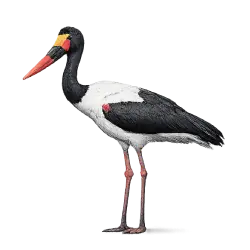
Saddle-billed Stork (Ephippiorhynchus senegalensis) thumbnail image on AnimalDex

Saddle-billed Stork

Species principle: Striking Work

Work with a colored bill.

Beauty does not weaken the work when both know their place.

Saddle-billed Storks are tall wetland birds with large colorful bills, long legs, and patient stalking behavior used to catch fish, frogs, and other aquatic prey.

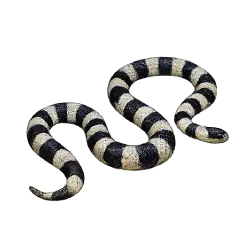
Sea Krait (Laticauda colubrina) thumbnail image on AnimalDex

Sea Krait

Species principle: Amphibious Passage

Cross the reef border.

The right body crosses the border between worlds.

Sea Kraits have paddle-like tails for swimming and still return to land for digestion, egg-laying, and rest, moving between marine and terrestrial environments.

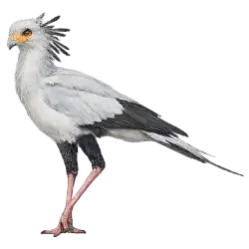
Secretarybird animal lesson image on AnimalDex

Secretarybird

Species principle: Specific Force

Stomp the snake.

One bold method can solve the exact danger it was made for.

Secretarybirds hunt on foot across open grasslands and use powerful kicks to kill snakes, lizards, insects, and other prey.

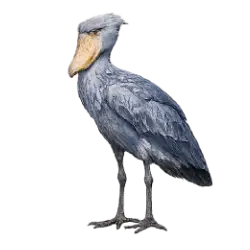
Shoebill (Balaeniceps rex) thumbnail image on AnimalDex

Shoebill

Species principle: Monumental Stillness

Stand like stone.

The world may mistake you for stone until the moment you move.

Shoebills are large wetland birds that stand very still for long periods before striking lungfish, fish, amphibians, and other prey with a massive shoe-shaped bill.

Smalltooth Sawfish (Pristis pectinata) thumbnail image on AnimalDex

Smalltooth Sawfish

Species principle: Saw Sense

Lead with the saw.

One remarkable tool can sense, strike, and lead the whole body.

Smalltooth Sawfish use tooth-lined rostrums with sensory organs to detect prey and may slash the saw to stun fish in shallow coastal and estuarine waters.

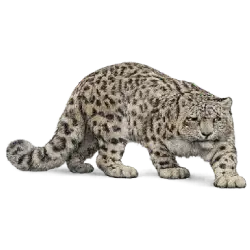
Snow Leopard (Panthera uncia) thumbnail image on AnimalDex

Snow Leopard

Species principle: Mountain Ghosting

Vanish before leaping.

The unseen leap begins long before the body leaves the rock.

Snow Leopards have pale spotted coats, long balancing tails, and powerful hind limbs that help them move and hunt across steep snowy cliffs.

Explore related indexes