Back to Powers

Animal Powers

Hunting

Walk with thunder.

Animals grouped here express a similar power through their behavior in nature. Each species still has its own principle, lesson, meaning, and field-guide page.

42 species

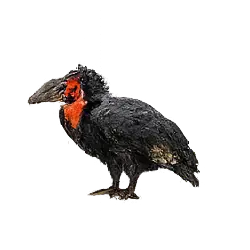
Abyssinian Ground Hornbill (Bucorvus abyssinicus) thumbnail image on AnimalDex

Abyssinian Ground Hornbill

Species principle: Grounded Power

Walk with thunder.

Not every powerful thing needs to leave the ground.

Abyssinian Ground Hornbills are large terrestrial hornbills that walk across savannas and open habitats, using strong bills, deep calls, and long legs while hunting small animals.
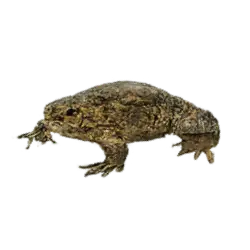
African Clawed Frog (Xenopus laevis) thumbnail image on AnimalDex

African Clawed Frog

Species principle: Tactile Hunting

Feel the water.

Unusual tools become intelligence when they read the world by touch.

African Clawed Frogs are fully aquatic frogs with clawed hind feet and sensitive lateral-line-like systems that help detect movement and locate prey underwater.

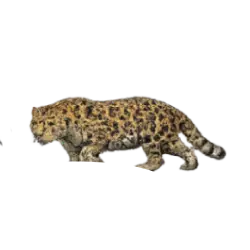
Amur Leopard (Panthera pardus orientalis) thumbnail image on AnimalDex

Amur Leopard

Species principle: Frost Stealth

Wear the frost.

The right coat turns cold into cover.

Amur Leopards have thick pale winter coats and rosetted camouflage, helping them hunt and move through cold forests and rocky snowy terrain.

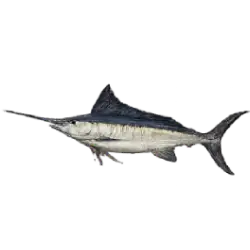
Atlantic Sailfish (Istiophorus albicans) thumbnail image on AnimalDex

Atlantic Sailfish

Species principle: Sail Velocity

Raise the sail.

Speed becomes strategy when it cuts through confusion.

Atlantic Sailfish use high speed, sail-like dorsal fins, and elongated bills while hunting schooling fish, often slashing or herding prey.

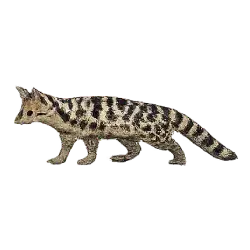
Banded Linsang (Prionodon linsang) thumbnail image on AnimalDex

Banded Linsang

Species principle: Shadow Lightness

Move like shadow.

Hidden routes open for the body that moves without weight.

Banded Linsangs are slender nocturnal carnivores with long bodies and tails, adapted for careful movement through branches while hunting small animals.
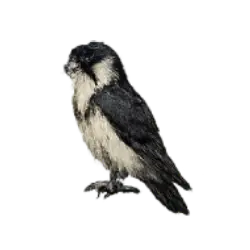
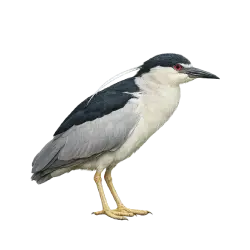
Black-crowned Night Heron (Nycticorax nycticorax) thumbnail image on AnimalDex

Black-crowned Night Heron

Species principle: Nocturnal Timing

Wait for dusk.

Work becomes effective when it follows the hour it was made for.

Black-crowned Night Herons are crepuscular and nocturnal feeders that wait near water edges to catch fish, amphibians, and other prey in dim light.

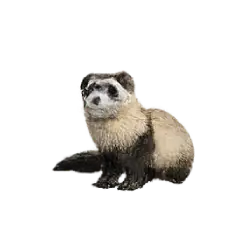
Black-footed Ferret (Mustela nigripes) thumbnail image on AnimalDex

Black-footed Ferret

Species principle: Tunnel Fit

Enter the tunnel.

The right shape turns another creature’s tunnel into your path.

Black-footed Ferrets have long slender bodies adapted for entering prairie dog burrows, where they hunt prairie dogs and use burrow systems for shelter.

Bush Dog (Speothos venaticus) thumbnail image on AnimalDex

Bush Dog

Species principle: Pack Surge

Rush as one.

Small bodies become a wave when the group moves as one.

Bush Dogs are social canids with webbed feet and pack-hunting behavior, often moving through forests, wetlands, and water edges in coordinated groups.

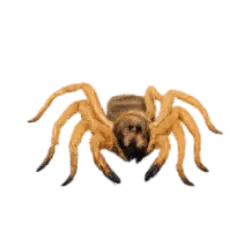
Camel Spider (Galeodes arabs) thumbnail image on AnimalDex

Camel Spider

Species principle: Desert Pursuit

Sprint the night sand.

Speed becomes useful when it is aimed through the heat after dark.

Camel Spiders, or solifuges, are fast-running arachnids with large chelicerae that hunt insects and small animals, often active in arid environments.

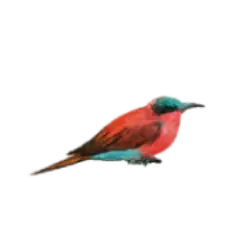
Carmine Bee-eater (Merops nubicus) thumbnail image on AnimalDex

Carmine Bee-eater

Species principle: Swarm Skill

Fill the sky.

The sky comes alive when many bright bodies move with one hunger.

Carmine Bee-eaters are colorful, social birds that often nest colonially in riverbanks and catch flying insects in agile aerial flights.

Collared Falconet (Microhierax caerulescens) thumbnail image on AnimalDex

Collared Falconet

Species principle: Small Boldness

Strike small, strike true.

Size stops mattering when the strike knows itself.

Collared Falconets are tiny raptors that hunt insects and small birds from exposed perches, using quick flights and bold predatory behavior despite their small size.

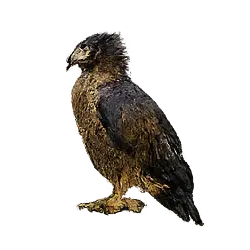
Crested Serpent Eagle (Spilornis cheela) thumbnail image on AnimalDex

Crested Serpent Eagle

Species principle: Serpent Focus

Watch for the serpent.

Mastery deepens when the eye knows exactly which work it is searching for.

Crested Serpent Eagles specialize in hunting snakes and reptiles from forest perches, using strong vision, broad wings, and talons.

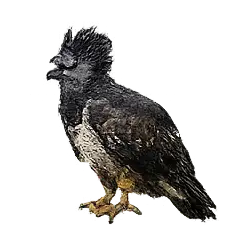
Crowned Eagle (Stephanoaetus coronatus) thumbnail image on AnimalDex

Crowned Eagle

Species principle: Forest Grip

Grip through forest.

In dense forest, power belongs to the grip that can finish the chase.

Crowned Eagles are powerful forest raptors with large talons, hunting monkeys, small antelope, and other prey in African forests.

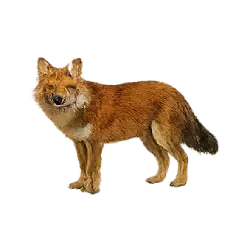
Dhole (Cuon alpinus) thumbnail image on AnimalDex

Dhole

Species principle: Whistled Coordination

Whistle the pack forward.

A team moves as one when the signal is clear enough to travel through cover.

Dholes are social canids that hunt cooperatively and use whistles and other vocalizations to coordinate pack movement through forests and grasslands.

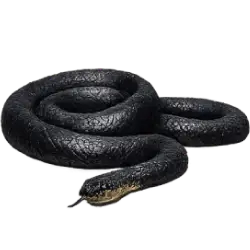
Eastern Indigo Snake (Drymarchon couperi) thumbnail image on AnimalDex

Eastern Indigo Snake

Species principle: Indigo Authority

Rule without venom.

Power can be calm enough not to need venom.

Eastern Indigo Snakes are large nonvenomous snakes that actively hunt many prey types, including other snakes, and often use gopher tortoise burrows for shelter.

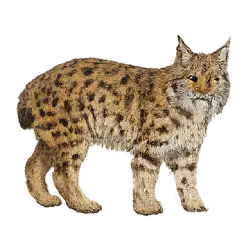
Eurasian Lynx (Lynx lynx) thumbnail image on AnimalDex

Eurasian Lynx

Species principle: Quiet Focus

Step without sound.

Power travels farthest when it wastes no sound.

Eurasian Lynx are solitary forest predators with tufted ears, large paws, thick fur, and stealthy stalking behavior used to hunt prey in wooded and snowy habitats.

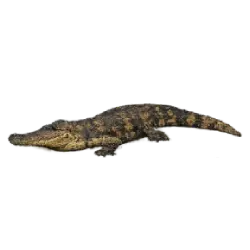
False Gharial (Tomistoma schlegelii) thumbnail image on AnimalDex

False Gharial

Species principle: Narrow Tooling

Fit the snout to the swamp.

The right tool becomes strongest when the job is narrow enough for it.

False Gharials have long narrow snouts suited to catching fish and other aquatic prey, using ambush behavior in swampy rivers and peatland habitats.

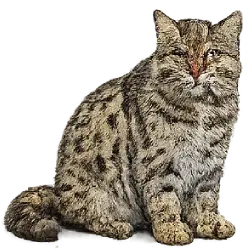
Fishing Cat (Prionailurus viverrinus) thumbnail image on AnimalDex

Fishing Cat

Species principle: Water Stalking

Stalk the water.

The best hunter learns the edge where land becomes water.

Fishing Cats hunt in wetlands, marshes, and riverbanks, using strong bodies, partially webbed feet, and skilled strikes to catch fish and aquatic prey.

Explore related indexes