Back to Powers

Animal Powers

Low Profile

Find new air.

Animals grouped here express a similar power through their behavior in nature. Each species still has its own principle, lesson, meaning, and field-guide page.

11 species

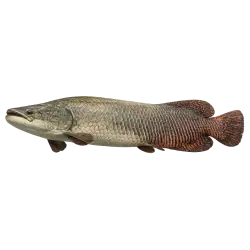
Arapaima (Arapaima gigas) thumbnail image on AnimalDex

Arapaima

Species principle: Air Access

Find new air.

A new way to breathe can change the limits of the world around you.

Arapaimas are large Amazonian fish that must surface to breathe air using a modified swim bladder, allowing them to live in warm, low-oxygen waters.
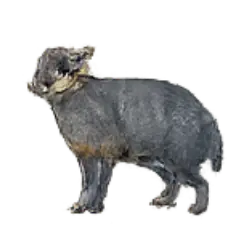
Blue Duiker (Philantomba monticola) thumbnail image on AnimalDex

Blue Duiker

Species principle: Undergrowth Small Passage

Slip through cover.

Smallness can be the key that opens crowded paths.

Blue Duikers are tiny forest antelopes that move through dense undergrowth using small size, quick steps, and shy cover-oriented behavior.

Common Musk Turtle animal lesson image on AnimalDex

Common Musk Turtle

Species principle: Musk Boundary

Smell says no.

Low-profile strength can protect without needing size.

Musk Turtles are small aquatic turtles that can release a strong odor when threatened and rely on shells, water, and bottom-walking habits.

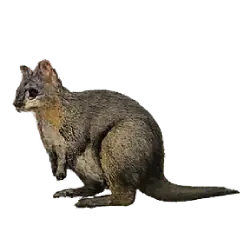
Dusky Pademelon (Thylogale brunii) thumbnail image on AnimalDex

Dusky Pademelon

Species principle: Edge Discretion

Hop the edge.

Move quietly where attention is expensive.

Dusky pademelons are shy forest-edge macropods that use cover, dusk activity, and quiet hopping to avoid exposure.

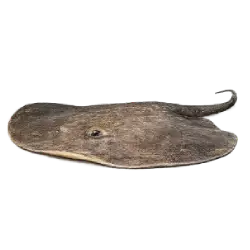
Giant Freshwater Stingray (Urogymnus polylepis) thumbnail image on AnimalDex

Giant Freshwater Stingray

Species principle: Riverbed Power

Stay low and wide.

Power does not always rise. Sometimes it spreads low and becomes part of the riverbed.

Giant Freshwater Stingrays have enormous flattened bodies that help them rest, hide, and glide along muddy river bottoms while using electroreception and stealth to locate food.

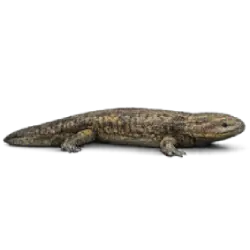
Hellbender (Cryptobranchus alleganiensis) thumbnail image on AnimalDex

Hellbender

Species principle: Low Stability

Hold under stone.

Stay low enough and the current can pass over without taking you.

Hellbenders are large aquatic salamanders with flattened bodies and wrinkled skin, living under rocks in cold, oxygen-rich streams.

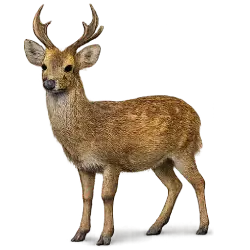
Hog Deer (Axis porcinus) thumbnail image on AnimalDex

Hog Deer

Species principle: Low Cover

Duck through grass.

The safest path may be the one that stays below the grass line.

Hog Deer often flee with low, head-down movement through tall grass and dense cover rather than bounding high like many deer.

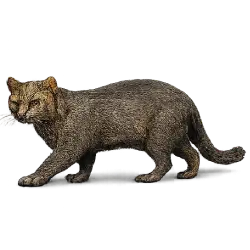
Jaguarundi (Herpailurus yagouaroundi) thumbnail image on AnimalDex

Jaguarundi

Species principle: Streamlining

Waste no shape.

A simple shape becomes powerful when it wastes nothing.

Jaguarundis have long low bodies, short legs, and sleek forms suited to moving through grass, scrub, and forest edges while hunting small animals.

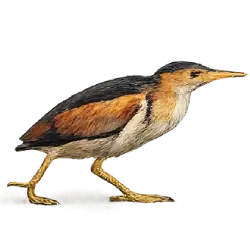
Least Bittern (Ixobrychus exilis) thumbnail image on AnimalDex

Least Bittern

Species principle: Bittern Reedcraft

Vanish in reeds.

Match the place so closely that movement disappears.

Least bitterns use narrow bodies, striped plumage, and reed-clinging behavior to remain hidden in marsh vegetation.

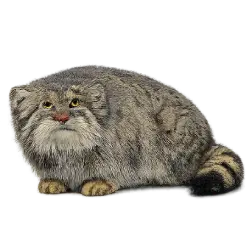
Pallas's Cat animal lesson image on AnimalDex

Pallas's Cat

Species principle: Low Profile

Crouch into land.

The land hides the one shaped low enough to become part of it.

Pallas’s Cats have dense fur, low-set ears, flat faces, and crouching hunting behavior suited to cold rocky grasslands and open steppe habitats.

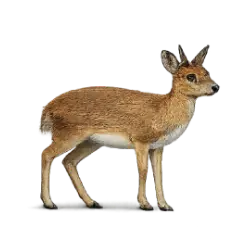
Suni (Neotragus moschatus) thumbnail image on AnimalDex

Suni

Species principle: Cover Passage

Slip the cover.

Small size makes hidden paths easier to find.

Sunis are tiny antelopes that use dense cover and narrow spaces for concealment and movement.

Explore related indexes