Back to Powers

Animal Powers

Mountain Life

Keep to the mist.

Animals grouped here express a similar power through their behavior in nature. Each species still has its own principle, lesson, meaning, and field-guide page.

9 species

Alpine Salamander (Salamandra atra) thumbnail image on AnimalDex

Alpine Salamander

Species principle: Cool Fit

Keep to the mist.

Some lives are built for quiet weather and hidden patience.

Alpine Salamanders live in cool moist mountain habitats and are notable among salamanders for giving birth to fully developed young rather than laying eggs in water.
Andean Condor (Vultur gryphus) thumbnail image on AnimalDex

Andean Condor

Species principle: Mountain Lift

Ride the cliff wind.

Great wings go farther when they let the mountain air do some of the carrying.

Andean Condors use huge wings and rising air currents along mountains and cliffs to soar long distances while searching for carrion.

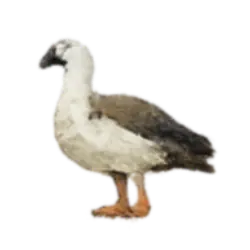
Andean Goose (Chloephaga melanoptera) thumbnail image on AnimalDex

Andean Goose

Species principle: Altitude Fit

Graze the thin air.

A hard place becomes home when the body accepts its altitude.

Andean Geese live in high-elevation wetlands and grasslands of the Andes, grazing in cold thin-air environments with strong bodies and pair bonds.

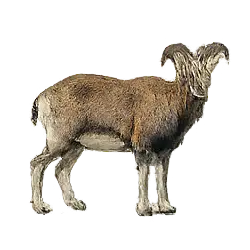
Bharal (Pseudois nayaur) thumbnail image on AnimalDex

Bharal

Species principle: Blue-Sheep Surefooting

Hold the high slope.

When you are built for the place, fear becomes terrain.

Bharal live on steep Himalayan slopes and use sure-footed climbing to escape predators and browse in rugged terrain.

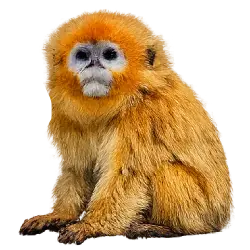
Golden Snub-nosed Monkey (Rhinopithecus roxellana) thumbnail image on AnimalDex

Golden Snub-nosed Monkey

Species principle: Cold Togetherness

Keep warm together.

Warmth lasts longer when the group carries winter together.

Golden Snub-nosed Monkeys live in cold high forests, with thick fur, complex social groups, and seasonal feeding habits that help them survive harsh mountain conditions.

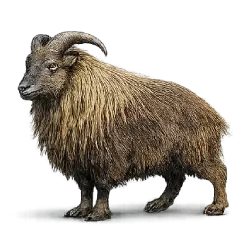
Himalayan Tahr (Hemitragus jemlahicus) thumbnail image on AnimalDex

Himalayan Tahr

Species principle: Mountain Gear

Wear the mountain.

Rough places become livable when the body carries the right gear.

Himalayan Tahrs use thick coats, sturdy hooves, and strong bodies to move through steep, cold, rocky mountain habitats.

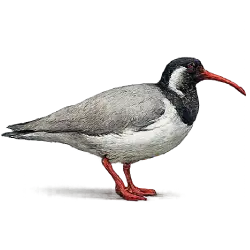
Ibisbill (Ibidorhyncha struthersii) thumbnail image on AnimalDex

Ibisbill

Species principle: River Precision

Probe the stones.

Precision belongs to the one shaped for the narrow places between stones.

Ibisbills use long downcurved bills to probe among stones and gravel in fast mountain streams for aquatic invertebrates.

Mountain Zebra (Equus zebra) thumbnail image on AnimalDex

Mountain Zebra

Species principle: Rugged Footing

Make rough ground home.

Rough ground becomes home when the feet stop arguing with it.

Mountain Zebras use hard hooves, strong bodies, and stripe patterns while moving and grazing across steep dry hillsides and rocky terrain.

Pyrenean Brook Newt (Calotriton asper) thumbnail image on AnimalDex

Pyrenean Brook Newt

Species principle: Stream Grip

Grip the current.

Wild water becomes livable when the grip is true.

Pyrenean Brook Newts live in cold mountain streams and use rough bodies, strong limbs, and gripping toes to hold position in flowing water.

Explore related indexes