Back to Powers

Animal Powers

Night Movement

Balance the night.

Animals grouped here express a similar power through their behavior in nature. Each species still has its own principle, lesson, meaning, and field-guide page.

18 species

Cacomistle (Bassariscus sumichrasti) thumbnail image on AnimalDex

Cacomistle

Species principle: Ringtail Balance

Balance the night.

Hard routes become playful when balance leads the body.

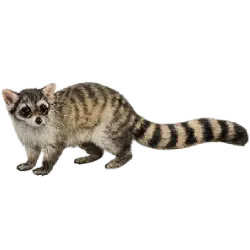
Cacomistles are agile nocturnal relatives of raccoons with long ringed tails and climbing ability used to move through trees, rocky areas, and forest edges.
Common Genet (Genetta genetta) thumbnail image on AnimalDex

Common Genet

Species principle: Nocturnal Awareness

Move awake.

Quiet power belongs to the one awake in the branches after dark.

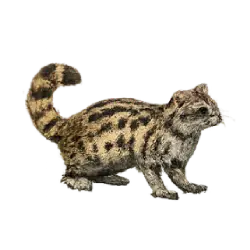
Common Genets are nocturnal, agile carnivores with spotted bodies, long tails for balance, and climbing ability used to hunt and move through trees and rocky places.

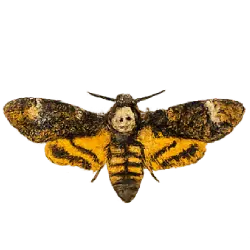
Death's-head Hawkmoth (Acherontia atropos) thumbnail image on AnimalDex

Death's-head Hawkmoth

Species principle: Unmistakable Mark

Own the mark.

A strange signature becomes power when it is fully owned.

Death's-head Hawkmoths have skull-like thorax markings, strong flight, and unusual behaviors such as entering beehives and producing squeaks.

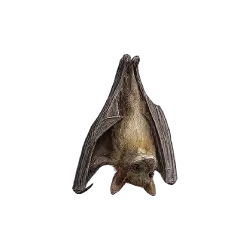
Egyptian Fruit Bat animal lesson image on AnimalDex

Egyptian Fruit Bat

Species principle: Night Fruit Calls

Call through fruit trees.

Communication matters most when visibility is limited.

Egyptian Fruit Bats are social fruit-eating bats that use vocalizations, scent, and night flight to navigate roosting and foraging life.

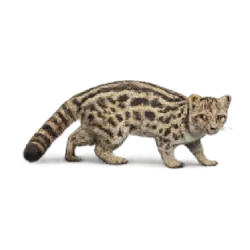
Fanaloka animal lesson image on AnimalDex

Fanaloka

Species principle: Light Movement

Step light at night.

Move lightly enough and darkness becomes a path instead of a wall.

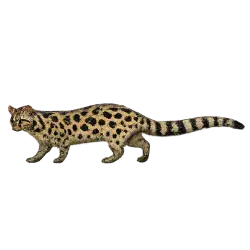
Fanalokas are nocturnal Malagasy carnivores with spotted bodies, slender movement, and forest-floor foraging habits.

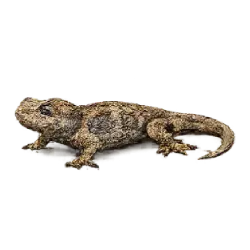
Gargoyle Gecko (Rhacodactylus auriculatus) thumbnail image on AnimalDex

Gargoyle Gecko

Species principle: Odd Advantage

Use the odd edge.

Unusual features become advantages when they meet the right surface.

Gargoyle Geckos have gripping toe pads, bumpy cranial ridges, and climbing ability suited to nocturnal arboreal life in New Caledonia.

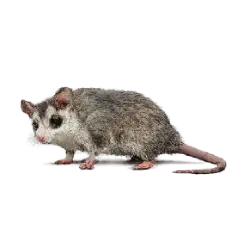
Gray Four-eyed Opossum (Philander opossum) thumbnail image on AnimalDex

Gray Four-eyed Opossum

Species principle: False Eyes

Wear the second gaze.

Odd details become useful when they change how danger reads you.

Gray Four-eyed Opossums have pale spots above the eyes that look like a second pair of eyes, while moving nocturnally through trees and undergrowth.

House Centipede animal lesson image on AnimalDex

House Centipede

Species principle: House Patrol

Patrol the corners.

Fear shrinks when movement maps the places others avoid.

House Centipedes are fast indoor predators that hunt small arthropods using many legs and sensory antennae.

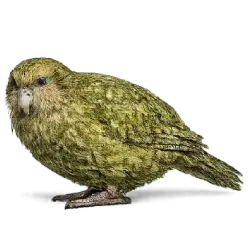
Kakapo (Strigops habroptilus) thumbnail image on AnimalDex

Kakapo

Species principle: Grounded Uniqueness

Forget the sky.

You do not need the expected gift when your real life belongs elsewhere.

Kakapos are flightless nocturnal parrots with mossy green camouflage, strong climbing ability, lek breeding behavior, and ground-based forest life.

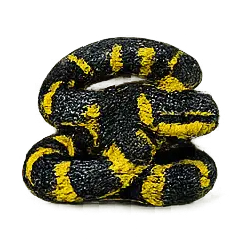
Mangrove Snake (Boiga dendrophila) thumbnail image on AnimalDex

Mangrove Snake

Species principle: Controlled Pattern

Move the pattern quietly.

A bold pattern can move quietly when the body knows the branches.

Mangrove Snakes are arboreal and semi-arboreal snakes with bold black-and-yellow banding, nocturnal habits, and climbing ability in mangroves and forests.

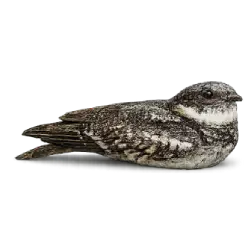
Nacunda Nighthawk (Chordeiles nacunda) thumbnail image on AnimalDex

Nacunda Nighthawk

Species principle: Dusk Harvest

Scoop the dusk.

Repeating the right motion can feed a long night.

Nacunda Nighthawks catch flying insects on the wing at dusk and night with long wings and wide gape mouths.

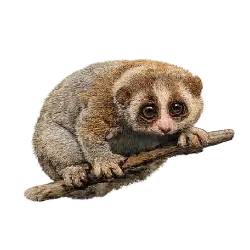
Pygmy Slow Loris (Nycticebus pygmaeus) thumbnail image on AnimalDex

Pygmy Slow Loris

Species principle: Slow Exactness

Move without hurry.

Slow movement becomes strength when every grip is deliberate.

Pygmy Slow Lorises move carefully at night through branches, using strong grasping hands, large eyes, and slow deliberate motion to forage and avoid detection.

Southern Flying Squirrel animal lesson image on AnimalDex

Southern Flying Squirrel

Species principle: Night Glide

Use the gap.

Adaptation turns falling space into controlled movement.

Southern Flying Squirrels glide at night using a skin membrane between limbs, steering between trees while foraging and avoiding predators.

Spinifex Hopping Mouse animal lesson image on AnimalDex

Spinifex Hopping Mouse

Species principle: Spinifex Night Agility

Move after heat.

Open-country survival depends on timing the body around danger and temperature.

Spinifex Hopping Mice are Australian desert rodents that shelter by day, forage at night, and move with hopping agility.

Spotted Lanternfish animal lesson image on AnimalDex

Spotted Lanternfish

Species principle: Vertical-Migration Glow

Rise with light.

Darkness is easier to navigate when rhythm and signal move together.

Lanternfish are deep-sea fishes with photophores and daily vertical migrations between deeper daytime waters and shallower nighttime feeding zones.

Spotted Linsang animal lesson image on AnimalDex

Spotted Linsang

Species principle: Branch Secrecy

Slip above shadow.

Hidden paths open to the body that moves softly above the ground.

Spotted Linsangs are slender, nocturnal, arboreal carnivores with spotted coats and long tails used for balance in forest canopies.

Sugar Glider animal lesson image on AnimalDex

Sugar Glider

Species principle: Bonded Glide

Glide with your people.

Freedom feels safer when movement and bonding work together.

Sugar Gliders are small nocturnal marsupials that glide between trees and live in social groups using scent, calls, and shared shelter.

Xantus's Murrelet animal lesson image on AnimalDex

Xantus's Murrelet

Species principle: Night Timing

Return after dark.

The same journey becomes safer when taken under the right darkness.

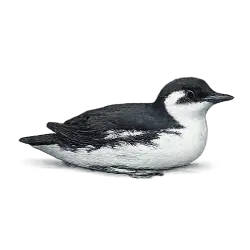
Xantus’s Murrelets are small seabirds that visit nesting islands at night, reducing predation risk while commuting between sea and nest sites.

Explore related indexes