Back to Powers

Animal Powers

Power

Call over water.

Animals grouped here express a similar power through their behavior in nature. Each species still has its own principle, lesson, meaning, and field-guide page.

47 species

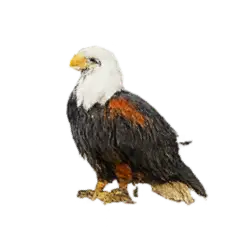
African Fish Eagle (Haliaeetus vocifer) thumbnail image on AnimalDex

African Fish Eagle

Species principle: Lake Dominion

Call over water.

Power is clearest when voice, perch, and strike all know the same water.

African Fish Eagles perch near lakes and rivers, use ringing calls, sharp vision, and strong talons to hunt fish and defend territories.
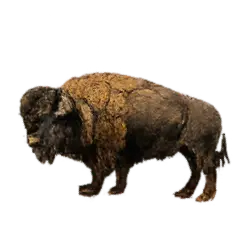
American Bison (Bison bison) thumbnail image on AnimalDex

American Bison

Species principle: Steady Force

Push through snow.

Steady force keeps moving when the weather pushes back.

American Bison use massive heads and shoulders to move through snow, graze tough grasses, and survive harsh prairie conditions.

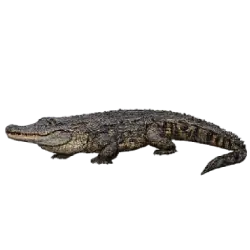
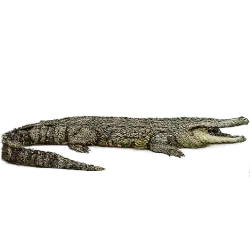
American Crocodile animal lesson image on AnimalDex

American Crocodile

Species principle: Brackish Stillness

Wait where waters mix.

Strength can wait where river and sea meet.

American Crocodiles inhabit coastal lagoons, mangroves, river mouths, and brackish waters, using patient ambush, basking, and powerful bodies to hunt.

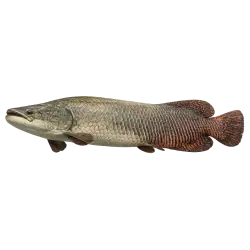
Arapaima (Arapaima gigas) thumbnail image on AnimalDex

Arapaima

Species principle: Air Access

Find new air.

A new way to breathe can change the limits of the world around you.

Arapaimas are large Amazonian fish that must surface to breathe air using a modified swim bladder, allowing them to live in warm, low-oxygen waters.

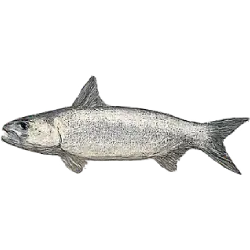
Atlantic Tarpon (Megalops atlanticus) thumbnail image on AnimalDex

Atlantic Tarpon

Species principle: Silver Release

Break the surface.

Stored energy can change the whole moment.

Atlantic tarpon are large silver fish known for powerful leaps and air-breathing ability through a modified swim bladder.

Black Caiman (Melanosuchus niger) thumbnail image on AnimalDex

Black Caiman

Species principle: Dark Timing

Wait in black water.

Power waits best where shadow and water hide the clock.

Black Caimans are large dark crocodilians of Amazon waterways. They use camouflage, night activity, powerful jaws, and ambush hunting in slow water.

Boa Constrictor (Boa constrictor) thumbnail image on AnimalDex

Boa Constrictor

Species principle: Compression

Become the trap.

Timing matters because the whole body becomes power at once.

Boa Constrictors are ambush predators that use camouflage, striking, and muscular constriction to restrain prey with their entire bodies.

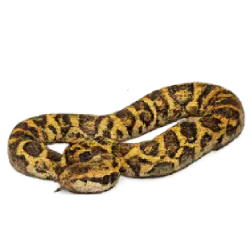
Burmese Python (Python bivittatus) thumbnail image on AnimalDex

Burmese Python

Species principle: Giant Pressure

Own the coil.

One true strength, fully owned, can solve what speed cannot.

Burmese Pythons are large constrictors that use camouflage, ambush, muscular coils, and swallowing adaptations to subdue and consume large prey.

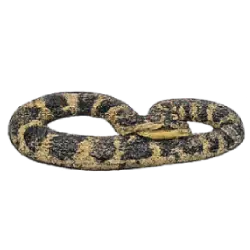
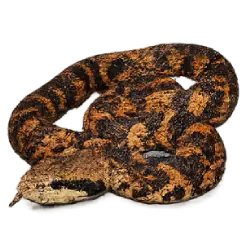
Bushmaster (Lachesis muta) thumbnail image on AnimalDex

Bushmaster

Species principle: Held Power

Hold the strike.

The greatest force may be the one waiting without announcement.

Bushmasters are large venomous pit vipers that use camouflage and stillness on rainforest floors, striking when prey comes within range.

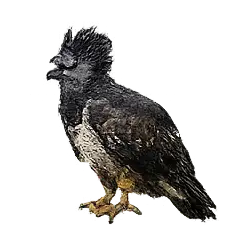
Crowned Eagle (Stephanoaetus coronatus) thumbnail image on AnimalDex

Crowned Eagle

Species principle: Forest Grip

Grip through forest.

In dense forest, power belongs to the grip that can finish the chase.

Crowned Eagles are powerful forest raptors with large talons, hunting monkeys, small antelope, and other prey in African forests.

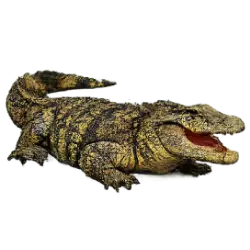
Cuban Crocodile (Crocodylus rhombifer) thumbnail image on AnimalDex

Cuban Crocodile

Species principle: Explosive Surprise

Launch the heavy body.

Heavy bodies can still surprise the world when power is stored in the legs.

Cuban Crocodiles have relatively long legs and are known for more agile, terrestrial movement than many crocodilians, including explosive lunges.

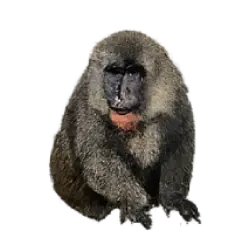
Drill (Mandrillus leucophaeus) thumbnail image on AnimalDex

Drill

Species principle: Troop Force

Move with the troop.

Strength travels farther when the whole troop carries it.

Drills are powerful social monkeys that live in groups and move through dense rainforest and forest floor habitats with strong bodies and group cohesion.

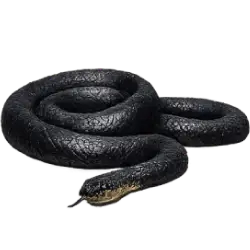
Eastern Indigo Snake (Drymarchon couperi) thumbnail image on AnimalDex

Eastern Indigo Snake

Species principle: Indigo Authority

Rule without venom.

Power can be calm enough not to need venom.

Eastern Indigo Snakes are large nonvenomous snakes that actively hunt many prey types, including other snakes, and often use gopher tortoise burrows for shelter.

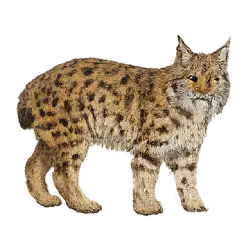
Eurasian Lynx (Lynx lynx) thumbnail image on AnimalDex

Eurasian Lynx

Species principle: Quiet Focus

Step without sound.

Power travels farthest when it wastes no sound.

Eurasian Lynx are solitary forest predators with tufted ears, large paws, thick fur, and stealthy stalking behavior used to hunt prey in wooded and snowy habitats.

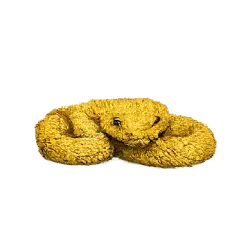
Eyelash Viper (Bothriechis schlegelii) thumbnail image on AnimalDex

Eyelash Viper

Species principle: Eyelash Disguise

Hide in lashes.

Decoration can become concealment.

Eyelash vipers use variable coloration and raised eyelash-like scales to blend into branches and vegetation while ambushing prey.

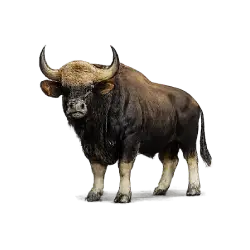
Gaur animal lesson image on AnimalDex

Gaur

Species principle: Mass

Fill the clearing.

Some power fills the clearing simply by entering it.

Gaurs are the largest wild cattle, with massive shoulders, strong bodies, and social herd behavior in forests and grassy clearings of South and Southeast Asia.

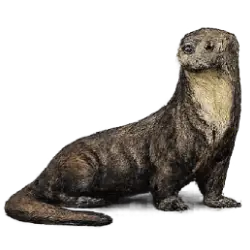
Giant Otter animal lesson image on AnimalDex

Giant Otter

Species principle: Family Force

Hunt as family.

A loud family becomes a current no single body could make alone.

Giant Otters live in social family groups, hunt fish cooperatively in rivers, and use a wide range of loud vocalizations to coordinate and defend territory.

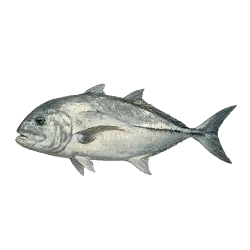
Giant Trevally (Caranx ignobilis) thumbnail image on AnimalDex

Giant Trevally

Species principle: Explosive Power

Release the burst.

Stored power matters most when released at the exact opening.

Giant Trevallies are powerful reef predators known for fast explosive attacks on schooling fish and other prey in lagoons, reefs, and open water.

Explore related indexes