

Bobbit Worm
Species principle: Sand-Jaw Ambush
Wait under sand.
Patience becomes danger when timing and concealment meet.
Bobbit Worms hide in sediment with powerful jaws, striking rapidly at prey that passes above the burrow.
Animal Powers
Wait under sand.
Animals grouped here express a similar power through their behavior in nature. Each species still has its own principle, lesson, meaning, and field-guide page.
20 species
Species principle: Sand-Jaw Ambush
Wait under sand.
Patience becomes danger when timing and concealment meet.
Bobbit Worms hide in sediment with powerful jaws, striking rapidly at prey that passes above the burrow.
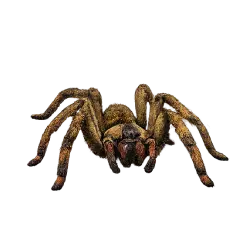
Species principle: Ground Search
Search with caution.
Exploration requires awareness when there is no web to wait in.
Wandering Spiders actively roam for prey rather than relying only on capture webs, using movement, sensing, and venomous predation.

Species principle: Upside-Down Oar
Row upside down.
Alternative movement works when the body accepts a reversed world.
Backswimmers are aquatic insects that swim upside down with oar-like legs and hunt small animals near the water surface.

Species principle: Saw-Tooth Search
Sweep with the saw.
Specialized sensing turns movement into a map.
Sawsharks have long toothed rostrums with sensory organs that help detect and slash at prey in marine habitats.
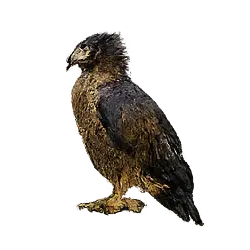
Species principle: Serpent Focus
Watch for the serpent.
Mastery deepens when the eye knows exactly which work it is searching for.
Crested Serpent Eagles specialize in hunting snakes and reptiles from forest perches, using strong vision, broad wings, and talons.

Species principle: Surface-Tension Hunt
Read the ripple.
Precision comes from trusting the smallest support that will hold.
Fishing Spiders can rest on water surfaces, detect ripples, dive, and capture aquatic or edge-dwelling prey.
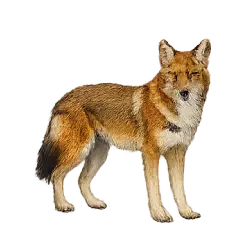
Species principle: Highland Specialization
Hunt the highlands.
A rare place calls for a rare kind of hunter.
Ethiopian Wolves are highly specialized canids of Afroalpine grasslands, hunting rodents such as giant mole-rats and living in packs with solitary foraging.
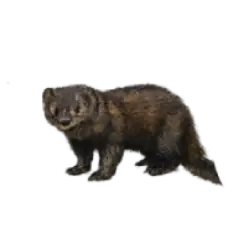
Species principle: Forest Versatility
Use every shadow.
The dark forest belongs to the hunter with more than one route.
Fishers are agile mustelids that move through trees and on the ground, hunting varied prey and using forest structure with flexible predatory behavior.

Species principle: Wetland Low Hunt
Hunt the wet edge.
Specialization turns an unusual habitat into advantage.
Flat-headed Cats are small Southeast Asian cats associated with wetlands, fish, and semi-aquatic hunting behavior.
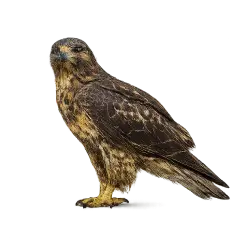
Species principle: High Island Watch
Watch the island.
Perspective becomes resourcefulness when the whole island is in view.
Galapagos Hawks are island raptors that hunt and scavenge in open volcanic landscapes, using elevated vision and territorial awareness.

Species principle: Patterned Venom
Slow, then strike.
Speed is not the only path to power when accuracy is decisive.
Geography Cone Snails are venomous marine snails that use a specialized harpoon-like tooth and potent venom to capture fish prey.
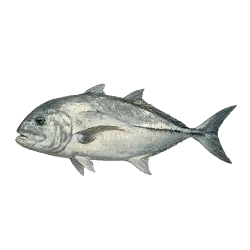
Species principle: Explosive Power
Release the burst.
Stored power matters most when released at the exact opening.
Giant Trevallies are powerful reef predators known for fast explosive attacks on schooling fish and other prey in lagoons, reefs, and open water.
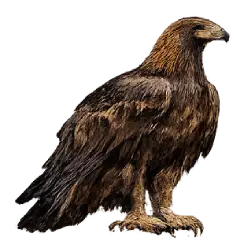
Species principle: High Descent
Drop from height.
Power lands cleanest after the high view has chosen the moment.
Golden Eagles soar and hunt over mountains and open country, using powerful flight, sharp vision, and dramatic descents to strike prey.
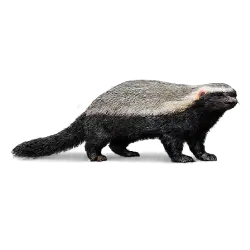
Species principle: Fierce Style
Charge in silver.
Purpose sharpens when the body accepts its own wild shape.
Greater Grisons are bold, low-bodied mustelids that move through grass, scrub, and forests, hunting small animals with speed and force.

Species principle: Reef-Crack Strike
Strike from green shadow.
Predatory patience becomes stronger when cover is chosen well.
Green Moray Eels hide in reef crevices and use strong jaws, scent, and sudden strikes to capture prey from concealed positions.
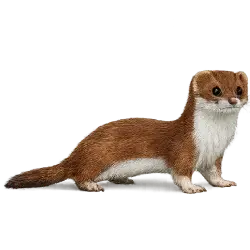
Species principle: Small-Predator Precision
Fit the pursuit.
Smallness can become power when the target is chosen exactly.
Least Weasels are tiny carnivores with slender bodies that allow them to pursue prey through tunnels and tight cover.

Species principle: Ice-Edge Hunter
Own the ice edge.
Predatory skill improves when movement, patience, and territory meet.
Leopard Seals are powerful Antarctic predators that hunt penguins, fish, squid, and seals around ice edges and coastal waters.
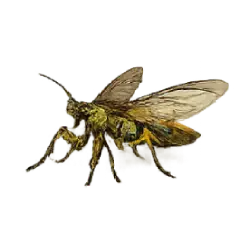
Species principle: Hybrid Power
Use the strange mix.
Unusual combinations become strength when each part knows its role.
Mantidflies combine lacewing-like wings with mantis-like raptorial forelegs, using predatory grabbing behavior while often resembling wasps or other insects.