
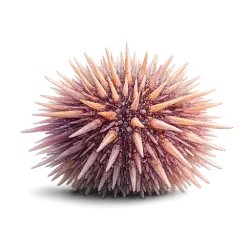
Sea Urchin
Species principle: Influence
Small force, big effect.
Consistent action matters, especially when many small choices accumulate.
Sea urchins graze algae and can strongly affect kelp forest and reef ecosystems.
Animal Powers
Small force, big effect.
Animals grouped here express a similar power through their behavior in nature. Each species still has its own principle, lesson, meaning, and field-guide page.
24 species
Species principle: Influence
Small force, big effect.
Consistent action matters, especially when many small choices accumulate.
Sea urchins graze algae and can strongly affect kelp forest and reef ecosystems.
Species principle: Spined Foraging
Forage behind spines.
Self-protection allows curiosity to keep working.
Short-beaked Echidnas use spines for defense and long sticky tongues to feed on ants and termites.
Species principle: Silver Reserve
Soft silver confidence.
A distinctive coat can carry presence without demanding attention.
Silver Fox Rabbits are domestic rabbits known for dense fur with silvering and a calm, substantial breed type.
Species principle: Spring Return
Return to the pool.
Consistency means finding the old water again when the season opens.
Spotted Salamanders migrate from forest burrows and leaf litter to temporary vernal pools for breeding, often during rainy spring nights.
Species principle: Discernment
Hear before you move.
Move only after the dark has taught you what is worth approaching.
Spotted Wood Owls hunt at night using large eyes, sensitive hearing, soft flight feathers, and strong talons to approach prey through dark wooded habitats.
Species principle: Mouth Surprise
Open from stillness.
Great action can begin from stillness.
Surinam horned frogs use a wide mouth, camouflaged body, and sit-and-wait predation to capture prey suddenly.