

Cairo Spiny Mouse
Species principle: Mend
Repair the small body.
Small survival can mean mending, not just escape.
Spiny Mice are small rodents known for fragile skin and notable tissue repair abilities, alongside desert or dryland adaptations.
Animal Powers
Repair the small body.
Animals grouped here express a similar power through their behavior in nature. Each species still has its own principle, lesson, meaning, and field-guide page.
8 species
Species principle: Mend
Repair the small body.
Small survival can mean mending, not just escape.
Spiny Mice are small rodents known for fragile skin and notable tissue repair abilities, alongside desert or dryland adaptations.
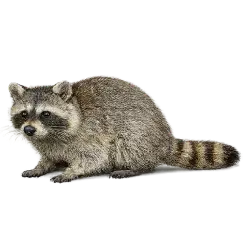
Species principle: Island Edge Ingenuity
Use the small island.
Scarcity sharpens intelligence when options are limited and local.
Cozumel Raccoons are island raccoons with restricted range, shaped by island conditions and conservation pressure.

Species principle: Sahelgrace
Cross lightly.
Elegance under pressure comes from economy, alertness, and distance.
Dama gazelles are highly endangered desert and Sahel antelopes adapted to arid open habitats and long-legged movement.
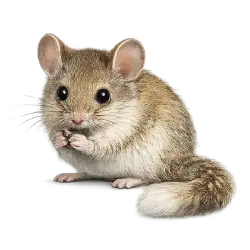
Species principle: Torpor
Lower the flame.
Efficiency begins when the body reduces demand ahead of crisis.
Desert Dormice use burrows, nocturnal activity, and periods of torpor or dormancy to cope with harsh dry conditions.
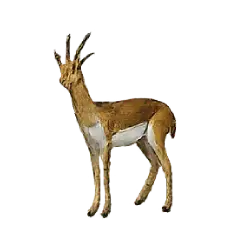
Species principle: High Browsing
Reach the dry leaf.
A special place rewards the body shaped for its scarce food.
Dibatags are arid-land antelopes with long necks and legs, feeding on leaves and shoots in dry shrublands where food can be sparse and elevated.

Species principle: Tail-Stored Margin
Carry the margin.
Preparedness works best when it is carried before danger appears.
Fat-tailed Dunnarts are small marsupial carnivores that store fat in their tails and use torpor to manage scarce energy.

Species principle: Long-Eared Scarcity
Hear the desert.
Survival in sparse places depends on sensitivity, timing, and efficient movement.
Long-eared Jerboas are desert rodents with large ears, jumping legs, and adaptations for nocturnal life in arid habitats.
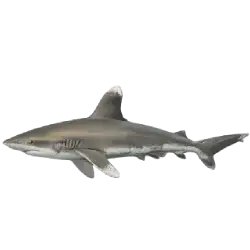
Species principle: Open-Ocean Persistence
Cruise the blue void.
Wide emptiness rewards the one that keeps moving without a shore in sight.
Oceanic Whitetip Sharks have long rounded fins and cruise through open tropical oceans, covering vast areas where food can be sparse and unpredictable.