AnimalDex
en
Back to Qualities

Animal Qualities

Camouflage

Move in stripes.

Animals grouped here express a similar quality through their behavior in nature. Each species still has its own principle, lesson, meaning, and field-guide page.

42 species

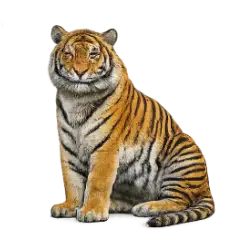
Indochinese Tiger animal lesson image on AnimalDex

Indochinese Tiger

Species principle: Shadow Power

Move in stripes.

The greatest force is often the one the forest hides best.

Indochinese Tigers use striped camouflage, muscular bodies, silent movement, and solitary stalking to hunt in forested habitats.
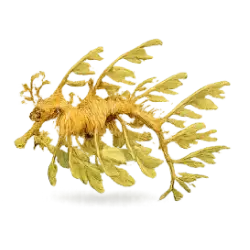
Leafy Seadragon (Phycodurus eques) thumbnail image on AnimalDex

Leafy Seadragon

Species principle: Living Camouflage

Become the seaweed.

The deepest disguise is not hiding near the world, but becoming its shape.

Leafy Seadragons have leaf-like appendages and slow drifting movement that help them resemble floating seaweed in southern Australian waters.

Leopoldi Stingray animal lesson image on AnimalDex

Leopoldi Stingray

Species principle: Hidden Glide

Glide unseen.

Concealment is strongest when movement matches the floor beneath it.

Leopoldi Stingrays are bottom-dwelling freshwater rays with flattened bodies and patterned camouflage.

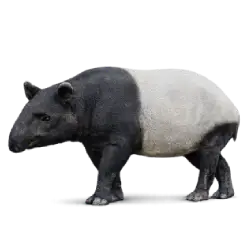
Malayan Tapir (Tapirus indicus) thumbnail image on AnimalDex

Malayan Tapir

Species principle: Contrast Camouflage

Hide in contrast.

A bold contrast can hide a body when the shadows already speak in patches.

Malayan Tapirs have a black-and-white saddle pattern that disrupts their outline in dark forest. They browse with flexible snouts and move through dense tropical habitats.

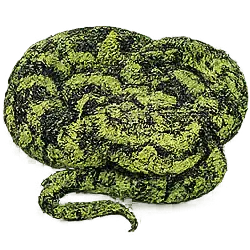
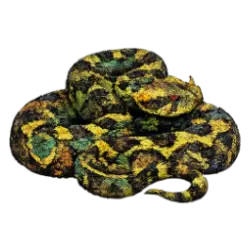
Mangshan Pit Viper (Protobothrops mangshanensis) thumbnail image on AnimalDex

Mangshan Pit Viper

Species principle: Moss Living Camouflage

Melt into moss.

The best camouflage does not disappear; it becomes part of the living place.

Mangshan Pit Vipers have mossy green patterning and pit-viper ambush behavior, helping them blend into humid mountain forest vegetation.

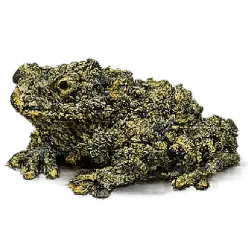
Mossy Frog (Theloderma corticale) thumbnail image on AnimalDex

Mossy Frog

Species principle: Place-Mimicry

Become the moss.

Copy the place so well that danger reads you as landscape.

Mossy Frogs have bumpy green, brown, and black skin that resembles moss and lichen on wet rocks, helping them hide from predators.

Northern Walkingstick (Diapheromera femorata) thumbnail image on AnimalDex

Northern Walkingstick

Species principle: Camouflage

Become the branch.

Sometimes protection comes from becoming unreadable to what hunts you.

Northern Walkingsticks resemble twigs through their long narrow bodies, coloration, stillness, and slow rocking movement, helping them avoid detection by predators.

Pallas's Cat (Otocolobus manul) thumbnail image on AnimalDex

Pallas's Cat

Species principle: Low Profile

Crouch into land.

The land hides the one shaped low enough to become part of it.

Pallas’s Cats have dense fur, low-set ears, flat faces, and crouching hunting behavior suited to cold rocky grasslands and open steppe habitats.

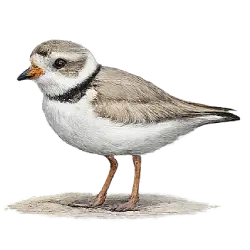
Piping Plover (Charadrius melodus) thumbnail image on AnimalDex

Piping Plover

Species principle: Beach Discretion

Vanish on sand.

In exposed places, survival comes from moving lightly and disappearing quickly.

Piping Plovers nest and forage on open sandy beaches, using pale plumage, quick stop-start movement, and camouflage to avoid detection.

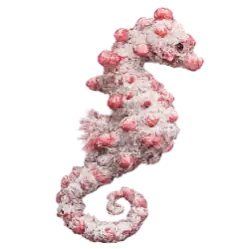
Pygmy Seahorse (Hippocampus bargibanti) thumbnail image on AnimalDex

Pygmy Seahorse

Species principle: Perfect Fit

Become the coral.

Belong so precisely that the world cannot tell where you end.

Pygmy Seahorses have tiny bodies, tubercles, and coloration that closely match their gorgonian coral hosts, making them extremely difficult to see.

Reticulated river stingray animal lesson image on AnimalDex

Reticulated river stingray

Species principle: Patterned Concealment

Match the riverbed.

Stillness works best when pattern and place agree.

Reticulated River Stingrays are bottom-dwelling freshwater rays with patterned bodies that help them blend into substrate.

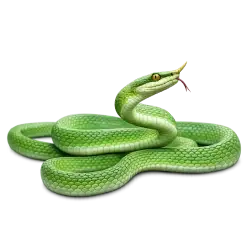
Rhinoceros Rat Snake (Gonyosoma boulengeri) thumbnail image on AnimalDex

Rhinoceros Rat Snake

Species principle: Branch Odd Fit

Fit the branch.

The strange detail becomes beautiful when it belongs perfectly to the place.

Rhinoceros Rat Snakes are green arboreal snakes with a distinctive horn-like scale projection on the snout. Their color and body form help them blend among vegetation.

Rhinoceros Viper (Bitis nasicornis) thumbnail image on AnimalDex

Rhinoceros Viper

Species principle: Ornamental Camouflage

Hide in ornament.

What looks decorative can still belong to concealment.

Rhinoceros Vipers have complex colorful patterning and horn-like nasal scales. Their coloration helps them blend into rainforest leaf litter despite their striking appearance.

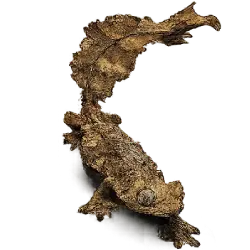
Satanic Leaf-tailed Gecko (Uroplatus phantasticus) thumbnail image on AnimalDex

Satanic Leaf-tailed Gecko

Species principle: Broken Camouflage

Look like the fallen leaf.

A perfect disguise may look torn, fallen, and already forgotten.

Satanic Leaf-tailed Geckos have leaf-like tails, cryptic coloration, and body shapes that resemble dead leaves or bark, helping them hide in Madagascar forests.

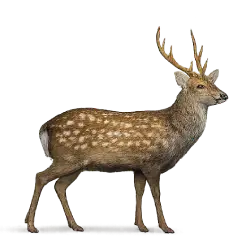
Sika Deer (Cervus nippon) thumbnail image on AnimalDex

Sika Deer

Species principle: Woodland Discretion

Blend with the flecks.

The quiet one survives by reading where light breaks the forest.

Sika Deer use spotted or dappled coats, alert behavior, and quiet movement through woodland edges and cover to avoid danger.

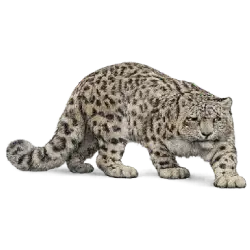
Snow Leopard (Panthera uncia) thumbnail image on AnimalDex

Snow Leopard

Species principle: Mountain Ghosting

Vanish before leaping.

The unseen leap begins long before the body leaves the rock.

Snow Leopards have pale spotted coats, long balancing tails, and powerful hind limbs that help them move and hunt across steep snowy cliffs.

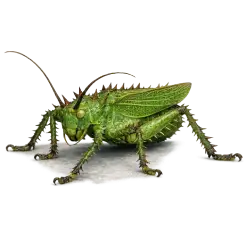
Spiny Devil Katydid (Panacanthus cuspidatus) thumbnail image on AnimalDex

Spiny Devil Katydid

Species principle: Hidden Music

Sing from the thorns.

A voice can live inside camouflage without giving up its power.

Spiny Devil Katydids have leaf-like bodies, dramatic spines, nocturnal habits, and sound-producing behavior used for communication while remaining concealed in vegetation.

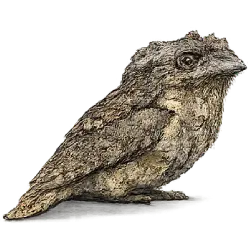
Sri Lanka Frogmouth (Batrachostomus moniliger) thumbnail image on AnimalDex

Sri Lanka Frogmouth

Species principle: Bark Mask

Wear the bark.

A strange face becomes genius when it matches the tree.

Sri Lanka Frogmouths have bark-like plumage, wide mouths for catching insects, nocturnal habits, and cryptic daytime roosting postures.

Explore related indexes