
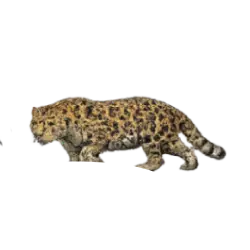
Amur Leopard
Species principle: Frost Stealth
Wear the frost.
The right coat turns cold into cover.
Amur Leopards have thick pale winter coats and rosetted camouflage, helping them hunt and move through cold forests and rocky snowy terrain.
Animal Qualities
Wear the frost.
Animals grouped here express a similar quality through their behavior in nature. Each species still has its own principle, lesson, meaning, and field-guide page.
42 species
Species principle: Frost Stealth
Wear the frost.
The right coat turns cold into cover.
Amur Leopards have thick pale winter coats and rosetted camouflage, helping them hunt and move through cold forests and rocky snowy terrain.
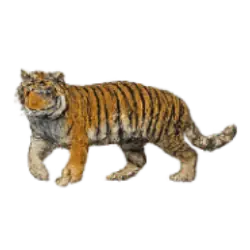
Species principle: Solitary Command
Walk alone in stripes.
Some power walks alone because the forest already knows its shape.
Bengal Tigers are solitary ambush predators that use stripes as camouflage in grass, forest, and wetland cover before making powerful close-range attacks.
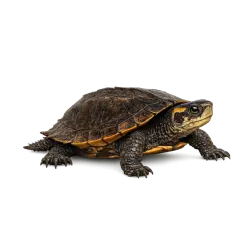
Species principle: Leaf-Litter Belonging
Match the leaves.
Safety begins when the place already looks like you.
Black-breasted Leaf Turtles have small, angular shells and cryptic coloration that help them blend into damp leaf litter on forest floors.
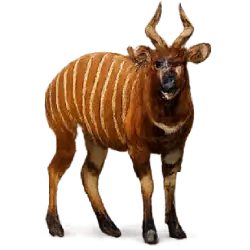
Species principle: Broken Outline
Break the shape.
A bright mark can hide a large body when it breaks the shape.
Bongos have bold white stripes that break up their body outline in dense forest light, helping these large antelopes move with concealment through vegetation.
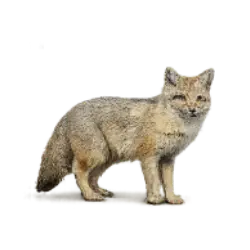
Species principle: Steppe Fit
Fit the steppe.
The journey gets easier when the body matches the land.
Corsac Foxes live in open steppes and semi-deserts, using pale coats, burrows, and flexible foraging to survive exposed grassland environments.
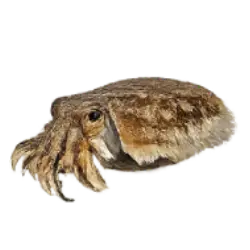
Species principle: Transformation
Change the skin.
Change your surface when the moment asks for another language.
Cuttlefish use chromatophores and other skin structures to rapidly change color, pattern, and texture for camouflage, communication, hunting, and defense.
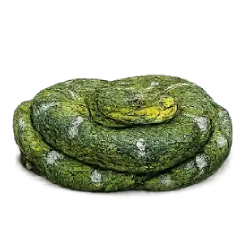
Species principle: Branch Patience
Coil into green.
Patience deepens when the body becomes part of the branch.
Emerald Tree Boas coil over branches in rainforest canopies and use stillness, camouflage, and ambush strikes to capture prey.
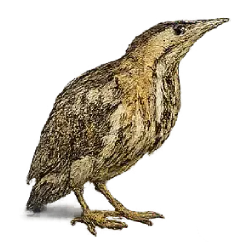
Species principle: Reed Disguise
Become the reed.
The best hiding is becoming the shape the place already expects.
Eurasian Bitterns have striped plumage and a vertical freeze posture that helps them blend into reedbeds. Their booming calls also carry through marsh habitat.
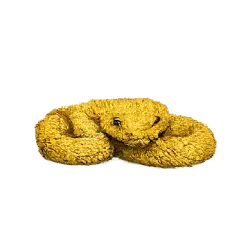
Species principle: Eyelash Disguise
Hide in lashes.
Decoration can become concealment.
Eyelash vipers use variable coloration and raised eyelash-like scales to blend into branches and vegetation while ambushing prey.
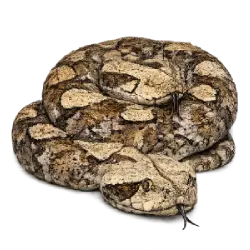
Species principle: Hidden Magnitude
Hide the fang.
Stillness can hide more power than movement can explain.
Gaboon Vipers use leaf-pattern camouflage, heavy bodies, extremely long fangs, potent venom, and ambush behavior on the forest floor.
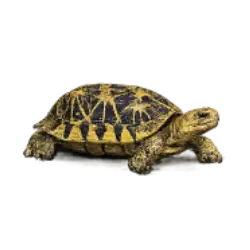
Species principle: Geometric Armor
Carry the pattern map.
A precise pattern can protect while looking like art.
Geometric Tortoises have high-domed shells with crisp yellow-and-black geometric patterns that help break up their outline in fynbos and renosterveld habitats.
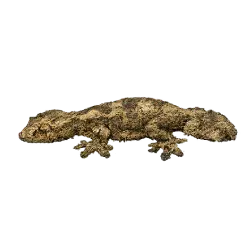
Species principle: Total Camouflage
Lose the edge.
The deepest hiding happens when your edges disappear into the world.
Giant Leaf-tailed Geckos have flattened bodies, fringed skin, cryptic coloration, and leaf-like tails that help them vanish against bark and lichen-covered surfaces.
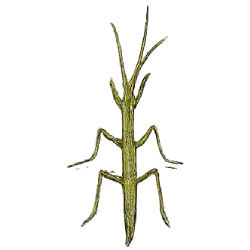
Species principle: Rediscovered Survival
Return as the twig.
A life can vanish from memory and still be waiting on the branch.
Giant Stick Insects from Lord Howe Island were believed extinct before surviving populations were rediscovered. Their stick-like bodies provide strong plant mimicry.
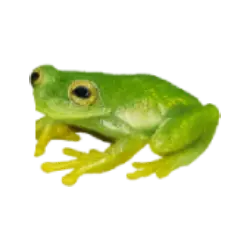
Species principle: Translucence
Let the leaf show through.
Delicacy can protect itself by letting the background pass through.
Glass Frogs often have translucent ventral skin and green coloration that help them blend with leaves near streams, where many species lay eggs above water.
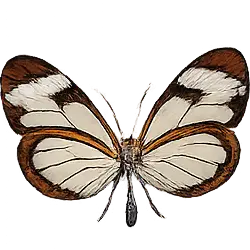
Species principle: Wing Transparency
Let light through.
Strength can be soft enough to let the world pass through it.
Glasswing Butterflies have transparent wing panels that reduce visibility in humid forests, helping them blend with shifting light and foliage.
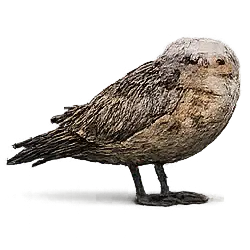
Species principle: Branch Illusion
Become the dead branch.
A fixed shape becomes freedom when it makes the watcher disappear.
Great Potoos use cryptic bark-like plumage and rigid upright postures to resemble broken branches or logs during daytime rest.
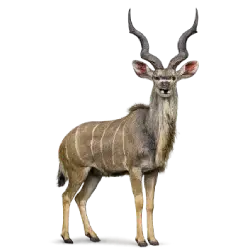
Species principle: Spiral Power
Carry the spiral.
Elegance becomes power when it moves without wasting itself.
Greater Kudus use spiral horns, large ears, striped camouflage, and graceful movement through woodland and brush habitats.
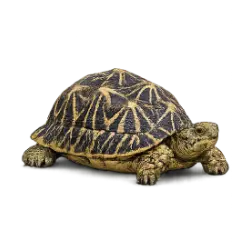
Species principle: Radiant Armor
Wear the stars.
A beautiful pattern can protect as much as it decorates.
Indian Star Tortoises have star-like shell patterns that may help break up their outline among dry grasses and scrub while also making them visually distinctive.