AnimalDex
en
Back to Qualities

Animal Qualities

Defense

Lock into stone.

Animals grouped here express a similar quality through their behavior in nature. Each species still has its own principle, lesson, meaning, and field-guide page.

36 species

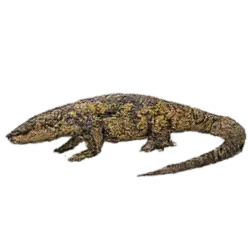
Ackie Monitor (Varanus acanthurus) thumbnail image on AnimalDex

Ackie Monitor

Species principle: Spiny Boundary

Lock into stone.

A boundary becomes strong when it can anchor itself inside stone.

Ackie Monitors use spiny tails, strong bodies, and rock crevices for protection, often wedging themselves into shelter in arid rocky habitats.
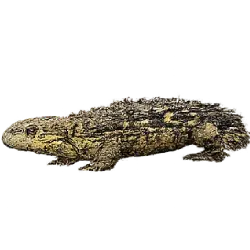
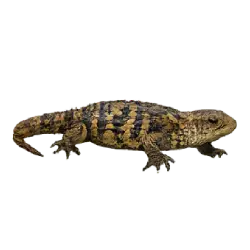
Armadillo Girdled Lizard (Ouroborus cataphractus) thumbnail image on AnimalDex

Armadillo Girdled Lizard

Species principle: Self-Armor

Become the ring.

The body can become its own shield when danger closes in.

Armadillo Girdled Lizards defend themselves by biting their tails and curling into a spiny ring, protecting their softer underside from predators.

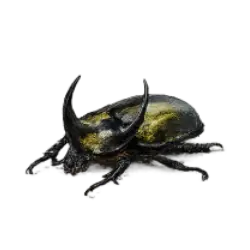
Atlas Beetle (Chalcosoma atlas) thumbnail image on AnimalDex

Atlas Beetle

Species principle: Armored Readiness

Wear the armor.

Visible protection helps the body enter conflict already prepared.

Atlas Beetle males have large horns used in contests, along with a heavy armored exoskeleton common to large rhinoceros beetles.

Bluespine unicornfish animal lesson image on AnimalDex

Bluespine unicornfish

Species principle: Reef Navigation

Read the reef.

Movement improves when awareness reads both obstacles and group flow.

Bluespine Unicornfish are reef-associated surgeonfish that move through coral habitats and use sharp defensive spines near the tail.

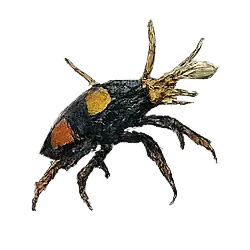
Bombardier Beetle (Brachinus crepitans) thumbnail image on AnimalDex

Bombardier Beetle

Species principle: Chemical Boundary

Fire the line.

A clear line is strongest when the body can enforce it instantly.

Bombardier Beetles eject hot chemical spray from the abdomen through a controlled reaction that deters predators.

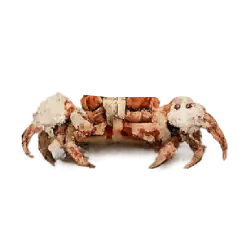
Boxer Crab (Lybia tessellata) thumbnail image on AnimalDex

Boxer Crab

Species principle: Borrowed Defense

Carry the ally.

Small allies become strength when held with care.

Boxer Crabs carry small sea anemones in their claws, using the stinging tentacles for defense and possibly food gathering.

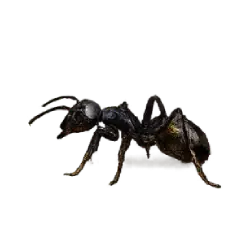
Bullet Ant (Paraponera clavata) thumbnail image on AnimalDex

Bullet Ant

Species principle: Painful Defense

Make the boundary felt.

Small guardians become unforgettable when crossing them has a cost.

Bullet Ants are large tropical ants known for an extremely painful sting, strong jaws, and defensive behavior around nests and foraging trails.

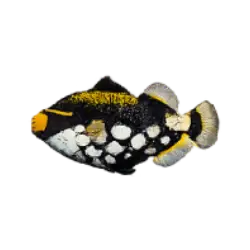
Clown Triggerfish (Balistoides conspicillum) thumbnail image on AnimalDex

Clown Triggerfish

Species principle: Locked Boundary

Lock the spine.

A boundary is stronger when it can lock into place.

Clown Triggerfish and other triggerfish use a locking dorsal trigger spine for defense and anchoring in reef crevices, alongside bold coloration and territorial behavior.

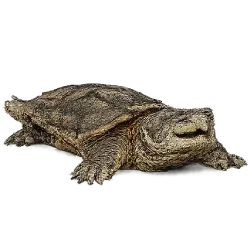
Common Snapping Turtle (Chelydra serpentina) thumbnail image on AnimalDex

Common Snapping Turtle

Species principle: Snap Timing

Wait, then snap.

Not every victory begins with movement; some begin with readiness.

Common Snapping Turtles are aquatic ambush predators with powerful jaws, patient bottom-dwelling behavior, and a defensive snap when threatened on land.

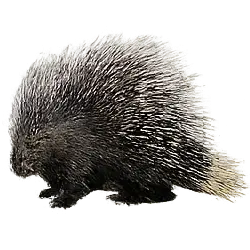
Crested Porcupine (Hystrix cristata) thumbnail image on AnimalDex

Crested Porcupine

Species principle: Shielding

Raise the shield.

A slow traveler becomes brave when the shield is already raised.

Crested Porcupines use long quills, raised crests, rattling, and backward-facing defensive postures to deter predators without needing speed.

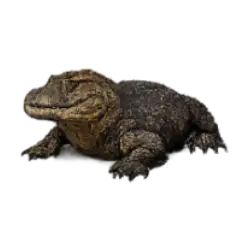
Dwarf Caiman (Paleosuchus palpebrosus) thumbnail image on AnimalDex

Dwarf Caiman

Species principle: Armored Patience

Armor the stillness.

Quiet patience becomes protection when armor holds the line.

Dwarf Caimans are small heavily armored crocodilians that inhabit forest streams, rivers, and wetlands, relying on stillness and protection.

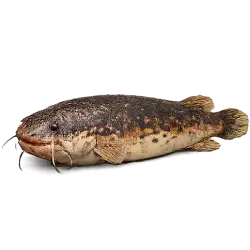
Electric Catfish (Malapterurus electricus) thumbnail image on AnimalDex

Electric Catfish

Species principle: Stored Shock

Release the charge.

Quiet preparation becomes decisive when the hidden charge is released.

Electric Catfish possess electric organs that can discharge strong shocks for defense and prey capture in murky freshwater environments.

Frilled Lizard (Chlamydosaurus kingii) thumbnail image on AnimalDex

Frilled Lizard

Species principle: Startle Display

Flare, then run.

A sudden shape can create the space needed to survive.

Frilled Lizards extend a large neck frill, open the mouth, and may rear up when threatened before fleeing, often to a tree.

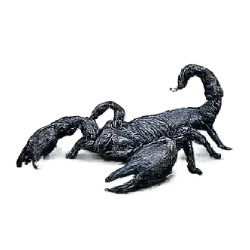
Giant Forest Scorpion (Heterometrus swammerdami) thumbnail image on AnimalDex

Giant Forest Scorpion

Species principle: Calm Grip

Grip before sting.

Strength can be slow, dark, and completely sure of itself.

Giant Forest Scorpions are large nocturnal scorpions with powerful pincers, dark exoskeletons, burrowing or sheltering habits, and slow defensive confidence.

Gidgee Skink (Egernia stokesii) thumbnail image on AnimalDex

Gidgee Skink

Species principle: Crevice Kinship

Share the crevice.

Hard places become easier when the crack is shared.

Gidgee Skinks are social Australian lizards that live in rock crevices, using spiny tails and rough scales for defense and group sheltering.

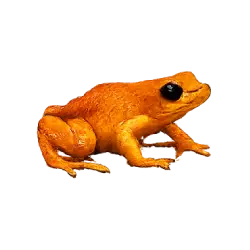
Golden Mantella (Mantella aurantiaca) thumbnail image on AnimalDex

Golden Mantella

Species principle: Amber Warning

Glow before danger.

Small bodies can speak first when their color tells the truth.

Golden Mantellas use bright orange coloration as warning coloration associated with skin toxins, helping deter predators despite their tiny size.

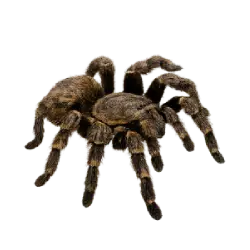
Goliath Birdeater (Theraphosa blondi) thumbnail image on AnimalDex

Goliath Birdeater

Species principle: Intimidation

Make approach costly.

Sometimes survival begins by making the approach itself uncomfortable.

Goliath Birdeaters are very large tarantulas that can defend themselves by rubbing urticating hairs from the abdomen, creating irritation for threats, along with threat postures and large fangs.

Indochinese Box Turtle (Cuora galbinifrons) thumbnail image on AnimalDex

Indochinese Box Turtle

Species principle: Wise Retreat

Fold the shell shut.

Retreat can be strength when the closing is complete.

Indochinese Box Turtles have hinged plastrons that allow them to close the shell tightly for defense against predators.

Explore related indexes