AnimalDex
en
Back to Qualities

Animal Qualities

Deterrence

Flash the rings.

Animals grouped here express a similar quality through their behavior in nature. Each species still has its own principle, lesson, meaning, and field-guide page.

21 species

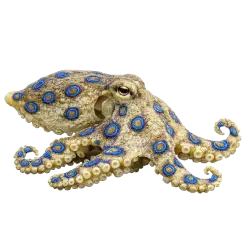
Blue-ringed Octopus (Hapalochlaena lunulata) thumbnail image on AnimalDex

Blue-ringed Octopus

Species principle: Ringed Warning

Flash the rings.

A clear signal can stop danger before contact becomes necessary.

Blue-ringed Octopuses flash vivid blue rings when threatened. Their small bodies carry highly potent venom, making the warning display an important deterrent signal.
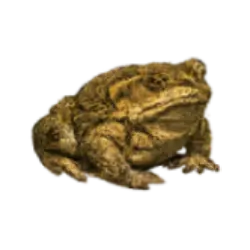
Cane Toad (Rhinella marina) thumbnail image on AnimalDex

Cane Toad

Species principle: Deterrence

Be costly to attack.

Some boundaries work because crossing them has a real cost.

Cane Toads have large parotoid glands that secrete potent toxins. This chemical defense deters many predators and helps the toad survive despite being slow-moving.

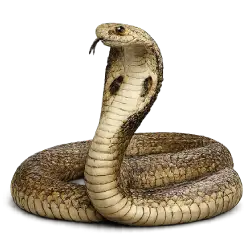
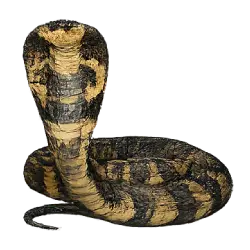
False Water Cobra (Hydrodynastes gigas) thumbnail image on AnimalDex

False Water Cobra

Species principle: Hood Bluff

Widen the warning.

A well-timed warning can make danger hesitate before force is needed.

False Water Cobras flatten the neck in a cobra-like display and use size, movement, and rear-fanged venom as part of their defensive and predatory strategy.

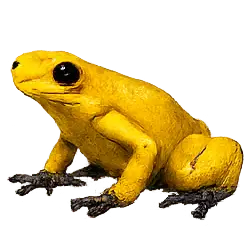
Golden Poison Frog (Phyllobates terribilis) thumbnail image on AnimalDex

Golden Poison Frog

Species principle: Golden Warning

Wear lethal gold.

The smallest body can command distance when its color tells the truth.

Golden Poison Frogs have bright warning coloration and extremely potent skin toxins, discouraging predators through aposematic signaling.

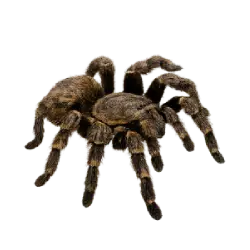
Goliath Birdeater (Theraphosa blondi) thumbnail image on AnimalDex

Goliath Birdeater

Species principle: Intimidation

Make approach costly.

Sometimes survival begins by making the approach itself uncomfortable.

Goliath Birdeaters are very large tarantulas that can defend themselves by rubbing urticating hairs from the abdomen, creating irritation for threats, along with threat postures and large fangs.

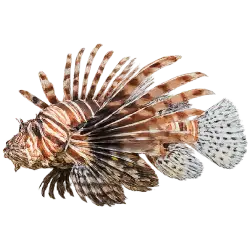
Lionfish (Pterois volitans) thumbnail image on AnimalDex

Lionfish

Species principle: Presence

Be seen clearly.

Beauty becomes power when it makes danger visible before contact.

Lionfish display broad fan-like fins and carry venomous spines. Their striking appearance and defensive spines deter many predators while they move slowly through reef habitats.

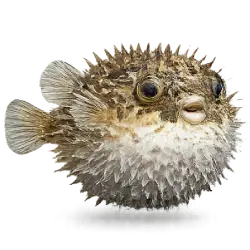
Long-spined porcupinefish animal lesson image on AnimalDex

Long-spined porcupinefish

Species principle: Inflated Defense

Expand the boundary.

A small body can win space by changing the terms of attack.

Long-spined Porcupinefish inflate and use spines as defenses against predators.

Milk Snake animal lesson image on AnimalDex

Milk Snake

Species principle: False Warning

Wear the warning.

A harmless or moderate threat can survive by resembling something predators already respect.

Milk Snakes are nonvenomous snakes whose banded coloration can resemble venomous coral snakes in some regions.

Monocled Cobra (Naja kaouthia) thumbnail image on AnimalDex

Monocled Cobra

Species principle: Hooded Warning

Show the hood.

A clear warning can end a fight before it begins.

Monocled Cobras raise the body, spread a hood with a monocle-like marking, and use venomous defense when threatened.

Oriental Fire-bellied Toad (Bombina orientalis) thumbnail image on AnimalDex

Oriental Fire-bellied Toad

Species principle: Warning Flash

Flash the fire.

A clear warning can stop danger before contact.

Oriental Fire-bellied Toads display bright orange-red undersides in a defensive posture called the unken reflex, warning predators of toxins.

Patagonian Hog-nosed Skunk (Conepatus humboldtii) thumbnail image on AnimalDex

Patagonian Hog-nosed Skunk

Species principle: Digging Deterrence

Dig with a warning.

Steady work stays safer when the warning is clear.

Patagonian Hog-nosed Skunks use strong snouts and claws for digging and chemical spray as a defensive deterrent against predators.

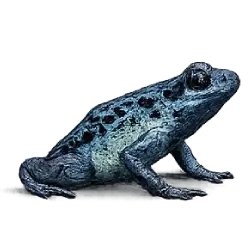
Poison Dart Frog (Dendrobatidae) thumbnail image on AnimalDex

Poison Dart Frog

Species principle: Bright Warning

Wear the warning.

A small body can command respect when its signal is honest and clear.

Poison Dart Frogs are known for vivid warning coloration and skin toxins in many species.

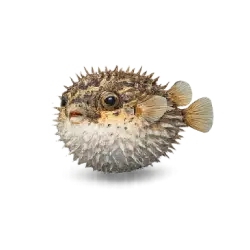
Porcupinefish (Diodon hystrix) thumbnail image on AnimalDex

Porcupinefish

Species principle: Spiked Expansion

Raise the spines.

Make the warning too large and too sharp to ignore.

Porcupinefish inflate their bodies when threatened, raising spines and increasing size to deter predators and reduce the chance of being swallowed.

Pufferfish (Tetraodon nigroviridis) thumbnail image on AnimalDex

Pufferfish

Species principle: Inflation

Become too large.

Expand the boundary until danger cannot swallow you.

Pufferfish inflate their bodies by taking in water or air when threatened, increasing apparent size and making themselves harder for predators to eat; many species also carry toxins.

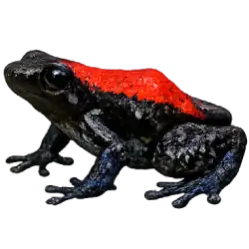
Red-backed Poison Frog (Ranitomeya reticulata) thumbnail image on AnimalDex

Red-backed Poison Frog

Species principle: Red Aposematism

Warn in red.

A clear color can say no before danger comes close.

Red-backed Poison Frogs use bright warning coloration associated with skin toxins, signaling to predators that they are dangerous or unpleasant to eat.

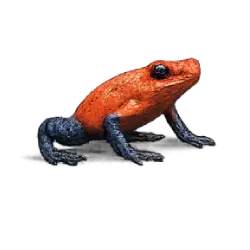
Strawberry Poison Dart Frog (Oophaga pumilio) thumbnail image on AnimalDex

Strawberry Poison Dart Frog

Species principle: Strawberry Warning

Wear the red.

Make danger understand early.

Strawberry poison dart frogs use bright aposematic coloration to warn predators of chemical defenses.

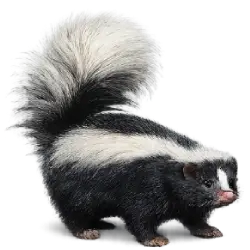
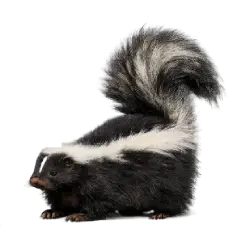
Striped Skunk (Mephitis mephitis) thumbnail image on AnimalDex

Striped Skunk

Species principle: Boundary

Warn before war.

The cleanest conflict is the one your warning prevents.

Striped Skunks usually warn before spraying. Tail raising, stamping, posture, and their bold stripe pattern give threats a chance to retreat before the skunk uses chemical defense.

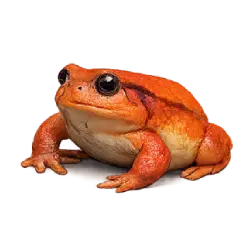
Tomato Frog (Dyscophus antongilii) thumbnail image on AnimalDex

Tomato Frog

Species principle: Visibility

Be seen as warning.

Being seen can be safer than trying to disappear.

Tomato Frogs use bright red-orange coloration and sticky defensive secretions to discourage predators. Their visible color can function as a warning signal.

Explore related indexes