
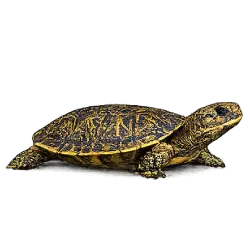
Ornate Box Turtle
Species principle: Box-Shell Retreat
Fold into safety.
A safe retreat can be wise strength.
Ornate box turtles use a hinged plastron to close the shell tightly for protection from threats.
Animal Qualities
Fold into safety.
Animals grouped here express a similar quality through their behavior in nature. Each species still has its own principle, lesson, meaning, and field-guide page.
33 species
Species principle: Box-Shell Retreat
Fold into safety.
A safe retreat can be wise strength.
Ornate box turtles use a hinged plastron to close the shell tightly for protection from threats.
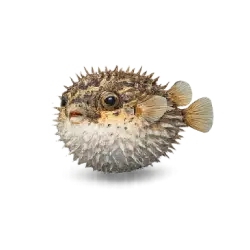
Species principle: Spiked Expansion
Raise the spines.
Make the warning too large and too sharp to ignore.
Porcupinefish inflate their bodies when threatened, raising spines and increasing size to deter predators and reduce the chance of being swallowed.
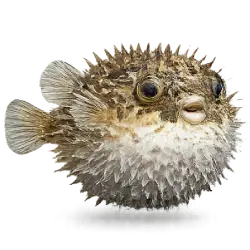
Species principle: Inflation
Become too large.
Expand the boundary until danger cannot swallow you.
Pufferfish inflate their bodies by taking in water or air when threatened, increasing apparent size and making themselves harder for predators to eat; many species also carry toxins.
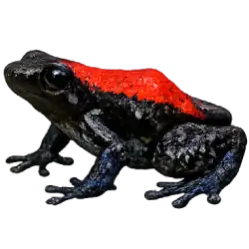
Species principle: Red Aposematism
Warn in red.
A clear color can say no before danger comes close.
Red-backed Poison Frogs use bright warning coloration associated with skin toxins, signaling to predators that they are dangerous or unpleasant to eat.
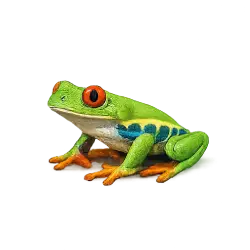
Species principle: Startle
Flash and flee.
One bright second can break the spell of danger.
Red-eyed Tree Frogs use bright red eyes, vivid side colors, and sudden movement as startle coloration when disturbed, helping them escape predators.
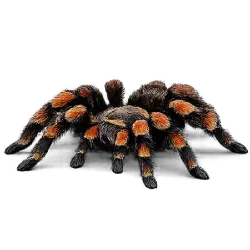
Species principle: Pause
Make them pause.
A visible warning can make the world slow down around you.
Red-kneed Tarantulas are terrestrial spiders with striking red-orange knee markings and defensive behaviors such as threat postures and flicking irritating hairs when threatened.

Species principle: Dryland Endurance
Carry through dry ground.
Survival favors the one who can continue with little comfort.
Russian Tortoises are hardy tortoises adapted to dry environments, burrowing, seasonal dormancy, and slow steady movement.

Species principle: Spined Foraging
Forage behind spines.
Self-protection allows curiosity to keep working.
Short-beaked Echidnas use spines for defense and long sticky tongues to feed on ants and termites.
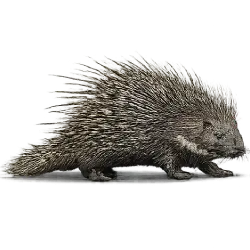
Species principle: Defense
Raise the quills.
When protection is built into you, you can move without asking permission.
Southern African Porcupines are nocturnal rodents with long defensive quills. When threatened, they raise and rattle quills, back toward danger, and make themselves difficult to attack.

Species principle: Living Disguise
Disappear by fitting.
Protection can come from alignment with the background rather than confrontation.
Stick insects resemble twigs or leaves and use stillness, camouflage, and body shape to avoid detection by predators.
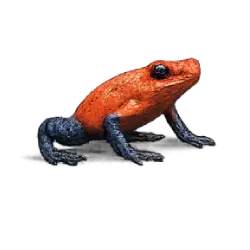
Species principle: Strawberry Warning
Wear the red.
Make danger understand early.
Strawberry poison dart frogs use bright aposematic coloration to warn predators of chemical defenses.
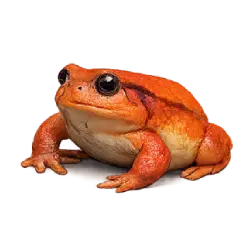
Species principle: Visibility
Be seen as warning.
Being seen can be safer than trying to disappear.
Tomato Frogs use bright red-orange coloration and sticky defensive secretions to discourage predators. Their visible color can function as a warning signal.
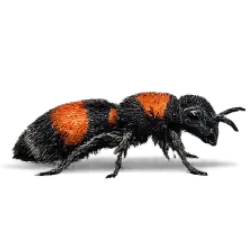
Species principle: Aposematism
Wear the warning.
Bright warning saves energy by teaching the world not to touch.
Velvet Ants are wingless female wasps with bright warning coloration, tough bodies, stridulation, and powerful stings that deter predators.
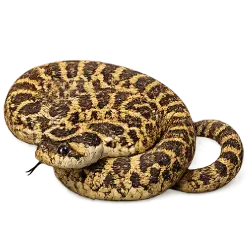
Species principle: Death-Feigning Theater
Play the part.
A performance can become protection when danger believes the act.
Western Hognose Snakes use dramatic defensive displays, including hissing, flattening, mock strikes, and sometimes playing dead with rolled posture and open mouth.
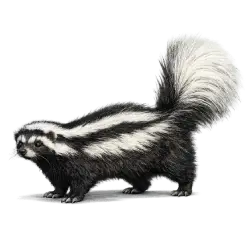
Species principle: Warning
Show the stripe.
A clear signal can end trouble before strength is tested.
Zorillas, also called striped polecats, use bold black-and-white warning coloration and powerful anal scent glands to deter predators before direct conflict is needed.