AnimalDex
en
Back to Qualities

Animal Qualities

Shelter

Live with the sting.

Animals grouped here express a similar quality through their behavior in nature. Each species still has its own principle, lesson, meaning, and field-guide page.

15 species

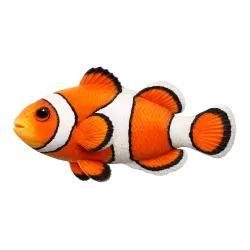
Clownfish (Amphiprion ocellaris) thumbnail image on AnimalDex

Clownfish

Species principle: Symbiosis

Live with the sting.

Danger becomes home when you learn the terms of living with it.

Clownfish live among sea anemone tentacles, gaining protection from predators while the anemone may receive cleaning, nutrients, or defense. Their mucus helps them avoid being stung.
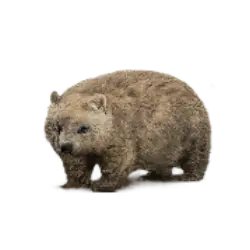
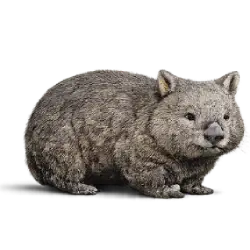
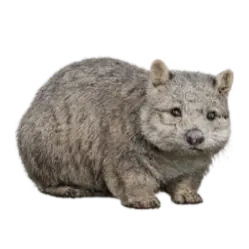
Common Wombat animal lesson image on AnimalDex

Common Wombat

Species principle: Shelter

Build below.

A safe world is sometimes built downward, claw by claw.

Common Wombats dig extensive burrow systems with strong claws and sturdy bodies. Their burrows provide shelter from heat, predators, and harsh conditions.

Crested Oropendola (Psarocolius decumanus) thumbnail image on AnimalDex

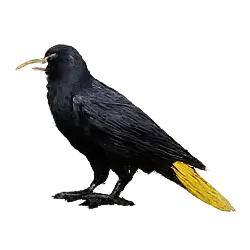
Crested Oropendola

Species principle: Weaving

Weave above ground.

Beauty becomes shelter when patience learns to braid the air.

Crested Oropendolas build long hanging woven nests in colonies high in trees, using plant fibers and careful construction to protect eggs and young.

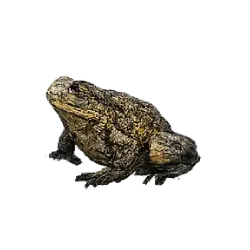
Dusky Gopher Frog (Lithobates sevosus) thumbnail image on AnimalDex

Dusky Gopher Frog

Species principle: Dual Refuge

Keep two homes.

Some lives survive because they know which home to use in each season.

Dusky Gopher Frogs use upland burrows, often made by other animals, for shelter and migrate to temporary ponds for breeding.

Eastern Bettong (Bettongia gaimardi) thumbnail image on AnimalDex

Eastern Bettong

Species principle: Busy Shelter

Nest after dark.

Safety is built by small habits repeated after dark.

Eastern Bettongs are nocturnal marsupials that dig for fungi and other foods and build grassy nests for shelter.

Garden Snail animal lesson image on AnimalDex

Garden Snail

Species principle: Spiral Shelter

Carry the spiral.

Security can move with you when it is built into your rhythm.

Garden Snails move slowly with a coiled shell and require moist conditions for active movement.

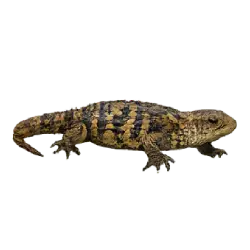
Gidgee Skink (Egernia stokesii) thumbnail image on AnimalDex

Gidgee Skink

Species principle: Crevice Kinship

Share the crevice.

Hard places become easier when the crack is shared.

Gidgee Skinks are social Australian lizards that live in rock crevices, using spiny tails and rough scales for defense and group sheltering.

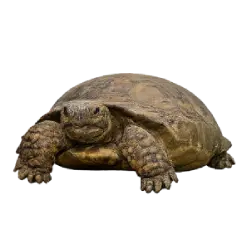
Gopher Tortoise (Gopherus polyphemus) thumbnail image on AnimalDex

Gopher Tortoise

Species principle: Keystone Shelter

Build for many.

The best homes become refuge for more lives than the builder planned.

Gopher Tortoises dig deep burrows in sandy soils, and those burrows provide shelter for many other species, making the tortoise an important keystone species.

Northern Hairy-nosed Wombat (Lasiorhinus krefftii) thumbnail image on AnimalDex

Northern Hairy-nosed Wombat

Species principle: Enduring Burrow

Hold the burrow.

A species endures when its home is solid enough to hold the night.

Northern Hairy-nosed Wombats dig large burrow systems and graze mostly at night, relying on shelter and secure habitat for survival.

Pancake Tortoise (Malacochersus tornieri) thumbnail image on AnimalDex

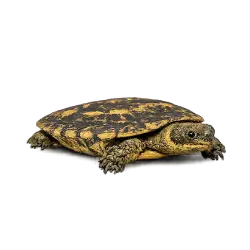
Pancake Tortoise

Species principle: Flexible Shelter

Wedge into stone.

Protection is strongest when it can bend into the only opening available.

Pancake Tortoises have unusually flat, flexible shells and can wedge into narrow rock crevices to escape predators instead of relying on a high domed shell.

Plains Vizcacha (Lagostomus maximus) thumbnail image on AnimalDex

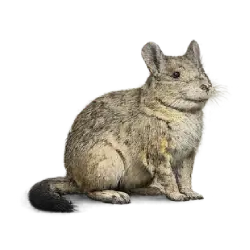
Plains Vizcacha

Species principle: Burrow Society

Build the neighborhood.

Security grows when many lives share the work of shelter.

Plains Vizcachas live in social colonies and build extensive burrow systems called vizcacheras, which provide refuge on open grasslands.

Red-footed Tortoise (Chelonoidis carbonarius) thumbnail image on AnimalDex

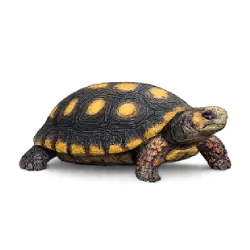
Red-footed Tortoise

Species principle: Patient Travel

Carry the road.

A long road yields to the one willing to carry shelter with every step.

Red-footed Tortoises are terrestrial tortoises with sturdy shells, omnivorous diets, and slow persistent movement through forest and savanna edges.

Sedge Wren (Cistothorus stellaris) thumbnail image on AnimalDex

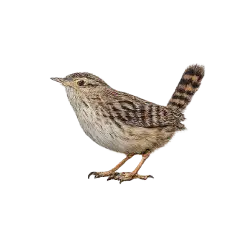
Sedge Wren

Species principle: Grass Weaving

Weave the sedge.

Small work becomes shelter when it is woven exactly where life bends.

Sedge Wrens build nests from grasses and sedges in wet meadows and marshy fields, moving through dense vegetation with tiny agile bodies.

Southern Hairy-nosed Wombat (Lasiorhinus latifrons) thumbnail image on AnimalDex

Southern Hairy-nosed Wombat

Species principle: Dryland Shelter

Dig for cool.

Safety becomes stronger when the refuge is deep enough for harsh seasons.

Southern Hairy-nosed Wombats dig extensive burrow systems in dry regions, using the shelter to avoid heat, conserve moisture, and live in social warrens.

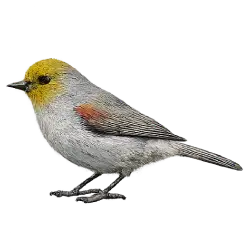
Verdin (Auriparus flaviceps) thumbnail image on AnimalDex

Verdin

Species principle: Desert Weaving

Weave the thorn.

Tiny work can make shelter even in a thorny place.

Verdins build enclosed nests in thorny desert shrubs, using small bills and steady construction to create shelter in arid environments.

Explore related indexes