AnimalDex
en
Back to Qualities

Animal Qualities

Strategic Blending

Lose the edge.

Animals grouped here express a similar quality through their behavior in nature. Each species still has its own principle, lesson, meaning, and field-guide page.

8 species

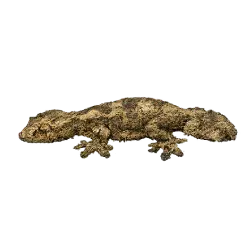
Giant Leaf-tailed Gecko (Uroplatus fimbriatus) thumbnail image on AnimalDex

Giant Leaf-tailed Gecko

Species principle: Total Camouflage

Lose the edge.

The deepest hiding happens when your edges disappear into the world.

Giant Leaf-tailed Geckos have flattened bodies, fringed skin, cryptic coloration, and leaf-like tails that help them vanish against bark and lichen-covered surfaces.
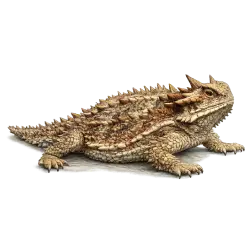
Horned Lizard (Phrynosoma cornutum) thumbnail image on AnimalDex

Horned Lizard

Species principle: Spiny Armor

Armor the ground.

Protection and concealment can work together.

Horned lizards combine flattened bodies, spines, camouflage, and defensive behaviors to survive exposed ground habitats.

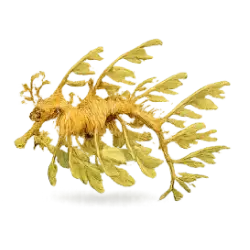
Leafy Seadragon (Phycodurus eques) thumbnail image on AnimalDex

Leafy Seadragon

Species principle: Living Camouflage

Become the seaweed.

The deepest disguise is not hiding near the world, but becoming its shape.

Leafy Seadragons have leaf-like appendages and slow drifting movement that help them resemble floating seaweed in southern Australian waters.

Leopoldi Stingray animal lesson image on AnimalDex

Leopoldi Stingray

Species principle: Hidden Glide

Glide unseen.

Concealment is strongest when movement matches the floor beneath it.

Leopoldi Stingrays are bottom-dwelling freshwater rays with flattened bodies and patterned camouflage.

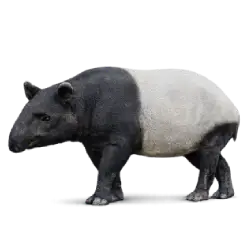
Malayan Tapir (Tapirus indicus) thumbnail image on AnimalDex

Malayan Tapir

Species principle: Contrast Camouflage

Hide in contrast.

A bold contrast can hide a body when the shadows already speak in patches.

Malayan Tapirs have a black-and-white saddle pattern that disrupts their outline in dark forest. They browse with flexible snouts and move through dense tropical habitats.

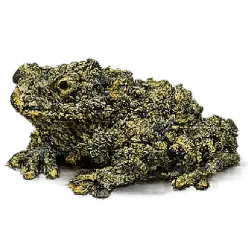
Mossy Frog (Theloderma corticale) thumbnail image on AnimalDex

Mossy Frog

Species principle: Place-Mimicry

Become the moss.

Copy the place so well that danger reads you as landscape.

Mossy Frogs have bumpy green, brown, and black skin that resembles moss and lichen on wet rocks, helping them hide from predators.

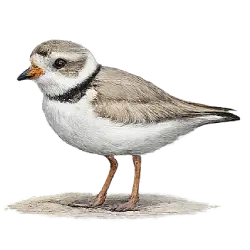
Piping Plover (Charadrius melodus) thumbnail image on AnimalDex

Piping Plover

Species principle: Beach Discretion

Vanish on sand.

In exposed places, survival comes from moving lightly and disappearing quickly.

Piping Plovers nest and forage on open sandy beaches, using pale plumage, quick stop-start movement, and camouflage to avoid detection.

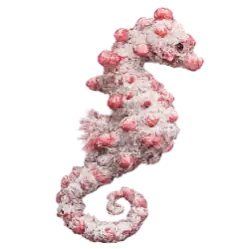
Pygmy Seahorse (Hippocampus bargibanti) thumbnail image on AnimalDex

Pygmy Seahorse

Species principle: Perfect Fit

Become the coral.

Belong so precisely that the world cannot tell where you end.

Pygmy Seahorses have tiny bodies, tubercles, and coloration that closely match their gorgonian coral hosts, making them extremely difficult to see.

Explore related indexes