AnimalDex
en
Back to Qualities

Animal Qualities

Voice

Walk with thunder.

Animals grouped here express a similar quality through their behavior in nature. Each species still has its own principle, lesson, meaning, and field-guide page.

34 species

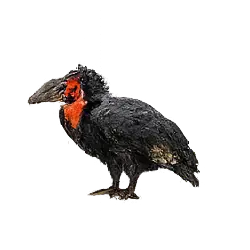
Abyssinian Ground Hornbill (Bucorvus abyssinicus) thumbnail image on AnimalDex

Abyssinian Ground Hornbill

Species principle: Grounded Power

Walk with thunder.

Not every powerful thing needs to leave the ground.

Abyssinian Ground Hornbills are large terrestrial hornbills that walk across savannas and open habitats, using strong bills, deep calls, and long legs while hunting small animals.
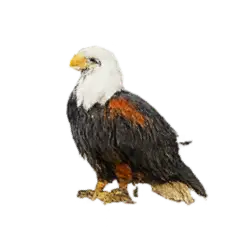
African Fish Eagle (Haliaeetus vocifer) thumbnail image on AnimalDex

African Fish Eagle

Species principle: Lake Dominion

Call over water.

Power is clearest when voice, perch, and strike all know the same water.

African Fish Eagles perch near lakes and rivers, use ringing calls, sharp vision, and strong talons to hunt fish and defend territories.

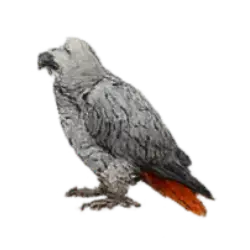
African Grey Parrot (Psittacus erithacus) thumbnail image on AnimalDex

African Grey Parrot

Species principle: Mimic Intelligence

Echo with mind.

A mind grows by listening so closely that the world enters its voice.

African Grey Parrots are highly intelligent birds known for vocal mimicry, social learning, problem-solving, and strong cognitive abilities.

American Bullfrog (Lithobates catesbeianus) thumbnail image on AnimalDex

American Bullfrog

Species principle: Amplification

Let it carry.

A small body can command space when its signal carries far enough.

American Bullfrogs use deep, resonant calls from ponds and wetlands to attract mates and defend breeding territories. Their enlarged vocal sacs amplify the call across water.

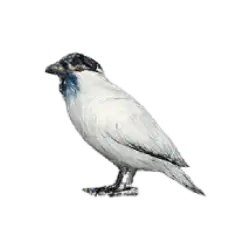
Bare-throated Bellbird (Procnias nudicollis) thumbnail image on AnimalDex

Bare-throated Bellbird

Species principle: Forest Volume

Ring the forest.

A voice can become a force of nature when it carries without apology.

Bare-throated Bellbirds produce extremely loud metallic calls used in courtship and territorial signaling, with males calling from exposed perches.

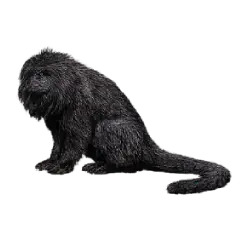
Black Howler Monkey (Alouatta caraya) thumbnail image on AnimalDex

Black Howler Monkey

Species principle: Canopy Resonance

Boom through leaves.

A voice can hold territory without rushing the body.

Black Howler Monkeys use enlarged hyoid bones to produce loud calls that carry through forest canopy, helping maintain spacing and social communication.

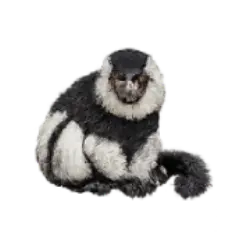
Black-and-white Ruffed Lemur (Varecia variegata) thumbnail image on AnimalDex

Black-and-white Ruffed Lemur

Species principle: Loud Kinship

Shout through the canopy.

Family bonds grow stronger when the forest can hear them clearly.

Black-and-white Ruffed Lemurs live in Madagascar forest canopies and use loud calls for spacing, alarm, and group contact while moving through trees.

Bowhead Whale (Balaena mysticetus) thumbnail image on AnimalDex

Bowhead Whale

Species principle: Deep Strength

Break ice slowly.

Some strength moves slowly because it is built to outlast the ice.

Bowhead Whales have massive bow-shaped skulls that can break sea ice, thick blubber for Arctic survival, long lifespans, and complex songs.

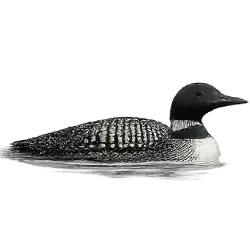
Common Loon (Gavia immer) thumbnail image on AnimalDex

Common Loon

Species principle: Deep Focus

Dive below, call above.

Mastery lives both below the surface and in the sound that returns.

Common Loons are powerful underwater divers with legs set far back for swimming and haunting vocalizations used across northern lakes.

Common Tree Frog (Hyla arborea) thumbnail image on AnimalDex

Common Tree Frog

Species principle: Adhesion

Stick and sing.

The right grip lets a small voice climb into the dark.

Common Tree Frogs use adhesive toe pads to climb vegetation and call from reeds, shrubs, or trees during wet breeding seasons.

Coscoroba Swan (Coscoroba coscoroba) thumbnail image on AnimalDex

Coscoroba Swan

Species principle: Simple Elegance

Call across white water.

A clean signal can make quiet water feel ceremonial.

Coscoroba Swans are white waterfowl with strong calls and graceful movement on lakes and wetlands of southern South America.

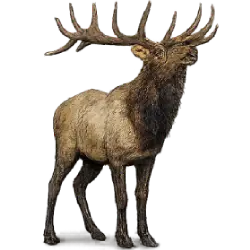
Elk (Cervus canadensis) thumbnail image on AnimalDex

Elk

Species principle: Valley Voice

Bugle the valley.

A great call can stitch distance into one living field.

Elk use powerful bugling calls during the rut and move in herds across forests, meadows, and valleys, combining size, sound, and social presence.

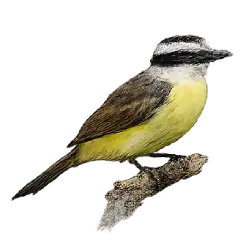
Great Kiskadee (Pitangus sulphuratus) thumbnail image on AnimalDex

Great Kiskadee

Species principle: Boldness

Call from the branch.

A clear call can turn readiness into presence.

Great Kiskadees are bold flycatchers with loud calls, strong bills, and flexible hunting behavior. They perch visibly near open ground or water and sally out to catch prey.

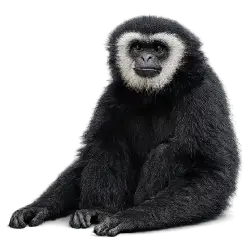
Hoolock Gibbon (Hoolock hoolock) thumbnail image on AnimalDex

Hoolock Gibbon

Species principle: Duet Movement

Swing and sing.

A life moves farther when motion and voice swing from the same rhythm.

Hoolock Gibbons travel through forest canopy by brachiation and use loud duet songs to maintain pair bonds and territory.

Humpback Whale (Megaptera novaeangliae) thumbnail image on AnimalDex

Humpback Whale

Species principle: Ocean Song

Sing the ocean road.

A long journey can still carry music across the deep.

Humpback Whales migrate long distances between feeding and breeding grounds and are known for complex songs, social behavior, and dramatic surface displays.

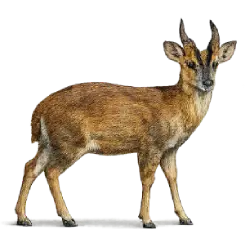
Indian Muntjac (Muntiacus muntjak) thumbnail image on AnimalDex

Indian Muntjac

Species principle: Forest Alarm

Bark through cover.

A small voice becomes protection when the whole forest understands it.

Indian Muntjacs are small forest deer known for bark-like alarm calls used when disturbed or threatened in dense vegetation.

Indri (Indri indri) thumbnail image on AnimalDex

Indri

Species principle: Songbound Motion

Leap with song.

Movement becomes memory when the forest can hear it.

Indris are large lemurs that leap between trees and use loud, haunting songs for territorial and social communication in Madagascar forests.

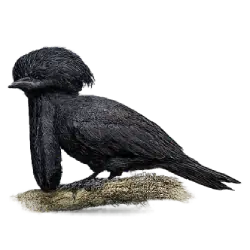
Long-wattled Umbrellabird (Cephalopterus penduliger) thumbnail image on AnimalDex

Long-wattled Umbrellabird

Species principle: Presentation

Make the body the message.

The message changes when the whole body becomes the signal.

Male Long-wattled Umbrellabirds have large crests and long throat wattles used in dramatic courtship displays and booming calls.

Explore related indexes