AnimalDex
en
Back to Qualities

Animal Qualities

Voice

Let presence travel.

Animals grouped here express a similar quality through their behavior in nature. Each species still has its own principle, lesson, meaning, and field-guide page.

34 species

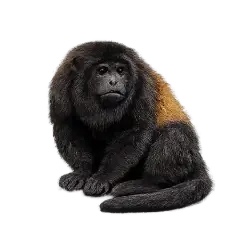
Mantled Howler Monkey (Alouatta palliata) thumbnail image on AnimalDex

Mantled Howler Monkey

Species principle: Distant Presence

Let presence travel.

Presence does not always need proximity; it can travel as sound.

Mantled Howler Monkeys have enlarged hyoid bones that enable loud calls carrying through forest canopy, supporting group spacing and communication.
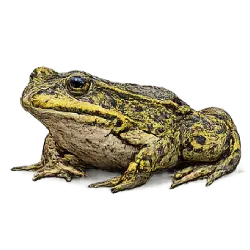
Marsh Frog (Pelophylax ridibundus) thumbnail image on AnimalDex

Marsh Frog

Species principle: Volume

Croak through reeds.

Energy becomes power when it has a place to sound.

Marsh Frogs use loud calls around ponds, rivers, and reed beds during breeding and territorial activity, while powerful hind legs let them leap through wetland edges.

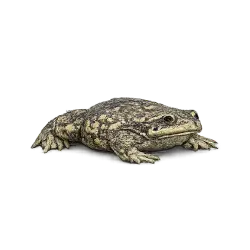
Pool Frog (Pelophylax lessonae) thumbnail image on AnimalDex

Pool Frog

Species principle: Small Voice

Ring the pond.

A small throat can still change the sound of a place.

Pool Frogs use vocal calls during breeding around ponds and wetlands, where males call to attract mates and maintain presence in aquatic habitats.

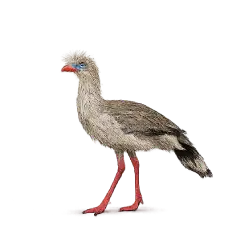
Red-legged Seriema (Cariama cristata) thumbnail image on AnimalDex

Red-legged Seriema

Species principle: Stride Voice

Stride and call.

A clear step and a far voice can carry confidence through open ground.

Red-legged Seriemas are long-legged terrestrial birds that stride through grasslands and scrub and use loud far-carrying calls.

Reeves's Muntjac (Muntiacus reevesi) thumbnail image on AnimalDex

Reeves's Muntjac

Species principle: Small Alarm

Bark the warning.

A small body can carry a sound large enough to change the forest.

Reeves's Muntjacs are small deer known for loud bark-like alarm calls used when disturbed or threatened in dense cover.

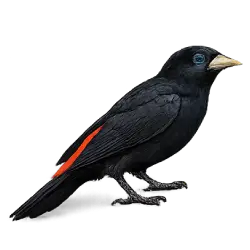
Scarlet-rumped Cacique (Cacicus uropygialis) thumbnail image on AnimalDex

Scarlet-rumped Cacique

Species principle: Colony Craft

Sing the nest up.

Shared voices can build a home that sways above danger.

Scarlet-rumped Caciques are social birds that nest in colonies and weave long hanging nests, using loud calls and group structure in forest canopies.

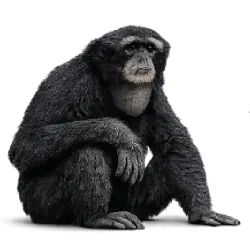
Siamang (Symphalangus syndactylus) thumbnail image on AnimalDex

Siamang

Species principle: Union

Swing the song.

Movement and voice become stronger when they rise from the same body.

Siamangs use long arms for brachiation and an inflatable throat sac to produce loud calls, often in bonded pair duets that carry through the forest canopy.

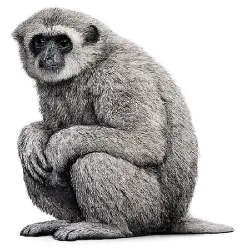
Silvery Gibbon animal lesson image on AnimalDex

Silvery Gibbon

Species principle: Canopy Song

Sing through branches.

A voice travels farther when the body is built for open branches.

Silvery Gibbons move through forest canopies by brachiation and use loud calls to communicate, maintain pair bonds, and mark territories.

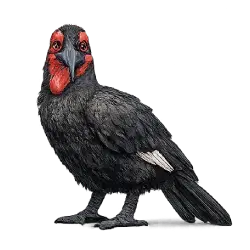
Southern Ground Hornbill (Bucorvus leadbeateri) thumbnail image on AnimalDex

Southern Ground Hornbill

Species principle: Ground Authority

Walk the boom.

Walking becomes power when every step announces presence.

Southern Ground Hornbills walk through savannah and woodland in family groups, using deep booming calls and large bills to forage for reptiles, insects, and small animals.

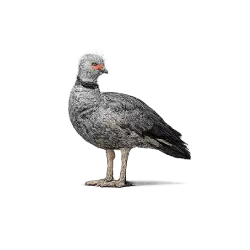
Southern Screamer (Chauna torquata) thumbnail image on AnimalDex

Southern Screamer

Species principle: Marsh Alarm

Sound the marsh.

A strong warning protects more than the one who gives it.

Southern Screamers are large wetland birds with extremely loud calls and watchful behavior in marshes and open wetlands.

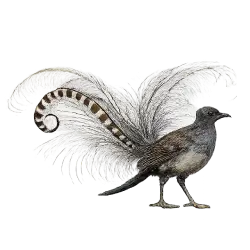
Superb Lyrebird (Menura novaehollandiae) thumbnail image on AnimalDex

Superb Lyrebird

Species principle: Sound Mimicry

Collect the forest.

A great gift can turn the whole world into material.

Superb Lyrebirds are famous vocal mimics, copying other birds and environmental sounds during elaborate courtship displays.

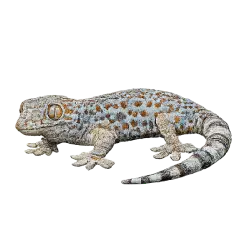
Tokay Gecko (Gekko gecko) thumbnail image on AnimalDex

Tokay Gecko

Species principle: Grip Voice

Grip and call.

Hold your place so clearly that the night hears you.

Tokay Geckos use adhesive toe pads to climb walls and trees, and males are known for loud territorial calls at night.

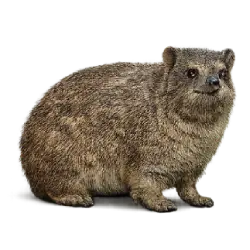
Tree Hyrax (Dendrohyrax arboreus) thumbnail image on AnimalDex

Tree Hyrax

Species principle: Night Voice

Call from the bark.

A small body can fill the dark when its signal belongs to the trees.

Tree Hyraxes are nocturnal, tree-dwelling mammals with gripping feet and loud calls that carry through forest at night.

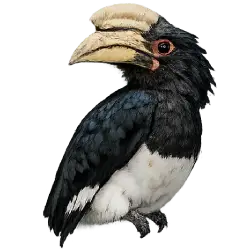
Trumpeter Hornbill (Bycanistes bucinator) thumbnail image on AnimalDex

Trumpeter Hornbill

Species principle: Heralding

Sound the canopy.

A voice carries farther when it is shaped for the forest.

Trumpeter Hornbills move through forest canopies and use loud ringing calls, along with large bills and casques typical of hornbills.

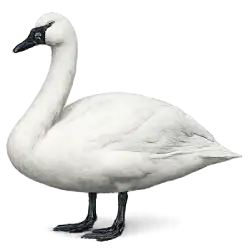
Trumpeter Swan (Cygnus buccinator) thumbnail image on AnimalDex

Trumpeter Swan

Species principle: Grandeur

Sound the lake.

A clear voice can make a quiet place feel vast.

Trumpeter Swans are large swans with resonant trumpet-like calls, strong pair bonds, and powerful presence on lakes, wetlands, and breeding territories.

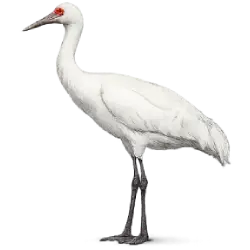
Whooping Crane (Grus americana) thumbnail image on AnimalDex

Whooping Crane

Species principle: Return Call

Bugle the return.

A clear voice can help a species find its way back.

Whooping Cranes are famous for loud bugling calls and long migration, and their recovery has depended on conservation and guided population rebuilding.

Explore related indexes