
Prinsip Opportunity Recycling
Apa yang Bisa Kita Pelajari dari Common Flesh Fly?
Common Flesh Fly mengajarkan opportunity recycling: Some opportunities do not last long. Notice them quickly, arrive prepared, and turn what others avoid into useful momentum.
Carrion-Window Resource Conversion
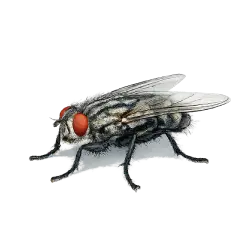
Pelajaran AnimalDex
Prinsip Opportunity Recycling
Jawaban singkat
Common Flesh Fly mengajarkan opportunity recycling. Some opportunities do not last long. Notice them quickly, arrive prepared, and turn what others avoid into useful momentum. Tafsiran ini berpijak pada perilaku nyata: Common Flesh Flies use fast detection and rapid reproduction around carrion or decaying organic matter. Their larvae develop on temporary resources that disappear quickly, so the animal’s power is timing, conversion, and tolerance for messy but useful openings.
Pelajaran dari Common Flesh Fly
Pelajaran inti
Use the window.
Some opportunities do not last long. Notice them quickly, arrive prepared, and turn what others avoid into useful momentum.
Pelajaran dari alam ini mengajak kita memperhatikan strategi di balik perilaku hewan, lalu memakai pola itu dengan bijak dalam hidup kita.
Contoh dalam kehidupan
Cara memakai pelajaran ini
Situasinya
Use Common Flesh Fly energy when the useful work is not glamorous: identify the temporary opening, move quickly, and convert neglected material into progress before the window closes.
Pelajaran hewan
Some opportunities do not last long. Notice them quickly, arrive prepared, and turn what others avoid into useful momentum.
Tindakan sederhana
Use the window.
Perilaku di balik pelajaran
Common Flesh Flies use fast detection and rapid reproduction around carrion or decaying organic matter. Their larvae develop on temporary resources that disappear quickly, so the animal’s power is timing, conversion, and tolerance for messy but useful openings.
Perilakunya nyata. Pelajaran hidupnya adalah tafsiran manusia yang terinspirasi dari perilaku itu, bukan klaim ilmiah tentang kehidupan manusia.
Cocok untuk
Gunakan pelajaran ini sebagai pengingat saat menghadapi momen-momen berikut.
Pertanyaan yang sering diajukan
Apa yang bisa kita pelajari dari Common Flesh Fly?
Common Flesh Fly mengajarkan Opportunity Recycling. Some opportunities do not last long. Notice them quickly, arrive prepared, and turn what others avoid into useful momentum.
Apa pelajaran utama dari Common Flesh Fly?
Pelajaran utamanya adalah: Use the window. Some opportunities do not last long. Notice them quickly, arrive prepared, and turn what others avoid into useful momentum.
Bagaimana cara menerapkan pelajaran Common Flesh Fly dalam kehidupan nyata?
Gunakan pelajaran ini saat sesuai dengan situasimu: Use Common Flesh Fly energy when the useful work is not glamorous: identify the temporary opening, move quickly, and convert neglected material into progress before the window closes.
Mengapa Common Flesh Fly dikaitkan dengan Opportunity Recycling?
Hubungannya berasal dari perilaku yang dapat diamati. Common Flesh Flies use fast detection and rapid reproduction around carrion or decaying organic matter. Their larvae develop on temporary resources that disappear quickly, so the animal’s power is timing, conversion, and tolerance for messy but useful openings.
Apakah pelajaran hewan ini ilmiah?
Perilaku biologisnya nyata, sedangkan pelajaran hidupnya adalah tafsiran yang terinspirasi dari perilaku tersebut.
Terus jelajahi Common Flesh Fly
Temukan pelajaran hewan di dunia nyata
AnimalDex membantu kamu memindai hewan, mengoleksi spesies, dan mempelajari apa yang bisa diajarkan perilaku hewan nyata tentang bertahan hidup, emosi, naluri, dan kecerdasan.
Jelajahi Ensiklopedia HewanLanjut menjelajah
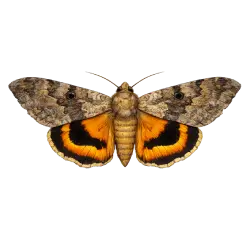
Fruit-Piercing Timing
Apa yang bisa kita pelajari dari Common fruit-piercing moth?
Wait, pierce, feed.