
Animal field guide
Flying Fox
Identification, habitat, rarity, behavior, symbolism, facts, and practical lessons from nature.

AnimalDex card
Unlock this animal card
Scan or capture this animal with AnimalDex to reveal its collectible card and add it to your wildlife collection.
Get AnimalDexAnimal field guide
Flying Fox
Strategic Foraging
Choose the best.
Flying Foxes focus on high-energy fruits and nectar, optimizing their foraging efforts to sustain their large energy needs.
No captures yet
Native range
Natural range, not this capture location
Native range keys: southeast_asia.
Search near meAnimalDex stats
Dominance
18
Speed
53
Size
13
Intelligence
23
Rarity
44%
Total
151
Size scale
Scientific name
Epalzeorhynchos kalopterus
Category
Mammal
Habitat
Native range keys: southeast_asia.
Rarity
Relatively common · 44/100
Native range
Native range keys: southeast_asia.
Why Strategic Foraging?
The creator's reasoning behind this Animal Principle and the biology that supports it.
The Gliding Algae Grazer. The Gliding Algae Grazer. Steady, methodical effort can quietly keep even large problems under control.
How to identify a Flying Fox
- Recognized in AnimalDex as Flying Fox
- Indexed profile #1970
Habitat: Native range keys: southeast_asia.
Native range: Native range keys: southeast_asia.
Native range
Natural range, not this specific capture location.
Native range keys: southeast_asia.
To find Flying Fox in the wild, focus on the exact habitat patches that match its body design and daily behavior, not just the broad country where it exists. You usually do better by working one good piece of habitat inside native range keys: southeast_asia. than by covering too much ground.
- Native range keys: southeast_asia.
- Protected habitat blocks within native range keys: southeast_asia.
- Start early, pick one strong patch of habitat, and stay long enough for movement to return after you arrive.
- Look for food, cover, and movement routes in the same place, because the best sightings usually happen where those overlap.
- Slow down and scan shapes, outlines, and eye-level silhouettes; many good sightings come from noticing what does not move.
Flying Fox leans heavily toward animal prey but can be opportunistic when needed. Canids often balance endurance, cooperation, and local food availability.
- Mammals and other vertebrate prey
- Smaller animals that are easier to catch
- Occasional scavenged food depending on context
Pack behavior, territory size, and competition shape how much energy a canid spends to secure food.
- Prioritize resources that offer the most nourishment.
Flying Fox most often symbolizes strategic foraging in AnimalDex because its real survival behavior repeatedly shows this pattern.
Flying Foxes focus on high-energy fruits and nectar, optimizing their foraging efforts to sustain their large energy needs.
Flying Foxes are known for their selective feeding habits, often seeking out the most nutrient-rich fruits and flowers to meet their dietary requirements.
- Observe from a respectful distance and avoid changing the animal's behavior.
- Do not block feeding, shelter, nesting, or travel routes.
- Use a live camera capture without handling or staging wildlife.
Related animals
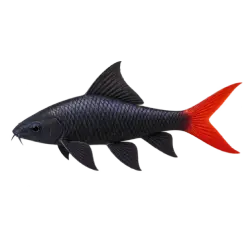
Red-tailed Black Shark
The Solitary Tank Patroller. The Solitary Tank Patroller. Guarded persistence can…
Read species guide
Large Flying Fox
The Large Flying Fox teaches unseen contribution. As it moves through the night, it…
Read species guide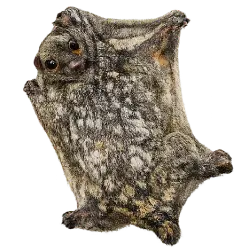
Sunda Flying Lemur
Sunda Flying Lemur is a mammal known for full-body gliding membrane, large…
Read species guideMore animals with Resourcefulness
Browse all Resourcefulness animals

Take the encyclopedia outside
AnimalDex helps you scan real animals, identify species, collect cards, and learn from nature wherever you are.