
Animal field guide
Molly Fish
Identification, habitat, rarity, behavior, symbolism, facts, and practical lessons from nature.
Animal field guide
Molly Fish
Adaptive Flow Pattern
Flow and adapt.
The marble molly thrives in diverse water conditions, demonstrating the importance of adapting to varying environments for survival and growth.
You’re #1 of 3
Native range
Natural range, not this capture location
Native range keys: domestic_global.
Wild reward hint
First-time wild species earn bonus rewards, including 1 free credit.
0/1 XP toward Level 2
AnimalDex stats
Dominance
5
Speed
20
Size
3
Intelligence
10
Rarity
4%
Total
42
Size scale
✦ Available actions
Compare this public animal when your deck meets the current rules.
Scientific name
Poecilia sphenops
Category
Fish
Habitat
Native range keys: domestic_global.
Rarity
Relatively common · 9/100
Native range
Native range keys: domestic_global.
Why Adaptive Flow Pattern?
The creator's reasoning behind this Animal Principle and the biology that supports it.
The Tireless Live-Bearer. The Tireless Live-Bearer. Steady effort and adaptability can sustain life in changing conditions.
How to identify a Molly Fish
- Recognized in AnimalDex as Molly Fish
- Indexed profile #1975
Habitat: Native range keys: domestic_global.
Native range: Native range keys: domestic_global.
Native range
Natural range, not this specific capture location.
Some regional overlays are unavailable in this web build.
Native range keys: domestic_global.
To find Molly Fish in the wild, focus on the exact habitat patches that match its body design and daily behavior, not just the broad country where it exists. You usually do better by working one good piece of habitat inside native range keys: domestic_global. than by covering too much ground.
- Native range keys: domestic_global.
- Protected habitat blocks within native range keys: domestic_global.
- Start early, pick one strong patch of habitat, and stay long enough for movement to return after you arrive.
- Look for food, cover, and movement routes in the same place, because the best sightings usually happen where those overlap.
- Choose a viewing point with clean light and water visibility, then watch for repeated surfacing, feeding, or current lines.
Molly Fish eats the foods its body design and habitat make easiest to access. Diet can shift across seasons, life stages, and local competition.
- The most accessible prey or plant foods in its habitat
- Energy-rich foods that match its size and behavior
- Seasonal resources available in the local environment
A practical answer for Molly Fish always depends on what food is actually available in native range keys: domestic_global..
- Embrace change and flow with your environment.
Molly Fish most often symbolizes adaptive flow pattern in AnimalDex because its real survival behavior repeatedly shows this pattern.
The marble molly thrives in diverse water conditions, demonstrating the importance of adapting to varying environments for survival and growth.
Marble mollies are known for their ability to live in a wide range of water conditions, from freshwater to brackish environments.
- Observe from a respectful distance and avoid changing the animal's behavior.
- Do not block feeding, shelter, nesting, or travel routes.
- Use a live camera capture without handling or staging wildlife.
Related animals
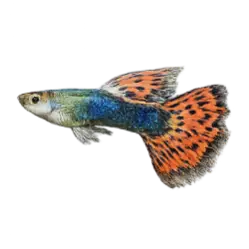
Fancy Guppy
The Fancy Guppy teaches Bright Variation through a tiny livebearer whose fins, colours,…
Read species guide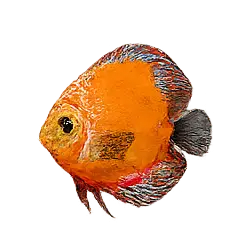
Discus Fish
Discus Fish is a fish known for round disc-shaped body, neon banded patterning, and…
Read species guide
Elephantnose Fish
The Elephantnose Fish teaches refined perception. In cloudy water, it finds its way…
Read species guideMore animals with Adaptability
Browse all Adaptability animals
Take the encyclopedia outside
AnimalDex helps you scan real animals, identify species, collect cards, and learn from nature wherever you are.