AnimalDex
en

Discover · collect · learn

Animal Encyclopedia

Explore a growing collection of animal guides covering identification, habitat, behavior, rarity, symbolism, and lessons from nature.

Use AnimalDex to scan animals in the real world, unlock species profiles, and build your own wildlife collection.

Find an animal

Search by animal name, species, trait, habitat, or location.

Featured animals

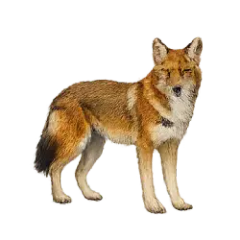
Start with animals whose biology and behavior reveal distinctive ways of sensing, surviving, and living together.
Explore by type

Browse animals the way people naturally discover them—from pets and birds to reptiles, marine life, and endangered species.

All animal guides

Filter the AnimalDex encyclopedia by rarity, location, or alphabet.

Showing 48 of 192 species

Acorn Weevil (Scientific classification under review) thumbnail image on AnimalDex
#1422
AnimalDomesticated worldwideRelatively common

Acorn Weevil

Scientific classification under review

Acorn Weevil turns Acorn Drill into something visible: Use the narrow tool that reaches the hidden future. Its real power is not a generic bird or animal lesson, but the way drilling into acorns makes 'Specialization creates provision when the target is precise.' practical in daily survival. Acorn Weevils use long snouts to drill into acorns and lay eggs where larvae can develop inside the nut. That is why this species belongs here: its body, food, shelter, risks, and rhythm all point back to the same power.

Read species guide →
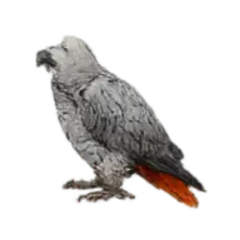
African Grey Hornbill (Scientific classification under review) thumbnail image on AnimalDex
#1491
AnimalDomesticated worldwideRelatively common

African Grey Hornbill

Scientific classification under review

African Grey Hornbill is a creator-why guide for Sealed-Nest Signal: its body only makes sense when habitat, food, danger, rest, and reproduction are read together. It lives around African savanna woodland, acacia country, and dry forest edges, feeds through insects, fruit, seeds, small reptiles, and small animals, and survives pressure from raptors, snakes, mammals, and nest raiders; that is why the principle is not decoration, but the exact strategy the animal uses to keep working in its niche.

Read species guide →
African Painted Wolf (Lycaon pictus) thumbnail image on AnimalDex
#1629
MammalNorth America +2Relatively common

African Painted Wolf

Lycaon pictus

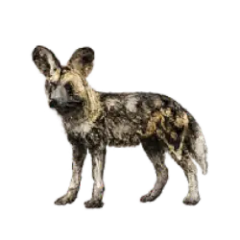
African Painted Wolf is the AnimalDex expression of Painted Pack Resolve: Let the chase belong to the whole body of the group. Its body and behavior answer the creator-why questions through real ecology: African Painted Wolves hunt cooperatively in packs, using endurance, communication, and social bonds to pursue prey. The habitat explains the pressure, the diet explains the energy, the predators explain the cost, and reproduction explains why the strategy has to continue.

Read species guide →
Alpaca (Vicugna pacos) thumbnail image on AnimalDex
#015
MammalSouth AmericaRelatively common

Alpaca

Vicugna pacos

The alpaca is a small camelid bred for soft fiber, gentle herd behavior, and cool high-elevation living.

Read species guide →
Amazon River Dolphin (Inia geoffrensis) thumbnail image on AnimalDex
#1868
MammalRelatively common

Amazon River Dolphin

Inia geoffrensis

River Dolphin explains Bendplay through a body and routine shaped for its exact problem. River Dolphins live in river systems with shifting channels, using echolocation, flexible bodies, and exploratory movement. The lesson is not generic: Play can be a way of learning an unpredictable habitat.

Read species guide →
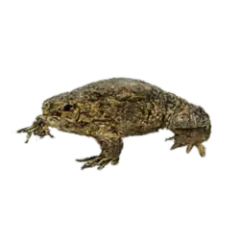
American Bullfrog (Lithobates catesbeianus) thumbnail image on AnimalDex
#028
AmphibianDomesticated worldwideRelatively common

American Bullfrog

Lithobates catesbeianus

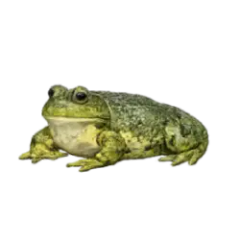
The American bullfrog is a large pond and marsh amphibian known for deep calls, strong hind legs, and broad tolerance for warm freshwater habitat.

Read species guide →
American Woodcock (Scolopax minor) thumbnail image on AnimalDex
#1470
AnimalRelatively common

American Woodcock

Scolopax minor

American Woodcock is a creator-why guide for Twilight Probe: its body only makes sense when habitat, food, danger, rest, and reproduction are read together. It lives around damp young woods, wet thickets, leaf litter, and open display clearings, feeds through earthworms and soil invertebrates probed from soft ground, and survives pressure from foxes, hawks, owls, snakes, cats, and raccoons; that is why the principle is not decoration, but the exact strategy the animal uses to keep working in its niche.

Read species guide →
Andean Mountain Cat (Leopardus jacobita) thumbnail image on AnimalDex
#1596
MammalDomesticated worldwideRelatively common

Andean Mountain Cat

Leopardus jacobita

Andean Mountain Cat expresses Thin-Air Solitude through real survival details, not a generic symbol. Its its long banded tail helps balance and signal in rocky terrain; because it lives in high Andean rocky slopes, puna grassland, cliffs, and sparse cold valleys and feeds on mountain viscachas, small rodents, birds, and high-altitude prey, the principle becomes practical: the animal survives by matching its body and choices to a very specific world.

Read species guide →
Ankole-Watusi Cattle (Bos taurus) thumbnail image on AnimalDex
#1666
MammalDomesticated worldwideRelatively common

Ankole-Watusi Cattle

Bos taurus

Watusi Cattle is the AnimalDex expression of Horned Heat Presence: Let the horns mark space while the body handles heat. Its body and behavior answer the creator-why questions through real ecology: Watusi Cattle are known for enormous horns that help with display and heat exchange, alongside hardy domestic cattle traits. The habitat explains the pressure, the diet explains the energy, the predators explain the cost, and reproduction explains why the strategy has to continue.

Read species guide →
Arctic Tern (Sterna paradisaea) thumbnail image on AnimalDex
#577
BirdArctic & AntarcticUncommon

Arctic Tern

Sterna paradisaea

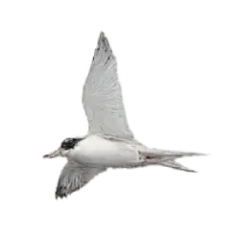
Arctic Tern is a bird known for planet-spanning migration, slender pointed wings, and precise fish-catching flight.

Read species guide →
Armadillo Girdled Lizard (Ouroborus cataphractus) thumbnail image on AnimalDex
#657
ReptileDomesticated worldwideRare

Armadillo Girdled Lizard

Ouroborus cataphractus

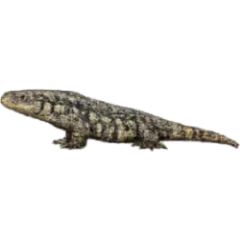
Armadillo Girdled Lizard is a reptile known for armor-like spiny scales, tail-grabbing defensive curl, and rock-crevice desert life.

Read species guide →
Armadillo Girdled Lizard (Ouroborus cataphractus) thumbnail image on AnimalDex
#1340
ReptileDomesticated worldwideRelatively common

Armadillo Girdled Lizard

Ouroborus cataphractus

Armadillo Lizard's power is Tail-Ring Shield: armored scales, tail-biting curl defense, and group sheltering in rocks. In rocky deserts and arid outcrops, this is not a decorative trait; it is how the animal turns curling armored defense into survival. The lesson is specific: use the exact body, rhythm, or tool that your world rewards, instead of forcing a strategy built for somewhere else.

Read species guide →
Aye-aye (Daubentonia madagascariensis) thumbnail image on AnimalDex
#853
PrimateVery rare

Aye-aye

Daubentonia madagascariensis

The aye-aye is a rare Madagascan primate known for huge ears, ever-growing teeth, and a long thin middle finger used to find food in wood.

Read species guide →
Banded Linsang (Prionodon linsang) thumbnail image on AnimalDex
#730
MammalSoutheast AsiaRare

Banded Linsang

Prionodon linsang

Banded Linsang is a mammal known for long ribbon-striped body, short catlike legs, and silent branch stalking.

Read species guide →
Banteng (Bos javanicus) thumbnail image on AnimalDex
#1562
AnimalSoutheast AsiaRelatively common

Banteng

Bos javanicus

Banteng expresses Tropical Wild Strength through real survival details, not a generic symbol. Its wild cattle power here is tied to heat tolerance and edge habitat; because it lives in Southeast Asian forest edges, dry deciduous forest, grasslands, and open grazing clearings and feeds on grasses, bamboo, leaves, shoots, fruit, and browse shaped by seasonal heat, the principle becomes practical: the animal survives by matching its body and choices to a very specific world.

Read species guide →
Bay Cat (Catopuma badia) thumbnail image on AnimalDex
#1624
MammalDomesticated worldwideRelatively common

Bay Cat

Catopuma badia

Bay Cat is the AnimalDex expression of Borneo Quiet Claim: Stay rare, low, and exact in the forest that hides you. Its body and behavior answer the creator-why questions through real ecology: Bay Cats are rare Bornean forest cats known from dense rainforest habitats and limited observations. The habitat explains the pressure, the diet explains the energy, the predators explain the cost, and reproduction explains why the strategy has to continue.

Read species guide →
Beira (Dorcatragus megalotis) thumbnail image on AnimalDex
#1000
MammalDomesticated worldwideVery rare

Beira

Dorcatragus megalotis

Beira is a mammal known for oversized alert ears, tiny gray-tan body, and rocky scrub sure-footing.

Read species guide →
Binturong (Arctictis binturong) thumbnail image on AnimalDex
#755
MammalSouth AsiaRare

Binturong

Arctictis binturong

The binturong is a shaggy Southeast Asian civet relative with a prehensile tail, arboreal habits, and a fruit-heavy diet that supports seed movement through forests.

Read species guide →
Black Rhinoceros (Diceros bicornis) thumbnail image on AnimalDex
#980
MammalSub-Saharan AfricaVery rare

Black Rhinoceros

Diceros bicornis

The black rhinoceros is a browsing rhino recognized by its two horns, hooked upper lip, and powerful body.

Read species guide →
Black-footed Cat (Felis nigripes) thumbnail image on AnimalDex
#285
MammalDomesticated worldwideUncommon

Black-footed Cat

Felis nigripes

Black-footed Cat teaches Tiny Ferocity through one of the smallest wild cats hunting as if size were irrelevant. Night walking, repeated strikes, arid-ground focus, and high prey success turn smallness into relentless output.

Read species guide →
Blakiston's Fish Owl (Bubo blakistoni) thumbnail image on AnimalDex
#1399
BirdRelatively common

Blakiston's Fish Owl

Bubo blakistoni

Fish Owl turns Riverbank Listening into something visible: Wait over water until sound and shadow agree. Its real power is not a generic bird or animal lesson, but the way night river fishing makes 'Precision improves when patience listens before it strikes.' practical in daily survival. Fish Owls hunt around rivers and wetlands, relying on strong talons, quiet watching, and water-edge patience to catch fish or aquatic prey. That is why this species belongs here: its body, food, shelter, risks, and rhythm all point back to the same power.

Read species guide →
Blue Tit (Cyanistes caeruleus) thumbnail image on AnimalDex
#1423
AnimalRelatively common

Blue Tit

Cyanistes caeruleus

Blue Tit is small but restless, using branch-level agility, curiosity, and precise feeding to work through trees that larger birds cannot exploit as finely.

Read species guide →
Bobcat (Lynx rufus) thumbnail image on AnimalDex
#069
MammalDomesticated worldwideRelatively common

Bobcat

Lynx rufus

Bobcat is a mammal known for short tail and spotted coat, quiet edge-country movement, and adaptable ambush hunting.

Read species guide →
Bootlace Worm (Lineus longissimus) thumbnail image on AnimalDex
#1367
Marine invertebrateRelatively common

Bootlace Worm

Lineus longissimus

Ribbon Worm's power is Soft Harpoon: extendable proboscis used from a soft hidden body to catch prey. In marine sediments and moist hidden places, this is not a decorative trait; it is how the animal turns extendable proboscis into survival. The lesson is specific: use the exact body, rhythm, or tool that your world rewards, instead of forcing a strategy built for somewhere else.

Read species guide →
Brown Pelican (Pelecanus occidentalis) thumbnail image on AnimalDex
#154
BirdRelatively common

Brown Pelican

Pelecanus occidentalis

The brown pelican is a coastal seabird famous for plunge-diving into water to catch fish with its pouch bill.

Read species guide →
Cacomistle (Bassariscus sumichrasti) thumbnail image on AnimalDex
#594
MammalUncommon

Cacomistle

Bassariscus sumichrasti

Cacomistle is a mammal known for long ringed balancing tail, catlike climbing agility, and large night-adapted eyes.

Read species guide →
California Scrub-Jay (Aphelocoma californica) thumbnail image on AnimalDex
#1508
AnimalRelatively common

California Scrub-Jay

Aphelocoma californica

Western Scrub-Jay is a creator-why guide for Cache Memory: its body only makes sense when habitat, food, danger, rest, and reproduction are read together. It lives around oak scrub, chaparral, woodlands, suburbs, and forest edges, feeds through acorns, seeds, insects, fruit, eggs, and small animals, and survives pressure from hawks, owls, cats, snakes, raccoons, and nest predators; that is why the principle is not decoration, but the exact strategy the animal uses to keep working in its niche.

Read species guide →
Canada Lynx (Lynx canadensis) thumbnail image on AnimalDex
#710
MammalNorth AmericaRare

Canada Lynx

Lynx canadensis

The Canada lynx is a cold-forest cat with tufted ears, oversized paws, and a strong link to snowshoe hare cycles.

Read species guide →
Caracal (Caracal caracal) thumbnail image on AnimalDex
#630
MammalNorth Africa & Middle EastUncommon

Caracal

Caracal caracal

The caracal is a sleek medium-sized cat known for black ear tufts, strong jumps, and hunting in dry-country habitats.

Read species guide →
Caribbean Cleaner Goby (Elacatinus evelynae) thumbnail image on AnimalDex
#1234
FishDomesticated worldwideRelatively common

Caribbean Cleaner Goby

Elacatinus evelynae

Cleaner Goby is framed by Station Service: a fish whose body and habits make sense in reefs. Its daily pattern centers on cleaning stations, turning a specific place into a working strategy rather than a backdrop. The field-guide reason is not just that it survives; it survives by matching food, shelter, risk, and movement into one recognizable principle.

Read species guide →
Cat (Felis catus) thumbnail image on AnimalDex
MammalDomesticated worldwideRelatively common

Cat

Felis catus

Cat is a mammal known for retractable claws, forward-facing predator eyes, and stalking and pouncing movement.

Read species guide →
Cattle Egret (Bubulcus ibis) thumbnail image on AnimalDex
#013
BirdDomesticated worldwideRelatively common

Cattle Egret

Bubulcus ibis

Cattle Egret is a bird known for short-necked egret shape, following-herds feeding habit, and adaptable open-country living.

Read species guide →
Cedar Waxwing (Bombycilla cedrorum) thumbnail image on AnimalDex
#1505
AnimalRelatively common

Cedar Waxwing

Bombycilla cedrorum

Cedar Waxwing is a creator-why guide for Shared Berry Grace: its body only makes sense when habitat, food, danger, rest, and reproduction are read together. It lives around woodland edges, orchards, river trees, suburbs, and berry patches, feeds through berries, fruit, flower petals, sap, and insects in breeding season, and survives pressure from hawks, cats, snakes, squirrels, and nest predators; that is why the principle is not decoration, but the exact strategy the animal uses to keep working in its niche.

Read species guide →
Cheetah (Acinonyx jubatus) thumbnail image on AnimalDex
#789
MammalNorth Africa & Middle EastRare

Cheetah

Acinonyx jubatus

Cheetahs are lightly built sprinting cats designed for speed, visual tracking, and quick open-ground hunts rather than brute-force wrestling.

Read species guide →
Chimpanzee (Pan troglodytes) thumbnail image on AnimalDex
#850
PrimateSub-Saharan AfricaRare

Chimpanzee

Pan troglodytes

The chimpanzee is an intelligent African ape famous for tool use, social politics, and expressive communication.

Read species guide →
Clark's Nutcracker (Nucifraga columbiana) thumbnail image on AnimalDex
#1390
AnimalRelatively common

Clark's Nutcracker

Nucifraga columbiana

Clark Nutcracker turns Pine-Cache Memory into something visible: Hide today’s food where winter will remember it. Its real power is not a generic bird or animal lesson, but the way thousands of seed caches makes 'Planning becomes real when memory is tied to place.' practical in daily survival. Clark’s Nutcrackers cache thousands of pine seeds and relocate many of them later, helping shape mountain pine ecosystems. That is why this species belongs here: its body, food, shelter, risks, and rhythm all point back to the same power.

Read species guide →
Coal Tit (Periparus ater) thumbnail image on AnimalDex
#1570
AnimalRelatively common

Coal Tit

Periparus ater

Coal Tit turns tiny size into storage strategy, caching food and moving through conifers with quick decisions that prepare for leaner moments.

Read species guide →
Coconut Octopus (Amphioctopus marginatus) thumbnail image on AnimalDex
#418
Marine invertebrateUncommon

Coconut Octopus

Amphioctopus marginatus

Coconut Octopus teaches Portable Shelter through a soft-bodied thinker that carries safety across exposed sand. Shell gathering, tool use, arm coordination, and seafloor walking make planning mobile.

Read species guide →
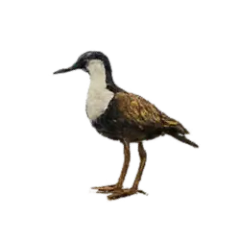
Collared Pratincole (Glareola pratincola) thumbnail image on AnimalDex
#1768
AnimalRelatively common

Collared Pratincole

Glareola pratincola

Pratincole expresses Groundwing through shorebird legs, swallow-like flight, aerial insect catching, and bare-ground nesting make the Groundwing principle specific rather than generic. The point is not a broad animal label; it is a survival design that shows why this creature belongs in AnimalDex.

Read species guide →
Common Chiffchaff (Phylloscopus collybita) thumbnail image on AnimalDex
#1547
AnimalRelatively common

Common Chiffchaff

Phylloscopus collybita

Common Chiffchaff is a leaf-level singer and insect hunter, making persistence visible through repeated calls and constant small movements.

Read species guide →
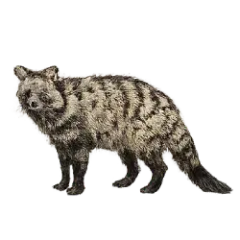
Common Genet (Genetta genetta) thumbnail image on AnimalDex
#164
MammalEuropeRelatively common

Common Genet

Genetta genetta

Common Genet is a mammal known for spotted cat-like body, long ringed tail, and agile night climbing.

Read species guide →
Common Green Bottle Fly (Lucilia sericata) thumbnail image on AnimalDex
#1169
InvertebrateDomesticated worldwideRelatively common

Common Green Bottle Fly

Lucilia sericata

Common Green Bottle Fly carries Shimmering through specific body design and repeated survival behavior. Its movement, feeding, and shelter choices make the principle practical instead of decorative.

Read species guide →
Common Pond Skater (Gerris lacustris) thumbnail image on AnimalDex
#1742
AnimalRelatively common

Common Pond Skater

Gerris lacustris

Pond Skater teaches Light-Footed Surface through the way pond Skaters use hydrophobic legs and surface tension to move across still water while detecting vibrations. A delicate method can carry weight when it respects the surface.

Read species guide →
Cougar (Puma concolor) thumbnail image on AnimalDex
#374
MammalNorth AmericaUncommon

Cougar

Puma concolor

The cougar is a large flexible cat of the Americas known for stealth, jumping strength, and a wide habitat range.

Read species guide →
Crane Fly (Tipulidae) thumbnail image on AnimalDex
#1152
BirdEuropeRelatively common

Crane Fly

Tipulidae

Crane Fly teaches Delicate Navigation because its real biology turns long-legged harmless fly traits into a usable survival lesson. The creator-why is not just appearance; habitat, food, danger, daily rhythm, lifespan, offspring, and sex differences all point back to how this animal solves its world.

Read species guide →
Cuttlefish (Sepiida) thumbnail image on AnimalDex
#121
Marine invertebrateRelatively common

Cuttlefish

Sepiida

Cuttlefish are intelligent cephalopods known for rapid color change, hovering control, and sophisticated body signaling in coastal marine habitats.

Read species guide →
De Brazza's Monkey (Cercopithecus neglectus) thumbnail image on AnimalDex
#1750
MammalRelatively common

De Brazza's Monkey

Cercopithecus neglectus

De Brazza Monkey teaches Beardreserve through white facial markings, riverine cover, secretive behavior, and controlled stillness. Reserve can become memorable when silence is intentional.

Read species guide →
Decorator Crab (Scientific classification under review) thumbnail image on AnimalDex
#1318
Marine invertebrateDomesticated worldwideRelatively common

Decorator Crab

Scientific classification under review

Decorator Crab's power is Borrowed Disguise: actively attaching local algae, sponges, or debris as camouflage. In reefs, rubble, sponge beds, and seaweed cover, this is not a decorative trait; it is how the animal turns decorated camouflage into survival. The lesson is specific: use the exact body, rhythm, or tool that your world rewards, instead of forcing a strategy built for somewhere else.

Read species guide →

Page 1 of 4

Explore more animal collections

Browse specialist collections without crowding the main AnimalDex navigation.

Take the encyclopedia outside

AnimalDex helps you scan real animals, identify species, collect cards, and learn from nature wherever you are.