

wildlife-experiences
How to Choose a Local Wildlife Guide
How to choose a local wildlife guide: the facts a listing should show, questions to ask, group size, honesty about sightings, and where AnimalDex fits.
Read the public facts
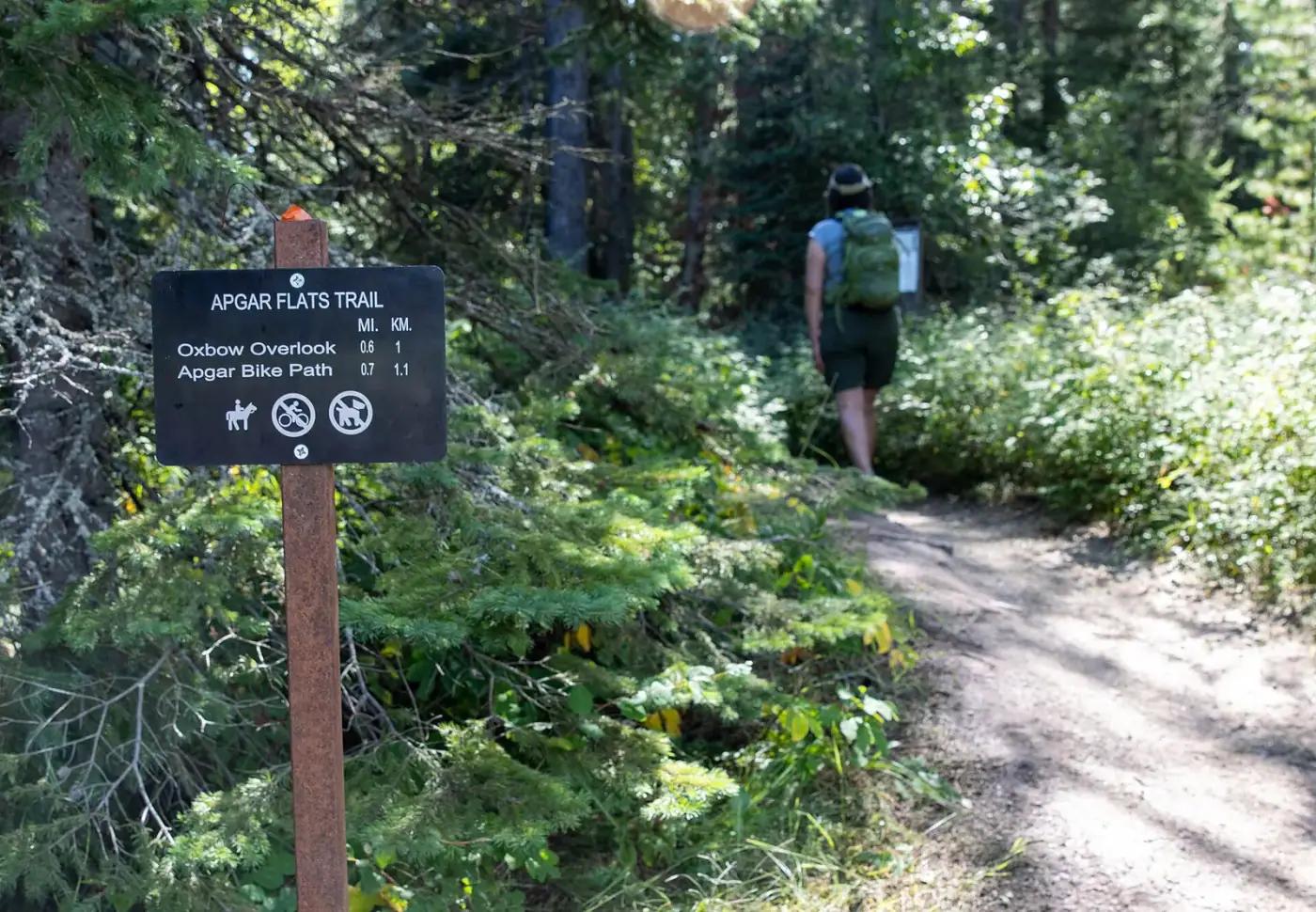
A good listing shows the kind of outing, a general public area, the duration, the guest cap and the price. That is enough to decide whether the outing fits you. A short, factual listing is also harder to game than a wall of five-star quotes.
Credentials help, but they are not a promise of sightings or of a perfect host, so the choosing is still yours.
The same test works for any local guide, on any platform. Can you see where you are going, for how long, with how many people, and for how much, before you commit? If any of those is missing, ask.
Virtual Wildlife Guides on AnimalDex
What a listing shows and what it leaves out
Use this table against any listing. The right-hand column is not proof of a bad Guide, but each entry is a question you should get answered before you book.
| Good sign | Ask about it, or walk away |
|---|---|
| One clear category (birding, herping, night, macro, shore, photography, general) | Everything at once, with every charismatic species in the area named |
| A general public area you can find on a map | A secret location, or private land with no permission mentioned |
| A duration that matches the activity (dawn for birds, dusk for herps, low tide for shore) | A fixed slot that ignores light, tide, or season |
| A small guest cap | No cap, or a cheaper price for bigger groups |
| Sightings described as possible, not promised | 'Guaranteed', 'you will see', or photos of handled animals |
| A clear per-person price, paid to the person leading you | Deposits to a third party, hidden fees, or tips demanded |
| A no-handling, no-baiting, no-playback rule | Feeding, calling in, or touching offered as the highlight |
Questions worth asking before you book
What is the meeting area, in general terms? What happens if it rains? What is off-limits? Do you need your own transport? A Guide who answers those plainly is easier to trust than one who only talks about rare animals. Ask in writing so the answers are on record.
Where do we meet?
A car park, a station, or a reserve entrance in general terms is fine. You do not need the exact owl tree; you do need to know how to get there and how far you will walk.
What is the plan if the weather turns?
Rain helps amphibians and ruins dawn birdsong. A good Guide says which it is for their category and whether they shorten, reschedule, or go anyway.
What will you not do?
You want to hear no handling, no feeding or baiting, no call playback, no lights held on animals, no leaving the path on sensitive ground.
Who else is coming?
The guest cap is on the listing; ask how many are already confirmed. Two people and a Guide is a different morning from six.
Is this suitable for me?
Say how far you can walk, whether you can stand still for twenty minutes, and whether children are coming. Honest Guides will say no when it does not fit.
How do I pay?
Get the total price, what it includes and how to pay in writing before the day. If someone asks for a transfer to a third party, stop.
Group size and why small matters
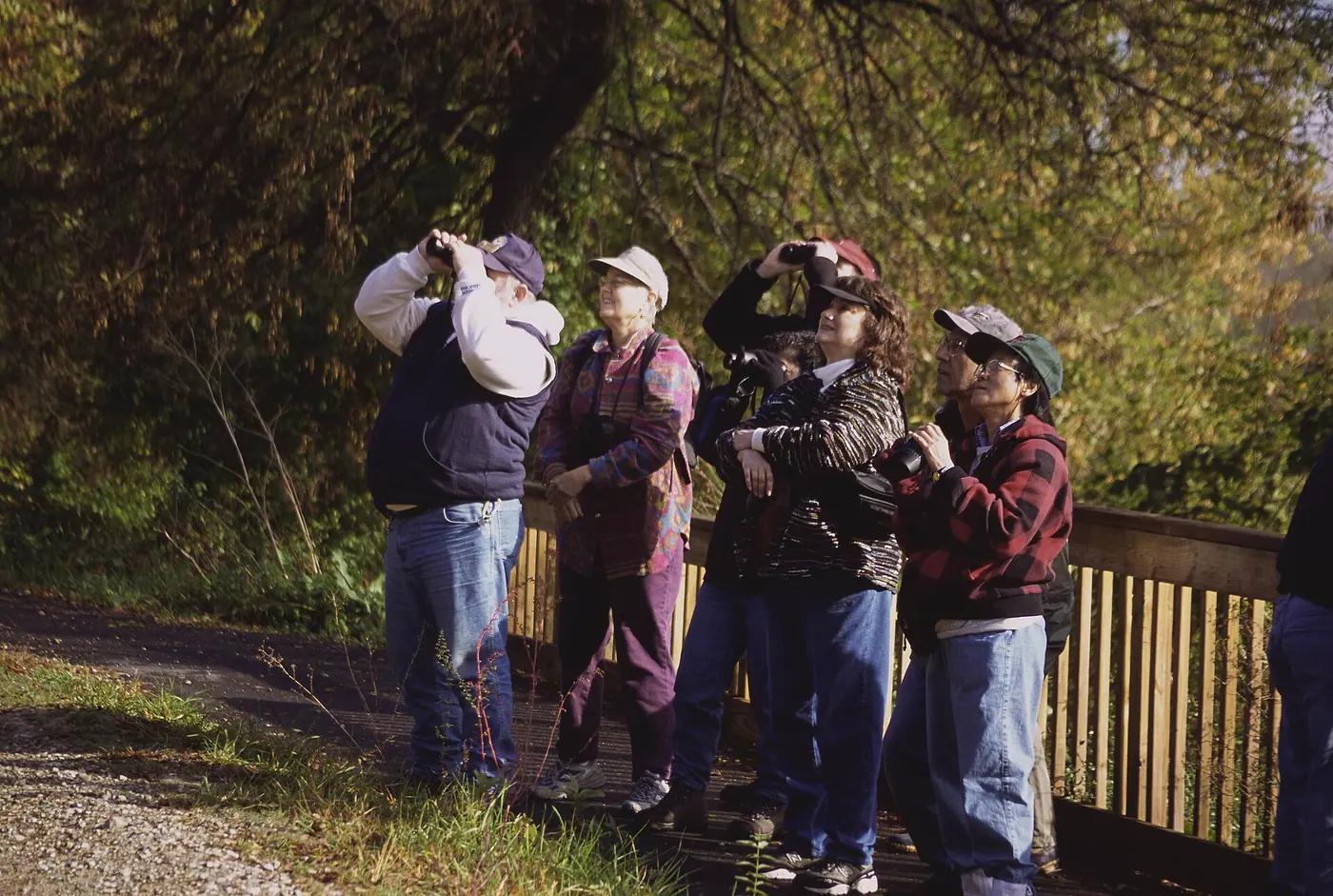
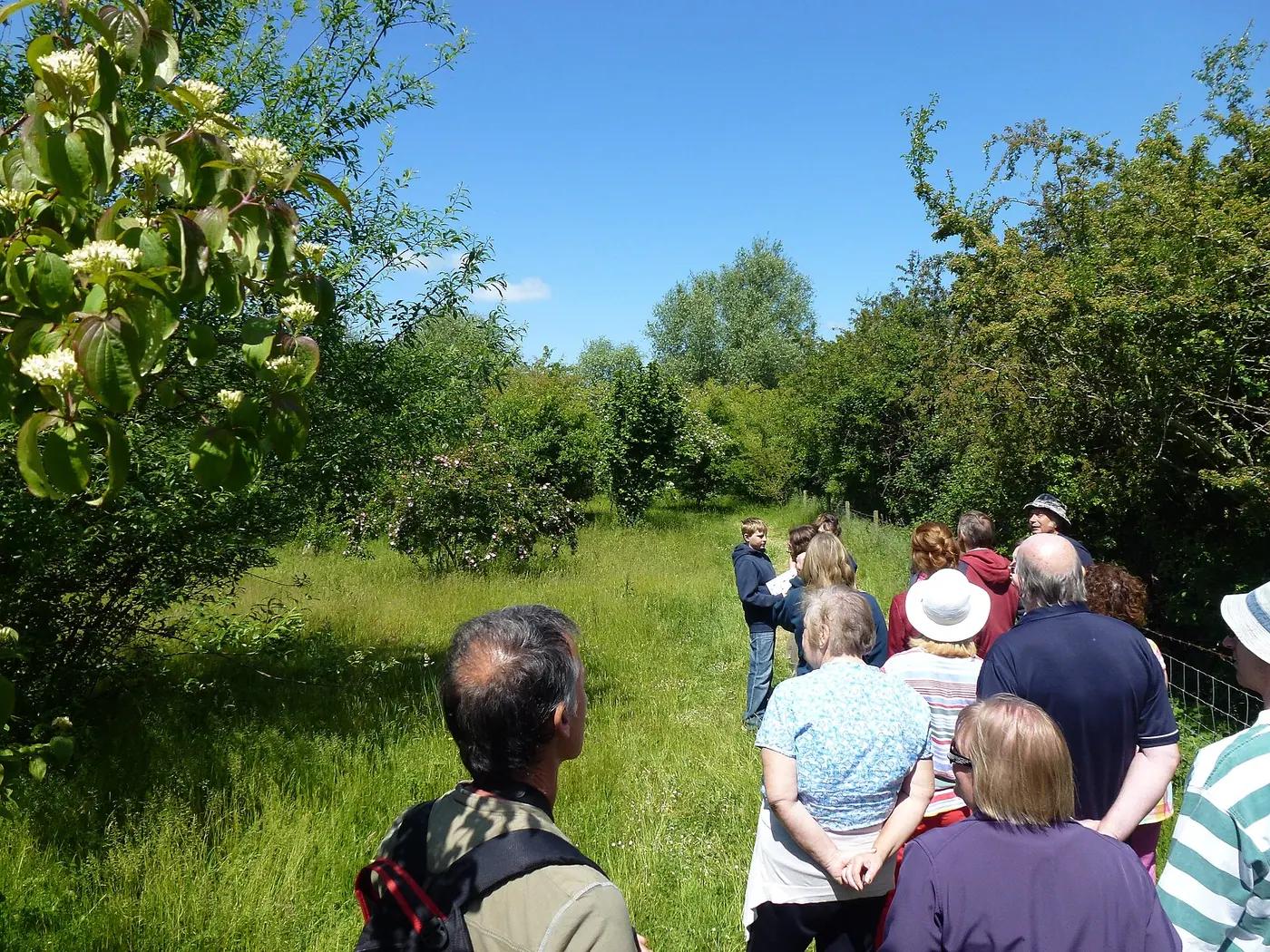
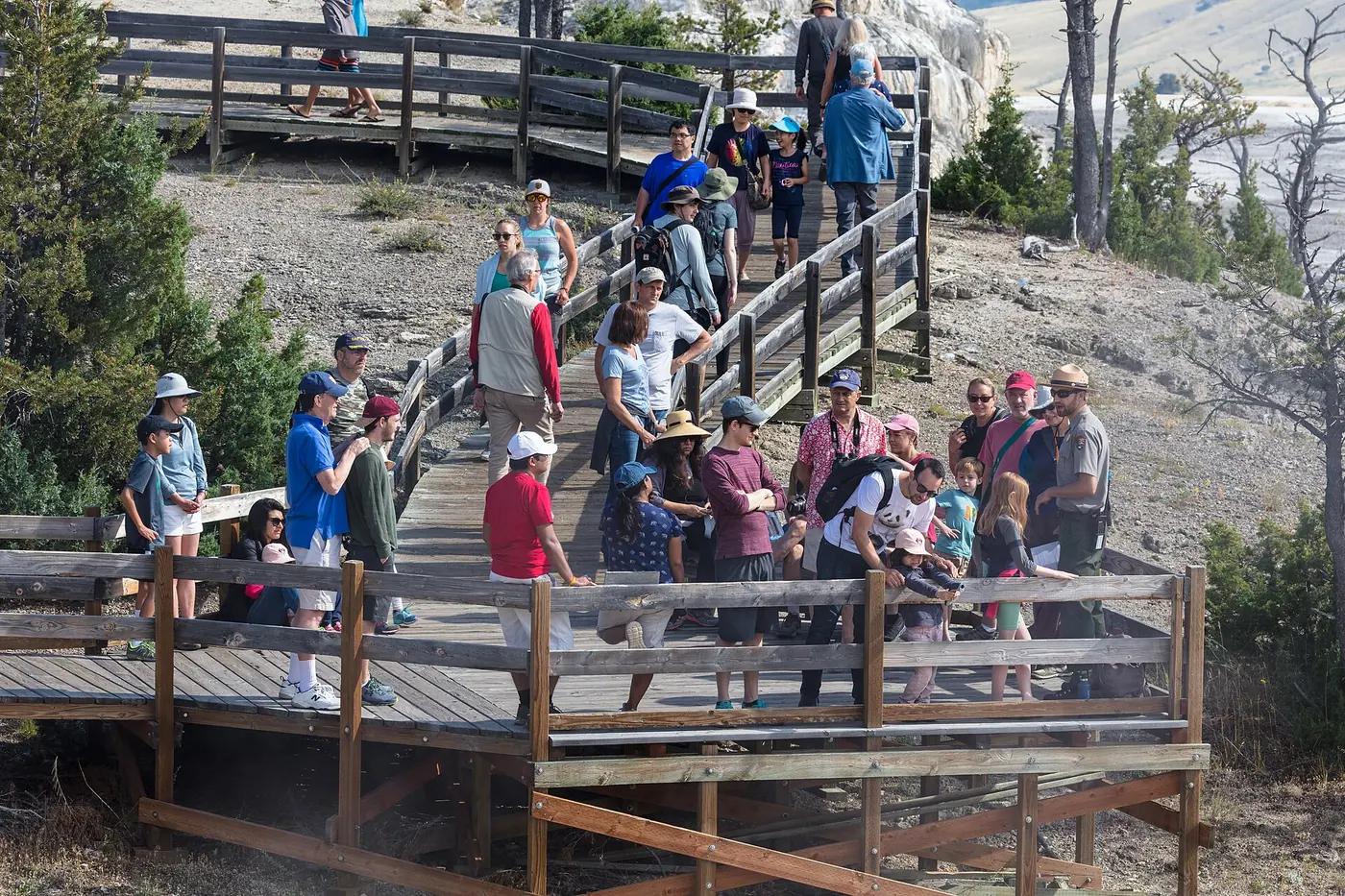
Wildlife is easier to see with fewer people. Six people walking a path make less noise than twenty, stop faster, and fit on a verge. A Guide can also keep a small group at a sensible distance from an animal, which is impossible when half the group is still arriving while the other half is already too close. A guest cap exists for that reason, not as a luxury feature.
Small groups also change what the Guide can tell you. With four people, a Guide can explain why a heron is standing where it is and show each person the field marks through their own binoculars. With a coach party, the Guide is counting heads.
Honesty about sightings is the main signal
Wild animals vary with season, weather, time of day, and luck. Shorebirds feed on a falling tide and roost at high water. Songbirds are loudest in the first hour after dawn in spring and go quiet by late morning. Amphibians move on mild wet nights and vanish in cold dry spells. Owls call most in autumn and late winter. A Guide who tells you this before you book is selling knowledge; one who promises a list is selling disappointment or disturbance.
The practical test is a single sentence. If the listing or the Guide's reply contains some version of sightings are not guaranteed, and then explains what you are likely to see in that season, you are talking to the right person.
A Guide who says 'probably not tonight, here is why' is worth more than one who says 'guaranteed'.
Where AnimalDex fits
AnimalDex does not list, book or run tours. Its Wildlife Guides are virtual: a guide to a place, built from the wild animals its author logged there. A buyer gets the author's notes on every animal (where, when and how they found it), a direct chat with the author, and introductions to local people the author met, where they can help. Buying is coming soon.
A virtual guide is advice from someone who has been there, not a tour. The author is not with you, and wildlife is never guaranteed. Any local guide or operator the author introduces is independent of AnimalDex; agree terms with them directly. The questions above still apply to anyone you book.
How buying a Wildlife Guide worksWhat makes a great ethical Wildlife Guide
After you book: what to bring and how to log
Bring what the category needs: binoculars for birds, a red-mode headlamp for night and herping, tide times and grippy shoes for the shore, a charged phone for everything. Then use the same app to identify and keep what you actually see. Captures are live in-app photos taken on the day, which keeps your collection honest and separate from the Guide's promises. The best outcome of a good Guide is that your own log, a month later, shows you looking in the right places without them.
Birding guide vs going aloneBest types of wildlife activities
Quick questions
Short answers to common questions readers ask on this topic.
- How do I choose a good wildlife guide?
- Pick a Guide whose listing shows one clear category, a general public area, a duration that fits the activity, a small guest cap, and a stated per-person price, and whose copy says sightings are not guaranteed. Then ask about weather plans, off-limits behaviour, transport, and group size. Plain answers to those questions matter more than any rating.
- What questions should I ask a wildlife tour guide?
- Ask where you meet in general terms, what happens if the weather turns, what the Guide will not do (handling, feeding, playback, lights on animals), how many guests are already confirmed, whether the walk suits your fitness or children, and how payment works. Ask in writing so the answers are on record.
- Does AnimalDex vet local wildlife guides?
- No. AnimalDex does not list or book in-person guides. Its Wildlife Guides are virtual guides written by people who logged wild animals at a place. Any local guide an author introduces is independent of AnimalDex, so check their permits and reviews and agree terms with them directly.
- Can I book a local wildlife guide on AnimalDex?
- No. AnimalDex does not book, take payment for or operate outings. A virtual guide can introduce you to local people its author met, but you arrange and pay any outing with them directly. Buying a virtual guide is coming soon.
- Is a small group better for a wildlife walk?
- Almost always. Fewer people make less noise, stop faster, and can be kept at a safe distance from animals. The Guide can explain field marks to each person instead of counting heads. A good listing carries a guest cap for this reason; ask how many places are already taken before you book.
Answer guides related to this topic
If you want direct comparisons and clear recommendations, continue with these answer-focused pages.
Best Animal Identification Apps
Compare the best animal identification apps by features like photo/video identification, species coverage, collection capabilities, offline use, and more.
What Is Animal Collecting
Learn what animal collecting means in modern apps and how AnimalDex turns real-world sightings into cards, sets, rarity, and species learning.
Pokemon-Like Animal App
Looking for a Pokemon-like animal app with real species? AnimalDex combines creature-collection energy with AI scanning and wildlife learning.
Related guides
wildlife-experiences
Birding Guide vs Going Alone: When a Local Guide Helps
Birding guide or go alone? When local timing and habitat knowledge are worth paying for, what a good birding Guide does on the day, and what to bring.
6 min read

How to Find Ethical Wildlife Experiences While Traveling
How to find ethical wildlife experiences when you travel: the tells of a staged encounter, tourist traps that look harmless, and questions to ask.
7 min read

Best Types of Wildlife Activities for Animal Lovers
Birding, herping, night walks, macro, shore time, and photography outings compared: what each is like, when to go, what to bring, and which listings match.
7 min read