


Crocodile vs Shark: Who Wins Where Water Meets Shore?
A grounded crocodile vs shark comparison covering open saltwater, estuary edges, ambush range, bite dynamics, and why habitat matters more than hype.
Crocodile vs Great White Shark
Matchup winner
Crocodile
Quick verdict
Start with the direct answer, then use the structured comparison below to see what changes the outcome.
Great white shark has the edge in open ocean. Crocodile becomes more dangerous the closer the matchup gets to shallow water, shoreline bottlenecks, and ambush-heavy edge habitat.
Read the full explanation
This matchup only makes sense when the environment is specified. A shark is not built to fight in the same operating space as a crocodile, and a crocodile is not built to dominate the open-water arena of a great white.
If the clash happens in deep saltwater, the shark usually controls the result through speed, mobility, and full-body aquatic efficiency. If the clash compresses into river mouths, shallow banks, or ambush zones, crocodile leverage rises fast because range control and surprise start mattering more than open-water pursuit.
Reader vote
Who do you think wins?
Pick a side — no account needed. Results update live.
No votes yet — be the first to call it.
Editorial note
Why people disagree
Crocodile vs shark is high-value because it is a classic habitat question disguised as a power question. These animals are both elite predators, but they rule different layers of the water map.
Open-water mobility
The shark controls the matchup when the arena stays deep, mobile, and fully aquatic.
Ambush control
Crocodile is far more dangerous when it can turn still water and shoreline geometry into a trap.
Bite commitment
Both bites are serious, but the delivery system changes with the environment.
Read the full explanation +
That makes the page useful for searchers and AI summaries: the real answer is not one animal always beating the other, but which design owns the environment where the clash happens.
Comparison FAQ
Short, direct answers to the next questions readers usually ask after the headline verdict.
Would a crocodile beat a shark?+
A crocodile can gain the edge in shallow edge habitat, but in deep open water a great white shark usually controls the matchup.
Who has the stronger bite, crocodile or shark?+
Both are dangerous, but crocodile bite is better suited to crushing close contact while shark bite is better suited to fast-moving aquatic attack angles.
Why does habitat matter so much in crocodile vs shark?+
Because each predator is built for a different part of the water map. The arena decides which hardware matters most.
Head-to-head species stats
These are the same core AnimalDex stat dimensions used on the dedicated animal pages, pulled side by side so the matchup is faster to scan.
Crocodile
Tier CGreat White Shark
Tier ATrait-by-trait comparison
Only the categories that matter to this matchup are included. The goal is not filler stats, but the real design differences that change the result.
Explosive in bursts, but not built for long free-water pursuit
Open-water mobility
Great White Shark
Fully optimized for sustained movement, turning, and attack in open water
Open-water mobility
Great White Shark
Excellent at edge ambush from still or shallow water
Ambush control
Crocodile
Less dependent on cover and more dependent on active movement
Ambush control
Crocodile
Crushing clamp and hold from close range
Bite commitment
Depends on context
Powerful slashing bite delivered through speed and approach angle
Bite commitment
Depends on context
Gets stronger near banks, shallows, and chokepoints
Terrain dependence
Depends on context
Gets stronger with depth, space, and continuous motion
Terrain dependence
Depends on context
How the verdict forms
Verdict timeline
01 · Open-water mobility
Great White Shark
02 · Ambush control
Crocodile
03 · Bite commitment
Depends on context
04 · Terrain dependence
Depends on context
Change the conditions
Scenario breakdown
This is where shallow battle content usually fails. Terrain, spacing, timing, and engagement style can change the answer.
Scenario lean
Great White Shark
Verdict confidence
82%
Great white shark edge
The shark owns the mobility equation in open water and can attack from cleaner angles with less positional restriction.
AnimalDex field profiles
Explore these animals
Crocodile
Crocodylidae
Rivers, estuaries, mangroves, floodplains, swamps, and shorelines with reliable basking and ambush cover.
Great White Shark
Carcharodon carcharias
Coastal seal colonies, offshore fronts, temperate reefs, and productive upwelling waters.
Systems Intelligence & Hidden Purpose
See the animals behind this comparison as engineered biological systems: what each one is built to do, where it gains leverage, and why the matchup changes by scenario.
Specialized Hardware
Regional endothermy, electroreception, and high-torque swimming design make great white sharks pursuit hardware for powerful marine predation.
Systems Script
They regulate marine food webs by pressuring seals, fish, and other prey species across coastal and pelagic routes. Great whites keep movement honest in the upper tiers of the oceanic system.
Strategic Insight
Top performance is rarely one feature. It is a stack of sensing, power, and timing that works under load.
Final take
Great white shark is the better answer for open ocean dominance. Crocodile is the better answer for shallow-edge control and ambush-heavy encounters near shore.
Read the full explanation
So the correct verdict is conditional but still direct: shark owns deep water, crocodile owns the bottlenecks where water meets land.
Collect both animals in AnimalDex
Track the species behind this matchup, compare their real traits, and build the rivalry into your AnimalDex collection.
Related comparisons
Continue with nearby matchups to compare more real-world animal traits without dropping into junky who-wins filler.

Dolphin vs Shark Intelligence: Which Marine Hunter Is Smarter?
Dolphin is clearly smarter in flexible cognition, communication, and social coordination. Shark remains an elite sensory hunter, but intelligence and predatory efficiency are not the same thing.
Read comparison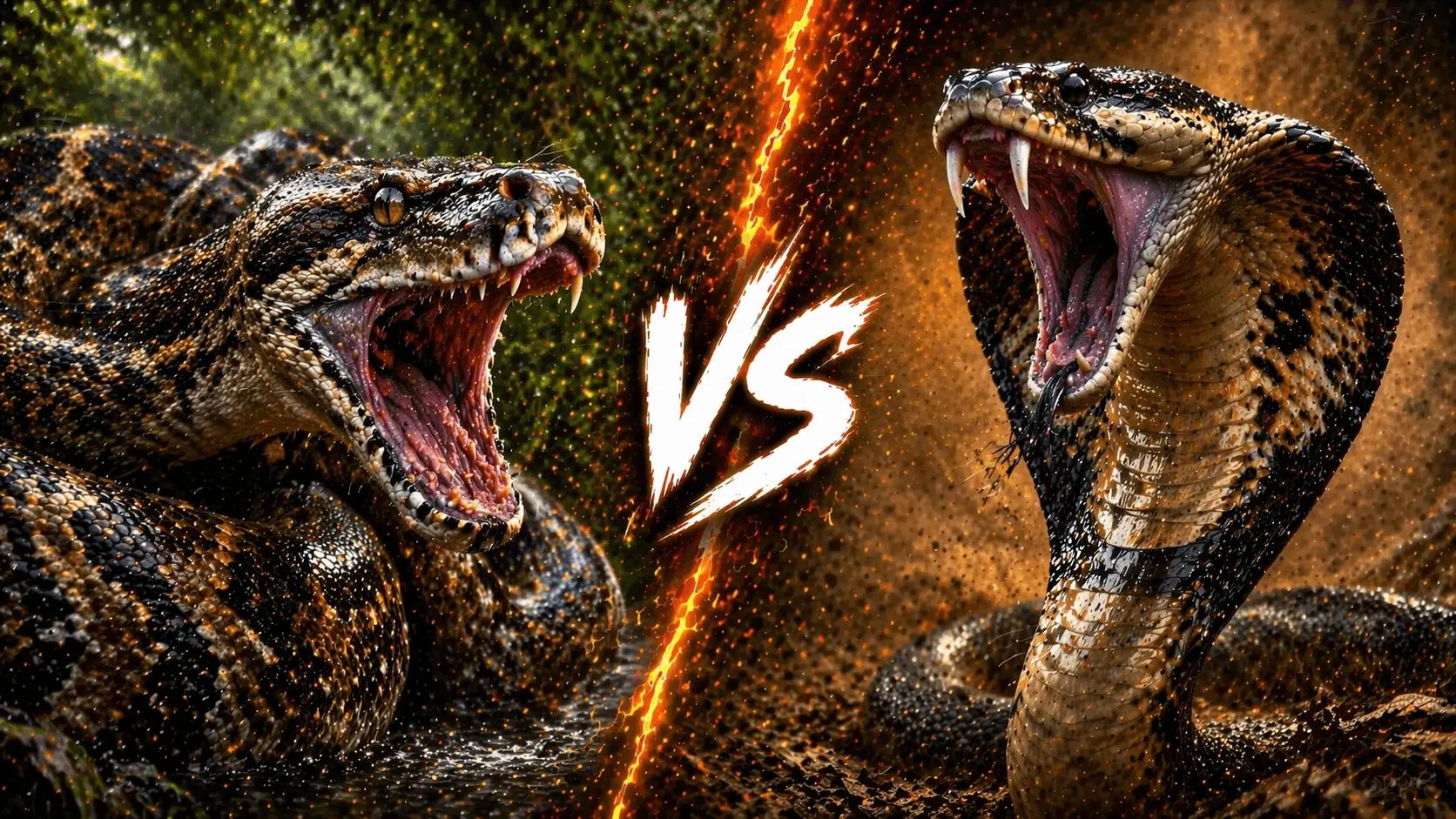
Python vs Cobra: Which Snake Has the Better Real-World Edge?
King cobra has the edge if it lands the first clean venom strike at range. Python has the edge once it turns the fight into body contact and constriction.
Read comparison
Discussion
What do you think?
Share your reasoning with other readers. Be civil and stick to the animals.
Sign in to join the discussion.
Sign inNo comments yet. Start the conversation.