

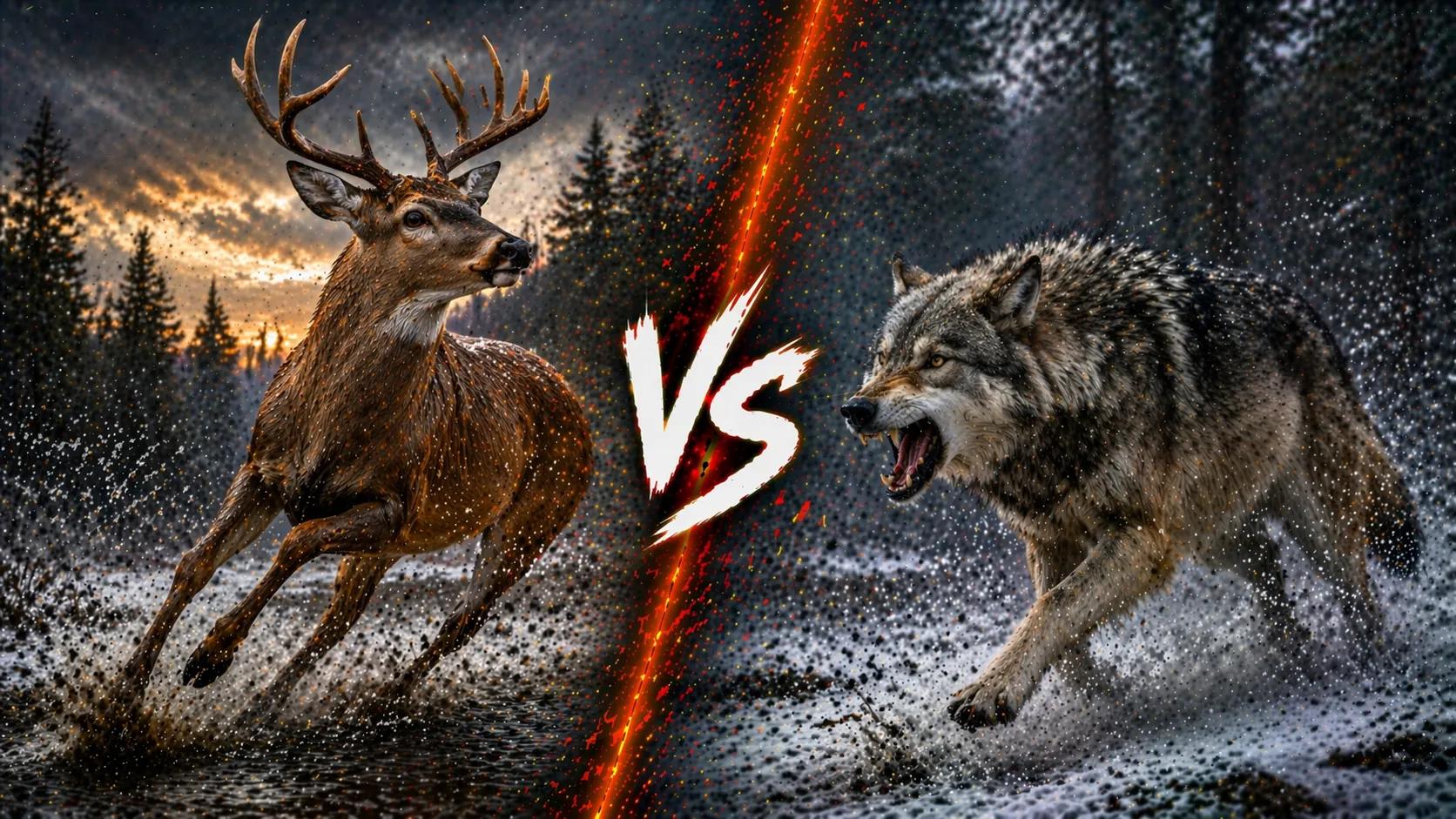
Deer vs Wolf: Which Side Usually Wins?
A grounded deer vs wolf comparison covering speed, alertness, pack pressure, and how prey survival differs from duel logic.
Deer vs Wolf
Matchup winner
Wolf
Quick verdict
Start with the direct answer, then use the structured comparison below to see what changes the outcome.
Wolf is the stronger overall predation answer, but deer survives plenty of encounters through awareness, escape timing, and terrain. As a one-on-one body contest, the deer is more dangerous than people often assume.
Read the full explanation
This page works best when it separates predator success from guaranteed kill. Wolves win by pressure, angles, and repeated opportunity, not by making every deer an easy target.
Reader vote
Who do you think wins?
Pick a side — no account needed. Results update live.
No votes yet — be the first to call it.
Editorial note
Why people disagree
It is a foundational predator-prey page for explaining how real success rates work.
Escape and alertness
The page hinges on whether the deer gets the first good read or the wolf gets the first good angle.
Pack pressure
Wolves get much stronger as a pack.
Terrain and footing
Environment is doing real work here.
Comparison FAQ
Short, direct answers to the next questions readers usually ask after the headline verdict.
Who wins, deer or wolf?+
Wolf overall in the predator-prey sense, especially with a pack. Deer still escapes many encounters.
Can a deer beat a wolf?+
It can survive and repel a bad approach, especially against a single wolf.
Head-to-head species stats
These are the same core AnimalDex stat dimensions used on the dedicated animal pages, pulled side by side so the matchup is faster to scan.
Deer
Tier CWolf
Tier CTrait-by-trait comparison
Only the categories that matter to this matchup are included. The goal is not filler stats, but the real design differences that change the result.
Fast reactions and distance-making
Escape and alertness
Depends on context
Built to close and sustain pursuit
Escape and alertness
Depends on context
One body solving danger alone
Pack pressure
Wolf
Group coordination increases success
Pack pressure
Wolf
Edge habitats and clear exit lines help escape
Terrain and footing
Depends on context
Snow and pressure lanes help pursuit
Terrain and footing
Depends on context
How the verdict forms
Verdict timeline
01 · Escape and alertness
Depends on context
02 · Pack pressure
Wolf
03 · Terrain and footing
Depends on context
Change the conditions
Scenario breakdown
This is where shallow battle content usually fails. Terrain, spacing, timing, and engagement style can change the answer.
Scenario lean
Deer
Verdict confidence
82%
Deer often escapes
One wolf does not automatically erase prey speed and awareness.
AnimalDex field profiles
Explore these animals
Deer
Cervidae
forest, meadow, wetland edge, and scrubland
Wolf
Canis lupus
Forest, tundra, steppe, mountain, and mixed wild landscapes with space for long-distance travel.
Systems Intelligence & Hidden Purpose
See the animals behind this comparison as engineered biological systems: what each one is built to do, where it gains leverage, and why the matchup changes by scenario.
Specialized Hardware
Long-distance scent detection, endurance locomotion, social signaling, and coordinated pack behavior give wolves durable hardware for tracking, testing, and wearing down prey across large territories.
Systems Script
Wolves apply top-down pressure that changes prey distribution, browsing intensity, and risk behavior. They remind ecosystems that movement patterns matter as much as raw population numbers.
Strategic Insight
Endurance and coordination beat isolated bursts of talent. A disciplined group with shared direction can reshape a landscape over time.
Final take
Wolf is the correct overall predation verdict. Deer stays relevant because prey success is often about escape quality, not overpowering the predator.
Collect both animals in AnimalDex
Track the species behind this matchup, compare their real traits, and build the rivalry into your AnimalDex collection.
Related comparisons
Continue with nearby matchups to compare more real-world animal traits without dropping into junky who-wins filler.
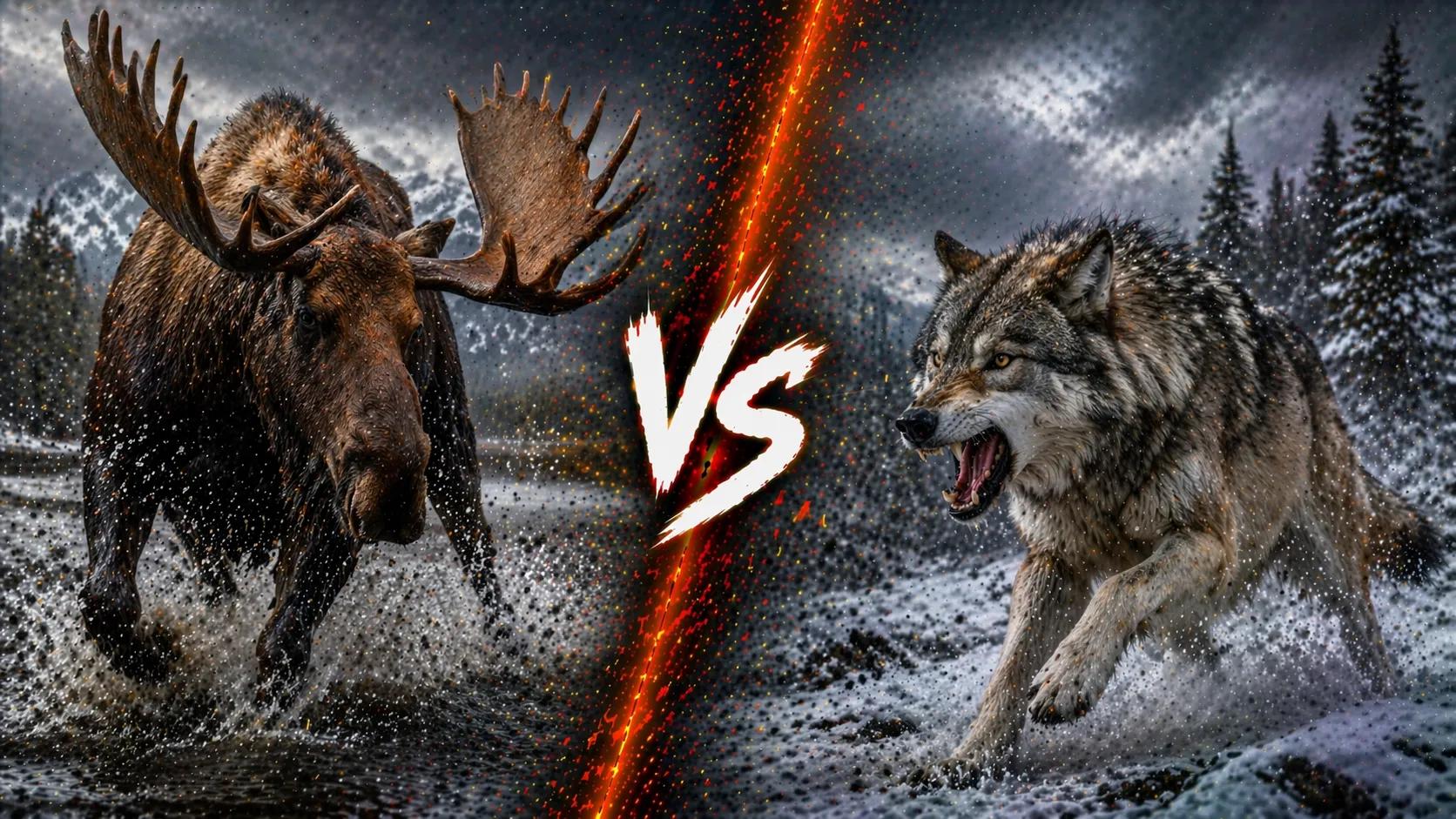
Moose vs Wolf: Which Side Usually Wins?
Adult moose is the stronger one-on-one answer. Wolves become the stronger overall predation answer when the scenario includes a pack, winter pressure, or a target that cannot move cleanly.
Read comparison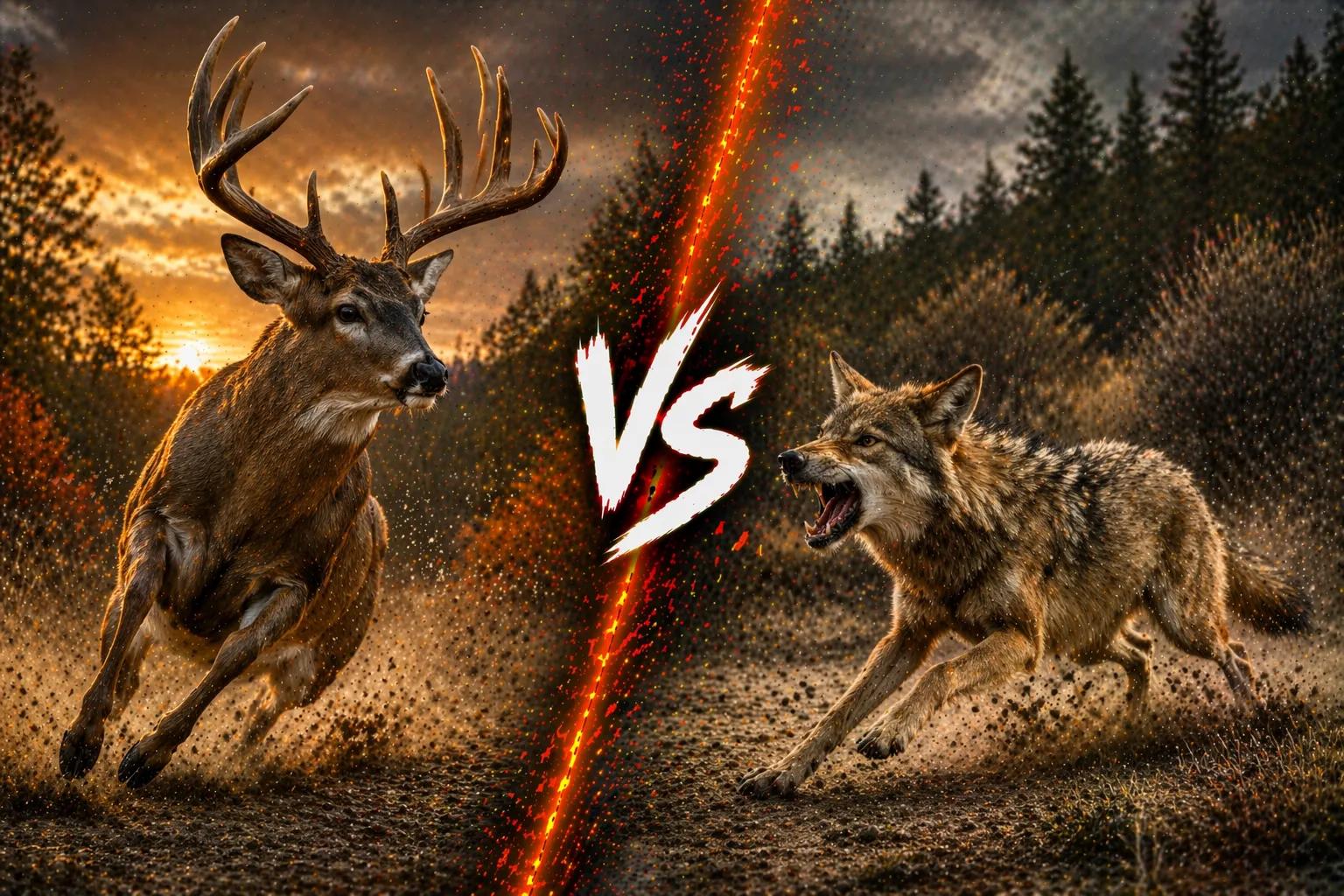
Deer vs Coyote: What Does the Real Matchup Look Like?
Healthy adult deer usually has the edge over a single coyote because size, speed, and kicking danger are real. Coyote improves against younger, weaker, or badly positioned deer and gets stronger with numbers.
Read comparison
Discussion
What do you think?
Share your reasoning with other readers. Be civil and stick to the animals.
Sign in to join the discussion.
Sign inNo comments yet. Start the conversation.