

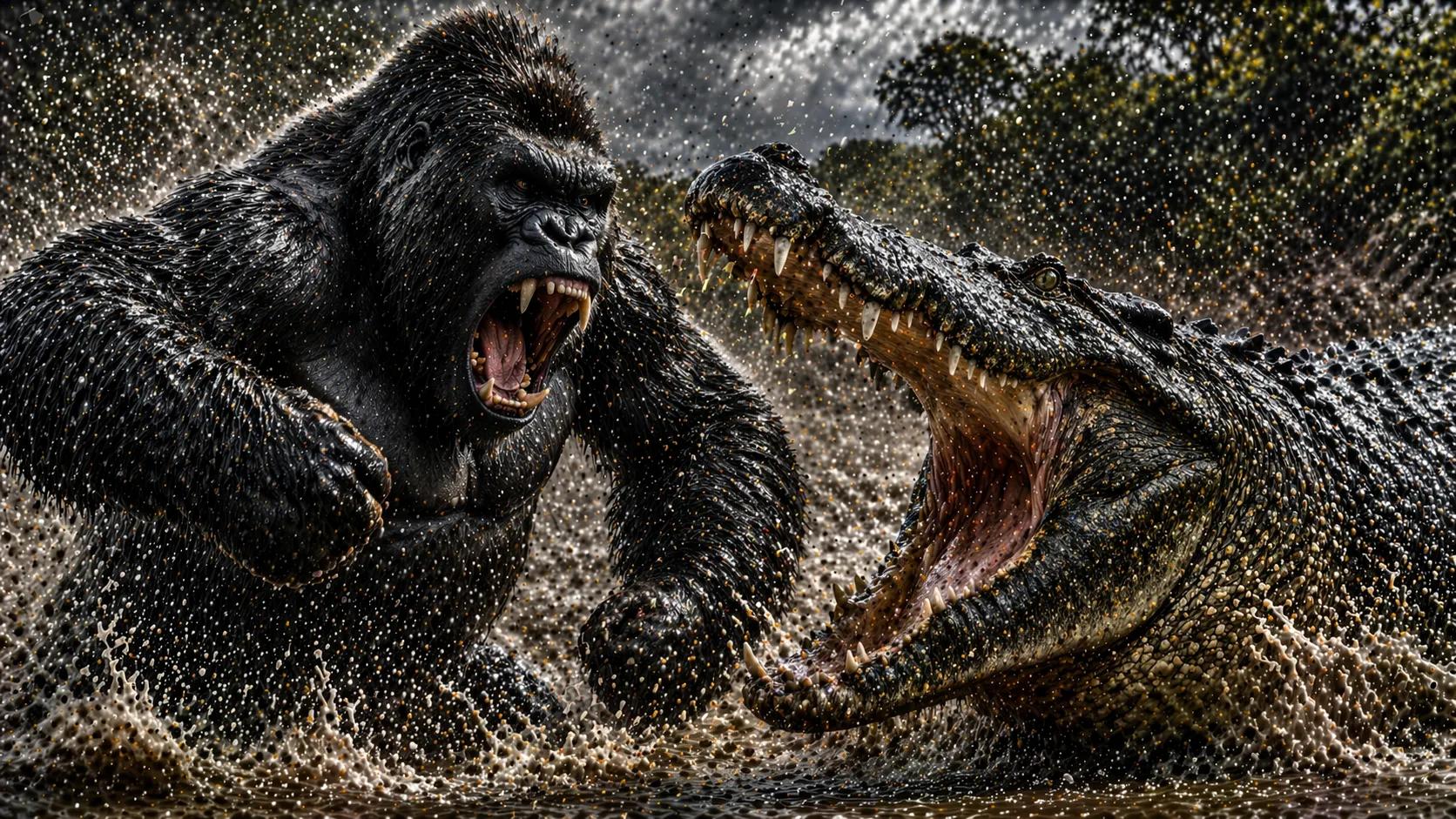
Gorilla vs Crocodile: Which Dangerous Animal Has the Edge?
A grounded gorilla vs crocodile comparison covering waterline danger, grappling force, and why the opening position decides far too much.
Gorilla vs Crocodile
Matchup winner
Gorilla
Quick verdict
Start with the direct answer, then use the structured comparison below to see what changes the outcome.
Gorilla gets the slight overall edge on dry land because the crocodile loses ambush shape and the primate gains mobility and arm-driven force. Crocodile becomes much more dangerous if the fight starts at the waterline with the first clamp already happening.
Read the full explanation
Gorilla wants land and immediate force. Crocodile wants the first bite and the edge of the water.
Reader vote
Who do you think wins?
Pick a side — no account needed. Results update live.
No votes yet — be the first to call it.
Editorial note
Why people disagree
It compares two animals that are both scary in close range, but for completely different reasons.
Land fighting shape
The farther from water, the better the gorilla answer looks.
Ambush opening
The reptile's best lane is still one terrible first moment.
Environmental dependence
The broad question slightly favors the less setup-dependent animal.
Comparison FAQ
Short, direct answers to the next questions readers usually ask after the headline verdict.
Who wins, gorilla or crocodile?+
Gorilla gets the slight overall edge on dry land because the crocodile loses ambush shape and the primate gains mobility and arm-driven force. Crocodile becomes much more dangerous if the fight starts at the waterline with the first clamp already happening.
Why does this matchup stay interesting?+
Crocodile is fully dangerous at the waterline. Gorilla still gets the slight total nod on land because the reptile depends much more on a perfect start.
Head-to-head species stats
These are the same core AnimalDex stat dimensions used on the dedicated animal pages, pulled side by side so the matchup is faster to scan.
Gorilla
Tier ACrocodile
Tier CTrait-by-trait comparison
Only the categories that matter to this matchup are included. The goal is not filler stats, but the real design differences that change the result.
More mobile and able to apply upper-body force
Land fighting shape
Gorilla
Less comfortable sustaining turns out of ambush
Land fighting shape
Gorilla
Not built to absorb a hidden clamp
Ambush opening
Crocodile
One of the strongest hidden-start animals in the file
Ambush opening
Crocodile
Safer across more dry-ground situations
Environmental dependence
Gorilla
Much stronger in exact edge geometry
Environmental dependence
Gorilla
How the verdict forms
Verdict timeline
01 · Land fighting shape
Gorilla
02 · Ambush opening
Crocodile
03 · Environmental dependence
Gorilla
Change the conditions
Scenario breakdown
This is where shallow battle content usually fails. Terrain, spacing, timing, and engagement style can change the answer.
Scenario lean
Gorilla
Verdict confidence
82%
Gorilla edge
This version removes too much of the crocodile's ideal start.
AnimalDex field profiles
Explore these animals
Gorilla
Gorilla spp.
Tropical lowland forest, montane forest, swamp forest, and dense equatorial woodland.
Crocodile
Crocodylidae
Rivers, estuaries, mangroves, floodplains, swamps, and shorelines with reliable basking and ambush cover.
Systems Intelligence & Hidden Purpose
See the animals behind this comparison as engineered biological systems: what each one is built to do, where it gains leverage, and why the matchup changes by scenario.
Specialized Hardware
Massive upper-body strength, dexterous hands, social signaling, and plant-processing gut design make gorillas authority hardware for dense forest life without a predator's operating model.
Systems Script
Gorillas move seeds, prune vegetation, open travel routes, and stabilize social groups in forest systems where communication and memory matter. Their influence comes less from killing power and more from how a large intelligent herbivore uses space.
Strategic Insight
Strength is most stable when it does not need to prove itself constantly. The best-positioned systems often lead by clarity, not by endless escalation.
Specialized Hardware
Pressure-sensitive receptors around the jaws, eyes and nostrils mounted high on the skull, and a tail built for explosive propulsion make crocodiles effective ambush hardware at the land-water edge.
Systems Script
Crocodiles control chokepoints where rivers, wetlands, and shorelines concentrate traffic. They regulate prey behavior, move nutrients through kills and carcasses, and add caution to landscapes that would otherwise become too predictable.
Strategic Insight
You do not need to dominate every square meter. Control the bottlenecks and the rest of the map starts behaving differently.
Final take
Crocodile is fully dangerous at the waterline. Gorilla still gets the slight total nod on land because the reptile depends much more on a perfect start.
Collect both animals in AnimalDex
Track the species behind this matchup, compare their real traits, and build the rivalry into your AnimalDex collection.
Related comparisons
Continue with nearby matchups to compare more real-world animal traits without dropping into junky who-wins filler.
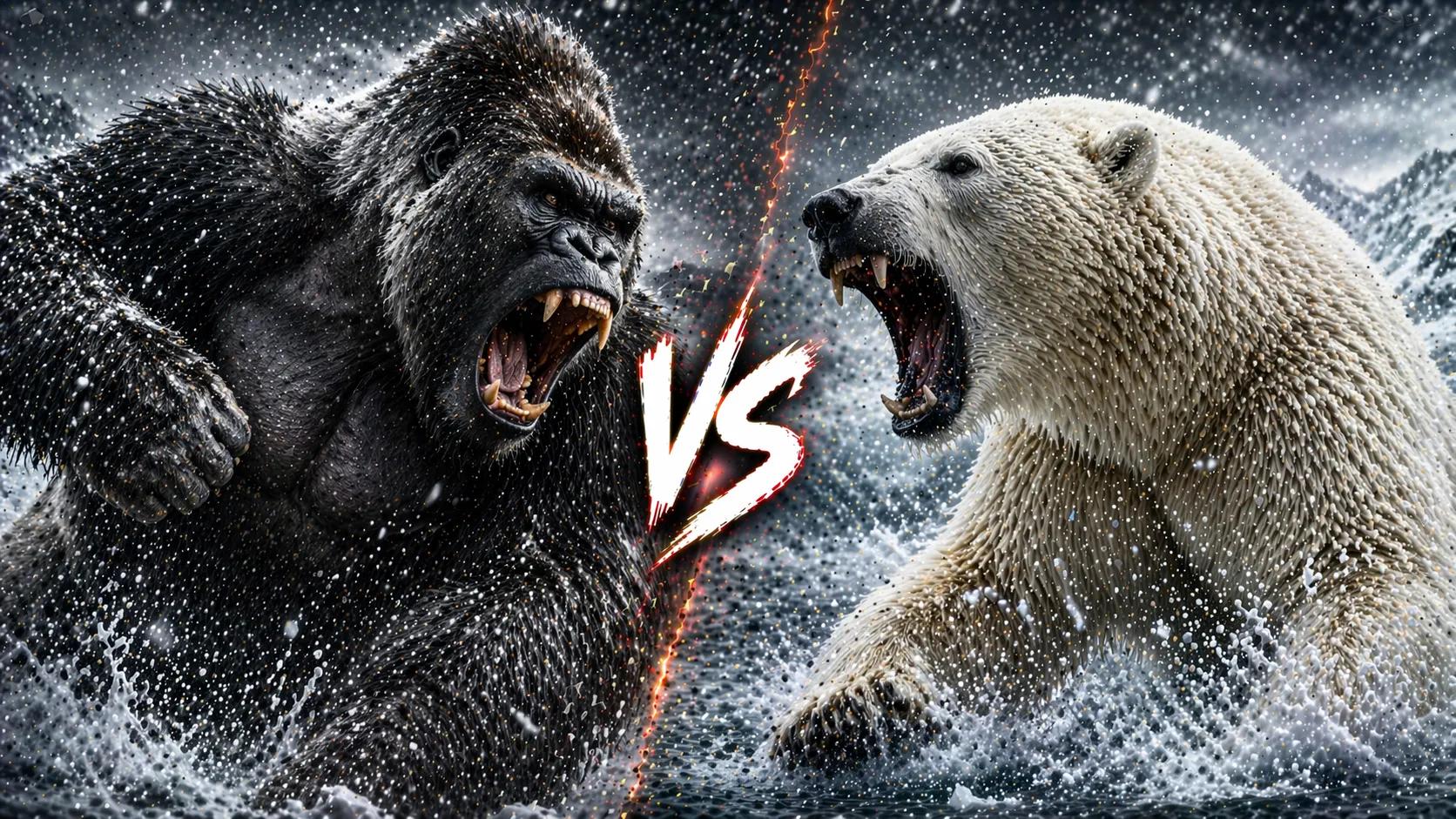
Gorilla vs Polar Bear: Which Giant Mammal Has the Edge?
Polar bear gets the clear overall edge through larger size, bite pressure, and a more complete predatory weapon set. Gorilla remains formidable in strength and close-range power, but it is still not the safer fight answer against a giant bear.
Read comparison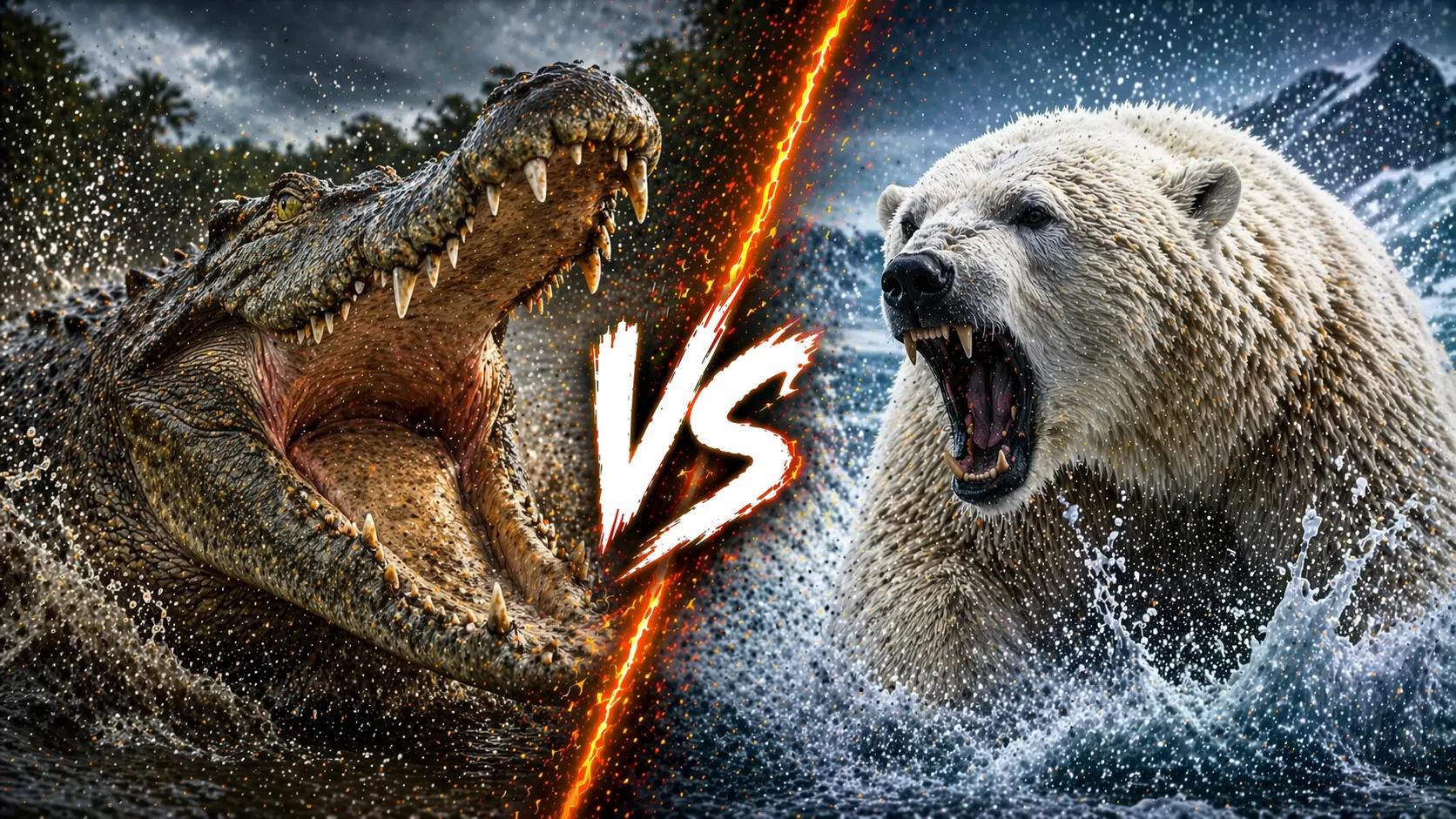
Crocodile vs Polar Bear: Which Predator Has the Edge?
Polar bear gets the overall edge on land or partial land because it is larger, more mobile out of water, and better at sustained violent contact once the crocodile loses ambush shape. Crocodile becomes far more dangerous in water-linked ambush where the bite starts first and the bear does not control footing.
Read comparison
Discussion
What do you think?
Share your reasoning with other readers. Be civil and stick to the animals.
Sign in to join the discussion.
Sign inNo comments yet. Start the conversation.