

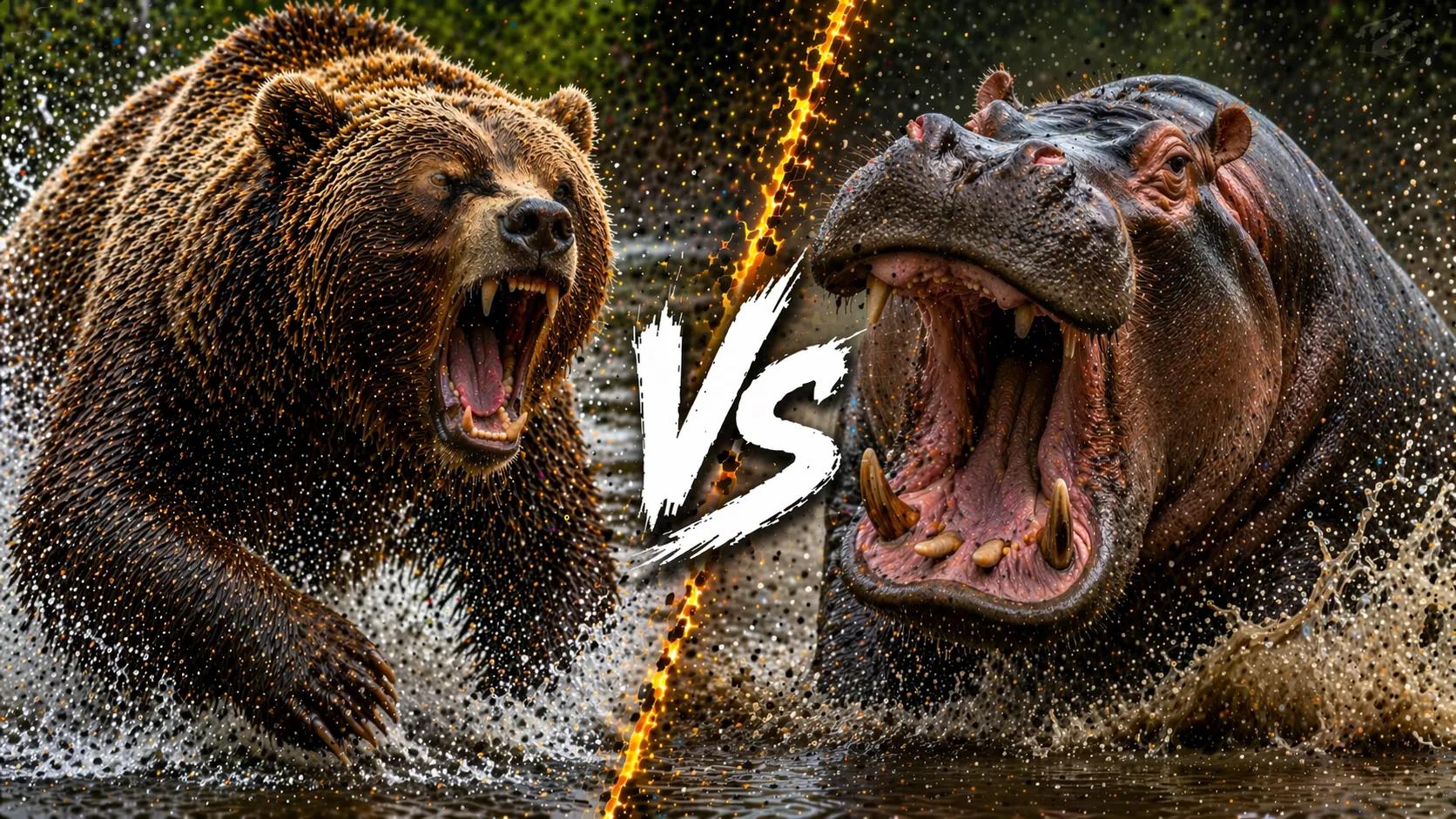
Grizzly Bear vs Hippopotamus: Which Heavyweight Has the Edge?
A grounded grizzly bear vs hippo comparison covering size, bite danger, and why one of these animals carries a much worse short-range mouth problem.
Grizzly Bear vs Hippopotamus
Matchup winner
Hippopotamus
Quick verdict
Start with the direct answer, then use the structured comparison below to see what changes the outcome.
Hippopotamus gets the overwhelming overall edge because the mouth danger and body mass gap are too large for the grizzly to solve cleanly. Grizzly only improves if the fight somehow stays mobile and avoids the hippo's best collision shape.
Read the full explanation
Grizzly is dangerous. Hippo is still a much worse direct heavyweight problem.
Reader vote
Who do you think wins?
Pick a side — no account needed. Results update live.
No votes yet — be the first to call it.
Editorial note
Why people disagree
It tests the limit of even a huge bear when the opponent is a river brute with extreme short-range danger.
Body size
The bear starts from a bad physical equation.
Bite danger
This is the hippo's strongest single argument and it is enough.
Mobility
The grizzly only gets close if movement matters more than collision.
Comparison FAQ
Short, direct answers to the next questions readers usually ask after the headline verdict.
Who wins, grizzly bear or hippopotamus?+
Hippopotamus gets the overwhelming overall edge because the mouth danger and body mass gap are too large for the grizzly to solve cleanly. Grizzly only improves if the fight somehow stays mobile and avoids the hippo's best collision shape.
Why does this matchup stay interesting?+
Grizzly bear stays dangerous enough to keep the page honest. Hippopotamus still gets the overwhelming verdict because the body and bite mismatch are too severe.
Head-to-head species stats
These are the same core AnimalDex stat dimensions used on the dedicated animal pages, pulled side by side so the matchup is faster to scan.
Grizzly Bear
Tier BHippopotamus
Tier BTrait-by-trait comparison
Only the categories that matter to this matchup are included. The goal is not filler stats, but the real design differences that change the result.
Huge bear with serious land force
Body size
Hippopotamus
Much heavier river giant
Body size
Hippopotamus
Powerful bite, but not at hippo level
Bite danger
Hippopotamus
One of the scariest short-range mouth threats in the file
Bite danger
Hippopotamus
More mobile on land and in angle choice
Mobility
Grizzly Bear
Less agile but built for short brutal contact
Mobility
Grizzly Bear
How the verdict forms
Verdict timeline
01 · Body size
Hippopotamus
02 · Bite danger
Hippopotamus
03 · Mobility
Grizzly Bear
Change the conditions
Scenario breakdown
This is where shallow battle content usually fails. Terrain, spacing, timing, and engagement style can change the answer.
Scenario lean
Grizzly Bear
Verdict confidence
82%
Grizzly improves
The bear only gains ground if it can avoid the worst mouth-first geometry.
AnimalDex field profiles
Explore these animals
Grizzly Bear
Ursus arctos horribilis
mountain forest, river valley, alpine meadow, and northern scrub
Hippopotamus
Hippopotamus amphibius
Rivers, lakes, wetlands, and nearby grassland grazing areas.
Systems Intelligence & Hidden Purpose
See the animals behind this comparison as engineered biological systems: what each one is built to do, where it gains leverage, and why the matchup changes by scenario.
Specialized Hardware
Huge barrel body and short legs, very wide mouth with large tusk-like teeth, and eyes, ears, and nostrils high on the head give the Hippopotamus a body plan tuned for its niche.
Systems Script
Hippopotamuss operate in rivers, lakes, wetlands, and nearby grassland grazing areas. Their design helps them match food access, shelter, and timing inside that environment.
Strategic Insight
Some systems change the whole space simply by being too large to ignore.
Final take
Grizzly bear stays dangerous enough to keep the page honest. Hippopotamus still gets the overwhelming verdict because the body and bite mismatch are too severe.
Collect both animals in AnimalDex
Track the species behind this matchup, compare their real traits, and build the rivalry into your AnimalDex collection.
Related comparisons
Continue with nearby matchups to compare more real-world animal traits without dropping into junky who-wins filler.
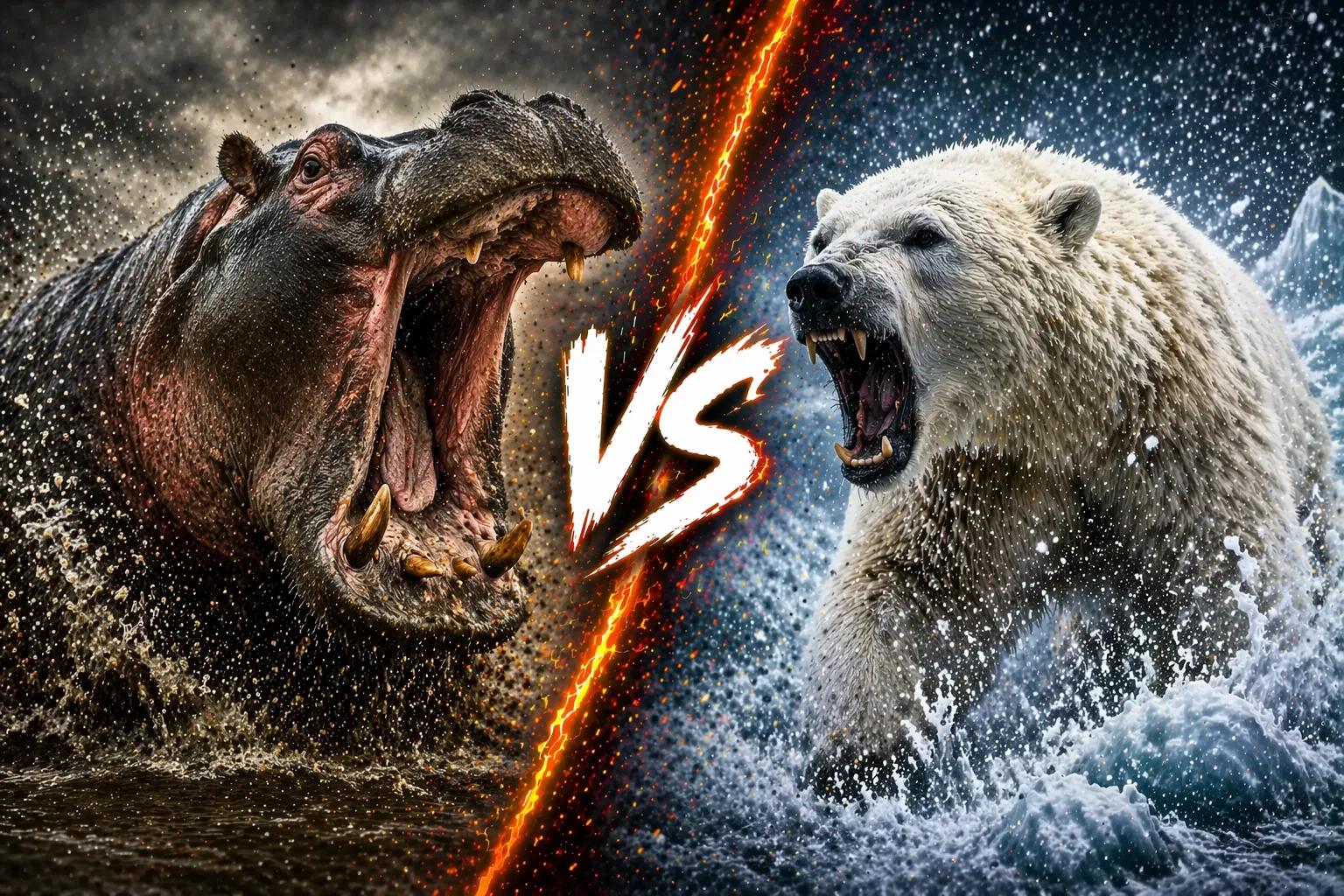
Hippopotamus vs Polar Bear: Which Heavyweight Wins?
Hippopotamus gets the overall edge because it carries huge mass, terrifying bite potential, and a body built for ugly close-range violence. Polar bear remains dangerous through mobility and predatory intent, but the hippo's mouth and bulk make the direct clash extremely difficult.
Read comparison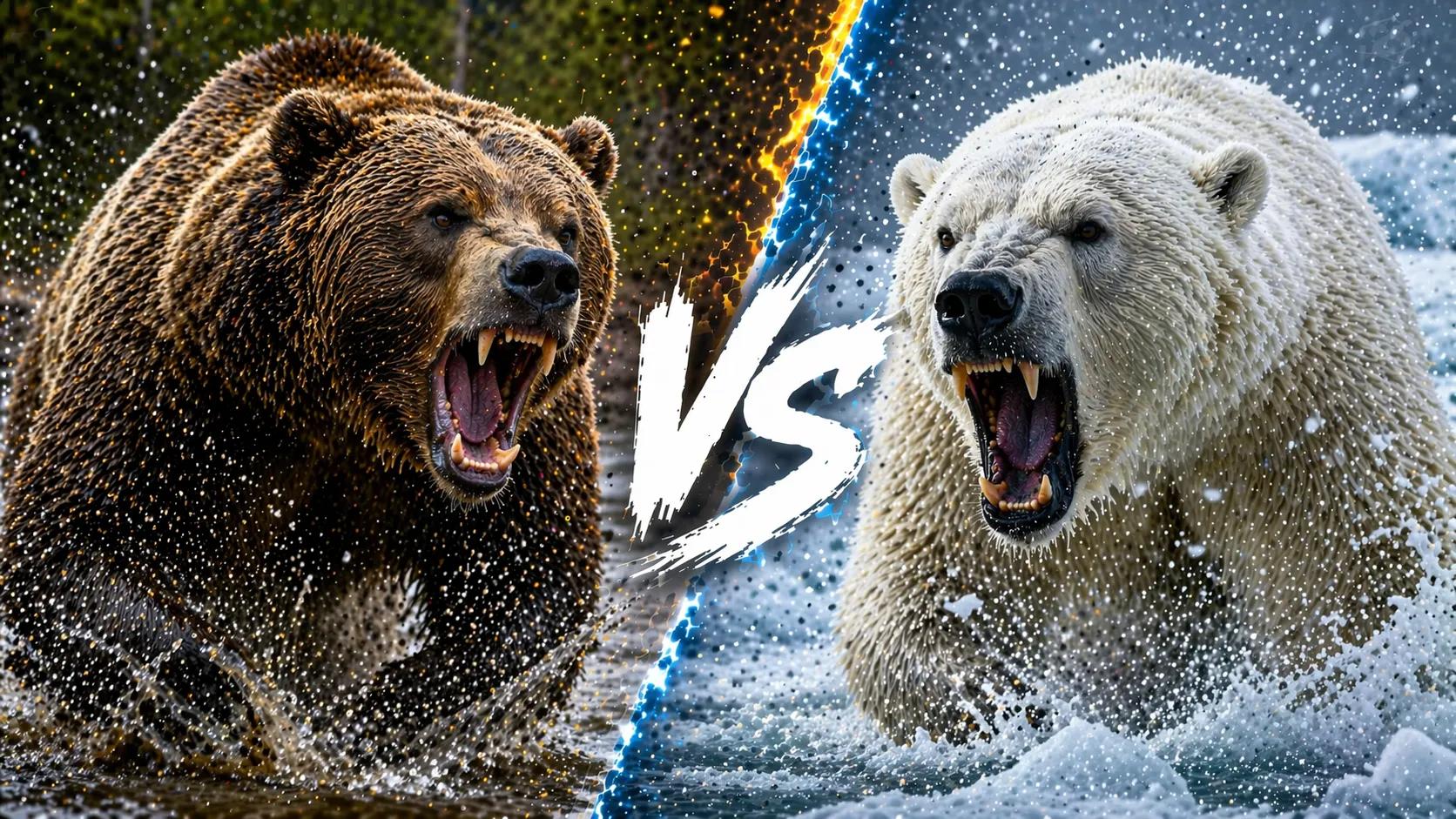
Grizzly Bear vs Polar Bear: Which Bear Has the Edge?
Polar bear gets the slight overall edge through larger average size and a more predation-focused heavyweight frame. Grizzly bear remains fully dangerous because it is explosively strong, highly aggressive at short range, and built for ugly land contact.
Read comparison
Discussion
What do you think?
Share your reasoning with other readers. Be civil and stick to the animals.
Sign in to join the discussion.
Sign inNo comments yet. Start the conversation.