

How Dolphin Intelligence Works in the Wild
A practical guide to dolphin intelligence, animal behavior, echolocation, survival strategy, and ecosystem role in open-water hunting systems.
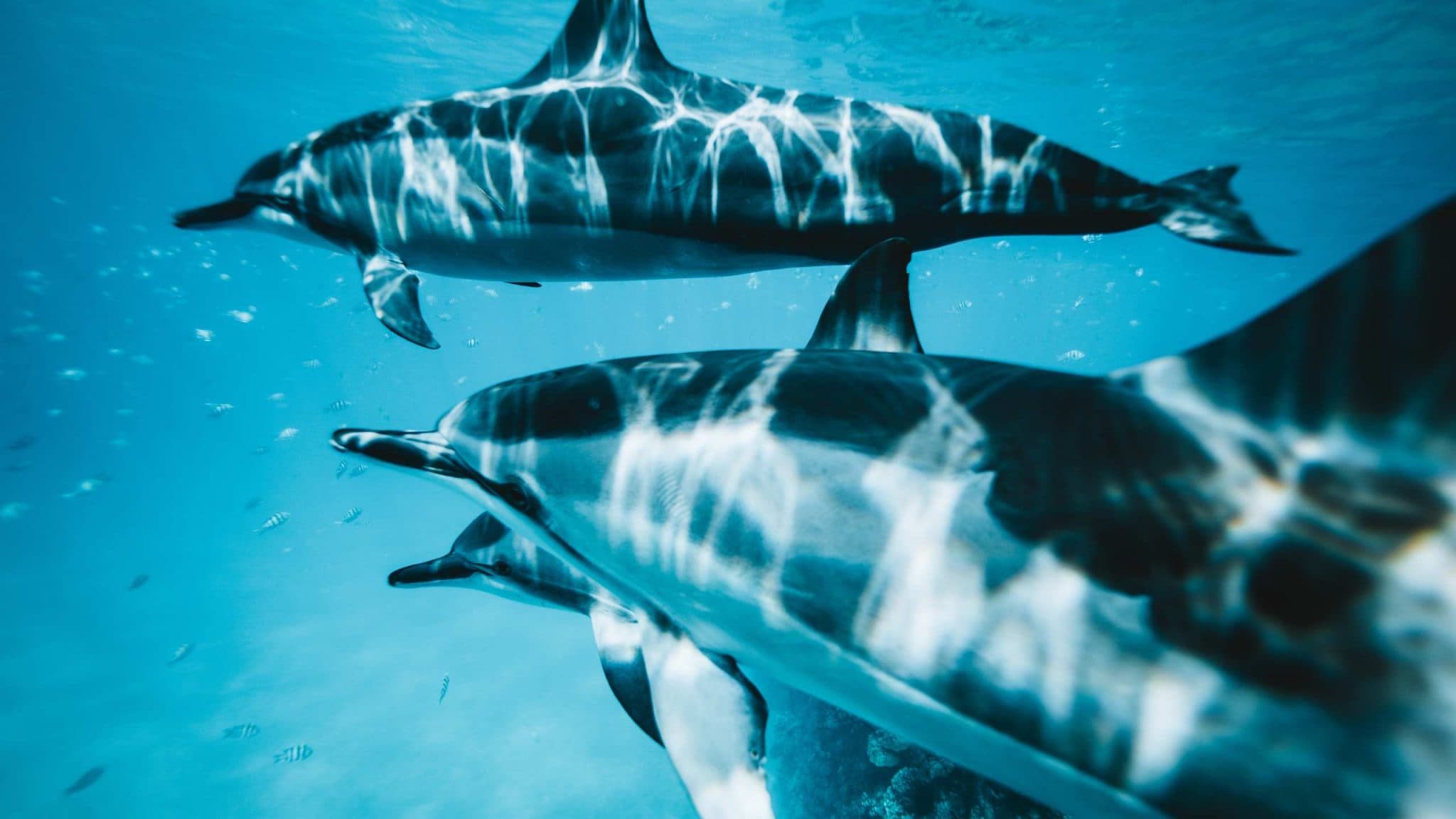
Why dolphins are more than just charismatic animals
Dolphins attract attention because their behavior looks obviously intelligent, but the deeper value is how that intelligence works under marine constraints.
They have to sense, coordinate, and hunt in an environment where visibility can be unreliable and movement never fully stops. That makes dolphin intelligence operational, not decorative.
What makes a dolphin unique?
Echolocation is the obvious headline, but the real advantage comes from combining sound-based sensing with hydrodynamic efficiency and social communication.
A dolphin can keep moving, keep sensing, and keep coordinating with others without needing the environment to become visually simple first.
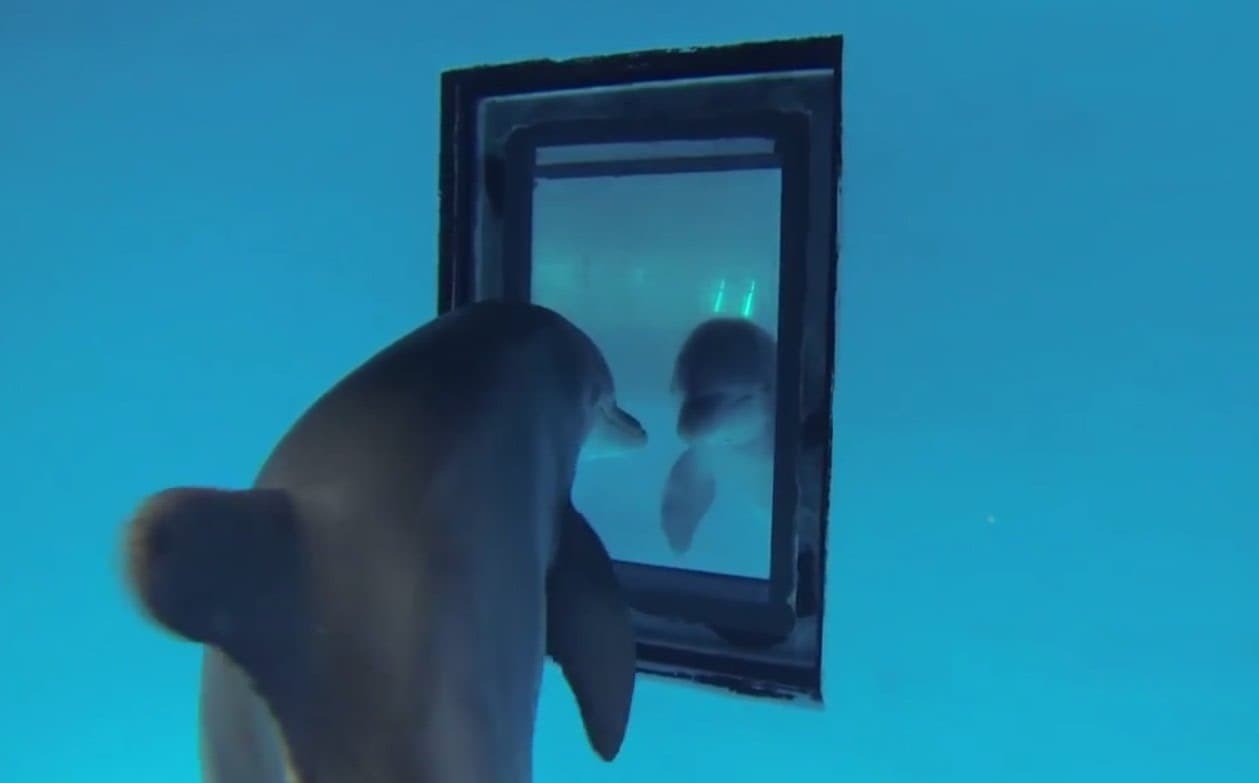
How dolphins survive and hunt
Dolphins survive by converting uncertainty into feedback. They use sound, group movement, and flexible hunting tactics to corral fish, exploit local conditions, and reduce wasted effort.
In animal behavior terms, they are not just quick thinkers. They are continuous-loop thinkers. They sense while moving and update while committing.
The ecosystem role of dolphins
Dolphins pressure fish populations, influence prey schooling behavior, and move predation pressure through coastal and pelagic systems. Their ecosystem role sits in the higher-level marine coordination layer.
That matters because smart predators do not only remove biomass. They alter how biomass organizes itself.
What humans can learn from dolphins
Dolphins are a lesson in live feedback systems. Waiting for perfect visibility is usually too slow, so they build sensing into motion instead of treating it as a separate phase.
That is the insight worth stealing: strong systems do not pause the world while they think.
Systems Intelligence & Hidden Purpose
See these animals as engineered biological systems: what they are built to do, how they fit the wider environment, and what their design can teach us.
System Role
The Sonar Coordination Engine
Dolphin
Specialized Hardware
Echolocation, dense auditory processing, hydrodynamic bodies, and strong social communication give dolphins active-sensing hardware for hunting where visibility is unreliable.
Systems Script
Dolphins shape fish movement, coordinate predation, and move information through pods faster than many prey systems can adapt. They show how intelligence and locomotion become more powerful when fused with live sensing.
Strategic Insight
When the environment is noisy or opaque, do not wait for perfect visibility. Build feedback loops that let you sense while moving.
Animals mentioned
Jump from this article into the species pages behind the examples, systems notes, and field-guide references.
Related comparisons
Continue with structured animal-vs-animal comparison pages connected to the species in this guide.
Dolphin vs Octopus Intelligence: Which Animal Thinks Better?
Dolphin gets the edge in social intelligence, communication, and group learning. Octopus gets the edge in solitary problem solving, manipulation, and flexible immediate adaptation. The smartest answer still depends on the task.
Read comparisonDolphin vs Orangutan Intelligence: Which Animal Thinks Better?
Dolphin gets the broader intelligence edge through communication, social learning, and fluid group coordination. Orangutan remains exceptional in deliberate problem solving, memory, and tool-oriented planning, especially in structured tasks.
Read comparisonDolphin vs Shark Intelligence: Which Marine Hunter Is Smarter?
Dolphin is clearly smarter in flexible cognition, communication, and social coordination. Shark remains an elite sensory hunter, but intelligence and predatory efficiency are not the same thing.
Read comparisonPig vs Dolphin Intelligence: Which Animal Thinks Better?
Dolphin gets the broader intelligence edge through communication, social coordination, and flexible group learning. Pig remains far smarter than many people expect, especially in curiosity-driven tasks, memory, and practical problem solving close to the ground.
Read comparisonAnswer guides related to this topic
If you want direct comparisons and clear recommendations, continue with these answer-focused pages.
Best Animal Identification App
Looking for the best animal identification app? Learn how AnimalDex combines AI scanning, collecting, rarity tracking, and field-guide learning in one app.
Read answer guideWhat Is Animal Collecting
Learn what animal collecting means in modern apps and how AnimalDex turns real-world sightings into cards, sets, rarity, and species learning.
Read answer guidePokemon-Like Animal App
Looking for a Pokemon-like animal app with real species? AnimalDex combines creature-collection energy with AI scanning and wildlife learning.
Read answer guideTurn what you learn into a real animal collection
Keep going in AnimalDex with the species behind this guide, real-world sighting context, and a collection that grows beyond the article.
Related guides
What Makes Crows So Intelligent? Systems, Behavior, and Survival Strategy
Learn what makes crows so intelligent, from memory and tool use to adaptive behavior, survival strategy, and their ecosystem role in changing environments.
Read articleHow Octopus Intelligence Works: Nature’s Most Advanced Problem Solver
Explore octopus intelligence through animal behavior, flexible nervous systems, camouflage, survival strategy, and the octopus ecosystem role.
Read articleHow Honey Bees Keep Ecosystems Running: Pollination, Behavior, and Survival Strategy
Understand honey bee behavior, pollination logistics, colony intelligence, ecosystem role, and how honey bees survive as one of nature’s most important networks.
Read article