

OpinionDebateMosquitoes
Do Mosquitoes Really Cause Malaria? The Case for Béchamp's Terrain Theory
Opinion and debate: Pasteur hid his notebooks, his rival said germs follow disease rather than cause it, and the mosquito took the blame. The terrain theory case for malaria.
Opinion / Debate
The Charge Sheet
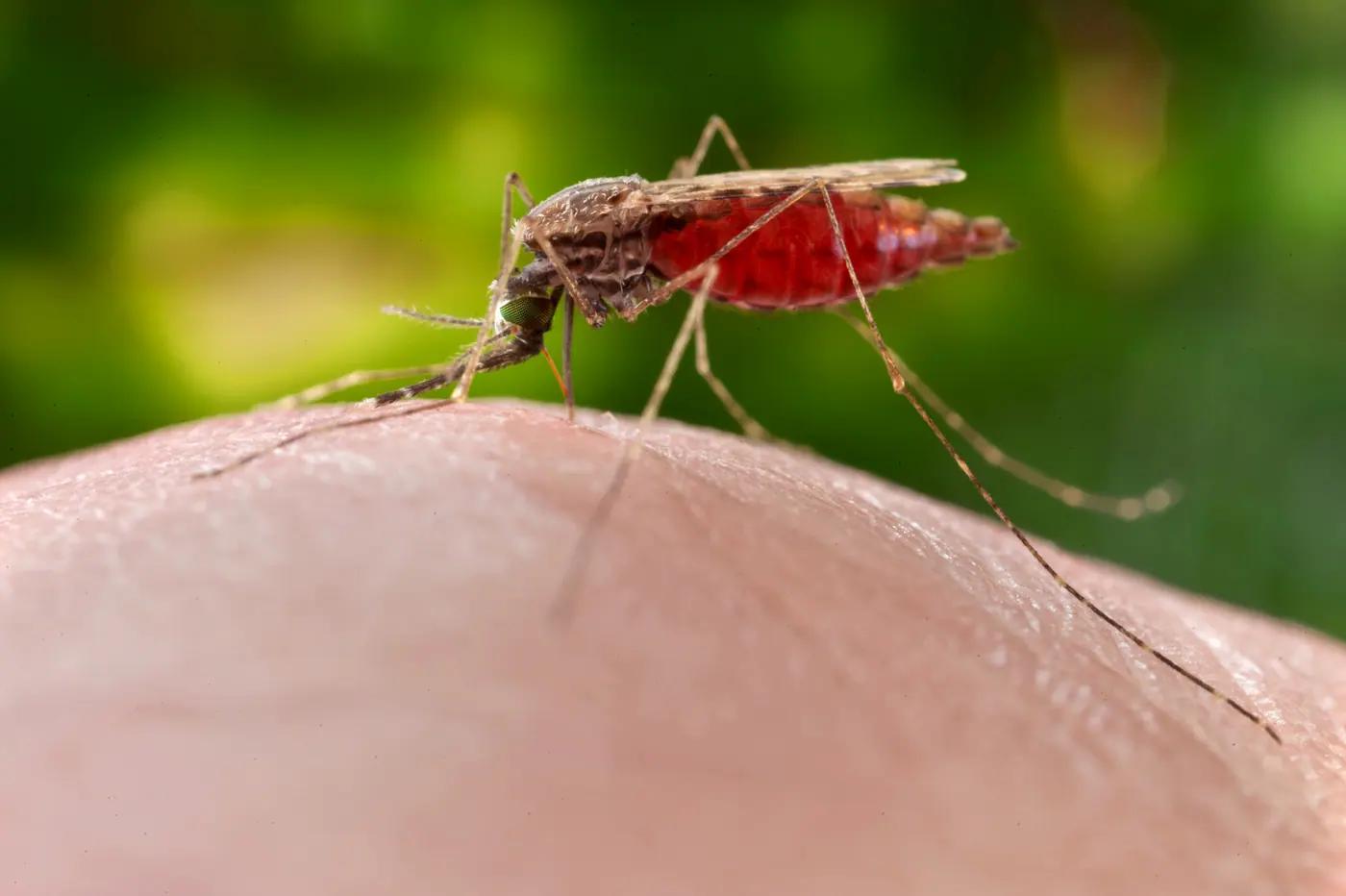
The mosquito is called the deadliest animal on Earth. The World Health Organization estimates malaria caused 282 million cases and 610,000 deaths in 2024, and the mosquito gets the blame for every one of them. Ask anyone how malaria works and they will tell you with total confidence: a mosquito bites you, you get malaria.
Now ask them how they know. Nobody has watched a parasite jump into their arm. Most people bitten by mosquitoes never get malaria. For two thousand years the best doctors alive were certain the disease came from the swamp itself, and they had the evidence of their own eyes. One of Louis Pasteur's great rivals, Antoine Béchamp, spent his life arguing that germs follow disease rather than cause it. Pasteur himself is quoted as conceding on his deathbed that the rival was right.
This is a debate piece. It gives the underdog the floor: the case that malaria is about the terrain, the body and the environment it lives in, and that the mosquito is history's most convenient scapegoat. Mainstream science gets its say near the end. You decide.
One rule before we start: this is a debate, not medical advice. If you live in or travel to a malaria area, use nets, repellent and the antimalarials your doctor recommends while you make up your mind.
Most people have never asked how they know a mosquito causes malaria. That is exactly why it is worth asking.
Stranger than fiction
Five True Stories the Textbooks Skip
Before the argument, some history that rarely makes it into the clean version of the story. Every one of these is documented.
1. Pasteur kept secret notebooks
Pasteur asked his family never to show his private lab notebooks. When the historian Gerald Geison finally studied them, a century later, they showed that Pasteur's famous 1881 anthrax vaccine demonstration used a method closer to a rival's than the one he described in public.
2. The "germ" was first called debris
When Alphonse Laveran described malaria parasites in the blood in 1880, many of the leading experts of the day dismissed what he saw as fragments of broken blood cells.
3. A Nobel Prize for giving people malaria
In 1927 the Nobel Prize in medicine went to Julius Wagner-Jauregg, who deliberately gave patients malaria. The high fevers could halt late-stage syphilis of the brain. Fever, in other words, was the medicine.
4. The body fights back in its DNA
The sickle-cell gene, and the missing Duffy antigen in most people of West and Central African ancestry, spread through whole populations because they protect against malaria. The human terrain itself evolved around this disease.
5. The terrain man made the first germ-killer
Béchamp synthesised arsanilic acid in 1859. That arsenic chemistry led Paul Ehrlich to Salvarsan in 1910, the first modern targeted antimicrobial drug. The father of terrain theory helped invent the magic bullet.
A disease named after a theory
Malaria Means "Bad Air"
The word comes from the Italian mal'aria, "bad air". For centuries the fevers of the Roman Campagna, the English Fens and the American South were blamed on miasma: foul vapours rising from marshes, especially at night. In English the disease was simply called ague or marsh fever.
This was not superstition. It was a theory built on careful observation. Fevers clustered near standing water. They peaked in warm, wet seasons and after dusk. And the cure worked: drain the marshes, and the fevers retreated, decades before anyone had heard of a malaria parasite.
Terrain advocates point out that the oldest name for this disease describes an environment, not an insect. The question they ask is simple: what if the old doctors were closer to the truth than we give them credit for?
19th-century medical paradigms
Two Rivals: Pasteur and Béchamp
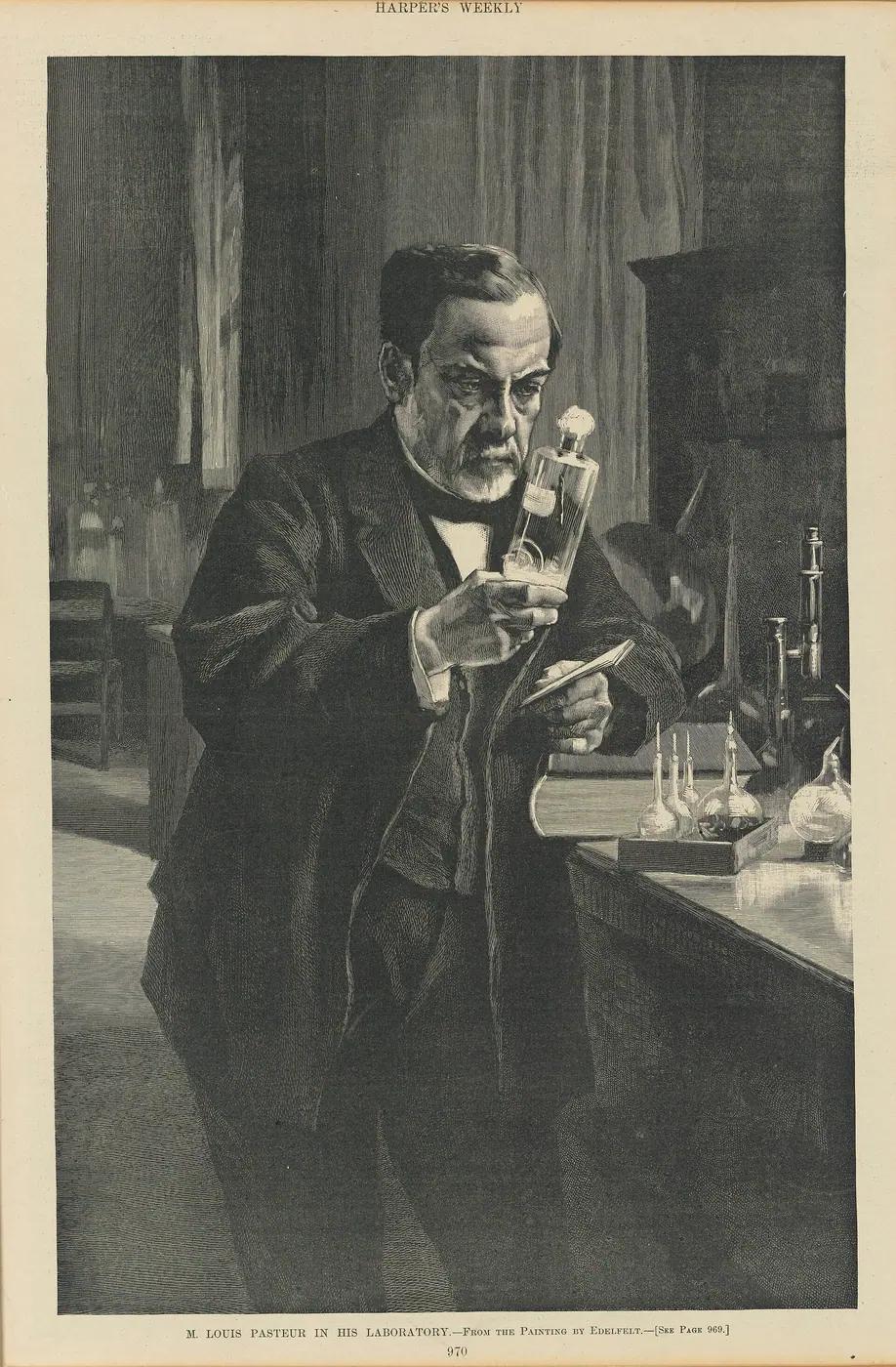
Louis Pasteur (1822–1895) and Antoine Béchamp (1816–1908) were both serious French scientists, both trained in chemistry, and they spent decades accusing each other of bad science and stolen ideas.
Pasteur became the public face of germ theory: specific microbes, entering from outside, cause specific diseases. His fermentation work, his experiments against spontaneous generation, his anthrax and rabies vaccines and the technique still called pasteurisation made him a national hero.
Béchamp championed what is now called terrain theory. In his view the body's internal state, its "terrain", decided health and disease. He described tiny particles inside every living cell that he named microzymas ("little ferments"), which he said survived the death of the organism and could transform into bacteria when the terrain deteriorated. Microbes, on this reading, were a result of disease rather than its cause, and they could change form depending on conditions, an idea called pleomorphism. Pasteur held that microbial species keep a fixed identity, sometimes called monomorphism.
It started with silkworms
Their rivalry has an animal origin. In the 1860s a disease called pébrine was wrecking France's silk industry, killing domestic silkworms in their millions. Both men studied it, and both claimed credit. Pasteur also identified a second silkworm disease, flacherie, and noticed something telling: heat, humidity and poor feeding made worms far more vulnerable. Even the champion of germs found himself studying the terrain.
Why did Pasteur win?
Béchamp's supporters argue that Pasteur won the argument through politics as much as proof. He was a brilliant self-promoter with powerful patrons, close to the imperial court of Napoleon III, and his version of disease was easy to sell: an external enemy you can see under a microscope, kill with a product and vaccinate against. Béchamp's version, that health depends on the whole condition of the body, offered no enemy and nothing to sell.
Béchamp, meanwhile, died in 1908 largely forgotten. His defenders call it one of the great injustices in the history of science.
The deathbed quote
The rallying cry of terrain theory is a line attributed to Pasteur at the end of his life: "Bernard was right. The microbe is nothing; the terrain is everything." Claude Bernard was the physiologist who described the body's milieu intérieur, its internal environment. Historians have not found a record of the line from Pasteur's lifetime, and it appears in later terrain literature. Whether or not he said it, the sentence has outlived almost everything else said in that debate.
"The microbe is nothing; the terrain is everything."
Germ Theory vs. Terrain Theory, Side by Side
Stripped down, the two schools disagree about what causes disease, what microbes are doing and how to keep people well.
| Question | Germ theory (Pasteur) | Terrain theory (Béchamp) |
|---|---|---|
| What causes disease? | A specific microbe entering from outside. | A weakened or toxic internal environment. Microbes follow. |
| What are microbes doing? | Invading and damaging the body. | Scavenging damaged tissue, like firefighters arriving at a fire. |
| Can microbes change form? | No. Each species is fixed (monomorphism). | Yes. Microbes change with the terrain (pleomorphism). |
| How do you stay well? | Block or kill the germ: hygiene, vaccines, drugs. | Cultivate the body: diet, clean environment, vitality. |
| Malaria is caused by… | Plasmodium parasites carried by Anopheles mosquitoes. | Swampy, toxic, impoverished environments that break down the body. |
The underdog's turn
The Case for Terrain Theory
Here is the case Béchamp's modern followers make about malaria, in their terms. It is stronger than most people have been told.
1. Two thousand years of doctors can't all have been wrong
Every culture that lived with malaria tied it to place: marshes, low ground, still water, hot nights. Wealthy Romans retreated to the hills in the fever season. The English Fens were notorious for ague. Draining wetlands drove the fevers out long before the parasite was described. Terrain advocates say the environment was always the real story, and the mosquito was a late addition that let medicine stop talking about where and how people lived.
2. Most bitten people never get sick
In parts of Africa a person can receive hundreds of infective mosquito bites in a year. Many adults there carry malaria parasites in their blood and feel completely well. If the parasite is the cause, the terrain camp asks, why are so many carriers healthy? Their answer: what decides who falls ill is the strength of the body, not the bite.
3. Malaria follows poverty, not mosquitoes
Malaria hits the malnourished, the anaemic, the poorly housed and the very young hardest. Countries that became wealthier, better fed and better housed watched malaria disappear, and many of them still have plenty of Anopheles mosquitoes today. Terrain advocates say that is the cure history actually shows: fix the terrain and the disease goes, mosquito or no mosquito.
4. The fever is the body's work
Malaria's fevers come in tight cycles, every two or three days. Terrain advocates read those cycles as the body's own rhythm of cleansing and repair, not as damage done by an invader. They point to Wagner-Jauregg's Nobel Prize as proof that fever can heal: doctors once used malaria's fevers deliberately, as therapy.
5. Mosquitoes go where sickness already is
Research has found that mosquitoes are more attracted to people already carrying malaria. The terrain reading: mosquitoes are drawn to bodies that are already unwell, the way flies find a wound. They arrive with the disease. They do not bring it.
6. Follow the money
A disease caused by an insect sells insecticides, bed nets, drugs and vaccines. A disease caused by poverty, drainage and diet asks harder and more expensive questions about how people live. Terrain advocates argue that blaming a mosquito is politically convenient, and that it has been since Pasteur's day.
Back to the animals
In Defence of the Mosquito
Whatever you conclude about malaria, the mosquito has the worst reputation in the animal kingdom, and it is worth hearing its side.
There are around 3,500 mosquito species, and the great majority never bite humans at all. Male mosquitoes never bite anything: they drink nectar, and many mosquitoes pollinate plants along the way. Mosquito larvae filter-feed in ponds and puddles and are a staple food for fish, frogs, dragonfly nymphs and other aquatic animals, and the adults feed birds and bats. Remove them and food webs from Arctic tundra to tropical wetlands would feel it.
Only females of some species take blood, because they need the protein to make eggs. The malaria story is pinned on one genus, Anopheles, and on a few dozen of its roughly 500 species. For an animal that mostly just wants to lay its eggs, that is a heavy charge.
The other side
What Mainstream Science Says
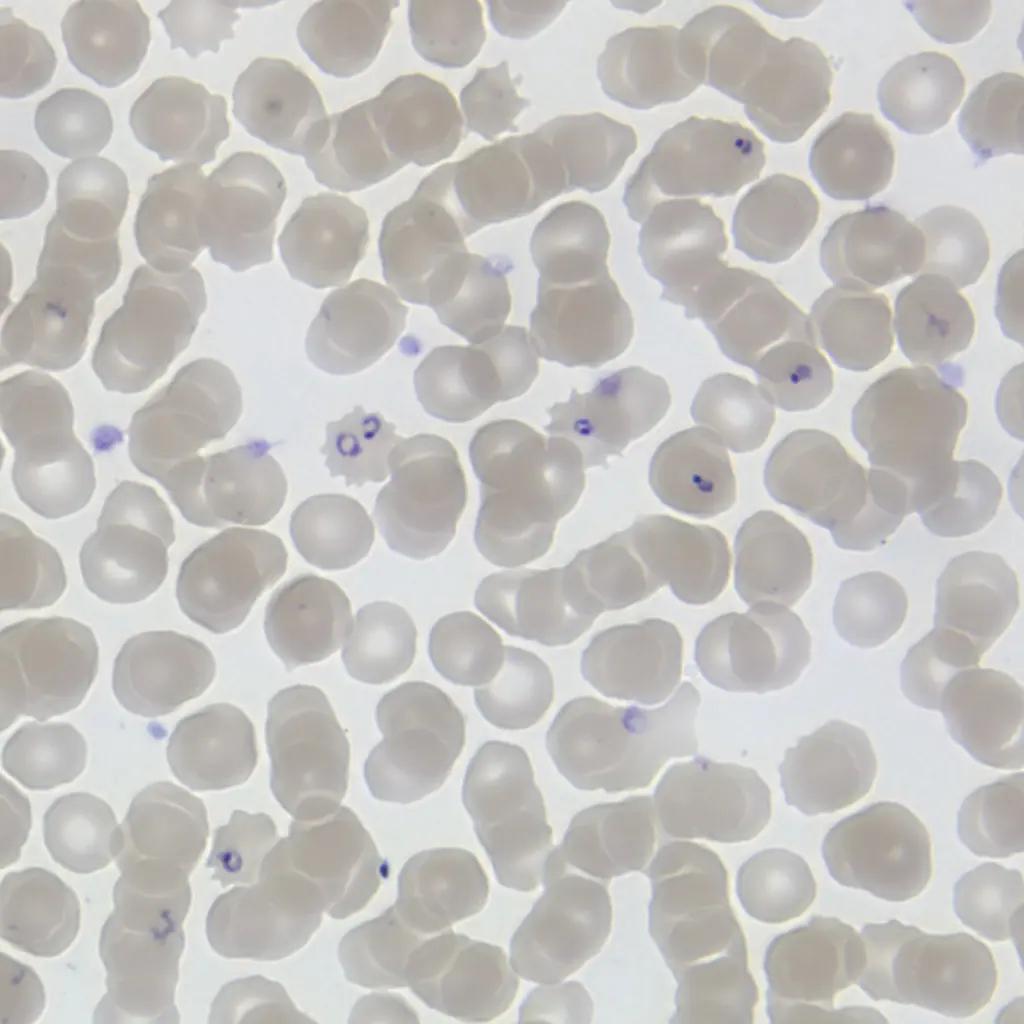
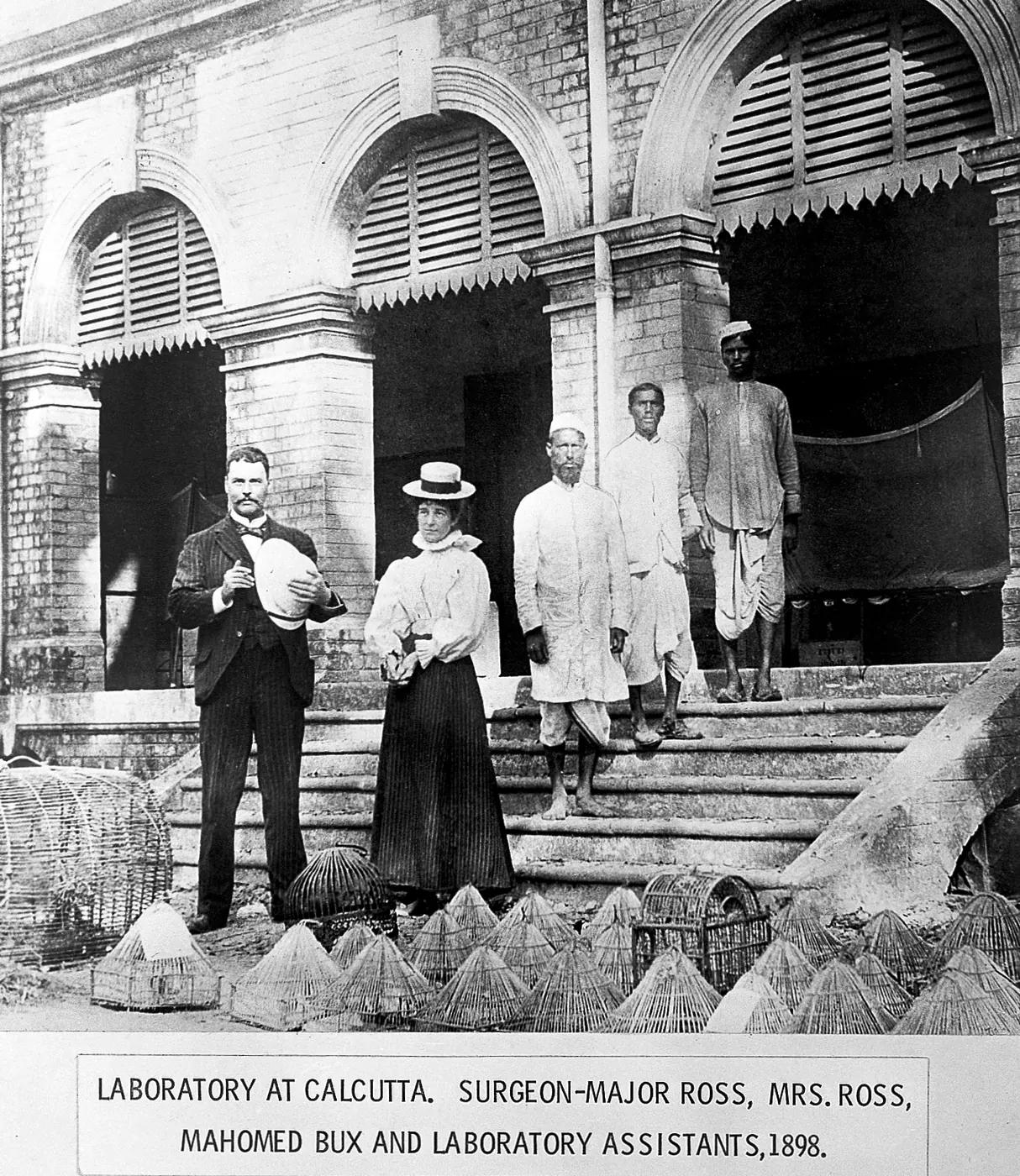
Medical science's position is that malaria is caused by Plasmodium parasites, which only female Anopheles mosquitoes transmit in ordinary life. The parasite completes its sexual stage inside the mosquito's gut, travels to its salivary glands and is injected with a bite. Its key test was run in 1900: two doctors, Louis Sambon and George Low, spent the malaria season in the marshes near Rome behind mosquito screens and stayed well while their neighbours fell ill. Meanwhile, infected mosquitoes shipped to London gave malaria to a volunteer who had never been near a swamp.
On the terrain points, mainstream medicine agrees that the body matters: immunity built up by surviving earlier infections, genetics, nutrition, pregnancy and housing all shape how sick a person gets. Its view is that they change the severity, not the cause. That is why WHO recommends insecticide-treated nets, preventive medicines and malaria vaccines.
Over to you
Your Verdict
A century and a half after Pasteur and Béchamp stopped arguing, their debate is louder than ever. One side says malaria is a parasite delivered by an insect. The other says it is what happens to bodies living in the wrong conditions, and that the mosquito has been framed.
Which argument was hardest to dismiss? Was Béchamp robbed, or did the better theory win? Is the mosquito a killer or a scapegoat?
Team Béchamp or Team Pasteur? Make your case in the comments wherever you found this post.
Is the mosquito a killer, or history's most convenient scapegoat?
Pertanyaan singkat
Jawaban ringkas untuk pertanyaan yang paling sering muncul pada topik ini.
- What is terrain theory?
- Terrain theory, associated with the French scientist Antoine Béchamp, holds that disease comes from a weakened internal environment and that microbes appear as a result of disease rather than causing it. It is a minority view; mainstream medicine follows germ theory while recognising that host health affects how severe an infection becomes.
- What does mainstream science say causes malaria?
- Plasmodium parasites, transmitted by the bites of female Anopheles mosquitoes. WHO recommends insecticide-treated nets, preventive medicines and vaccines for people in malaria areas.
- Did Pasteur say "the microbe is nothing, the terrain is everything"?
- The quotation is widely attributed to him on his deathbed, but historians have not found a record of it from his lifetime. It appears in later terrain-theory writing.
- Why is it called malaria?
- From the Italian mal'aria, meaning bad air, because for centuries people believed the fevers came from marsh vapours.
- Do all mosquitoes bite people?
- No. Of about 3,500 mosquito species, most do not bite humans, and males of every species drink nectar instead of blood. Many mosquitoes are pollinators and an important food for fish, birds and bats.
Sources and further reading
- World Health Organization: World malaria report 2025
- World Health Organization: Malaria fact sheet
- CDC: Malaria biology and life cycle
- The Nobel Prize: Ronald Ross, Nobel Prize in Physiology or Medicine 1902
- The Nobel Prize: Alphonse Laveran, Nobel Prize in Physiology or Medicine 1907
- The Nobel Prize: Julius Wagner-Jauregg, Nobel Prize in Physiology or Medicine 1927
- Wikipedia: Antoine Béchamp
- Britannica: Louis Pasteur
Panduan jawaban terkait topik ini
Kalau kamu ingin perbandingan langsung dan rekomendasi yang jelas, lanjutkan ke halaman jawaban berikut.
Best Animal Identification Apps
Compare the best animal identification apps by features like photo/video identification, species coverage, collection capabilities, offline use, and more.
What Is Animal Collecting
Learn what animal collecting means in modern apps and how AnimalDex turns real-world sightings into cards, sets, rarity, and species learning.
Pokemon-Like Animal App
Looking for a Pokemon-like animal app with real species? AnimalDex combines creature-collection energy with AI scanning and wildlife learning.
Panduan terkait

Animal rankings
What Is the Most Dangerous Animal? Deadliest Animals Ranked
The mosquito is the most dangerous animal, linked to over 600,000 malaria deaths a year. The deadliest animals by deaths and by encounter, explained.
10 menit baca
What Is the Most Agile Animal? 10 Most Agile Animals
The octopus is the most agile animal; peregrine falcons, dragonflies and cheetahs lead in the air and on land. The 10 most agile animals, explained.
11 menit baca

What Is the Most Adaptable Animal? 10 Most Adaptable Animals
The red fox is the most adaptable wild animal, from Arctic tundra to city streets. The 10 most adaptable animals, why they thrive and how it's measured.
9 menit baca