

Animal rankingsAgilityAnimal movement
What Is the Most Agile Animal? 10 Most Agile Animals
The octopus is the most agile animal; peregrine falcons, dragonflies and cheetahs lead in the air and on land. The 10 most agile animals, explained.
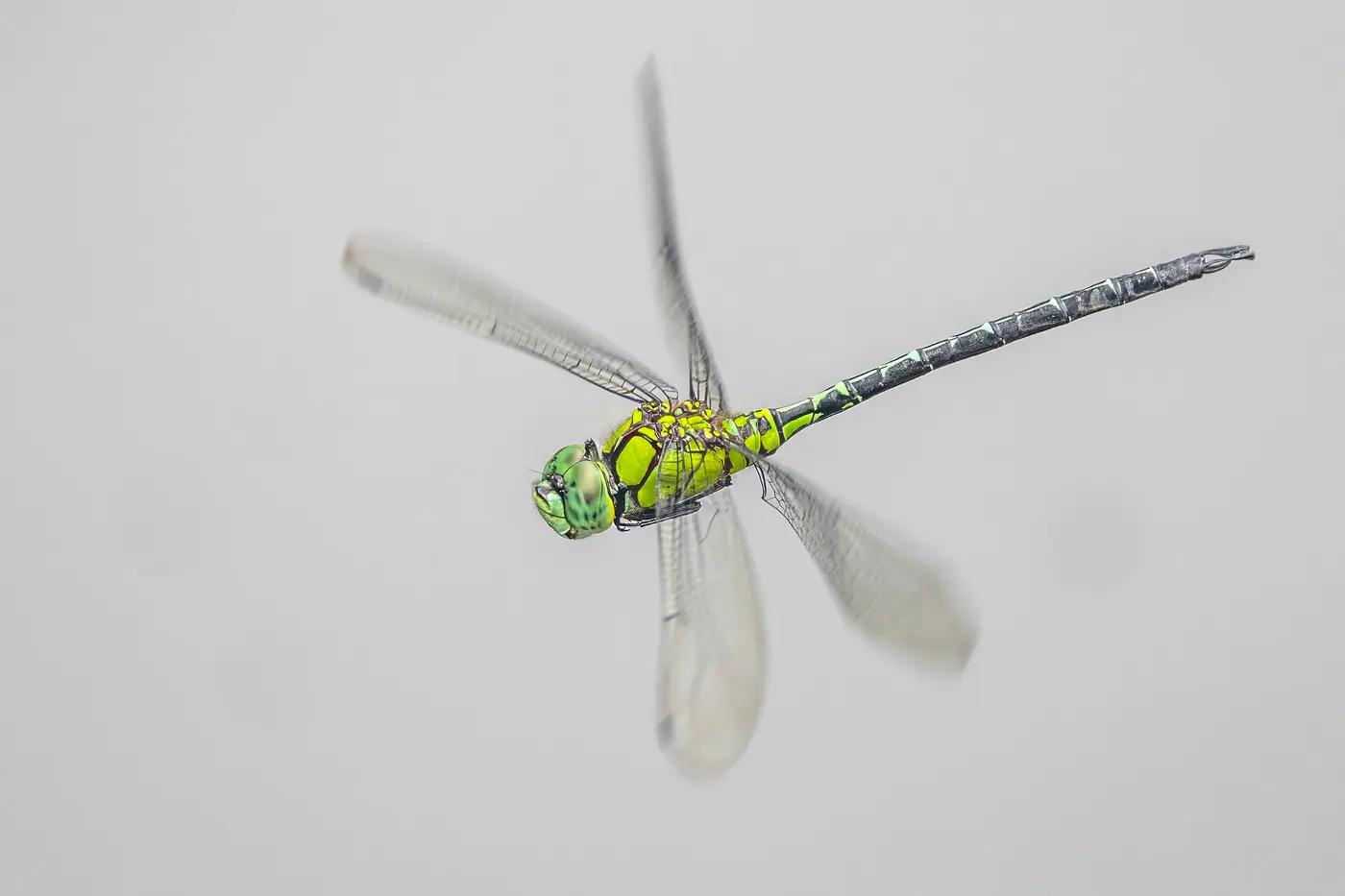
Quick answer: the most agile animal
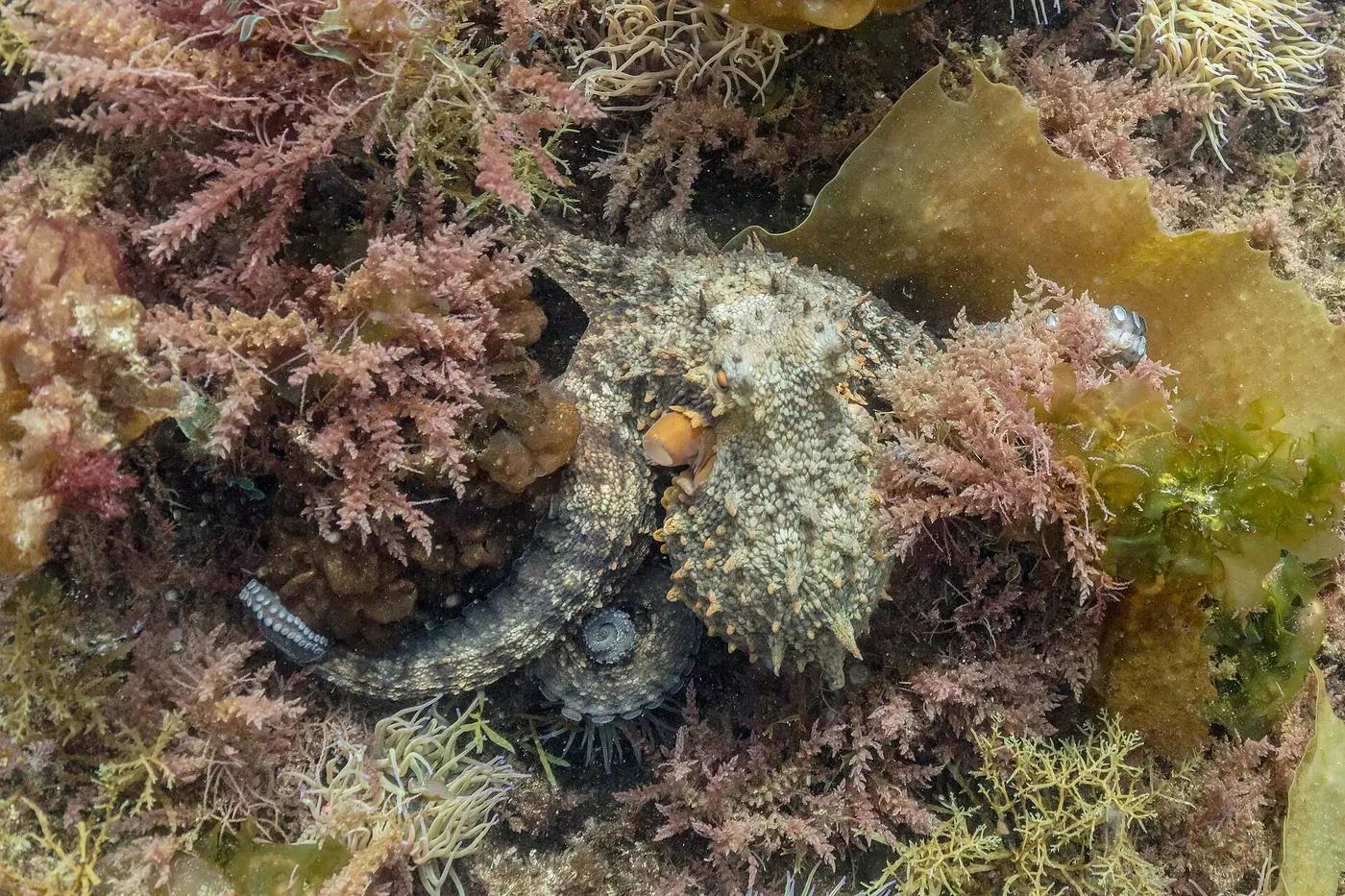
The octopus is the most agile animal in the world when agility means changing shape, speed and direction quickly while staying in control. It has no skeleton, so any part of its body can bend, twist or flatten; the only rigid part is its parrot-like beak, which means an octopus can pour itself through a gap not much wider than that beak. It walks on its arms, swims by jet propulsion, and switches between the two in a fraction of a second.
Other environments have their own winners. The peregrine falcon is the most agile bird at speed, correcting its line during dives faster than 300 km/h. The dragonfly is the most agile flier for its size: it hovers, flies backwards and intercepts prey in mid-air. The cheetah is the most agile land animal, because its hunts are won by acceleration, braking and turning rather than top speed. Dolphins lead among fast swimmers.
Agility is not the same thing as speed. A fast animal covers ground quickly in a straight line; an agile animal changes what it is doing quickly and still lands where it meant to. That is why the AnimalDex tier list puts a boneless mollusc above the cheetah, and why the fastest animal on Earth, the diving peregrine, earns its place here for what it does at the end of the dive rather than for the dive itself.
Most agile animals tier list (top 100)Fastest animal in the worldWhat is the most adaptable animal?Octopus species page
The 10 most agile animals, ranked
This is the same top ten as the AnimalDex most agile animals tier list, in the same order, led by the Octopus, Peregrine Falcon and Dolphin. Each entry names the kind of agility the animal shows, because a falcon's agility and a jumping spider's are different skills: one corrects a path at extreme speed, the other places its whole body on a target a few centimetres away.
The list mixes air, land and water on purpose. Ranking only land mammals would hand the title to the cheetah by default and hide the animals that do the hardest manoeuvring: the ones that turn in three dimensions, change body shape, or strike in thousandths of a second.
| Rank | Animal | Type of agility | Why it ranks |
|---|---|---|---|
| #1 | Octopus | Extreme body-control flexibility | Octopus may be the cleanest overall agility answer because its entire body can redirect, compress, and solve space problems in real time. |
| #2 | Peregrine Falcon | High-speed aerial correction | Peregrine falcon turns extreme velocity into controlled interception instead of pure chaos. |
| #3 | Dolphin | Fast underwater maneuvering | Dolphins blend speed with precision turning and body awareness in three-dimensional water space. |
| #4 | Dragonfly | Multi-axis flight control | Dragonflies stay elite because their flight changes direction with almost absurd efficiency. |
| #5 | Cheetah | High-speed turning stability | Cheetahs are not just fast. Their spine, tail, and limb control help them stay lethal while prey cuts away. |
| #6 | Jumping Spider | Precision leap control | Jumping spiders combine visual targeting with exact body placement in very small space. |
| #7 | Cuttlefish | Rapid vector shifts | Cuttlefish can pivot from stillness to fluid directional change with very little wasted motion. |
| #8 | Mantis Shrimp | Short-range strike control | Mantis shrimp earns a place because its movement and striking system stays precise even in cluttered reef conditions. |
| #9 | Leopard | Tree and ground mobility | Leopard combines quiet footwork, climbing, and close-range body control better than most large predators. |
| #10 | Secretarybird | Leg-driven evasive control | Secretary bird deserves more credit for how cleanly it manages spacing, timing, and foot placement during snake engagements. |
See all 100 on the most agile animals tier list
OctopusPeregrine FalconDolphinDragonflyCheetahJumping SpiderCuttlefishMantis ShrimpLeopardSecretarybird
Why the top five are so agile
Each of the top five solves a different movement problem, and each has been measured closely enough that the ranking rests on more than reputation.
Jumping spider
Leaps many times its own body length with a hydraulic push: it raises its blood pressure to straighten its back legs, because spider legs lack extensor muscles at two joints. Large forward eyes judge distance, and it fixes a silk safety line before it jumps.
Cuttlefish
A fin running around the whole body lets it hover, drift and reverse with fine control, while the jet handles escapes. Its two feeding tentacles shoot out to grab prey in a fraction of a second.
Mantis shrimp
The peacock mantis shrimp's club accelerates at more than 10,000 g and reaches about 23 m/s, fast enough to form cavitation bubbles in the water (Patek and colleagues, Nature, 2004).
Leopard
Climbs with kills heavier than itself, moves along branches, and comes down trunks head first. Few large predators are this precise in cluttered, vertical terrain.
Secretarybird
Kills snakes by stamping on them. Measurements published in 2016 found a kick force of about five times the bird's body weight, delivered in roughly 15 milliseconds and aimed at the snake's head.
Octopus: a body that can go anywhere
A common octopus has around 500 million neurons, and about two-thirds of them sit in its arms rather than its central brain. Each arm can sense, grip and adjust its own movement while the brain sets the goal, so eight limbs with hundreds of independently controlled suckers work at once without tangling.
For escapes it switches to jet propulsion: water drawn into the mantle cavity is forced out through the siphon, and because the siphon can be aimed, the octopus steers the jet. It can go from motionless to a burst of speed, change direction, release ink, and flatten into a crevice that would stop any vertebrate of the same weight.
Peregrine falcon: control at extreme speed
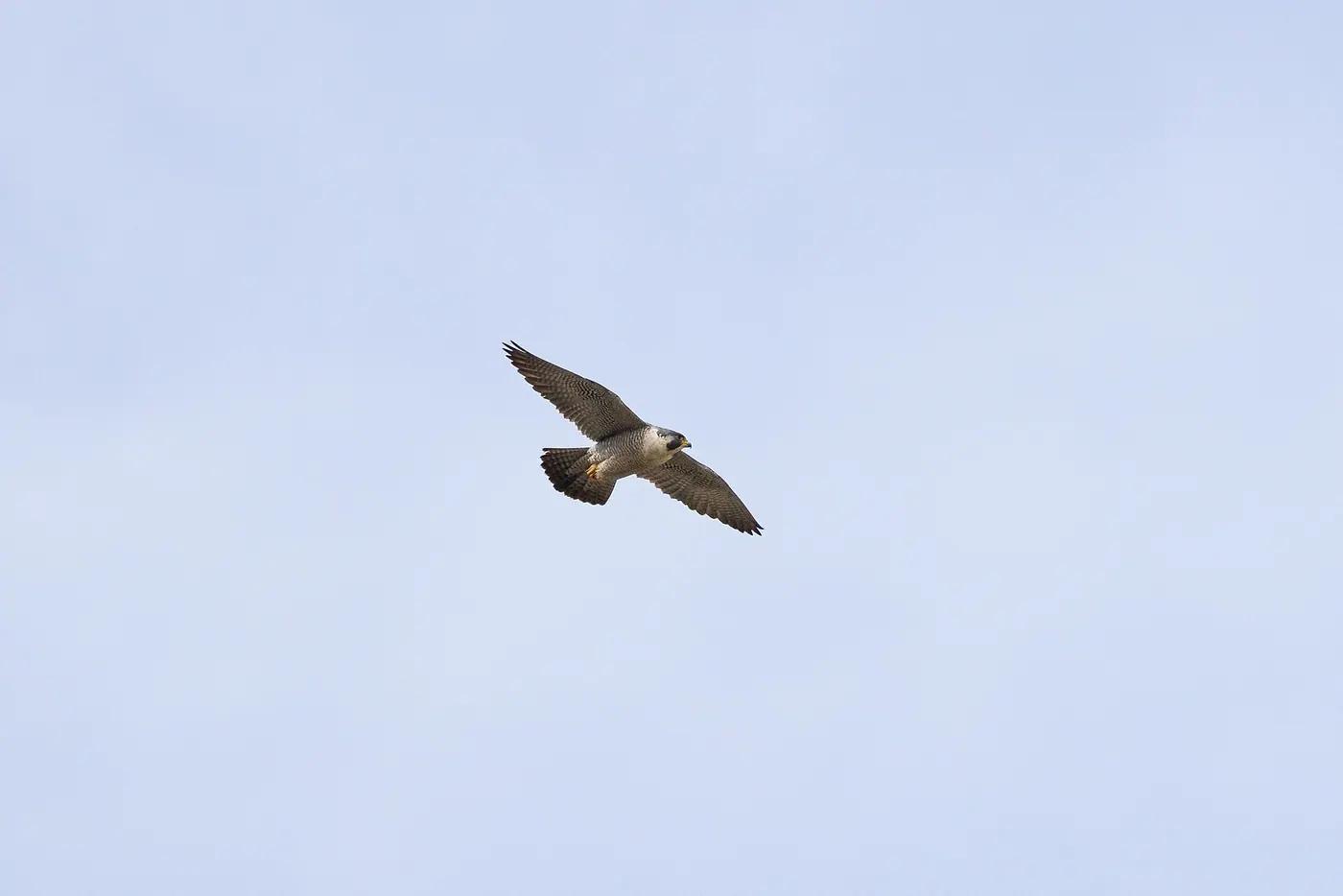
Peregrines hunt other birds in the air, usually by stooping from height, and dives above 320 km/h (200 mph) have been measured. Speed alone would make them miss. A 2017 study in PNAS by Brighton, Thomas and Taylor tracked attacking falcons with onboard cameras and GPS and found that their flight paths follow proportional navigation, the guidance law used by many homing missiles: the falcon turns at a rate proportional to how fast its line of sight to the target is rotating.
That lets a peregrine keep correcting during the stoop and still connect with a pigeon that dodges at the last moment, then pull out of the dive under heavy g-forces.
Dolphin: turning in three dimensions
Dolphins combine bursts of more than 30 km/h with tight turns. They steer with the pectoral flippers, stabilise with the dorsal fin, and flex the body hard in the vertical plane, which is why they can leap, twist and re-enter the water cleanly. Spinner dolphins make several full rotations in a single leap. Bottlenose dolphins hunting in shallow water chase fish across mud banks and turn on their sides to follow them through channels barely deeper than their bodies.
Dragonfly: four wings, four controllers
A dragonfly drives each of its four wings with its own flight muscles, so it can change the angle and timing of each wing separately. The result is an insect that hovers, flies sideways and backwards, and turns sharply within a few wingbeats. A 2014 study in Nature by Mischiati and colleagues showed that dragonflies steer to intercept prey by predicting where it will be, using internal models of their own body and the target's motion, and lab studies of some species record capture success rates above 90 percent.
Cheetah: braking and turning, not just top speed
In 2013 Alan Wilson's team published the first detailed tracking of wild cheetahs in Nature, using GPS and motion-sensor collars on cheetahs in Botswana across 367 runs. The fastest run reached 25.9 m/s, about 93 km/h, but most hunts happened well below top speed. What decided them was how hard the cat could accelerate, brake and turn as the prey cut away. The long tail swings as a counterweight in turns, and the semi-retractable claws grip the ground like running spikes.
Most agile animals by category: air, land and water
Ask which animal is the most agile and the honest answer depends on where it moves. These are the category winners most biologists would recognise, with the reason each one leads.
| Category | Most agile | Why it leads |
|---|---|---|
| Air, at speed | Peregrine falcon | Keeps correcting its line during dives above 300 km/h and intercepts birds that dodge |
| Air, close manoeuvring | Dragonfly | Four independently driven wings: hovers, flies backwards, predicts the prey's path |
| Hovering bird | Hummingbirds | The only birds that sustain hovering and can fly backwards |
| Land, open ground | Cheetah | Hunts are won by acceleration, braking and turning at speed |
| Land, trees | Gibbons | Swing arm over arm through the canopy, letting go between handholds |
| Land, cliffs | Alpine ibex and mountain goat | Split, flexible hooves grip ledges on near-vertical rock |
| Water, open sea | Dolphins | Tight turns at speed, leaps and spins |
| Water, close quarters | Octopus | No skeleton: squeezes, jets and changes shape on the move |
| Pets | Cat | The righting reflex turns a falling cat feet-down in a fraction of a second |
Peregrine falconRuby-throated hummingbirdAlpine ibexMountain goatDomestic cat
Peregrine FalconRuby-throated HummingbirdAlpine IbexCat
How agility is measured, and the common myths
In biomechanics, agility is the rate at which an animal can change its velocity: speeding up, slowing down and changing direction. Researchers measure it as peak acceleration and deceleration, turning radius, how fast the body rotates, and how long the animal takes to respond to a target that moves. The tools are high-speed video for small animals such as dragonflies and mantis shrimp, motion-sensor collars for cheetahs, and onboard cameras and GPS for falcons.
Size matters. As animals get smaller, the force their muscles produce shrinks more slowly than their mass and inertia, so small animals can turn and accelerate faster relative to their size. Fruit flies can bank away from a looming threat in well under a tenth of a second. That is one reason insects, spiders and small birds dominate the manoeuvring end of any agility list, and why a large animal that is still agile, such as a leopard, is impressive.
Myth: the fastest animal is the most agile
Top speed and agility are separate measurements. Many fast animals are poor at turning, and the cheetah's own hunts are decided by braking and cornering, not by the straight-line record.
Myth: the cat is the most agile animal
Cats are among the most agile mammals, with a righting reflex that rotates them in mid-air, but they do not out-turn a dragonfly or out-manoeuvre an octopus in a confined space.
Myth: flexibility is agility
Flexibility helps only when it is controlled. The octopus ranks first because it pairs an unlimited range of motion with fine control of every arm.
Myth: big animals can't be agile
Leopards, gibbons and dolphins weigh tens to hundreds of kilograms and still move with precision. Big animals have to work harder for it, which is why they are rarer on the list.
Where to watch agile animals yourself
Several animals on this list are easy to see. Dragonflies patrol ponds and slow rivers on warm, sunny days from late spring to early autumn, and their hunting flights are easiest to follow along a stretch of bank. Jumping spiders hunt on sunlit walls, fences and window frames. Peregrines nest on cathedrals, bridges and office towers in many cities, and local nest cameras often show where to look. Dolphins can be watched from headlands and ferries in many coastal regions.
If you want to keep a record, AnimalDex captures are live photos taken in the app, not gallery uploads, so the moment you log is the moment you saw the animal. Keep your distance from nesting falcons and never chase marine mammals for a closer shot.
Wildlife photography without disturbing animalsWhy jumping spiders are so preciseWildlife photography companion app
Pertanyaan singkat
Jawaban ringkas untuk pertanyaan yang paling sering muncul pada topik ini.
- What is the most agile animal in the world?
- The octopus is the most agile animal overall. It has no skeleton, controls each arm semi-independently, and switches between crawling, jetting and squeezing through gaps in a fraction of a second. In the air the peregrine falcon and the dragonfly lead, on land the cheetah leads, and among fast swimmers dolphins are the most agile.
- What is the most agile land animal?
- The cheetah is the most agile land animal. Collar studies of wild cheetahs in Botswana showed that hunts are won by acceleration, braking and sharp turns rather than top speed, with the tail acting as a counterweight. In trees, gibbons and leopards are the most agile; on cliffs, ibex and mountain goats are.
- What is the most agile bird?
- The peregrine falcon is the most agile bird at high speed: it keeps correcting its course during dives above 300 km/h and catches birds that dodge at the last moment. For close manoeuvring, hummingbirds are the most agile birds, because they can hover in place and fly backwards, which no other bird group sustains.
- What is the most agile insect?
- The dragonfly is the most agile insect. Each of its four wings is driven by its own muscles, so it can hover, fly sideways and backwards, and turn within a few wingbeats. Dragonflies also predict where their prey is going and steer to intercept it, and some species catch prey in more than nine of every ten attempts in lab studies.
- Is a cat the most agile animal?
- No, but cats are among the most agile mammals. Their flexible spine and righting reflex let them turn feet-down in mid-air and land from falls that would injure other animals. On a full ranking across air, land and water, the octopus, peregrine falcon, dragonfly, dolphin and cheetah all rank higher.
- Is agility the same as speed?
- No. Speed is how fast an animal can travel; agility is how quickly it can change speed and direction while staying in control. The peregrine falcon is both the fastest animal and highly agile, but many fast animals turn poorly. Small animals are often more agile than large ones because they carry less inertia.
Hewan yang disebut
Lompat dari artikel ini ke halaman spesies di balik contoh, catatan systems, dan referensi field guide.
OctopusPeregrine FalconDolphinDragonflyCheetahJumping SpiderCuttlefishMantis ShrimpLeopardSecretarybirdRuby-throated HummingbirdAlpine IbexCat
Sources and further reading
- Brighton, Thomas and Taylor, Terminal attack trajectories of peregrine falcons are described by the proportional navigation guidance law of missiles, PNAS (2017)
- Wilson et al., Locomotion dynamics of hunting in wild cheetahs, Nature (2013)
- Mischiati et al., Internal models direct dragonfly interception steering, Nature (2014)
- Patek, Korff and Caldwell, Deadly strike mechanism of a mantis shrimp, Nature (2004)
- Portugal et al., The fast and forceful kicking strike of the secretary bird, Current Biology (2016)
Panduan jawaban terkait topik ini
Kalau kamu ingin perbandingan langsung dan rekomendasi yang jelas, lanjutkan ke halaman jawaban berikut.
Best Animal Identification Apps
Compare the best animal identification apps by features like photo/video identification, species coverage, collection capabilities, offline use, and more.
What Is Animal Collecting
Learn what animal collecting means in modern apps and how AnimalDex turns real-world sightings into cards, sets, rarity, and species learning.
Pokemon-Like Animal App
Looking for a Pokemon-like animal app with real species? AnimalDex combines creature-collection energy with AI scanning and wildlife learning.
Comparisons terkait
Lanjutkan ke halaman comparison animal-vs-animal terstruktur yang terhubung dengan spesies di panduan ini.
Cuttlefish vs Octopus: Which Is Smarter?
Octopus gets the edge in direct manipulation and puzzle-style problem solving. Cuttlefish gets the edge in visual signaling, camouflage control, and rapid display-based adaptation. The smartest answer depends on the task format.
Dolphin vs Octopus: Which Is Smarter?
Dolphin gets the edge in social intelligence, communication, and group learning. Octopus gets the edge in solitary problem solving, manipulation, and flexible immediate adaptation. The smartest answer still depends on the task.
Leopard vs Cheetah: Differences and Who Would Win
Leopard usually has the edge in a direct fight. Cheetah is faster in open ground, but leopard is stronger, more durable, and better built for close-range violence.
Bald Eagle vs Peregrine Falcon: Who Would Win in a Fight?
Peregrine falcon wins the speed question clearly. Bald eagle usually gets the overall edge in a direct clash because size, talon grip, and durability matter more once contact happens.
Panduan terkait
Animal rankings
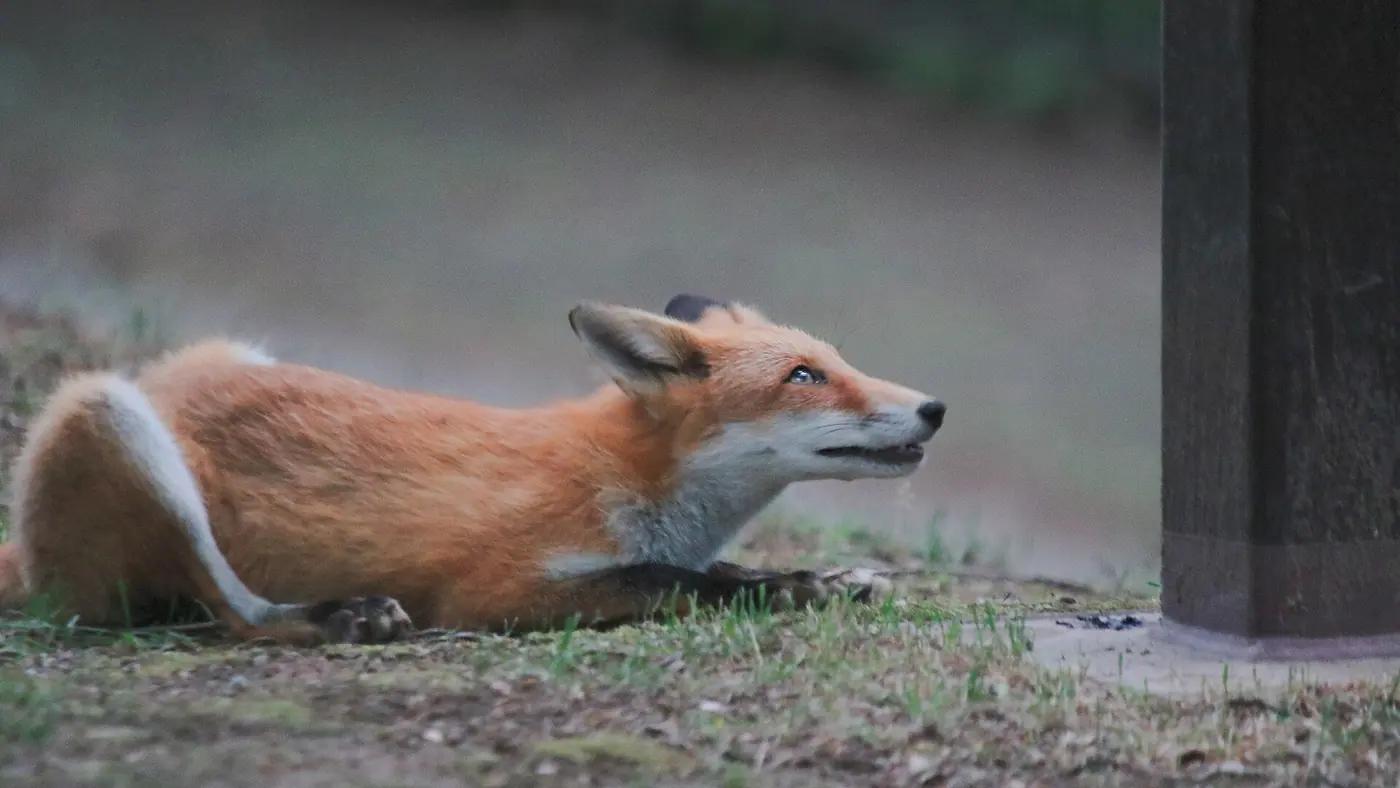
What Is the Most Adaptable Animal? 10 Most Adaptable Animals
The red fox is the most adaptable wild animal, from Arctic tundra to city streets. The 10 most adaptable animals, why they thrive and how it's measured.
9 menit baca
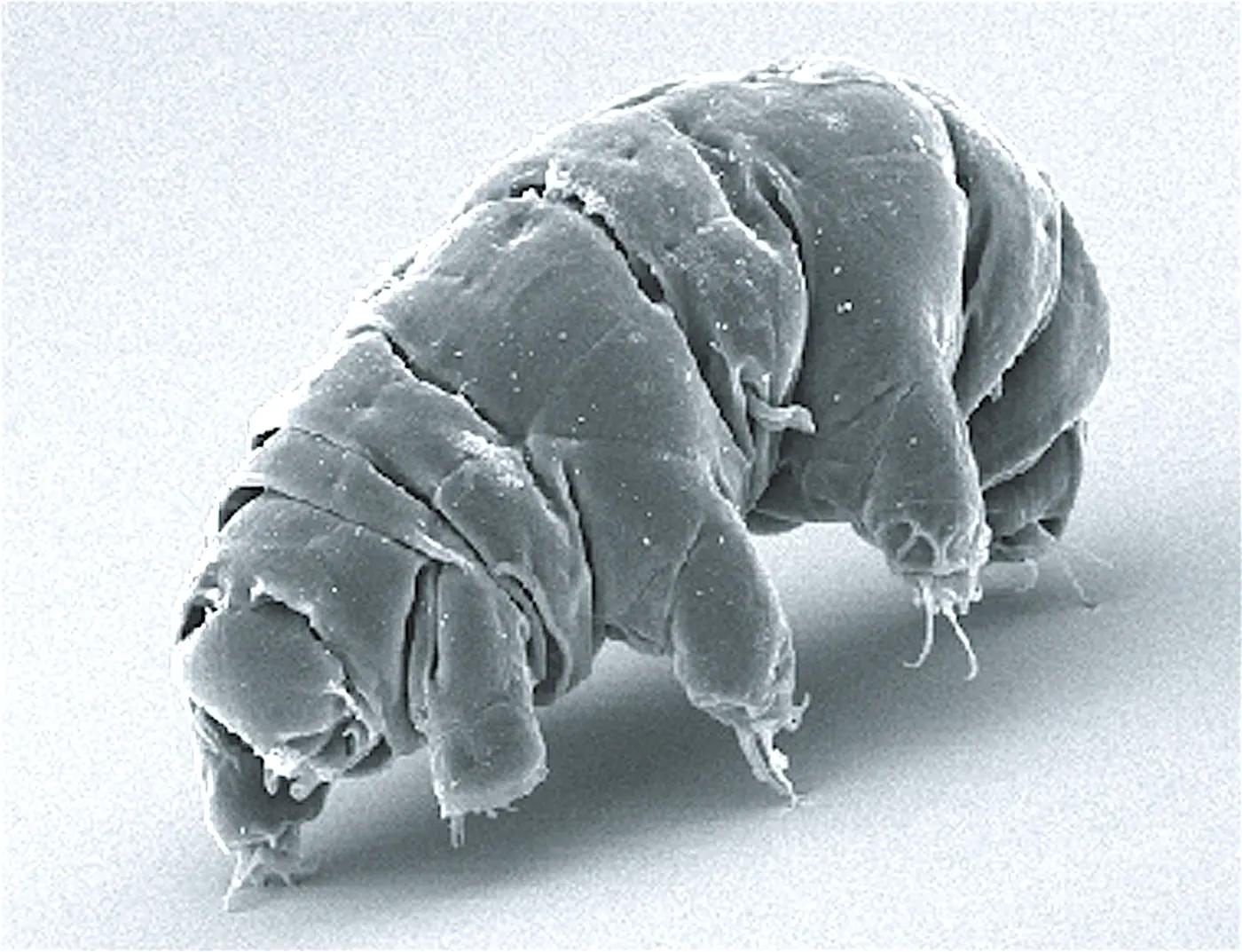
What Is the Most Resilient Animal? 10 Toughest Survivors
The tardigrade is the most resilient animal known, surviving space, radiation and near absolute zero. The 10 toughest animals, and resilience vs strength.
10 menit baca
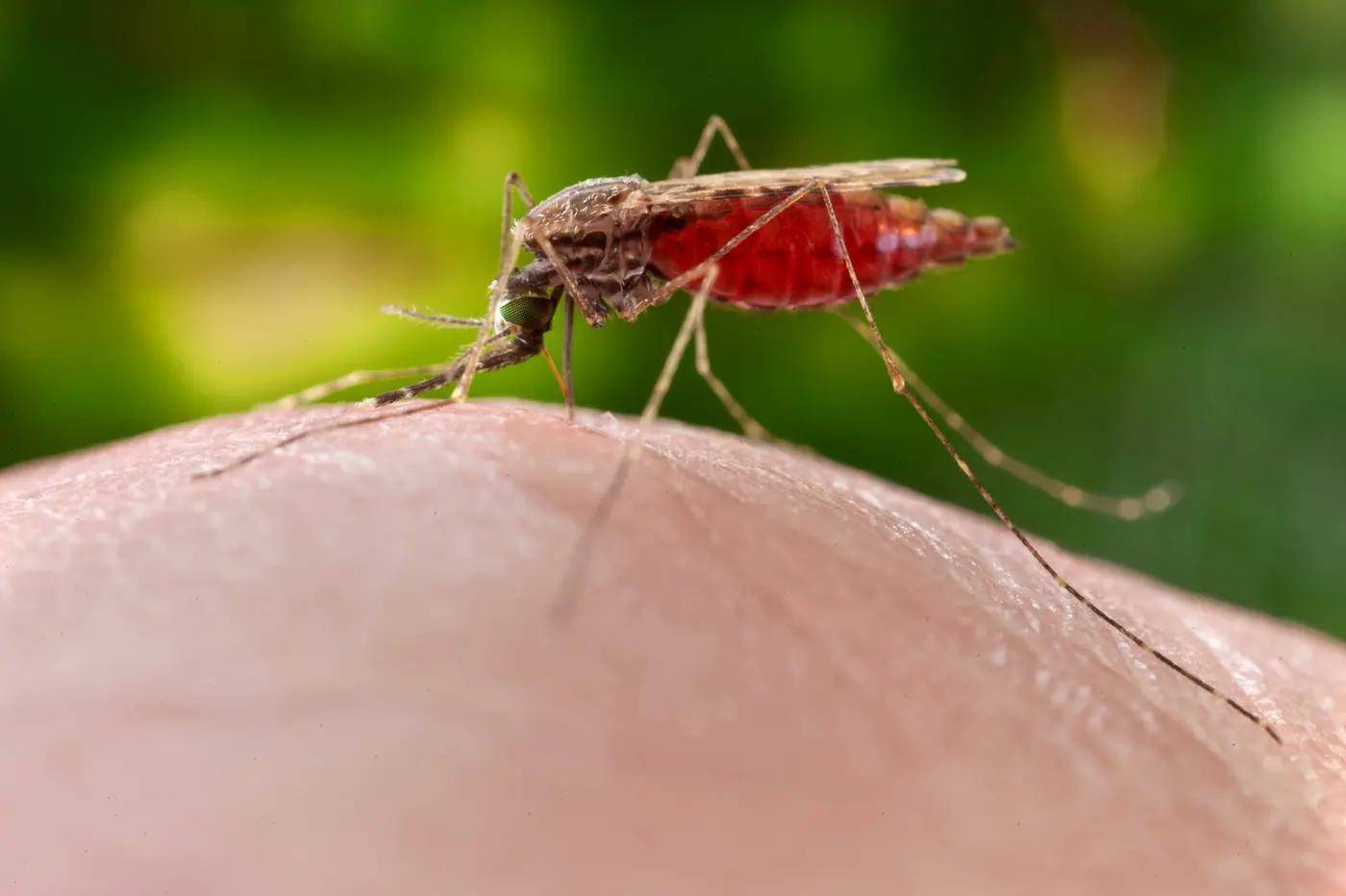
What Is the Most Dangerous Animal? Deadliest Animals Ranked
The mosquito is the most dangerous animal, linked to over 600,000 malaria deaths a year. The deadliest animals by deaths and by encounter, explained.
10 menit baca