

Animal rankingsDangerous animalsVenomous animals
What Is the Most Dangerous Animal? Deadliest Animals Ranked
The mosquito is the most dangerous animal, linked to over 600,000 malaria deaths a year. The deadliest animals by deaths and by encounter, explained.
Listen to this story
Quick answer: the most dangerous animal
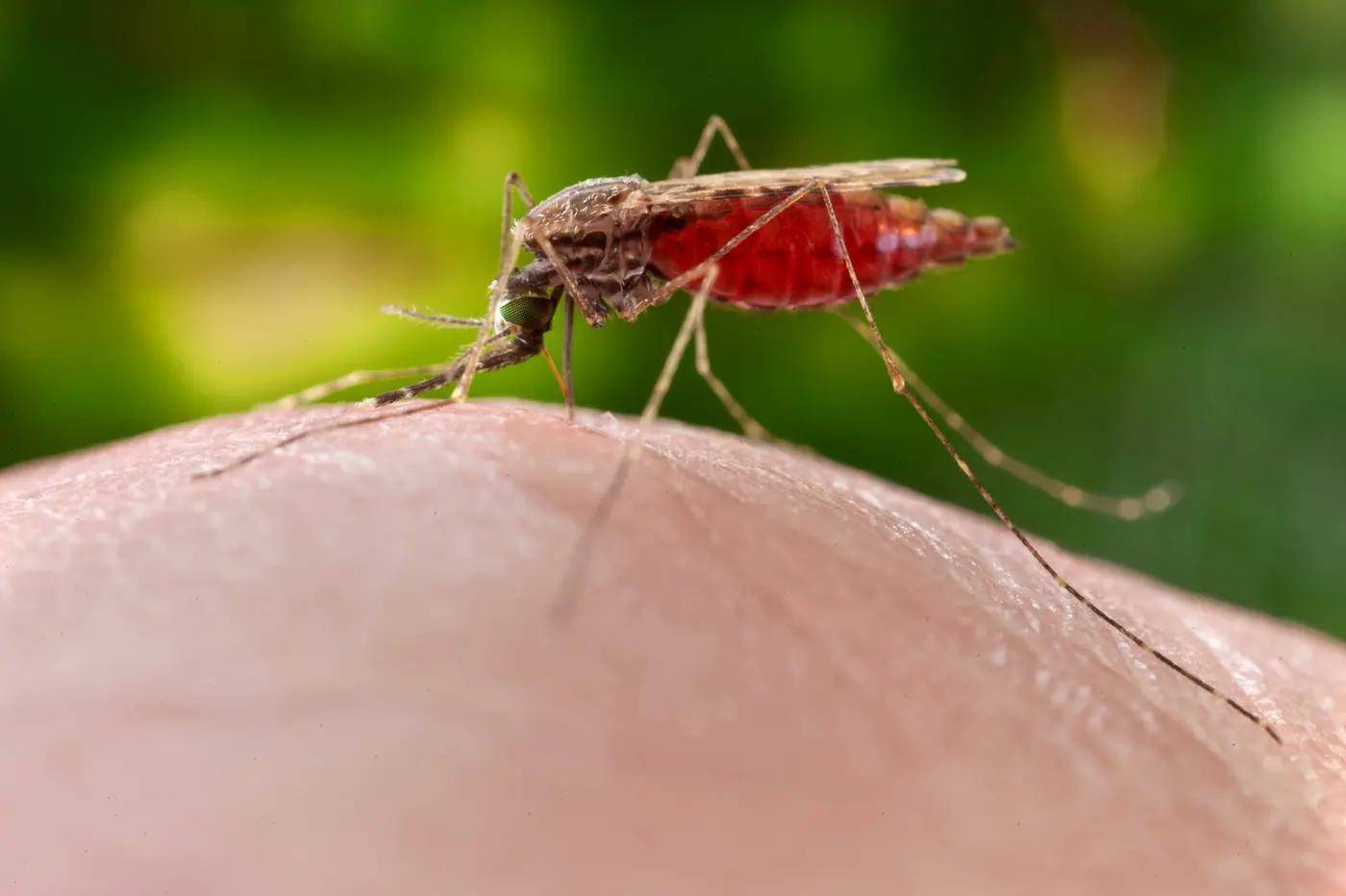
The mosquito is the most dangerous animal in the world. By spreading malaria, dengue, yellow fever, Zika and other diseases, mosquitoes are linked to more human deaths than any other animal. Malaria alone, carried by Anopheles mosquitoes, caused an estimated 610,000 deaths in 2024 according to the World Health Organization, about 95 percent of them in Africa and most of them children under five.
Measured by what happens if you meet one, the answer changes. The AnimalDex tier list ranks the danger of a wild encounter turning lethal, leaves disease carriers out, and puts the Crocodile first, followed by the Hippopotamus and Elephant. Both answers are right; they answer different questions.
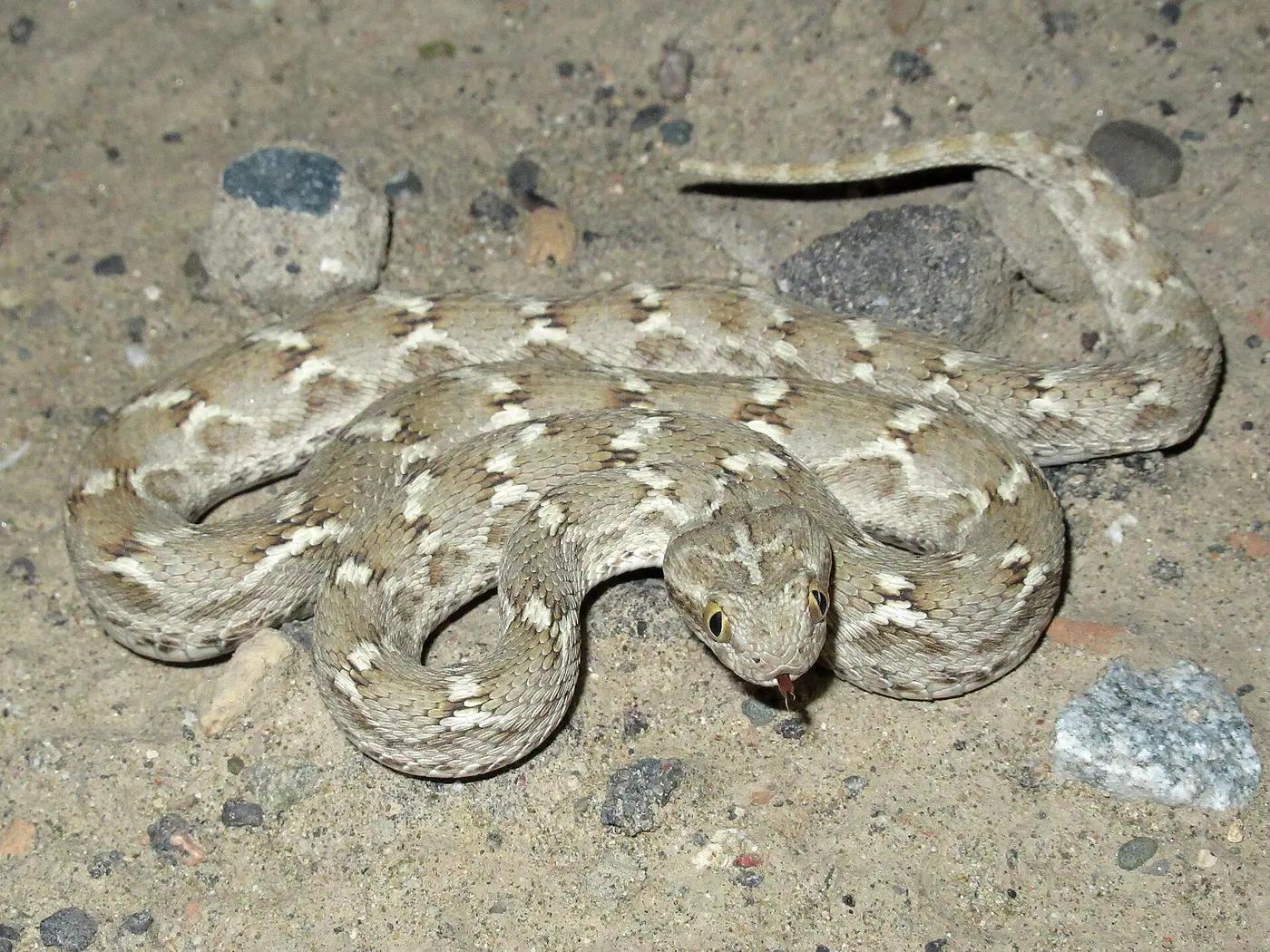
Dangerous is also not the same as venomous or aggressive. The inland taipan has the most toxic venom of any land snake in lab tests but has caused very few deaths; the saw-scaled viper is far less toxic and kills many more people, because it lives where people farm and walk barefoot.
Most dangerous animals tier list (top 100)Deadliest animals to humans in the wildWhat is the most resilient animal?Mosquito species page
Deadliest animals by human deaths per year
Counting deaths puts small animals that carry disease far above the predators people fear. These figures are estimates, and the ones for large wild animals are rough, because many deaths happen in rural areas where they are never formally recorded.
| Animal | Estimated deaths per year | How it kills |
|---|---|---|
| Mosquitoes | More than 600,000 from malaria alone (WHO, 2024), plus dengue and other diseases | Transmits parasites and viruses while feeding |
| Humans | About 458,000 homicides (UNODC, 2021) | Violence |
| Snakes | 81,410 to 137,880 (WHO) | Venomous bites, mostly in rural Asia and Africa |
| Dogs | Tens of thousands (WHO) | Rabies: dogs cause up to 99 percent of human cases |
| Kissing bugs | More than 10,000 (WHO) | Spread Chagas disease |
| Crocodiles | Hundreds to about 1,000 (rough estimates) | Ambush attacks, mainly Nile and saltwater crocodiles |
| Elephants | About 500 in India alone (government figures) | Trampling during crop raiding and chance encounters |
| Hippopotamuses | Often quoted as about 500 (poorly documented) | Attacks on boats and people near water |
| Sharks | Usually under 10 unprovoked deaths (International Shark Attack File) | Bites, mostly by great white, tiger and bull sharks |
The 10 most dangerous animals to meet in the wild
This is the editorial top ten from the AnimalDex most dangerous animals tier list, in the same order: Crocodile, Hippopotamus, Elephant, King Cobra, Black Mamba, Great White Shark, Lion, Tiger, White Rhinoceros and Honey Badger. It ranks the risk that a close encounter ends in death or serious injury, combining lethality, temperament, speed and how often the animal is met.
The mosquito is not on it because the tier list deliberately leaves out disease carriers. That is a different question, covered by the deaths-per-year table above.
| Rank | Animal | Danger profile | Why it ranks |
|---|---|---|---|
| #1 | Crocodile | Ambush lethality | Crocodiles combine stealth, crushing force, and water-edge surprise into one of the harshest large-animal danger profiles. |
| #2 | Hippopotamus | Extreme close-range danger | Hippos are not predators, but they remain one of the most dangerous large animals because of aggression and brute short-range violence. |
| #3 | Elephant | Mass-based lethal force | Elephants are usually calm, but when a conflict turns serious, body scale alone makes the outcome terrifying. |
| #4 | King Cobra | Lethal venom and control | King cobra belongs near the top because one clean venom-delivery event can decide everything. |
| #5 | Black Mamba | Fast venomous strike | Black mamba stays iconic for exactly the reason you would expect: speed plus extremely dangerous venom. |
| #6 | Great White Shark | Apex marine attack danger | Great white is not the most likely animal to encounter, but the danger profile is still severe once the attack occurs. |
| #7 | Lion | Predatory finishing danger | Lion remains one of the clearest examples of a large predator that can turn opportunity into fatal force quickly. |
| #8 | Tiger | Heavy ambush danger | Tiger is one of the most dangerous solitary predators on Earth because it combines stealth and finishing power. |
| #9 | White Rhinoceros | Charge and horn danger | Rhinoceros belongs because one bad encounter with a charging megaherbivore is catastrophically serious. |
| #10 | Honey Badger | Small-body high-friction danger | Honey badger is not here for raw lethality alone, but because its fight tolerance and escalation profile make it extremely dangerous to underestimate. |
See all 100 on the most dangerous animals tier list
CrocodileHippopotamusElephantKing CobraBlack MambaGreat White SharkLionTigerWhite RhinocerosHoney Badger
Why the top picks are so dangerous
Most of the animals on the list are not hunting people. They are defending space, young or food, or they mistake a person for ordinary prey.
Great white shark
Responsible for the most recorded unprovoked shark bites of any species, though total shark fatalities are usually under ten a year worldwide.
Lion and tiger
Man-eating is rare and usually tied to injury, old age or prey loss, but the Tsavo lions of 1898 and the tigers of the Sundarbans mangroves show how lethal it can be.
White rhinoceros
Generally the calmer of the two African rhinos; the black rhino charges more readily. Either can kill with a charge.
Honey badger
Ranked for its escalation profile: it fights animals many times its size and does not back down, which makes it dangerous to underestimate.
Crocodile: the ambush predator that does hunt people
Nile and saltwater crocodiles are the large predators most likely to treat a person as prey. They wait submerged at places people use every day, such as water points, fords and washing spots, and an attack is usually a single lunge and a drag into deep water. Saltwater crocodiles can exceed 6 m, and both species account for most of the hundreds of fatal crocodile attacks each year.
Hippopotamus: the herbivore with a short temper
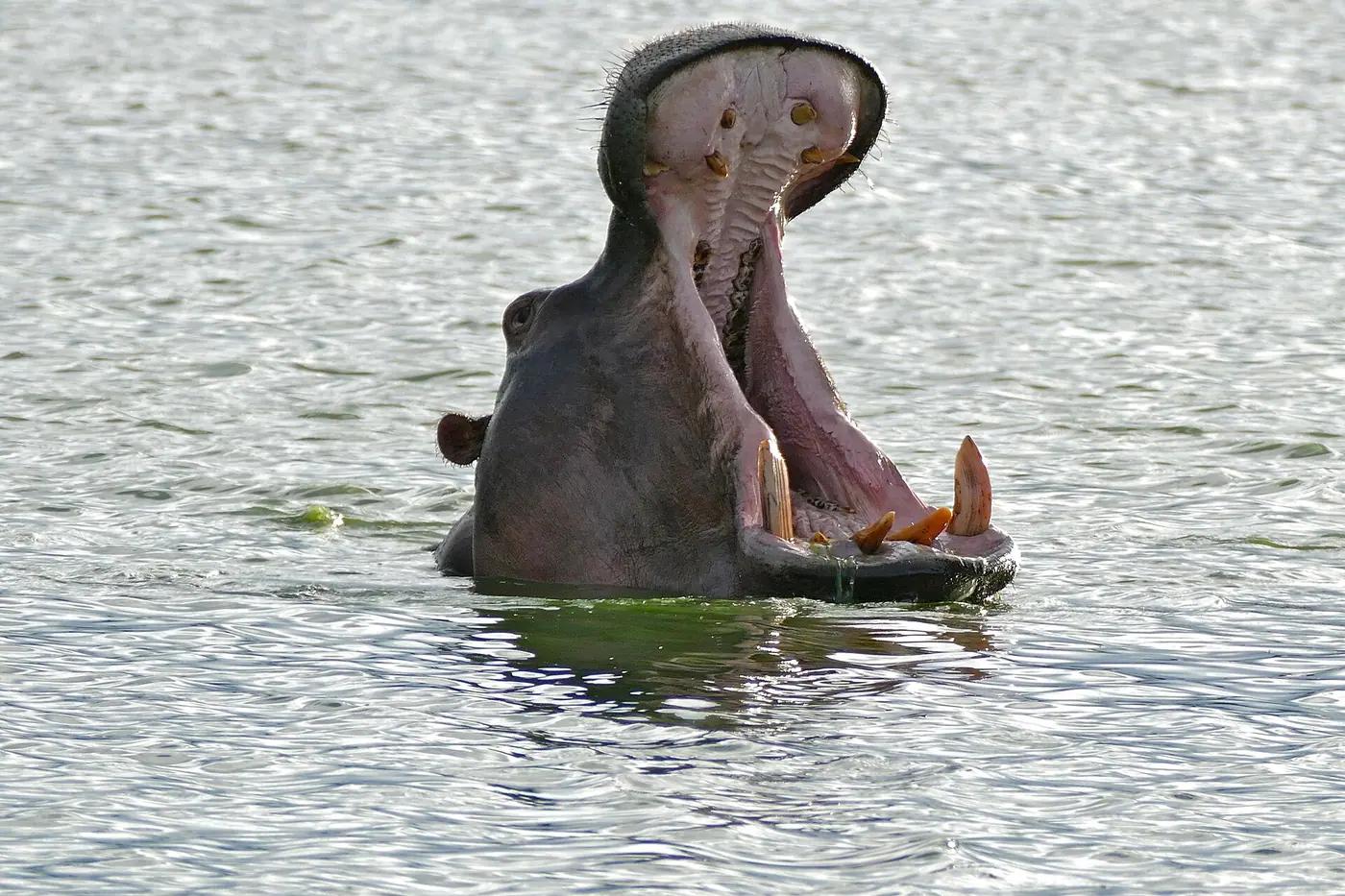
Hippos eat grass, but males defend stretches of river and females defend calves, and both will charge people and capsize boats. An adult can weigh 1,500 kg or more, run faster than a person over short distances, and bite with lower canines up to about 50 cm long. Many attacks happen at night when hippos leave the water to graze and someone walks between a hippo and the river.
Elephant: danger from sheer size
Elephants are usually calm, but conflict over crops, roads and water brings them into close contact with people, especially in India and parts of Africa. A charging elephant weighs several tonnes, and Indian government figures put deaths from elephant encounters at around 500 people a year.
King cobra and black mamba: venom delivered fast
The king cobra is the longest venomous snake, sometimes over 5 m, and injects a large volume of neurotoxic venom; bites are rare because it usually avoids people. The black mamba is fast for a snake, can raise the front of its body high off the ground, and an untreated bite was historically almost always fatal. Antivenom changed that, where it is available.
How crocodiles dominate the water's edgeHow king cobras survive and hunt other snakesHow tigers survive as solo apex hunters
Venomous vs dangerous vs aggressive
These words are often used as if they mean the same thing. They do not, and mixing them up is behind most confusing rankings of dangerous animals.
| Term | What it means | Best example | Why it is not the same thing |
|---|---|---|---|
| Venomous | Injects toxin through a bite or sting | Inland taipan: the most toxic land snake venom in lab tests | Shy and remote, with very few recorded deaths |
| Poisonous | Toxic to eat or touch | Golden poison frog: enough toxin on its skin to kill several people | Only harmful if handled or eaten |
| Aggressive | Quick to attack or defend | Hippopotamus, Cape buffalo, honey badger | Aggression only matters if people are nearby |
| Dangerous | Actually causes deaths or serious injury | Mosquito by deaths; crocodile by encounter | Depends on how often people meet the animal |
Golden poison frogCape buffaloAustralian box jellyfishBlue-ringed octopus
Golden Poison FrogBlue-ringed Octopus
Most dangerous animals by category
The deadliest animal in each setting is rarely the one in the films.
| Category | Most dangerous | Why |
|---|---|---|
| Overall, by deaths | Mosquito | Hundreds of thousands of deaths a year from malaria and other diseases |
| Large land animal | Hippopotamus | Territorial, fast over short distances, often near people at water |
| Freshwater and estuaries | Nile and saltwater crocodiles | The large predators most likely to hunt people |
| Sea | Box jellyfish | Chironex fleckeri venom can kill a person within minutes |
| Snake, by deaths | Saw-scaled vipers | Common, well camouflaged, often around farmland |
| Snake, by venom | Inland taipan | Most toxic venom of any land snake in lab tests |
| United States | Deer | Vehicle collisions with deer kill more people each year than bears, sharks and snakes combined |
| Africa, wild animals | Hippopotamus and Nile crocodile | Both kill people every year along rivers and lakes |
How danger is measured, and how to stay safe
There are three common ways to rank dangerous animals, and they give different winners. Deaths per year favours common animals that carry disease. Risk per encounter favours large predators and short-tempered herbivores. Venom potency, usually measured as the dose that kills half of lab mice, favours snakes, jellyfish and cone snails that may rarely meet a person. A good ranking says which of these it uses, which is why the tier list states that disease vectors are excluded.
For most people the practical risks are mosquitoes, dogs and traffic collisions with wildlife, not sharks or lions. Sleeping under insecticide-treated nets and using repellent in malaria areas, getting rabies treatment quickly after any dog bite in a country where rabies is present, and keeping well back from water edges in crocodile and hippo country prevent far more deaths than any fear of big predators.
Myth: sharks are among the deadliest animals
Unprovoked shark bites kill fewer than ten people in most years worldwide.
Myth: plant eaters are harmless
Hippos, elephants, Cape buffalo and rhinos kill more people than most predators.
Myth: the most venomous snake is the deadliest
Deaths depend on how often snakes and people meet and on access to antivenom, not venom strength alone.
Myth: wolves are a major danger
Fatal wolf attacks on people are rare, and most recorded cases involve rabies or wolves habituated to human food.
Wildlife photography without disturbing animalsDeadliest animals to humans in the wild tier list
Pertanyaan singkat
Jawaban ringkas untuk pertanyaan yang paling sering muncul pada topik ini.
- What is the most dangerous animal in the world?
- The mosquito is the most dangerous animal in the world. It spreads malaria, dengue, yellow fever and Zika, and malaria alone caused an estimated 610,000 deaths in 2024. Ranked by the danger of a wild encounter instead, the AnimalDex tier list puts the crocodile first, followed by the hippopotamus and elephant.
- What animal kills the most humans each year?
- Mosquitoes kill the most humans each year, through the diseases they spread. After mosquitoes come humans themselves, with roughly 458,000 homicides a year, then snakes at about 81,000 to 138,000 deaths, and dogs, mostly through rabies. Large predators such as lions, tigers and sharks kill far fewer people.
- What is the deadliest animal to humans in the wild?
- Among wild animals that attack directly, crocodiles kill the most people, mainly Nile and saltwater crocodiles that ambush people at the water's edge. Hippos and elephants follow. The saw-scaled viper causes more snakebite deaths than almost any other snake because it is common near farms and villages.
- What is the most dangerous animal in Africa?
- The mosquito is the most dangerous animal in Africa, where about 95 percent of the world's malaria deaths happen. Among large animals, the hippopotamus and the Nile crocodile kill the most people, followed by elephants, Cape buffalo and venomous snakes such as puff adders and saw-scaled vipers.
- What is the most venomous animal in the world?
- The Australian box jellyfish is often called the most venomous animal, because its stings can kill an adult within minutes. On land, the inland taipan has the most toxic venom of any snake in lab tests. Neither is the deadliest snake or animal overall, because both rarely encounter people.
- Is the hippo the most dangerous animal?
- The hippo is one of the most dangerous large land animals, often said to kill around 500 people a year in Africa, though that figure is poorly documented. It is not the most dangerous animal overall: mosquitoes kill hundreds of times more people. On the AnimalDex tier list the hippopotamus ranks second, behind the crocodile.
Hewan yang disebut
Lompat dari artikel ini ke halaman spesies di balik contoh, catatan systems, dan referensi field guide.
CrocodileHippopotamusElephantKing CobraBlack MambaGreat White SharkLionTigerWhite RhinocerosHoney BadgerGolden Poison FrogBlue-ringed Octopus
Panduan jawaban terkait topik ini
Kalau kamu ingin perbandingan langsung dan rekomendasi yang jelas, lanjutkan ke halaman jawaban berikut.
Best Animal Identification Apps
Compare the best animal identification apps by features like photo/video identification, species coverage, collection capabilities, offline use, and more.
What Is Animal Collecting
Learn what animal collecting means in modern apps and how AnimalDex turns real-world sightings into cards, sets, rarity, and species learning.
Pokemon-Like Animal App
Looking for a Pokemon-like animal app with real species? AnimalDex combines creature-collection energy with AI scanning and wildlife learning.
Comparisons terkait
Lanjutkan ke halaman comparison animal-vs-animal terstruktur yang terhubung dengan spesies di panduan ini.
Crocodile vs Shark: Who Would Win in a Fight?
Great white shark has the edge in open ocean. Crocodile becomes more dangerous the closer the matchup gets to shallow water, shoreline bottlenecks, and ambush-heavy edge habitat.
Elephant vs Hippopotamus: Who Would Win in a Fight?
Elephant is the stronger overall answer on land because it is larger, taller, and better at controlling space with bulk. Hippopotamus becomes far more dangerous in water-linked chaos where its bite and low heavy body matter more.
Elephant vs Rhino: Who Would Win in a Fight?
Elephant usually has the overall edge through greater size, reach, and control of space. A rhino still remains dangerous because its charge is compact, forceful, and built for brutal short-range disruption.
Great White Shark vs Hippopotamus: Who Would Win in a Fight?
Great white shark gets the overall edge in true saltwater because it is fully built for sustained aquatic attack and maneuvering. Hippopotamus stays extremely dangerous in surf-line or shallow chaotic contact where its mouth and sheer short-range violence can punish a bad approach.
Panduan terkait
Animal rankings
What Is the Most Resilient Animal? 10 Toughest Survivors
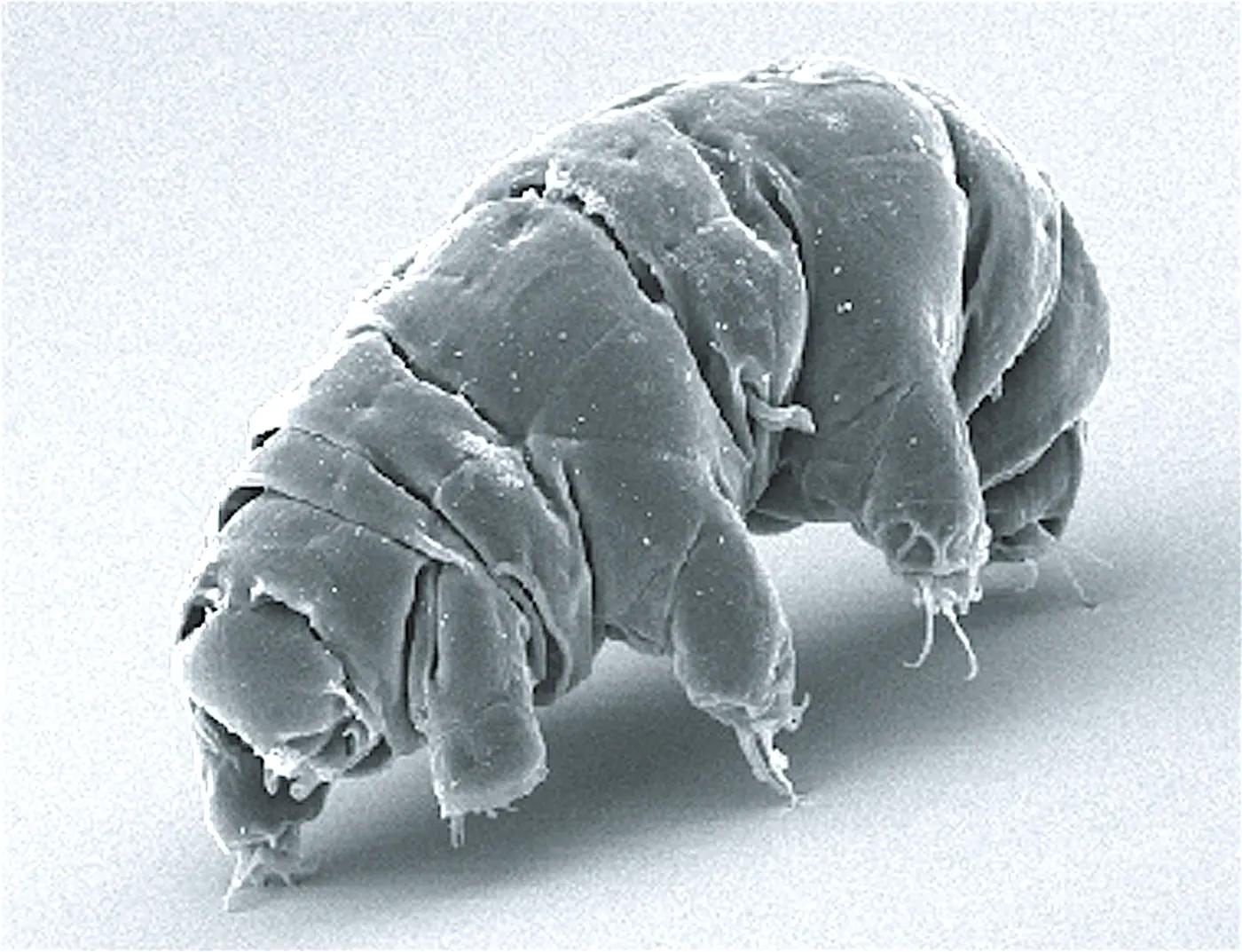
The tardigrade is the most resilient animal known, surviving space, radiation and near absolute zero. The 10 toughest animals, and resilience vs strength.
10 menit baca
What Is the Most Agile Animal? 10 Most Agile Animals
The octopus is the most agile animal; peregrine falcons, dragonflies and cheetahs lead in the air and on land. The 10 most agile animals, explained.
11 menit baca
What Is the Smartest Animal? The 10 Smartest Animals
Chimpanzees and dolphins are the smartest animals after humans, with orcas, octopuses and crows close behind. The evidence, the rankings and the myths.
11 menit baca