

Animal rankingsAdaptabilityUrban wildlife
What Is the Most Adaptable Animal? 10 Most Adaptable Animals
The red fox is the most adaptable wild animal, from Arctic tundra to city streets. The 10 most adaptable animals, why they thrive and how it's measured.
Quick answer: the most adaptable animal
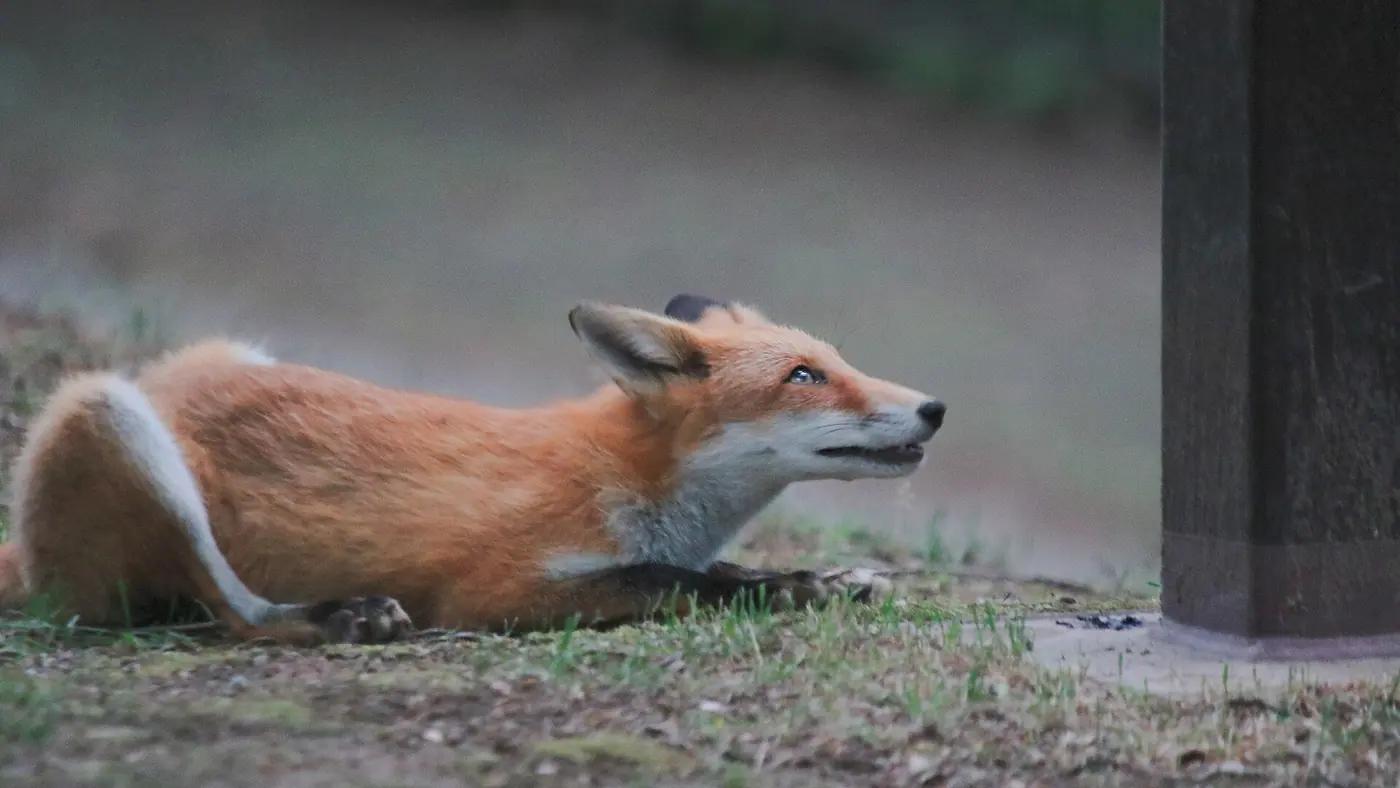
The red fox is the most adaptable wild animal in the world. It has the largest natural range of any wild member of the carnivore order, spread across North America, Europe, Asia and North Africa, and it lives on Arctic tundra, farmland, forest, desert edges, mountains and in the middle of cities such as London, Zurich and Tokyo. It eats rodents, rabbits, birds, insects, earthworms, fruit, carrion and food waste, and it shifts between them with the season.
Humans are more adaptable still, and a handful of animals that live alongside us, such as brown rats, rock pigeons and some cockroaches, rival the fox in cities. Among wild animals that make a living on their own terms, though, nothing matches the fox's mix of climate range, habitat range and diet. Crows, wolves, peregrine falcons and leopards follow on the AnimalDex tier list.
Adaptability here means how well a species copes with conditions that change or differ from place to place, whether by changing its behaviour, its diet or its habitat. It is not the same as being tough. An animal that survives extremes by shutting down, such as a tardigrade, is resilient; an animal that keeps working by changing what it does is adaptable.
Most adaptable animals tier list (top 100)What is the most resilient animal?What is the smartest animal?Red fox species page
The 10 most adaptable animals, ranked
This is the same top ten as the AnimalDex most adaptable animals tier list, in the same order, led by the Red Fox, Crow and Wolf. The list rewards three different routes to adaptability: flexible behaviour and learning (crow, octopus, dolphin), a broad range and diet (red fox, wolf, leopard), and the ability to take over new places, including places humans built (peregrine falcon, American bullfrog, lionfish).
Two entries are there for uncomfortable reasons. The bullfrog and the lionfish rank because they are invasive: their success in ecosystems they never evolved in is hard proof of how flexible they are, even though it is bad news for the native species around them.
| Rank | Animal | Type of adaptability | Why it ranks |
|---|---|---|---|
| #1 | Red Fox | Human-edge and habitat flexibility | Red fox is one of the cleanest adaptability answers because it thrives across wild, rural, and human-modified landscapes. |
| #2 | Crow | Problem-solving in changing environments | Crows stay near the top because learning and opportunism make them remarkably hard to lock out of new conditions. |
| #3 | Wolf | Behavioral and range flexibility | Wolf belongs because it adjusts strategy, movement, and prey pressure across very different landscapes. |
| #4 | Peregrine Falcon | Urban and wild aerial adaptation | Peregrine falcons adapted exceptionally well to city structures that mimic cliff-based hunting space. |
| #5 | Leopard | Habitat-spanning predatory flexibility | Leopard earns a top-tier slot because it remains effective in forests, rocky ground, and human-edge terrain. |
| #6 | Octopus | Behavioral adjustment under pressure | Octopus belongs because it solves new spatial and tactical problems very quickly. |
| #7 | Dolphin | Social and hunting flexibility | Dolphins adapt through learning, group behavior, and highly responsive movement in changing marine contexts. |
| #8 | American Bullfrog | Broad environmental tolerance | American bullfrog is a practical adaptability example because it handles a wide range of freshwater conditions. |
| #9 | Lionfish | Expansion into new systems | Lionfish deserves a place because invasive success is one harsh proof of biological adaptability. |
| #10 | Crocodile | Long-term ecological persistence | Crocodile rounds out the list because it remains effective across time and across varied aquatic edge environments. |
See all 100 on the most adaptable animals tier list
Red FoxCrowWolfPeregrine FalconLeopardOctopusDolphinAmerican BullfrogLionfishCrocodile
Why the top five adapt so well
The top five have little in common physically. What they share is a broad menu and the behavioural flexibility to change it.
Red fox: one species, almost every habitat
Red foxes weigh only a few kilograms, but they are true generalists: they hunt voles by hearing them under snow and pouncing, cache surplus food, eat fruit and beetles in late summer, and raid bins in cities. Foxes moved into British suburbs in the 20th century and now live in most large towns there. People introduced red foxes to Australia in the 19th century for hunting, and within decades they had spread across most of the mainland, where they have contributed to the decline of many small native mammals.
Crow: learning as a survival tool
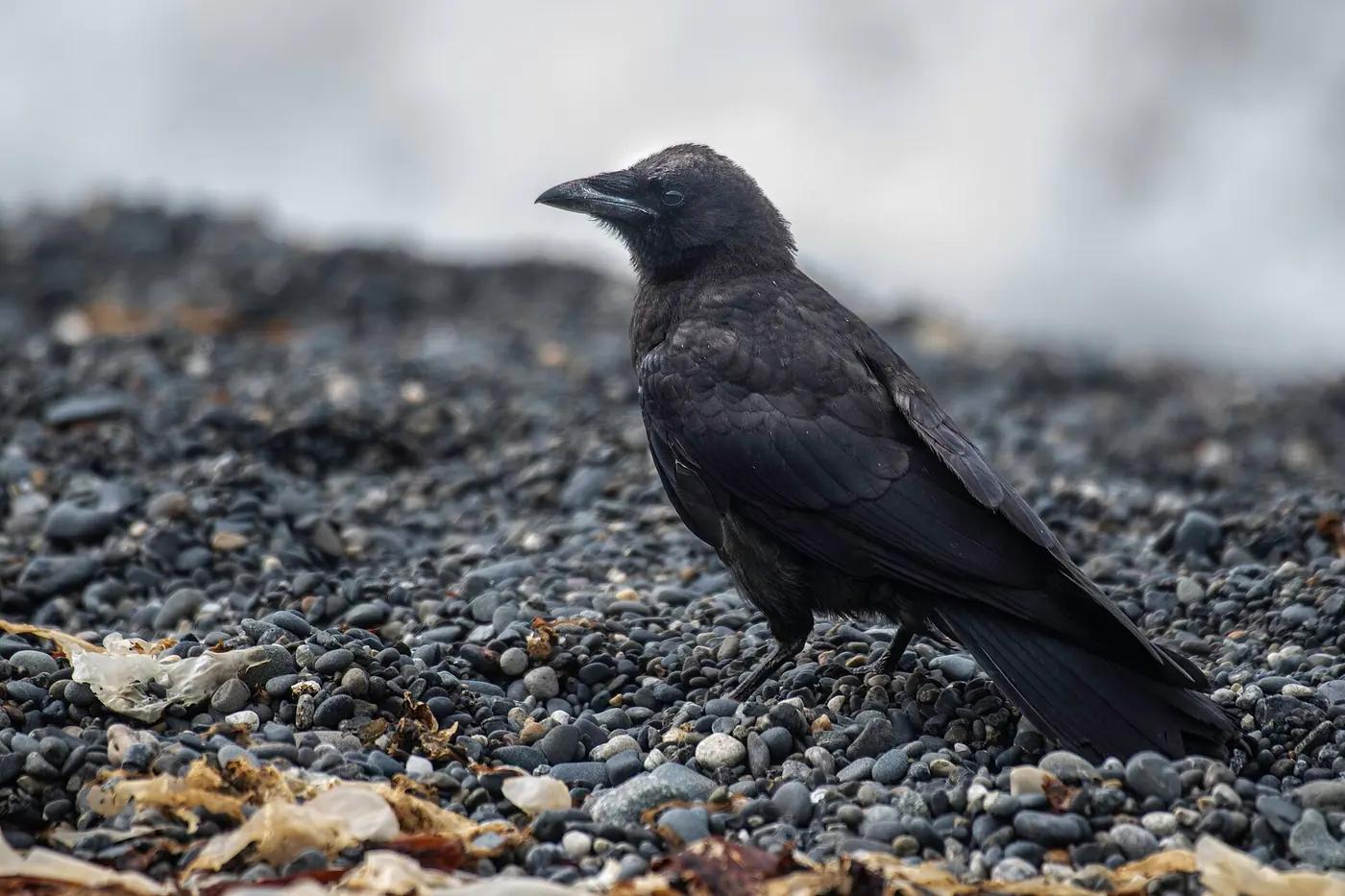
Crows eat almost anything and learn fast. Carrion crows in Sendai, Japan, learned to drop walnuts at road crossings so passing cars would crack them, then wait for the lights before collecting the pieces. American crows remember dangerous people for years and teach other crows to avoid them, and they gather in winter roosts of thousands where information about food sources spreads.
Wolf: the same predator from Arctic to desert
Before centuries of persecution, the gray wolf had one of the largest ranges of any land mammal, from Arctic islands to the deserts of the Arabian Peninsula and India. Packs adjust their hunting to what is available, from moose and bison to deer, beavers and hares, and coastal wolves in British Columbia swim between islands and catch salmon.
Peregrine falcon: cities as cliffs
Peregrines breed on every continent except Antarctica. They naturally nest on cliff ledges, and tall buildings, bridges and cathedrals offer the same thing, with a ready supply of pigeons. After DDT poisoning wiped out much of the population in the mid-20th century, the species recovered so well, helped by city nest sites, that it was removed from the US endangered species list in 1999.
Leopard: the most widespread big cat
The leopard has the widest distribution of any wild cat, from rainforest and savanna in Africa to mountains, scrub and temperate forest in Asia as far as the Russian Far East. It eats anything from dung beetles to antelope, hunts mostly at night near people, and survives on the edge of cities: leopards live in Sanjay Gandhi National Park inside the city limits of Mumbai.
Red FoxCrowWolfPeregrine FalconLeopard
Other famous adapters: rats, pigeons, coyotes and cockroaches
Some of the most adaptable animals on Earth do not make the top ten because their success depends on us. They are still worth knowing, because they are the animals most people see every day.
Brown rat
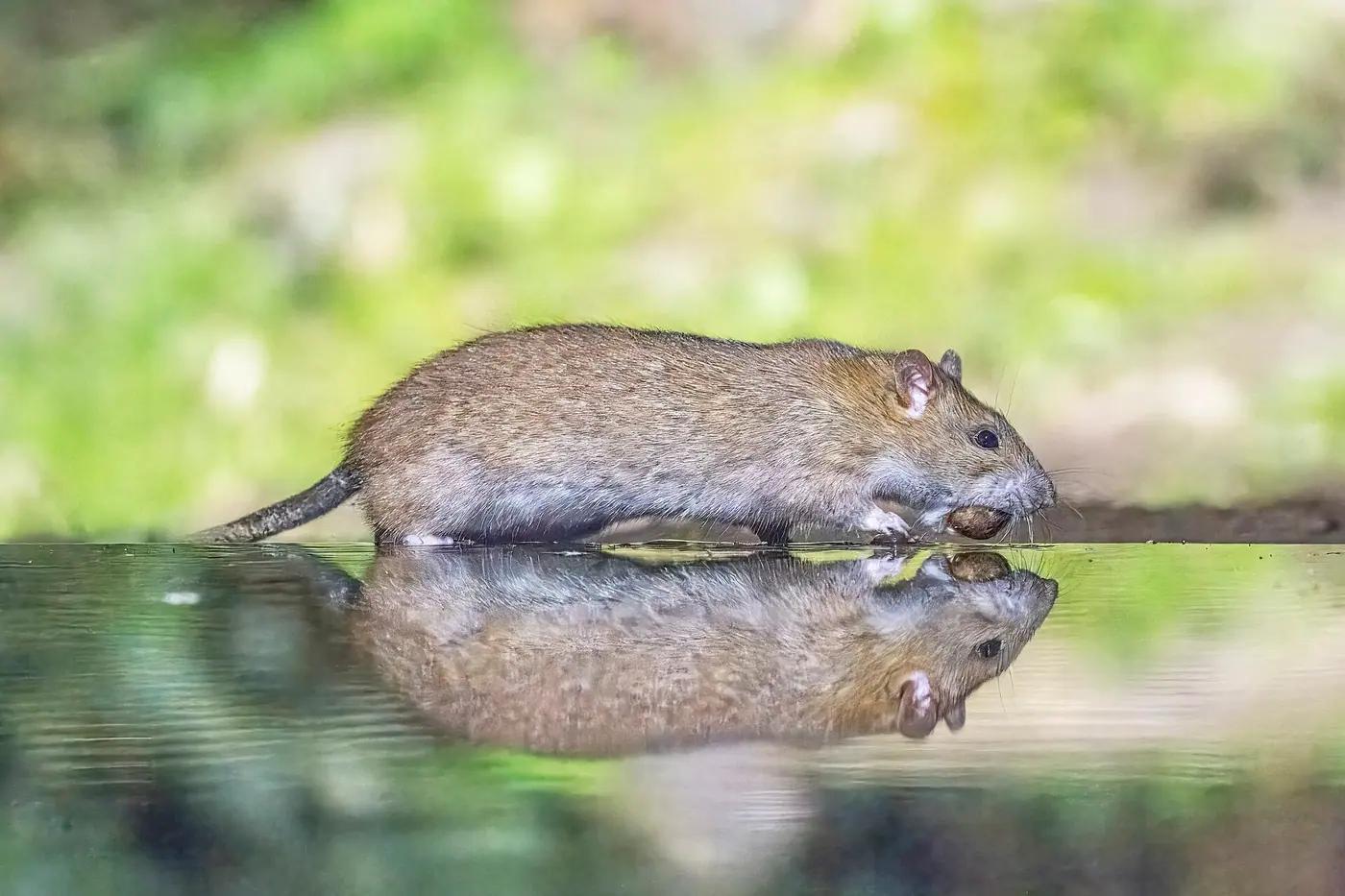
Has followed people to every continent except Antarctica. It eats almost anything, breeds year-round, and lives in sewers, farms, docks and riverbanks. A female can produce several litters a year.
Rock pigeon
A cliff-nesting bird by origin, it treats building ledges as cliffs and city squares as open feeding ground. Feral pigeons now live in towns on every inhabited continent.
Coyote
Once mostly an animal of the western plains and deserts, the coyote spread across nearly all of North America in the 20th century as wolves were removed, and it now lives in Chicago, Los Angeles and New York.
Cockroaches
A few of the roughly 4,600 cockroach species, such as the German and American cockroach, live almost entirely with people, tolerate starvation for weeks and eat nearly any organic matter.
Brown ratCoyoteCockroachHouse sparrow
Most adaptable animals by category
Adaptability comes in different forms, and the best example changes with the question being asked.
| Question | Best answer | Why |
|---|---|---|
| Most adaptable wild mammal | Red fox | Largest natural range of any wild carnivore, very broad diet and habitat range |
| Most adaptable bird | Crows | Generalist diet plus learning, memory and social spreading of new tricks |
| Best adapted to cities | Peregrine falcon, red fox, brown rat, rock pigeon | Treat buildings as cliffs or dens and human food as a resource |
| Best at invading new places | Lionfish, American bullfrog | Few predators where introduced, broad diet, fast breeding |
| Most adaptable marine animal | Bottlenose dolphin | Local hunting cultures, from sponge tools to cooperating with fishers |
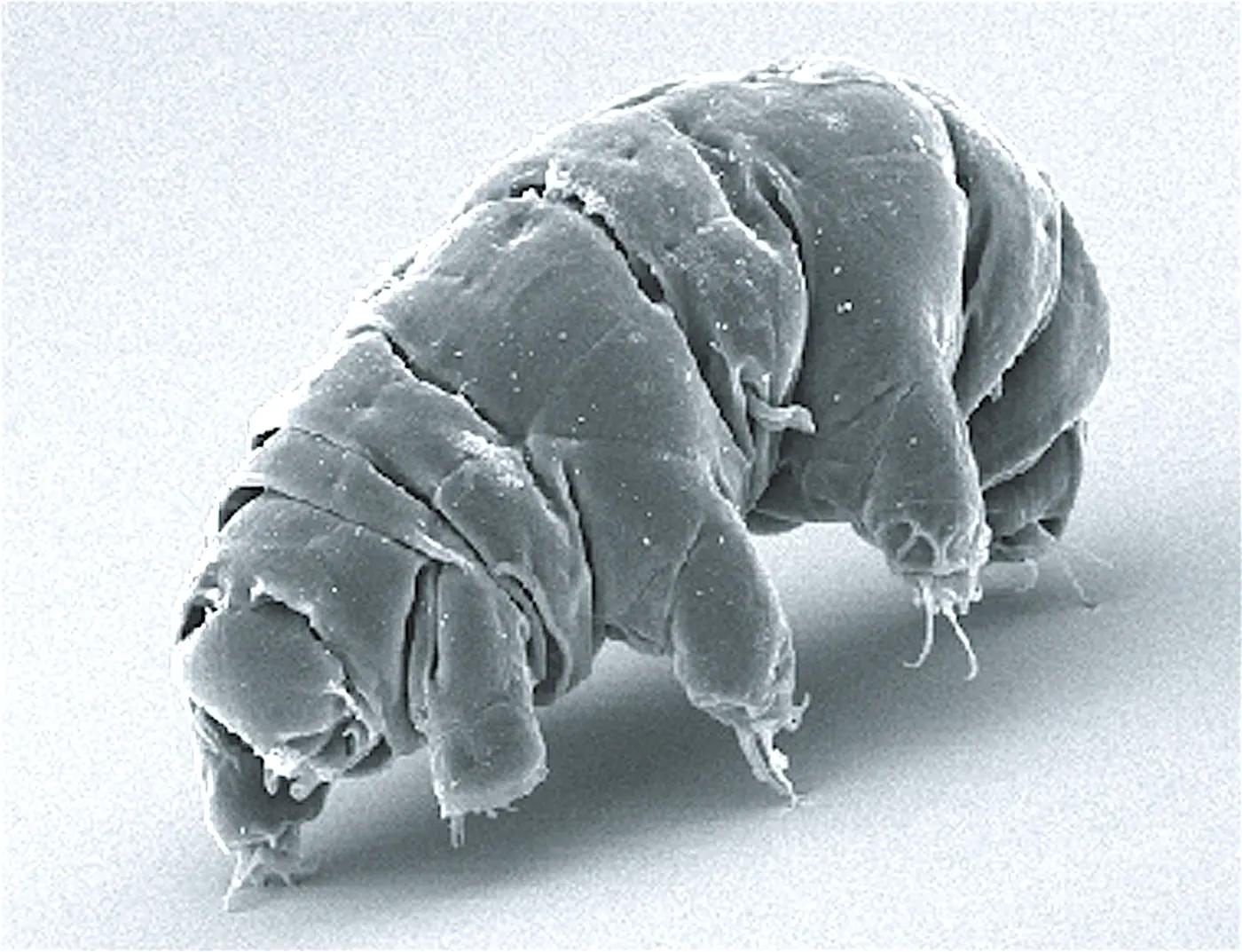
| Survives the widest conditions | Tardigrade | Endures extremes by shutting down, which is resilience rather than adaptability |
| Most adaptable animal overall | Humans | Live on every continent by changing tools and culture, not bodies |
LionfishAmerican bullfrogWater bear (tardigrade)How dolphin intelligence works in the wild
How adaptability is measured, and the common myths
Biologists do not have a single adaptability score, but they measure its parts. Range size and the number of habitat types a species uses show ecological breadth. Diet breadth counts how many kinds of food it eats. Behavioural flexibility is measured by innovations: Louis Lefebvre and colleagues counted reports of birds feeding in new ways in ornithology journals, and crows, ravens and parrots topped the counts. A 2005 PNAS study by Daniel Sol and colleagues found that bird species with larger brains relative to body size were more likely to establish themselves when introduced to new regions.
The tier list combines these ideas: range and habitat breadth, behavioural flexibility, and the record of thriving in new or human-made places.
Myth: adaptable means evolving fast
Adaptation is genetic change across generations. Adaptability is what one animal can do in its own lifetime. The red fox did not evolve to live in cities; individual foxes learned to.
Myth: adaptable means invasive
Many adaptable species stay in their native range, and some invaders succeed mainly because they left their predators and diseases behind.
Myth: the toughest animal is the most adaptable
Surviving extremes by going dormant, as tardigrades do, is a different skill from staying active and changing behaviour as conditions change.
Myth: only smart animals adapt
Learning helps, but the American bullfrog and the lionfish succeed through broad diets, fast breeding and wide physical tolerance.
What makes crows so intelligentHow wolves hunt, survive and shape ecosystems
Pertanyaan singkat
Jawaban ringkas untuk pertanyaan yang paling sering muncul pada topik ini.
- What is the most adaptable animal in the world?
- The red fox is the most adaptable wild animal. It has the largest natural range of any wild carnivore, lives from Arctic tundra to desert edges and city centres, and eats everything from voles to fruit and food waste. Humans are more adaptable overall, and crows, wolves, peregrine falcons and leopards follow the fox on the AnimalDex tier list.
- What animal can adapt to any environment?
- No animal can adapt to every environment, but humans come closest, followed by species that live alongside us such as brown rats, rock pigeons and house sparrows. Among wild animals the red fox covers the widest range of climates and habitats. Tardigrades survive the widest range of extremes, but they do it by going dormant rather than adapting.
- What is the most adaptable mammal?
- Humans are the most adaptable mammal. Among wild mammals the red fox is the strongest answer, with the largest natural range of any wild carnivore and a diet that changes with the season and the place. The brown rat, the leopard and the coyote are close behind, each thriving in landscapes that changed rapidly around them.
- What is the most adaptable bird?
- Crows are the most adaptable birds. They eat almost anything, learn new feeding tricks quickly, remember threats for years and pass information through their social groups. Peregrine falcons, house sparrows and rock pigeons are also highly adaptable and have all moved successfully into cities.
- Are humans the most adaptable animal?
- Yes. Humans live on every continent and in almost every climate, from the Arctic to deserts, because tools, clothing, shelter and culture let us change our surroundings instead of our bodies. Rankings of adaptable animals usually leave humans out so that the comparison between wild species stays meaningful.
- What is the difference between adaptable and resilient?
- An adaptable animal copes with change by changing what it does: its diet, habitat or behaviour. A resilient animal survives hardship and recovers from it, often by enduring rather than changing. The red fox is the classic adaptable animal; the tardigrade, which survives extremes by drying out and shutting down, is the classic resilient one.
Sources and further reading
Panduan jawaban terkait topik ini
Kalau kamu ingin perbandingan langsung dan rekomendasi yang jelas, lanjutkan ke halaman jawaban berikut.
Best Animal Identification Apps
Compare the best animal identification apps by features like photo/video identification, species coverage, collection capabilities, offline use, and more.
What Is Animal Collecting
Learn what animal collecting means in modern apps and how AnimalDex turns real-world sightings into cards, sets, rarity, and species learning.
Pokemon-Like Animal App
Looking for a Pokemon-like animal app with real species? AnimalDex combines creature-collection energy with AI scanning and wildlife learning.
Comparisons terkait
Lanjutkan ke halaman comparison animal-vs-animal terstruktur yang terhubung dengan spesies di panduan ini.
Dolphin vs Octopus: Which Is Smarter?
Dolphin gets the edge in social intelligence, communication, and group learning. Octopus gets the edge in solitary problem solving, manipulation, and flexible immediate adaptation. The smartest answer still depends on the task.
Fox vs Wolf: Who Would Win in a Fight?
Wolf clearly has the edge in a direct fight. Fox stays impressive because it is more about adaptability, stealth, and opportunistic survival than trying to overpower larger canids.
Wolf vs Coyote: Who Would Win in a Fight?
Wolf is the stronger overall answer because it is larger, more forceful, and more dangerous in direct contact. Coyote survives through flexibility and human-edge adaptability, not by matching wolf scale.
Bald Eagle vs Peregrine Falcon: Who Would Win in a Fight?
Peregrine falcon wins the speed question clearly. Bald eagle usually gets the overall edge in a direct clash because size, talon grip, and durability matter more once contact happens.
Panduan terkait
Animal rankings
What Is the Most Resilient Animal? 10 Toughest Survivors
The tardigrade is the most resilient animal known, surviving space, radiation and near absolute zero. The 10 toughest animals, and resilience vs strength.
10 menit baca
What Is the Smartest Animal? The 10 Smartest Animals
Chimpanzees and dolphins are the smartest animals after humans, with orcas, octopuses and crows close behind. The evidence, the rankings and the myths.
11 menit baca
What Is the Most Agile Animal? 10 Most Agile Animals
The octopus is the most agile animal; peregrine falcons, dragonflies and cheetahs lead in the air and on land. The 10 most agile animals, explained.
11 menit baca