

birdingherpingspecies collection
From Birding to Herping: Keep One Public Wildlife Record
Bird lists are common; reptile, frog and insect lists are not. How to keep one honest public record across dawn birding, night herping and macro work.
One list, several tempos
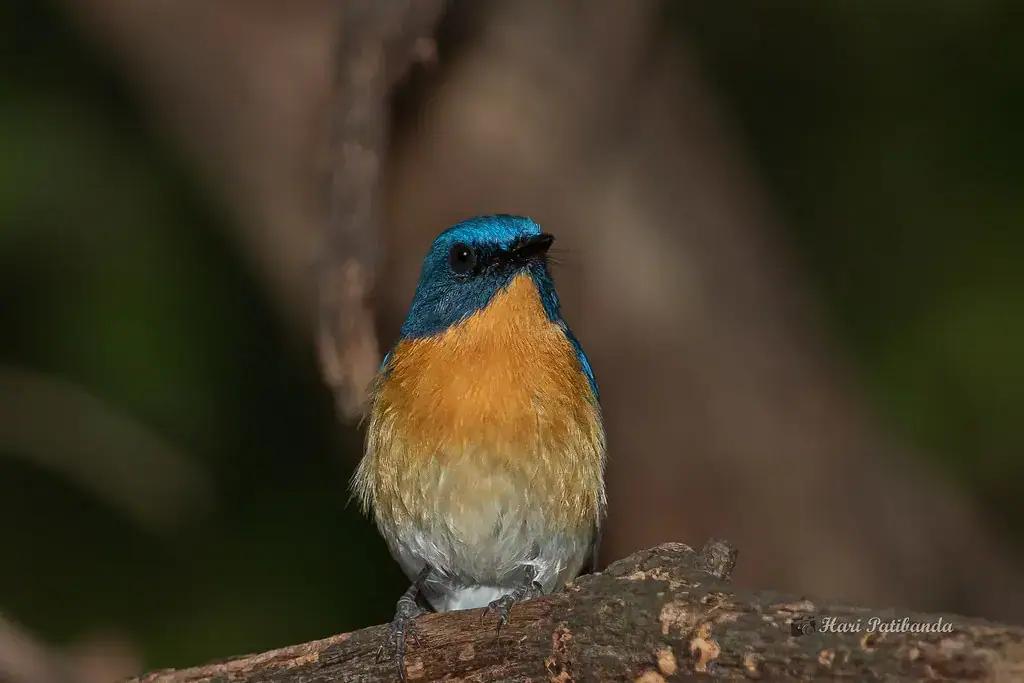
Dawn birding is fast and optical: binoculars up, bird gone, next hedge. Herping is slow and mostly after dark, a headlamp sweeping a wet track at walking pace. Macro is crouch-and-wait at a nettle patch in the middle of the day. The animals do not share a schedule, and most people who do one of these never try the other two.
They can share a collection, though, if the app does not treat reptiles as second-class detections. The point of a single public record is that the same list shows 140 birds, 9 amphibians, 4 reptiles and 60 insects side by side, and the imbalance tells you where the next outing goes. A birder who adds one night walk a month will double the amphibian column in a season.
What a night walk actually looks like
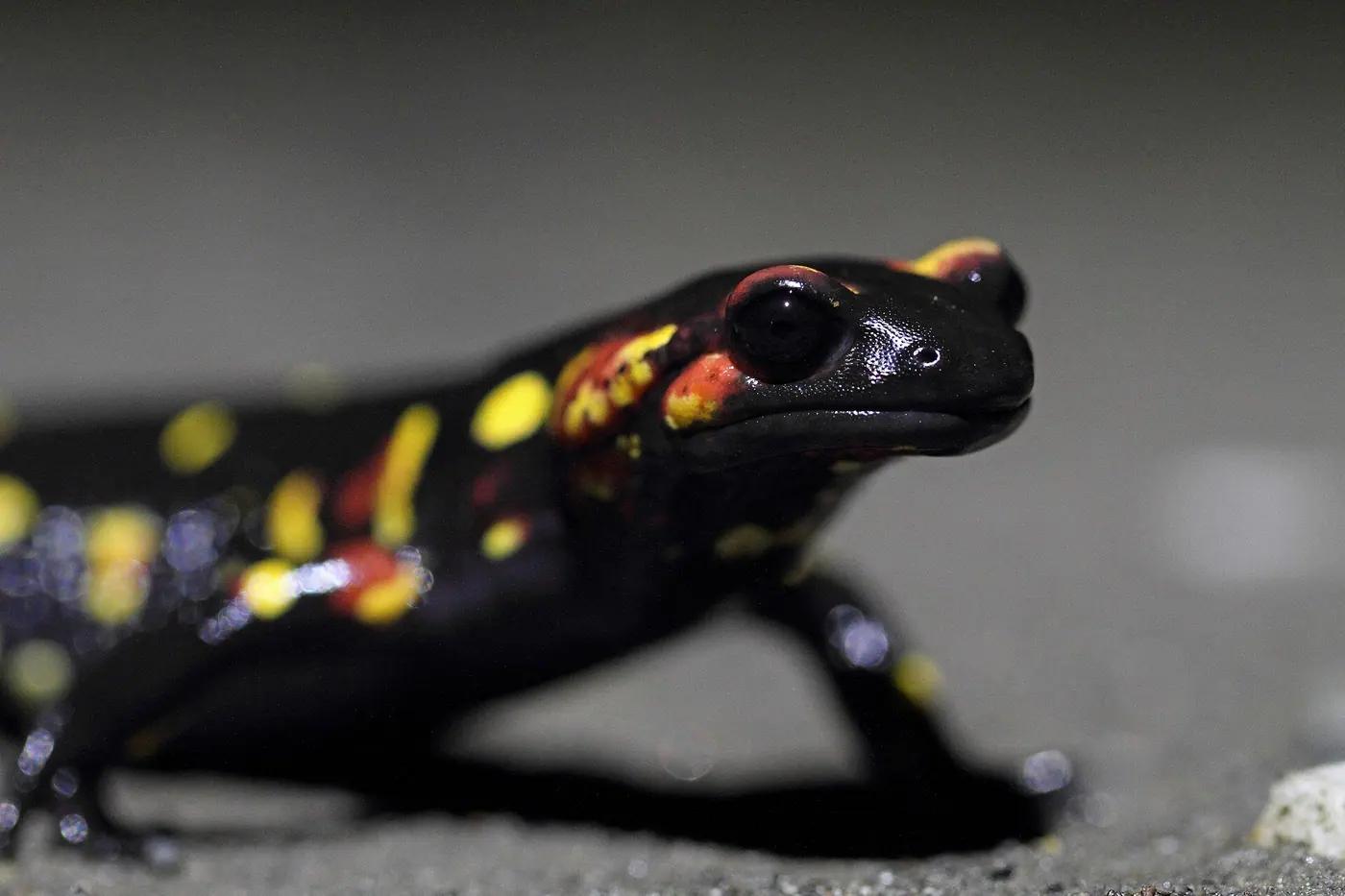
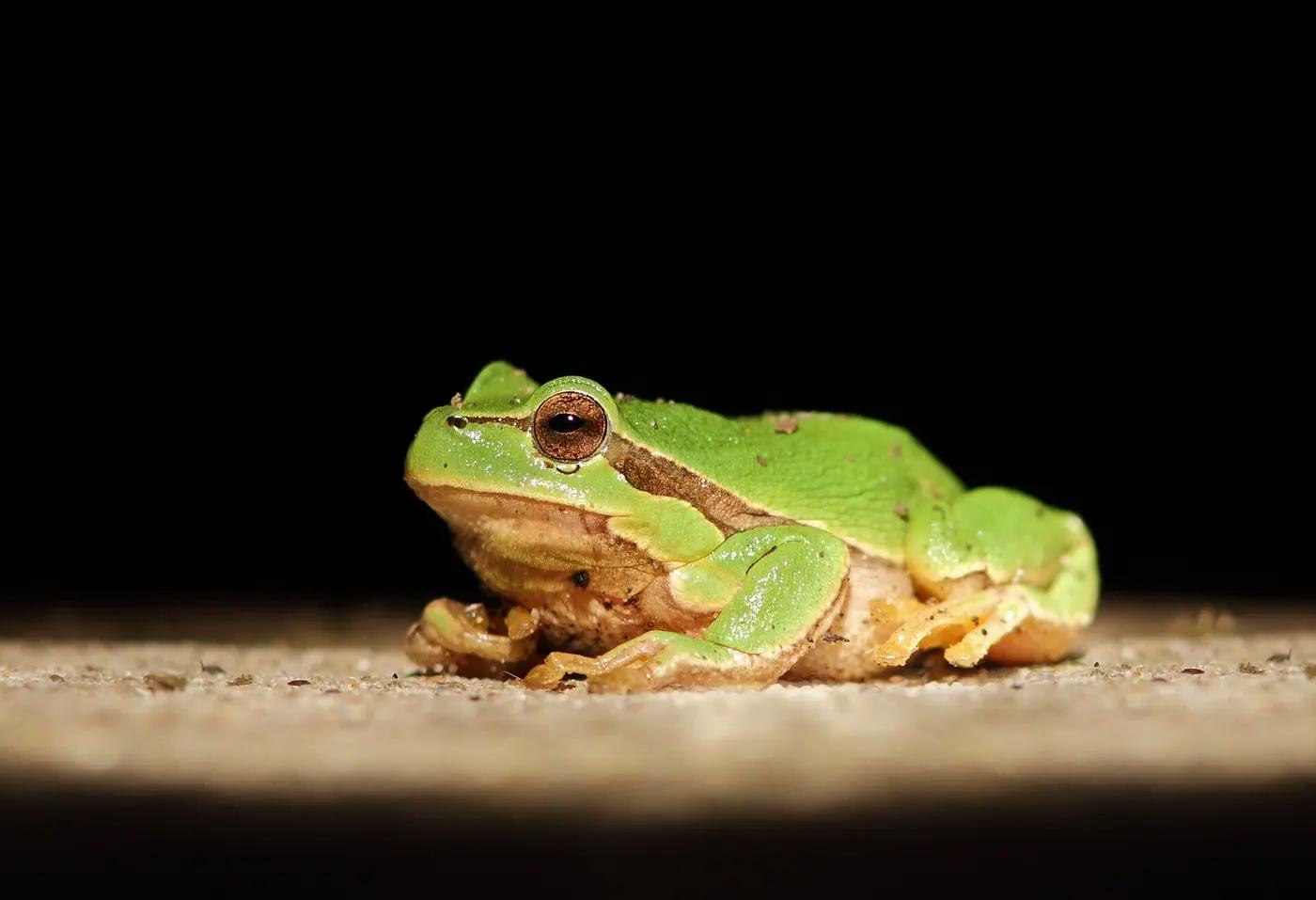
A good herping night is a mild, wet one. Fire salamanders, 15 to 25 cm of black and yellow, are nocturnal and come out onto woodland tracks after rain; the colours are a warning, backed by skin secretions that irritate the mouth and eyes of anything that bites them, which is one more reason not to handle them. European tree frogs are the opposite scale, about 4 to 5 cm, bright green, and loud: on spring nights the males call from pond margins and the chorus carries hundreds of metres, so you hear the site before you see a single frog.
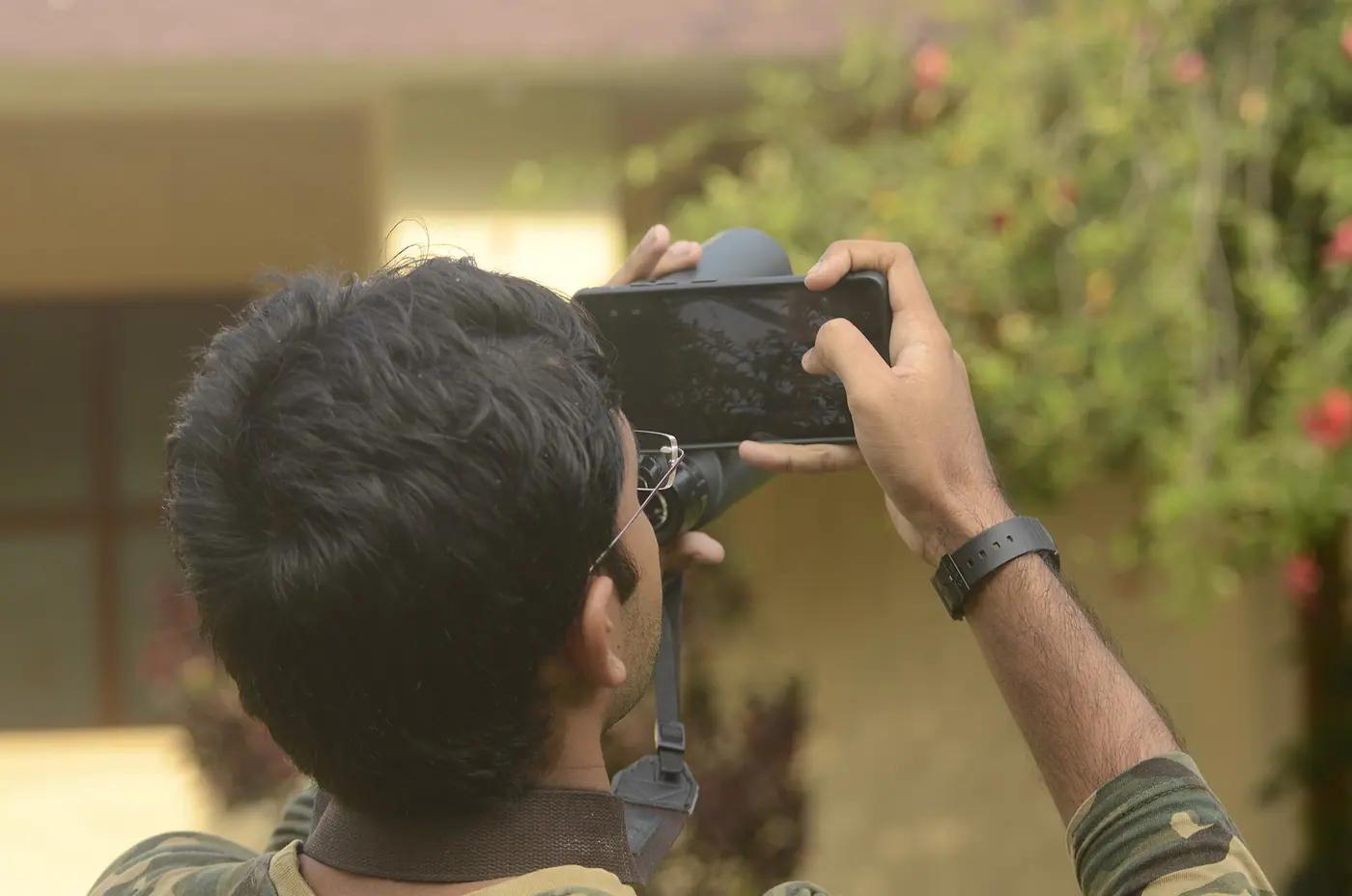
The technique is to walk slowly, sweep the beam low, and stop when something glints. Most finds are on the path, not in the undergrowth, because the path is where the light reaches. Give each animal a minute, take the capture from a step back, and move on; a salamander crossing a track has somewhere to be.
Two animals a night walk finds
What happens on a night wildlife walk
Fire SalamanderCommon Tree Frog
Kit that changes between habits
The camera bag is mostly the same. The habits around it are not.
Headlamp with a low and a red mode
A bright beam finds animals; a dim or red one lets you photograph them without a panicked frog leaping into the dark. Switch down once you have found the animal.
Phone at arm's length, not lens to nose
A capture from a step back with the habitat in frame grades better and disturbs less than a macro shoved into a salamander's face.
Boots and a stick, not hands
Wet rock, boardwalks and tree roots are where night walks go wrong. Nothing on a herping walk needs picking up.
A time limit per animal
Sixty seconds of light on a nocturnal animal is plenty. Longer and you are the predator it thinks you are.
Binoculars at dawn, dry bag at night
The optics that make birding work are dead weight after dark; the waterproofing that makes herping work is dead weight at a feeder. Pack for the tempo.
Keep the record honest
Live captures only. No luring, no handling, no turning logs and stones without putting them back exactly as they were, and no manufacturing a frog for the camera. A personal list should hold the same line against baiting and disturbance as a good guide does, for the same reason: the record is worthless if you coerced the animal.
Location honesty is part of the same rule. A live capture is made where you were standing, in the app, at the moment you saw the animal; that is the whole point of recording live rather than uploading from a gallery, and it is why gallery uploads are not captures. If you later bring old material in through the Instagram import, each post is reviewed for the species and the historical location before it joins the collection. A record with a forged place is not a record, and for a sensitive species it is actively harmful.
Which raises the obvious tension: an honest location for a rare snake's den is also a map for the people you least want there. The answer is not to lie about where you were. It is to be careful about what you publish.
Herping field journalImport Instagram wildlife photos
What a public record shows, and what it hides
The public side of a wild record is aggregate. It is designed to show that you have been out, across groups, for a sustained period, without turning into a dossier on every den and nest you know.
| Shown publicly | Kept to the record, not broadcast |
|---|---|
| Count of wild species collected | Which pond, which log, which crevice |
| Count of qualifying wild captures | A capture-by-capture location dump |
| Breadth across birds, herps, insects and the rest | Exact spots of sensitive animals, which a virtual guide keeps private too |
| That the captures were live, in-app photos | Anything that would let a stranger find a sensitive animal from your list |
If you later guide
The same public wild record is what AnimalDex builds virtual Wildlife Guides from. Each place where you log 3 or more wild species, with a public photo, becomes a virtual Wildlife Guide that other explorers will be able to buy for a small real-money fee: your notes on every animal, a direct chat with you, and introductions to local people you met. Exact spots stay private, threatened animals get no spot or timing, and a guide is advice, not a tour. Buying is coming soon.
The record is worthless if you coerced the animal, and worthless if you lied about where you were.
How virtual Wildlife Guides workVirtual Wildlife Guides on AnimalDexHow herpers can turn local knowledge into guided experiences
Pertanyaan singkat
Jawaban ringkas untuk pertanyaan yang paling sering muncul pada topik ini.
- What is herping?
- Herping is searching for reptiles and amphibians in the field, from the word herpetology. In practice it means slow walks on mild, wet nights with a headlamp for frogs, newts and salamanders, and warm mornings for basking lizards and snakes. Ethical herping means no handling, no luring, and putting back any cover you lift exactly as you found it.
- Can you keep a birding and a herping list in the same app?
- Yes, if the app indexes reptiles, amphibians and insects as real species rather than junk detections. AnimalDex gives a fire salamander or a tree frog the same kind of catalog card as a warbler, so one public record shows how many birds, herps and insects you have collected side by side. That imbalance is what tells you where to go next.
- Is it safe to handle a fire salamander?
- Do not handle one. Fire salamanders secrete skin toxins that irritate the mouth, eyes and skin of predators, and handling also strips the moist skin layer amphibians depend on. Photograph it from a step back on the track, give it a minute of light at most, and let it cross. The same no-handling rule applies to every amphibian on a night walk.
- Should I share the location of rare reptiles I find?
- Record the real location for your own record, but do not publish it. An honest location is what makes a sighting a record; a public one for a sensitive snake or newt site is a map for collectors and disturbance. Public AnimalDex credentials show counts of species and captures, not a capture-by-capture location list, for exactly this reason.
Hewan yang disebut
Lompat dari artikel ini ke halaman spesies di balik contoh, catatan systems, dan referensi field guide.
Panduan jawaban terkait topik ini
Kalau kamu ingin perbandingan langsung dan rekomendasi yang jelas, lanjutkan ke halaman jawaban berikut.
Best Animal Identification Apps
Compare the best animal identification apps by features like photo/video identification, species coverage, collection capabilities, offline use, and more.
What Is Animal Collecting
Learn what animal collecting means in modern apps and how AnimalDex turns real-world sightings into cards, sets, rarity, and species learning.
Pokemon-Like Animal App
Looking for a Pokemon-like animal app with real species? AnimalDex combines creature-collection energy with AI scanning and wildlife learning.
Panduan terkait
wildlife photography
Why Photographers Should Track the Species They Photograph
A species list changes what you go out to shoot. How a tracked list exposes portfolio gaps, keeps IDs honest, and turns a camera roll into a body of work.
6 menit baca
Turn Local Wildlife Knowledge Into a Guiding Side Income
Know the public paths, seasons and honest expectations for local wildlife? What a guided outing sells, what it needs, and where AnimalDex fits.
6 menit baca
How AnimalDex Rewards Genuine Wildlife Contribution
Creator Rewards recognises live, diverse, high-quality wildlife contribution and is currently paused. What genuine means, and what never becomes cash.
6 menit baca