

sponsored-challengeswildlife parks
Gamification Ideas for Wildlife Parks and Nature Attractions
Gamification at a wildlife park should make people look longer, not run. Slow game loops, challenge designs for reserves and safari parks, and metrics.
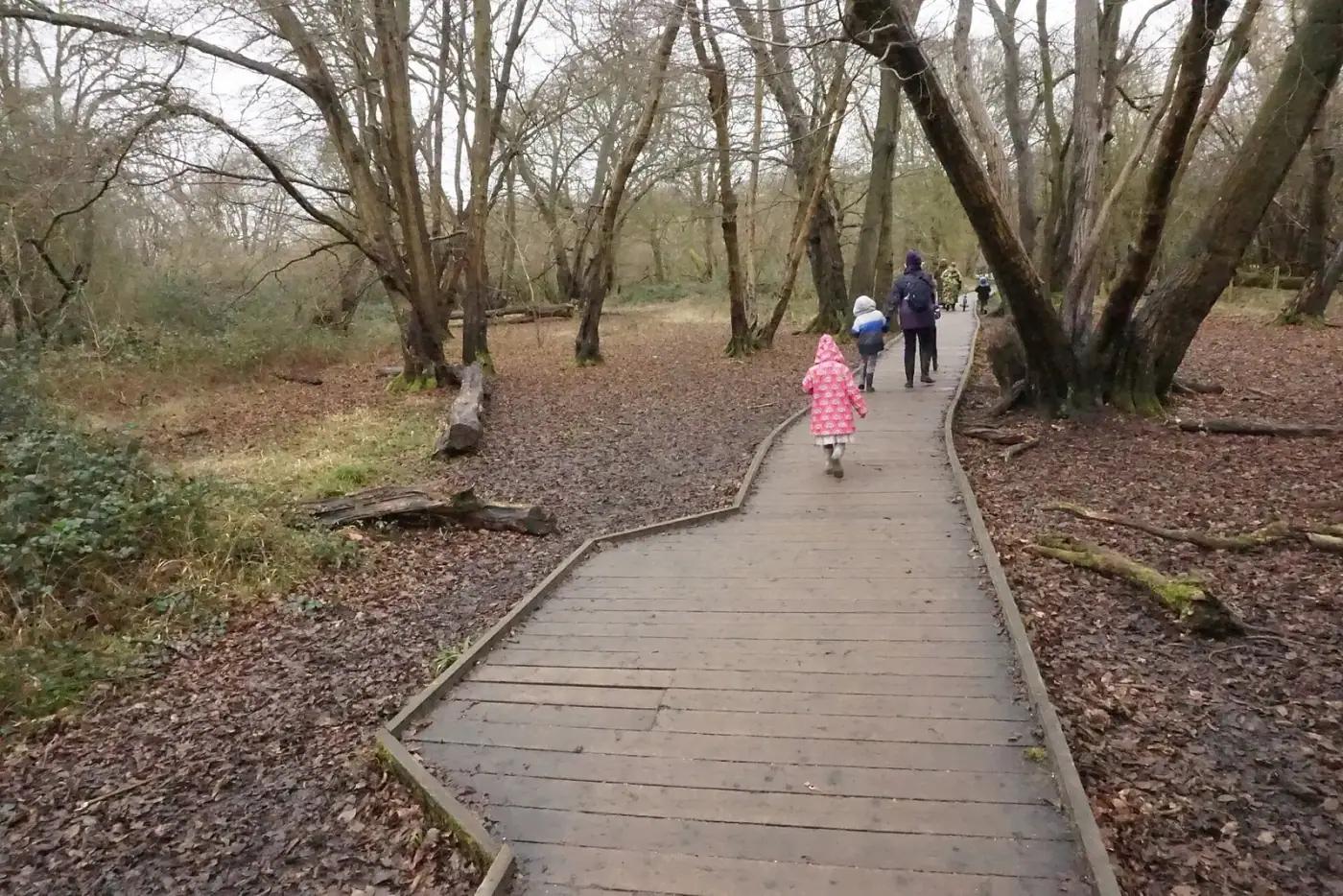
If it makes people sprint, it is the wrong game
Points for speed turn a hide into a queue. A leaderboard that rewards the most sightings in an hour sends people pounding down a boardwalk, flushing the very birds the hide was built to watch. A better loop is slower: unique animals, active days, or a Grade floor that rewards a careful photo over a hurried one.
Wild animals also do not keep zoo hours. A park Challenge has to be honest that a red deer, a barn owl or a kingfisher may not show up on a given afternoon. That is the whole point of a window measured in weeks rather than hours.
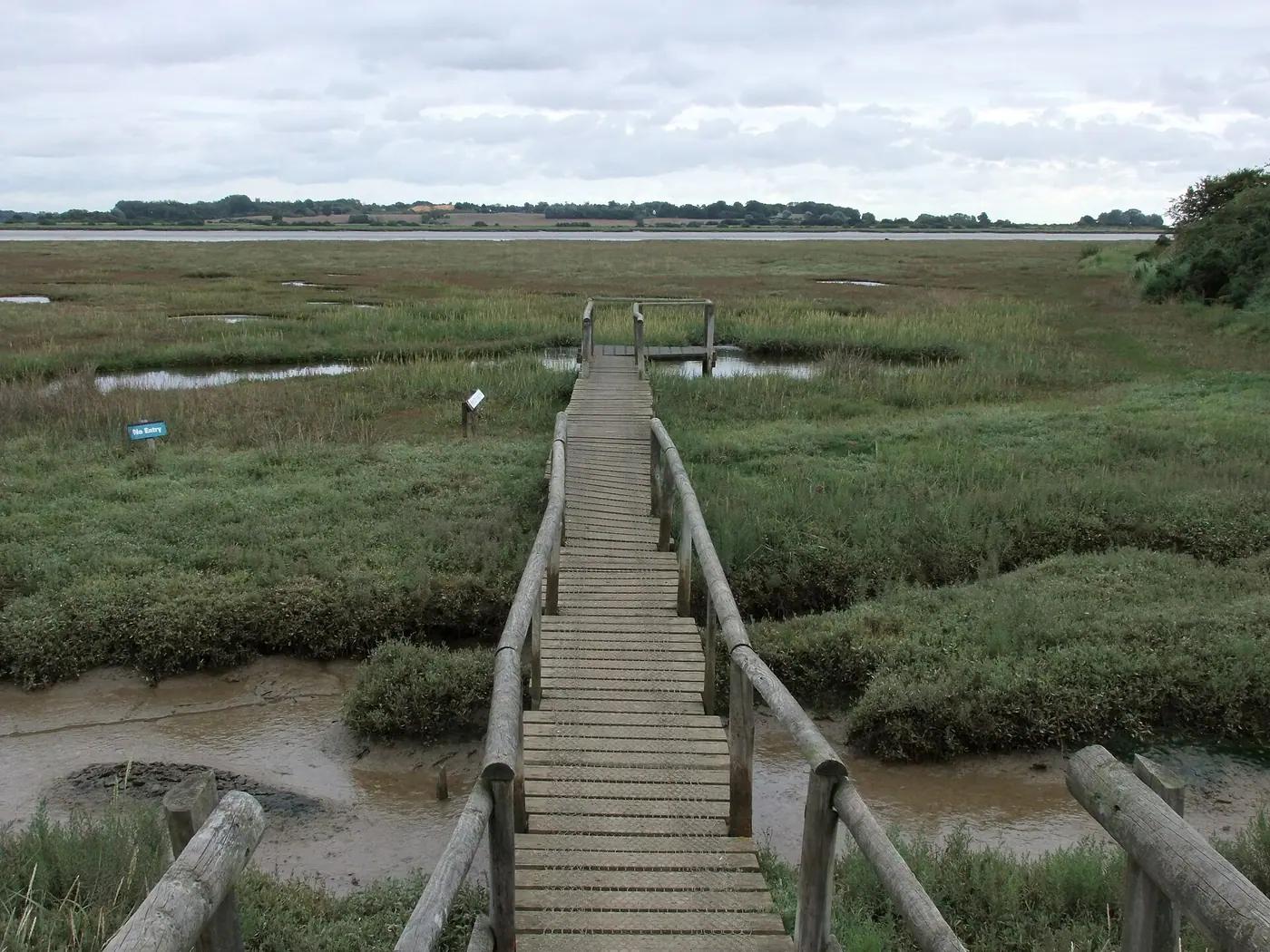
Slow loops versus fast loops
Game designers talk about loops: the thing a player does, the feedback they get, and the reason they do it again. At a wildlife park the loop should be look, identify, record, move on. The feedback is the identification and the progress bar. The reason to do it again is the next different animal. Every design below is judged on whether it keeps that loop slow.
| Mechanic | Loop speed | Effect on a hide or trail | Verdict |
|---|---|---|---|
| Most sightings per hour leaderboard | Fast | Crowds hides, flushes birds | Avoid |
| Unique species over 30 days | Slow | Spreads visits across habitats and weeks | Use |
| Active days over two weeks | Slow | Rewards coming back, not rushing | Use |
| Minimum capture Grade | Slow | Rewards a steady, well-framed photo | Use with a modest floor |
| Timed checkpoints with a countdown | Fast | People run between points | Avoid |
| Season-specific themes (fungi, dragonflies) | Slow | Sends people to the right place at the right time | Use |
| Dawn-only or dusk-only windows | Slow | Fewer people, better sightings | Use for members |
Challenge designs by venue type
A wetland reserve, a deer park and a drive-through safari park want different things from a Challenge. The objective types are the same; the scope and the target change.
Wetland or woodland reserve
Objective: 10 unique indexed animals. Scope: venue radius, live-only, Bird type tag if the brief is about the hides. Window: 30 days in a migration month. Measure with hide visitor-book entries and observed boardwalk pace.
Deer park or estate
Objective: 6 active capture days. Scope: venue radius. Window: four weeks across the autumn rut, when red and fallow deer are most visible. Rules insist on distance from the herd. Measure with car-park counts on weekdays.
Drive-through safari park
Objective: 8 unique indexed animals. Scope: venue radius, live-only. Window: a school holiday. Captures from inside the vehicle only, windows up where the park requires it. Measure with time on the drive-through loop from gate timestamps.
What AnimalDex can run
A Sponsored Challenge can require a setting tag, a type tag, a minimum Grade, a venue radius, and live-only captures. It can block imports so the objective has to be completed on site during the window. The objective is one of three: unique indexed animals, a qualifying capture count, or active capture days. Join is free. It cannot, today, pay cash or run a prize pool; the reward is an achievement on the visitor's account.
That is enough for a half-term program or a seasonal trail without inventing a park-branded mini-game you then have to maintain. AnimalDex configures the campaign with you after an enquiry. There is no self-serve portal.
What are Sponsored Challenges?Wildlife photography challenges that make you better in the field
Ideas that stay offline
Stamp cards, dawn-only walks, and phones-down hours at the hide still belong. A chalkboard at the visitor centre listing what was seen yesterday is the oldest gamification a reserve has, and it works because it sets expectations honestly. Use a digital Challenge when you want a shared rule set guests already understand from the app, and keep the hide quiet with a sign rather than a feature.
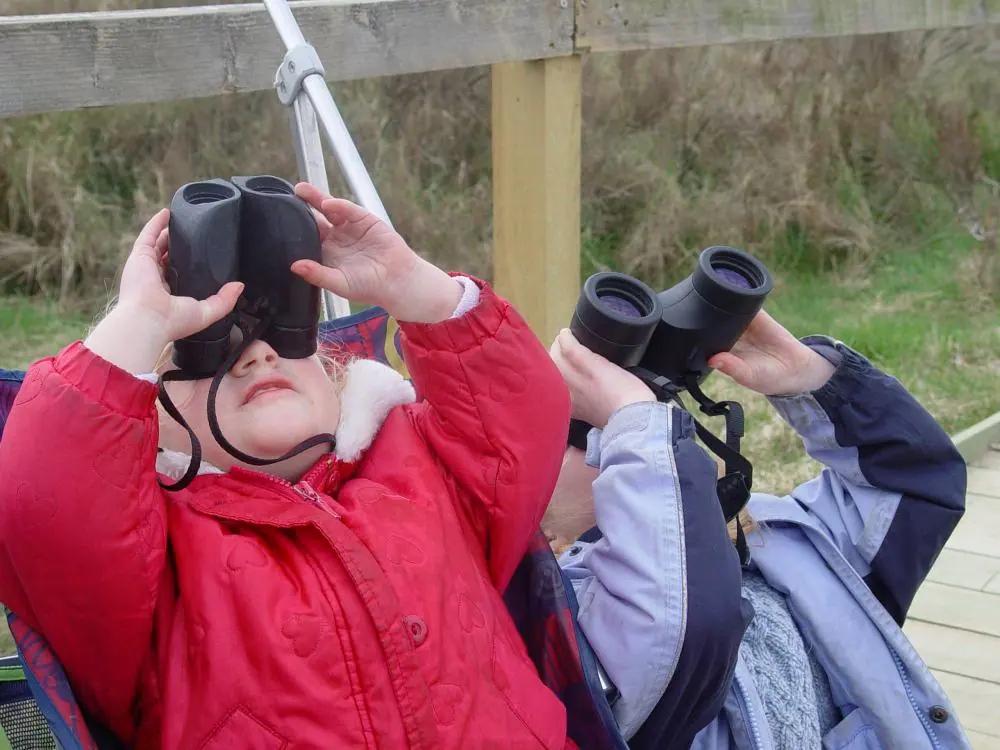
Briefing rangers and volunteers
Rangers and hide volunteers are the people visitors will ask. Give them one card: the objective, where to join (free, in the AnimalDex app), what counts (live photos inside the reserve during the window), the reward (an achievement, no prize), and the distance and disturbance rules you already enforce. Ask them to mention what has been active that week; that single sentence converts a checklist into a plan.
What makes a great ethical wildlife guide
Measuring a park without turnstiles
Most reserves have no entry scan. Use what you have: car-park counts on fixed weekdays, hide visitor books, visitor-centre footfall counters, and a two-question exit survey at the café. Sample before the window and during it. After the window, AnimalDex can talk about joins and completions in aggregate. That combination is enough to decide whether to run the Challenge again next season.
Pitfalls: disturbance, access and privacy
Disturbance is the big one. Rules should say: stay on paths, keep your distance, no calls or lures, no flash at dusk. Over-gamifying looks like people leaving the path for a better angle, and the Challenge should never reward that. Access is the second: a venue radius should match the public parts of the site, not the sensitive areas you close in the breeding season. Privacy is the third: visitors use their own account, you collect nothing, and no individual data comes back to the park.
The loop should be look, identify, record, move on. Anything that speeds it up is working against the hide.
Pertanyaan singkat
Jawaban ringkas untuk pertanyaan yang paling sering muncul pada topik ini.
- What is gamification for a wildlife park?
- It is adding a game loop, usually a published objective with progress and a reward, to a visit. At a wildlife park the loop should be slow: look, identify, record, move on. Objectives such as different animals over a month or active days over a fortnight do that. Speed leaderboards and timed checkpoints do the opposite and crowd hides.
- How do you gamify a nature reserve without disturbing wildlife?
- Reward looking, not rushing. Use objectives based on unique animals, active days or a modest capture Grade floor, over windows measured in weeks. Put path, distance, no-lure and no-flash rules in the Challenge text. Match the venue radius to the public areas. Brief rangers to mention what is active rather than where to run.
- Can a safari park run a species-spotting challenge?
- Yes. A drive-through park suits a unique-animals objective with a venue radius and live-only captures from inside the vehicle. A school-holiday window works well. The reward in AnimalDex is an achievement, not cash, and there is no prize draw, so the park avoids sweepstake rules and keeps the focus on the animals on the loop.
- How do you measure visitor engagement at a nature reserve?
- With the counters you already have. Car-park counts on fixed weekdays, hide visitor books, footfall counters at the visitor centre and a short exit survey give a before-and-during comparison. Add aggregate joins and completions from AnimalDex after a Challenge window. None of it requires a sponsor dashboard, and none exists.
Hewan yang disebut
Lompat dari artikel ini ke halaman spesies di balik contoh, catatan systems, dan referensi field guide.
Panduan jawaban terkait topik ini
Kalau kamu ingin perbandingan langsung dan rekomendasi yang jelas, lanjutkan ke halaman jawaban berikut.
Best Animal Identification Apps
Compare the best animal identification apps by features like photo/video identification, species coverage, collection capabilities, offline use, and more.
What Is Animal Collecting
Learn what animal collecting means in modern apps and how AnimalDex turns real-world sightings into cards, sets, rarity, and species learning.
Pokemon-Like Animal App
Looking for a Pokemon-like animal app with real species? AnimalDex combines creature-collection energy with AI scanning and wildlife learning.
Comparisons terkait
Lanjutkan ke halaman comparison animal-vs-animal terstruktur yang terhubung dengan spesies di panduan ini.
Panduan terkait
sponsored-challenges
Interactive Zoo Marketing Ideas That Go Beyond Discount Tickets
Price promotions fill the car park but do not change the visit. Eight interactive zoo ideas, what each costs in staff time, and how to measure them.
6 menit baca
How Tourism Boards Can Build Wildlife Discovery Campaigns
Destination wildlife campaigns fail when they promise animals on cue. How to brief a region-wide spotting challenge, pick dates and scope, and measure it.
6 menit baca
What Is a Sponsored Wildlife Challenge?
A sponsored wildlife challenge is a free-to-join, time-boxed campaign with a published objective and an achievement reward. What it is and what counts.
6 menit baca