

sponsored-challengestourism
How Tourism Boards Can Build Wildlife Discovery Campaigns
Destination wildlife campaigns fail when they promise animals on cue. How to brief a region-wide spotting challenge, pick dates and scope, and measure it.
Dalam panduan ini
Do not sell a tiger you cannot schedule
Wildlife tourism copy often over-promises. A brochure that says see puffins is writing a cheque the cliffs cash only between April and August, and only if the weather allows a boat. A Challenge should never say see X. It should say look for qualifying animals in this window, under these rules. Sightings stay uncertain. That is the honest product, and it is also the one travellers trust after the first trip.
The upside of honesty is that a region can sell what it actually has in abundance: common birds, deer, seals on a known haul-out, insects in a meadow. An objective that counts different animals makes a robin on a hotel wall worth the same as a rarity, which is exactly how a first-time wildlife tourist experiences it.
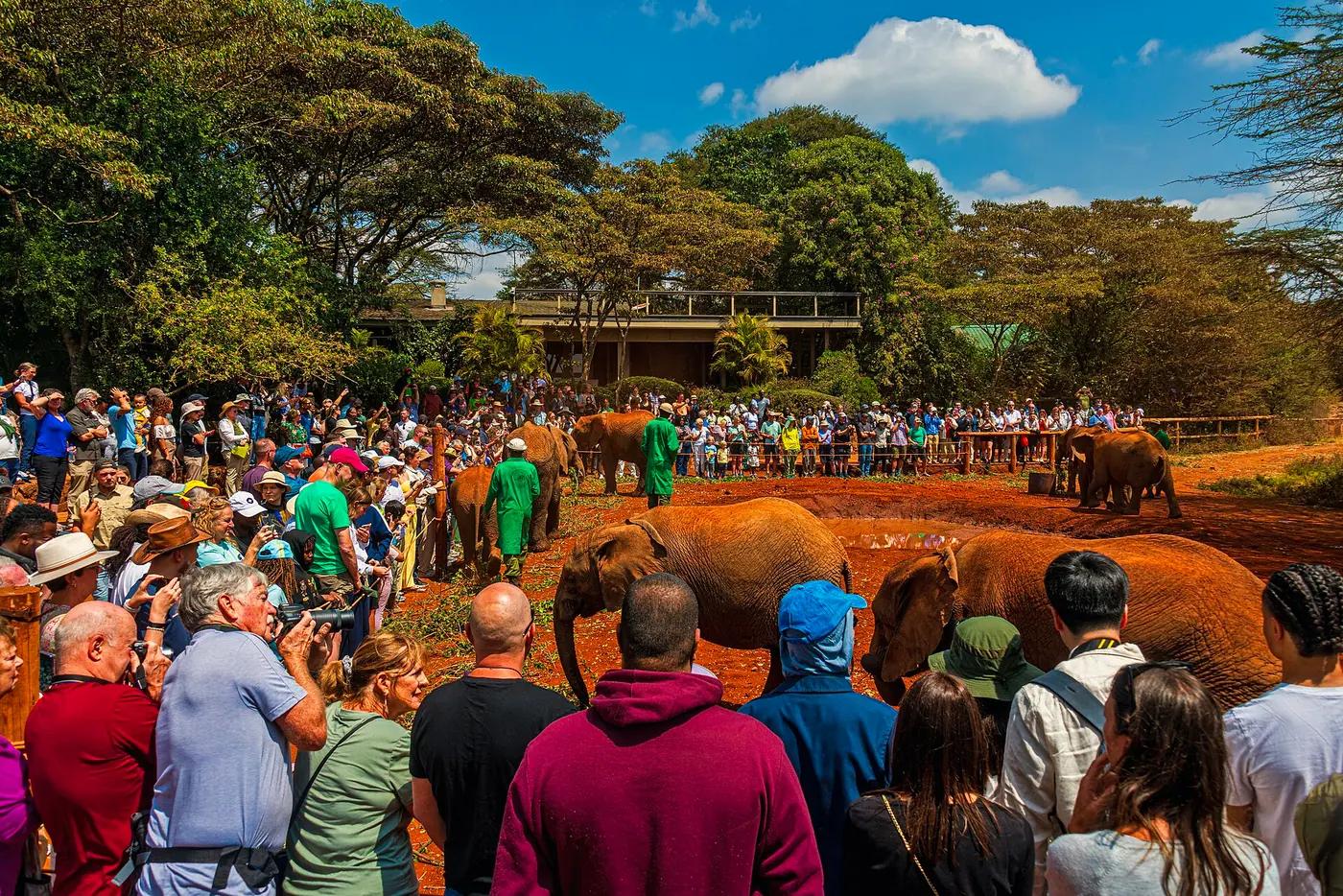
Sponsor a ChallengeHow to find ethical wildlife experiences while traveling
Region, dates, objective
A destination campaign has three settings. The region: a radius around a town, or a list of venues and reserves that count. The dates: a season that matches what is visible, usually four to six weeks. The objective: unique indexed animals, a qualifying capture count, or active capture days. For a tourism board, unique animals over a season is the usual pick, because it rewards exploring more than one site.
Send AnimalDex the destination, the campaign window, and which objective you want. A radius or venue list keeps the activity in the places you actually want visitors. Live-only captures keep the work in the region rather than in an archive. Achievement rewards mark completion. Cash is not live. There is no self-serve portal; AnimalDex configures the campaign with you.
| Setting | Options | Advice for a tourism board |
|---|---|---|
| Scope | Radius around a point, or a venue list | Use a venue list if you have partner reserves; a radius if the draw is a coastline or valley |
| Window | Days to weeks | Four to six weeks in the season the animals are actually visible |
| Objective | Unique animals, capture count, active days | Unique animals for exploration; active days for longer stays |
| Capture rules | Live-only, imports blocked, Grade floor, type or setting tag | Live-only and imports blocked; skip the Grade floor for a general audience |
| Reward | Achievement on the collector's account | Name it for the region and season; do not promise cash |
Three campaign designs for a destination
The same mechanics, aimed at three different tourism problems: spreading visitors, lengthening stays, and selling the shoulder season.
Spread the visitors
Objective: 10 unique indexed animals. Scope: a venue list of six partner reserves spread across the region, live-only. Window: six weeks in late spring. Goal: move people off the one honeypot site. Measure with partner footfall and car-park counts.
Lengthen the stay
Objective: 4 active capture days. Scope: a radius around the main town. Window: a school holiday. Goal: three-night stays instead of day trips. Measure with accommodation occupancy and bed-nights reported by partners.
Sell the shoulder season
Objective: 8 unique indexed animals. Scope: the coast radius, live-only. Window: October, when migration is on and hotels are empty. Goal: a reason to come in autumn. Measure with October occupancy against the prior year.
Atlantic PuffinRed DeerPeregrine Falcon
Signage, partners and the people who already know the ground
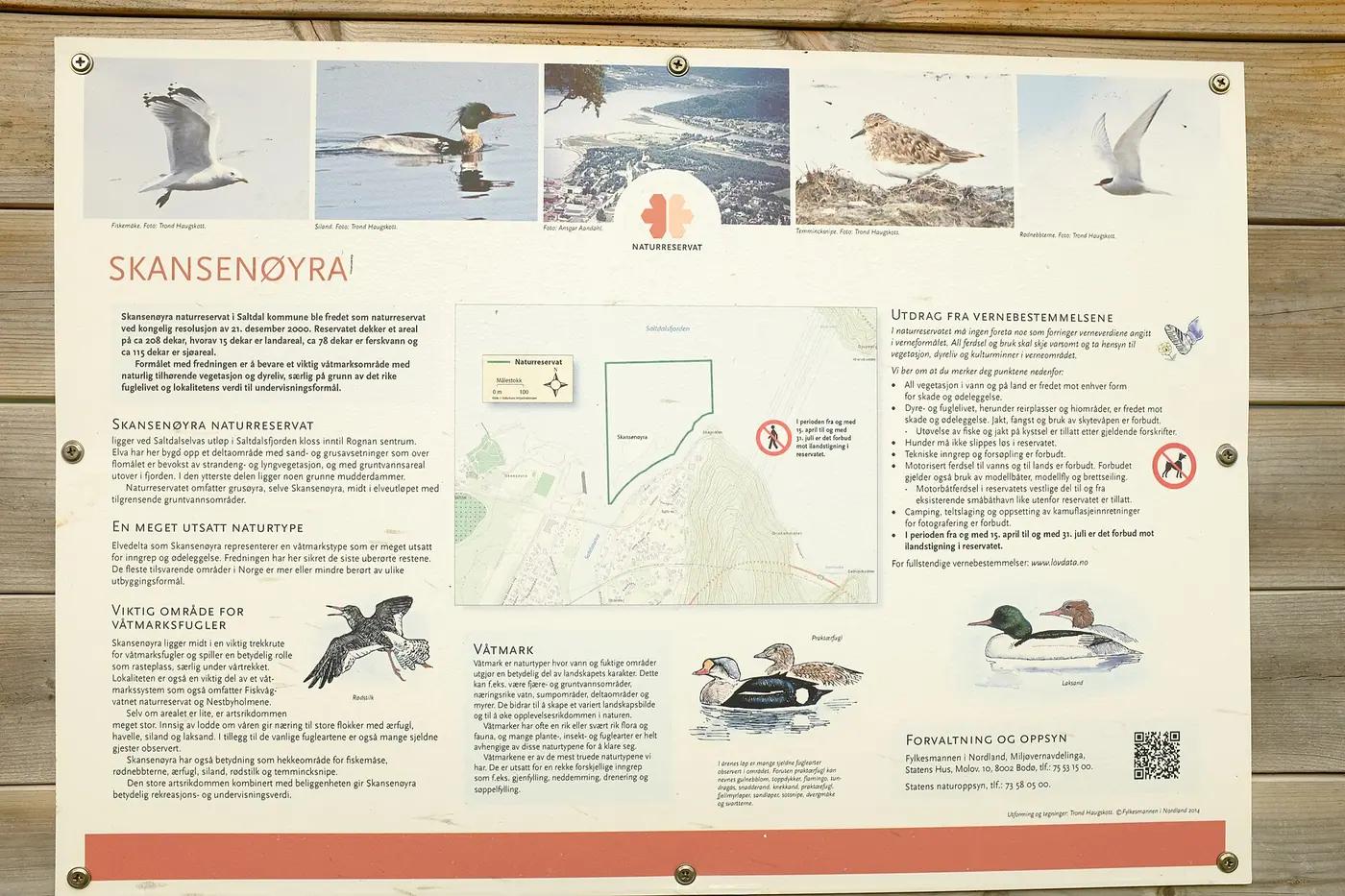
A regional Challenge lives or dies on partners. Visitor centres, reserves, hotels and cafés need the same one-paragraph brief: the objective, that it is free to join in the AnimalDex app, that captures are live photos taken in the region during the window, and that the reward is an achievement. An information board at a trailhead that lists the species people are likely to see is worth more than a poster of the campaign logo.
AnimalDex Wildlife Guides are separate from the Challenge and are virtual: guides to a place, built from the wild animals their author logged there, with notes on every animal, a chat with the author and introductions to local people they met. Buying is coming soon, and AnimalDex does not book or run outings. But someone who knows which bay the seals use this month is the best conversion tool a wildlife campaign has.
Virtual Wildlife Guides on AnimalDexHow to choose a local wildlife guide
Measuring a campaign across a whole region
You will not get a single number. Combine partner footfall at the reserves on your venue list, occupancy and bed-nights from accommodation partners, car-park counts at trailheads on fixed weekdays, and a short visitor survey asking what brought you here and which sites you visited. After the window, AnimalDex can talk about joins and completions in aggregate. Compare everything to the same weeks the previous year, because season swamps everything else in wildlife tourism.
Pitfalls: honeypots, wildlife crime and privacy
Over-gamifying at a regional scale looks like a crowd at one nest site. Never build an objective around a single rare animal at a single location; use venue lists and unique-animal targets that spread people out. Say nothing about nest, roost or den locations in campaign copy, and ask partners to do the same.
Welfare optics apply to the whole region: drones over seal haul-outs, cars stopping on verges, people on cliff edges. Put the rules in the Challenge text. On privacy, visitors use their own AnimalDex account, the board collects nothing, and no individual traveller data comes back to you.
What to send in the first email
Organisation and website. The season and why. The region as a radius or a venue list. Which objective you want and roughly what target. Whether live-only matters (it usually does). Whether you want an achievement now, knowing cash rewards are not live and should not be promised to travellers. AnimalDex replies with a configuration to review.
Sell what the region has in abundance. Let the rarities be a surprise.
How can a business sponsor an AnimalDex Challenge?How AnimalDex Sponsored Challenges work for businesses
Pertanyaan singkat
Jawaban ringkas untuk pertanyaan yang paling sering muncul pada topik ini.
- How do tourism boards promote wildlife without over-promising?
- By selling the looking rather than the sighting. A campaign should say which animals are likely in which season, under which rules, and never guarantee a specific species. An objective that counts different animals makes common wildlife worth finding and keeps rarities a bonus. Honest expectations are what bring wildlife tourists back for a second trip.
- What is a wildlife discovery campaign?
- A time-boxed, region-wide invitation to look for local wildlife, usually with a published objective and a way to record what you find. In AnimalDex it is a Sponsored Challenge: travellers join free, capture live photos inside the region during the window, and earn an achievement when they reach the target. There is no cash prize and no draw.
- How long should a destination wildlife campaign run?
- Four to six weeks in the season the animals are actually visible. Shorter windows punish people who get bad weather; longer ones lose urgency. Match the window to a migration, a rut, a breeding season or a school holiday, and make the objective achievable across several sites so a single washed-out day does not end the trip.
- Can a tourism board measure the results of a wildlife campaign?
- Partly. Partner footfall, accommodation occupancy, trailhead car-park counts and a short visitor survey, all compared with the same weeks last year, show whether visitors moved or stayed longer. AnimalDex can report aggregate joins and completions after the window. There is no live sponsor dashboard, and individual traveller data is not shared.
Hewan yang disebut
Lompat dari artikel ini ke halaman spesies di balik contoh, catatan systems, dan referensi field guide.
Panduan jawaban terkait topik ini
Kalau kamu ingin perbandingan langsung dan rekomendasi yang jelas, lanjutkan ke halaman jawaban berikut.
Best Animal Identification Apps
Compare the best animal identification apps by features like photo/video identification, species coverage, collection capabilities, offline use, and more.
What Is Animal Collecting
Learn what animal collecting means in modern apps and how AnimalDex turns real-world sightings into cards, sets, rarity, and species learning.
Pokemon-Like Animal App
Looking for a Pokemon-like animal app with real species? AnimalDex combines creature-collection energy with AI scanning and wildlife learning.
Comparisons terkait
Lanjutkan ke halaman comparison animal-vs-animal terstruktur yang terhubung dengan spesies di panduan ini.
Bald Eagle vs Peregrine Falcon: Who Would Win in a Fight?
Peregrine falcon wins the speed question clearly. Bald eagle usually gets the overall edge in a direct clash because size, talon grip, and durability matter more once contact happens.
Eagle vs Falcon: Who Would Win in a Fight?
Eagle usually has the power edge in a direct clash. Falcon owns the speed edge and often the cleaner aerial intercept, but size and grip strength still favor the eagle when contact happens.
Peregrine Falcon vs Owl: Which Is Faster?
Peregrine falcon gets the speed and open-air answer by a mile. Owl gets the quieter low-light answer and can become much more relevant when the page shifts from raw speed to surprise in darkness.
Peregrine Falcon vs Red-tailed Hawk: Which Is Faster?
Peregrine falcon is the clear speed winner. Red-tailed hawk remains the better soaring, watching, and broad-habitat control bird rather than the faster one.
Panduan terkait
sponsored-challenges
Gamification Ideas for Wildlife Parks and Nature Attractions
Gamification at a wildlife park should make people look longer, not run. Slow game loops, challenge designs for reserves and safari parks, and metrics.
6 menit baca

How to Find Ethical Wildlife Experiences While Traveling
How to find ethical wildlife experiences when you travel: the tells of a staged encounter, tourist traps that look harmless, and questions to ask.
7 menit baca
What Is a Sponsored Wildlife Challenge?
A sponsored wildlife challenge is a free-to-join, time-boxed campaign with a published objective and an achievement reward. What it is and what counts.
6 menit baca