

Animals in Bromo Tengger Semeru National Park: What You Can Spot, Learn, and Collect
Bromo Tengger Semeru wildlife: rusa deer on the Ranu Pani grassland, lutung in the Semeru forest, leopard cat and muntjac, raptors on the caldera rim.
Jawaban cepat
Mulai dari jawaban langsung, lalu gunakan bagian di bawah untuk melihat kenapa lokasi ini penting dan hewan mana yang benar-benar realistis untuk di-spot di sana.
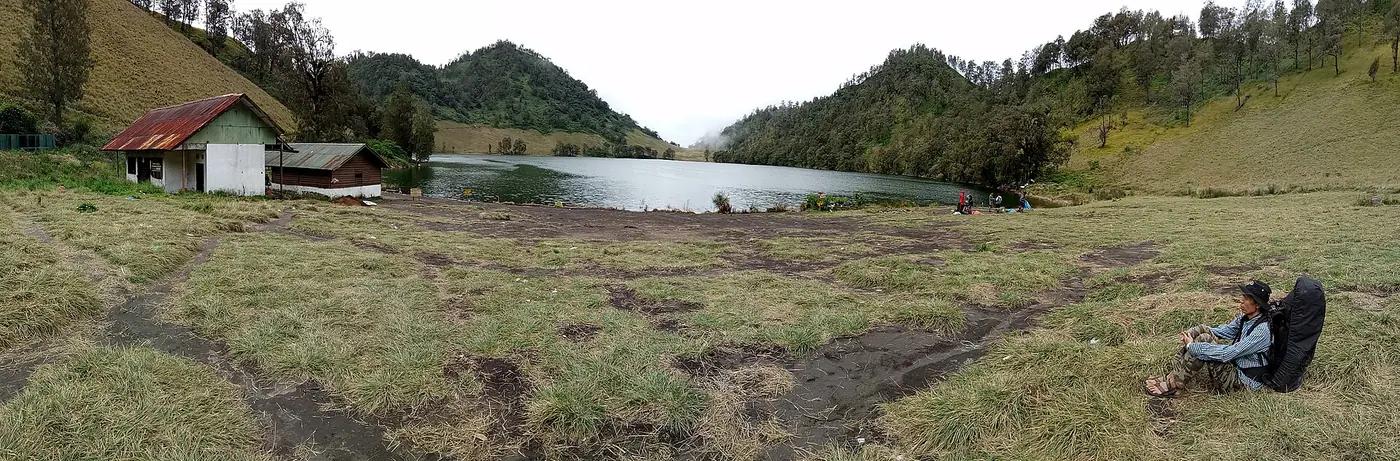
Bromo's sea of sand is almost lifeless, but the forested caldera rim and the Semeru highlands behind it are not. Rusa deer graze the Ranu Pani grassland at dusk, lutung and muntjac move through the Semeru forest, leopard cats hunt the scrub at night, and the rim holds serpent eagles, honey buzzards, white-eyes and bulbuls. Ranu Pani and Ranu Regulo lakes are full of dragonflies, and the villages add tree sparrows and the usual macaques.
Most visitors see Bromo in the dark, photograph a sunrise and leave by nine. The wildlife starts where the jeeps stop: in the casuarina and montane forest on the caldera rim, on the grassland around Ranu Pani, and in the tall forest on the flanks of Semeru, Java's highest volcano.
This is a highland page. The animals are cold-adapted Javan species, the mornings are near freezing, and the best sightings come to people who stay a night at Ranu Pani or walk the rim trails after the sunrise crowd has gone.
Kenapa lokasi ini penting
Halaman lokasi yang baik menjelaskan kenapa tempat ini layak dikunjungi, bukan hanya nama-nama yang cocok dimasukkan ke checklist destinasi.
The park protects the largest block of montane forest in East Java and is one of the few places on the island where a visitor can combine open grassland mammals with highland forest birds in a single day.
Ranu Pani is the trailhead for Semeru and a real highland village, and treating the walk-in as a wildlife day rather than a transit day turns up deer, lutung and raptors that climbers in a hurry never notice.
Tempat mencari
Peta satwa liar Bromo Tengger Semeru National Park
Panduan ini mencakup wilayah di bawah ini. Perbesar peta untuk mengenali areanya sebelum merencanakan perjalanan.
Posisi diambil dari OpenStreetMap. Akses habitat dan jam buka bisa berubah — periksa dulu sebelum berangkat.
Hewan untuk di-spot
Pilihan spesies di sini sengaja dibuat praktis, menyeimbangkan aksesibilitas, excitement, dan apa yang realistis untuk diperhatikan traveler di lokasi tersebut.
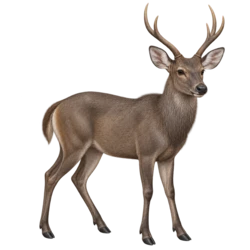
Javan Rusa DeerC
Herds graze the savanna around Ranu Pani and the grassland below Ranu Kumbolo at dawn and dusk.
Catatan spotting: Likely at dusk around Ranu Pani; common on the Ranu Kumbolo trail.
Baca panduan spesies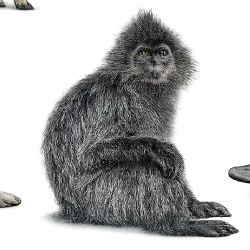
Silvery LutungC
Black leaf monkeys with orange infants move through the Semeru forest between Ranu Pani and Ranu Kumbolo.
Catatan spotting: Regular on the lower trail if you walk quietly.
Baca panduan spesies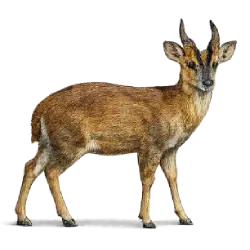
Indian MuntjacC
The barking deer's alarm call echoes from the forest edge at Ranu Pani in the evening.
Catatan spotting: Heard often; seen occasionally crossing the trail.
Baca panduan spesies Leopard CatC
Leopard cats hunt rats and birds in the scrub and casuarina on the caldera rim after dark.
Catatan spotting: Rare; a torch along the rim road late at night is the only chance.
Baca panduan spesies
Wild BoarB
Churned ground along the Ranu Pani fields and forest edge gives them away.
Catatan spotting: Common but shy; sign is easier than the animal.
Baca panduan spesies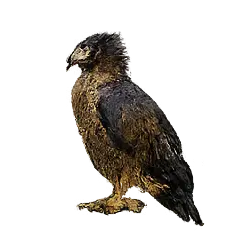
Crested Serpent EagleC
Soars over the caldera rim forest at Cemoro Lawang and Penanjakan once the morning thermals start.
Catatan spotting: Regular mid-morning.
Baca panduan spesies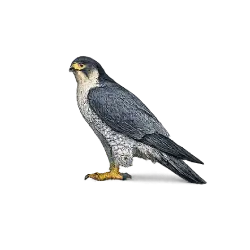
Peregrine FalconB
Hunts swifts and pigeons along the caldera cliffs and the Penanjakan escarpment.
Catatan spotting: Uncommon; check the cliff faces.
Baca panduan spesies Oriental White-eyeE
Flocks of white-eyes work the casuarina and scrub on the rim and around Ranu Pani.
Catatan spotting: Common in highland scrub.
Baca panduan spesies
Sooty-headed BulbulD
The bulbul of the Cemoro Lawang and Ranu Pani village gardens and hedges.
Catatan spotting: Abundant.
Baca panduan spesies
Eurasian Tree SparrowE
The sparrow of every homestay roof in Cemoro Lawang and Ngadisari.
Catatan spotting: Everywhere in the villages.
Baca panduan spesies
Long-tailed MacaqueC
Troops live in the forest on the lower slopes toward Tumpang and at the Coban Pelangi waterfall approach.
Catatan spotting: Common on the lower, western approaches.
Baca panduan spesies
Asian Palm CivetD
Crosses the Tumpang to Ranu Pani road at night and raids village fruit trees.
Catatan spotting: Nocturnal; realistic on a late drive.
Baca panduan spesies
DragonflyE
Ranu Pani, Ranu Regulo and Ranu Kumbolo lakes hum with dragonflies on sunny mornings.
Catatan spotting: Abundant at the lakes in sun.
Baca panduan spesiesPaling cocok untuk
Gunakan bagian ini untuk menilai apakah lokasi tersebut cocok dengan gaya perjalanan, level pengalaman, dan target AnimalDex kamu.
- Dusk deer on the Ranu Pani grassland
- Highland forest monkeys on the Semeru trail
- Raptors over the caldera rim
- Lake-edge insects at Ranu Kumbolo
Tips spotting
Tips ini dibuat agar halaman ini benar-benar berguna di lapangan, bukan hanya enak dibaca di layar.
- 01Stay at Ranu Pani rather than Cemoro Lawang if wildlife is the goal; the deer and muntjac are on the grassland at dusk and dawn.
- 02Walk the first two hours of the Semeru trail toward Ranu Kumbolo slowly and in silence for lutung; most hikers pass straight through.
- 03After the sunrise crowd leaves Penanjakan, bird the rim forest between 08:00 and 10:00 when the thermals bring up the raptors.
- 04Nights fall below 5 degrees; bring real warm layers for any dusk or night session.
Wildlife Guides virtual
Panduan satwa liar ke Bromo Tengger Semeru National Park
AnimalDex membuat panduan virtual dari penampakan satwa liar milik para penjelajah sendiri: satwa apa yang mereka temukan, seberapa langka, dan kapan. Panduan adalah saran dari orang yang pernah ke sana, bukan tur. Membelinya membuka catatan penulis untuk setiap satwa, obrolan dengan penulis, dan perkenalan dengan warga lokal yang mereka temui. Penampakan satwa tidak pernah dijamin.
Memeriksa panduan virtual ke Bromo Tengger Semeru National Park...
Cara memilih pemandu satwa liar lokal di Bromo Tengger Semeru National Park
- Tanyakan apa yang biasanya mereka temukan pada musim kunjunganmu. Pemandu yang baik memberi jawaban jujur, bukan janji pasti melihat satwa tertentu.
- Perhatikan cara mereka memperlakukan satwa: tanpa umpan, tanpa memanggil satwa, tanpa memegang, dan tanpa flash dari jarak dekat demi foto.
- Pastikan titik temu, durasi, ukuran grup, total harga, dan cara pembayaran sebelum hari kegiatan, termasuk izin atau biaya taman yang diperlukan.
Lacak hewan yang kamu temukan di Bromo Tengger Semeru National Park
Bangun koleksimu sambil menjelajahi Bromo Tengger Semeru National Park, dari spesies yang mudah ditemukan sampai target yang layak direncanakan khusus.
Lokasi terkait
Lanjutkan eksplorasi dengan destinasi yang mirip atau berdekatan dan mendukung gaya discovery AnimalDex yang sama.
Animals in East Java: What You Can Spot, Learn, and Collect
East Java wildlife guide: banteng and green peafowl on Baluran's savanna, nesting turtles at Sukamade, rusa deer under Bromo, kites and civets around Malang.
Baca panduan lokasiAnimals in Malang and Batu: What You Can Spot, Learn, and Collect
Malang and Batu wildlife guide: cassowaries and lories at Batu Secret Zoo, Coban Rondo's macaques, rusa deer and serpent eagles on the Bromo roads, civets.
Baca panduan lokasiAnimals in Java: What You Can Spot, Learn, and Collect
Java wildlife guide: Javan rhinos in Ujung Kulon, silvery gibbons at Gede Pangrango, banteng and green peafowl at Baluran, and the mynas and herons of the cities.
Baca panduan lokasiFAQ lokasi
Jawaban singkat dan langsung untuk pertanyaan yang biasanya ditanyakan traveler sebelum memilih destinasi satwa liar atau hari kebun binatang.
What wildlife is there in Bromo Tengger Semeru National Park?
Rusa deer, lutung, muntjac, wild boar and leopard cat in the Semeru highlands and on the caldera rim; serpent eagles, peregrines, white-eyes and bulbuls in the rim forest; and dragonflies at the Ranu Pani and Ranu Kumbolo lakes.
What animals can be found in Bromo?
Around the sea of sand, very little beyond the ponies and village birds. The animals are on the forested rim and at Ranu Pani: deer, monkeys, raptors and small highland birds.
Are there animals on the Semeru trek?
Yes. Rusa deer are common at Ranu Kumbolo, lutung move through the forest on the first section, muntjac bark at dusk, and the lakes are full of dragonflies. Above Kalimati the volcano is bare.
When is the best time for wildlife in Bromo?
The dry season from May to October gives clear mornings and firm trails. Deer and muntjac are seen year-round at dusk; the Semeru trail is often closed during the wettest months.
Bagaimana cara menemukan panduan satwa liar ke Bromo Tengger Semeru National Park?
Lihat bagian Wildlife Guides di halaman ini atau jelajahi Wildlife Guides di AnimalDex. Setiap panduan adalah panduan virtual yang dibuat dari penampakan satwa liar milik seorang penjelajah di sekitar Bromo Tengger Semeru National Park: satwa yang mereka temukan, seberapa langka, dan kapan. Ini saran dari orang yang pernah ke sana, bukan tur. Jika kamu ingin ditemani seseorang di lokasi, bandingkan pemandu lokal dari pengetahuan satwanya, cara mereka memperlakukan satwa, dan kejelasan harganya sebelum berangkat.