

Animals in Bromo Tengger Semeru National Park: What You Can Spot, Learn, and Collect
Bromo Tengger Semeru wildlife: rusa deer on the Ranu Pani grassland, lutung in the Semeru forest, leopard cat and muntjac, raptors on the caldera rim.
Quick answer
Start with the direct answer, then use the sections below to see why the location matters and which animals are actually realistic to spot there.
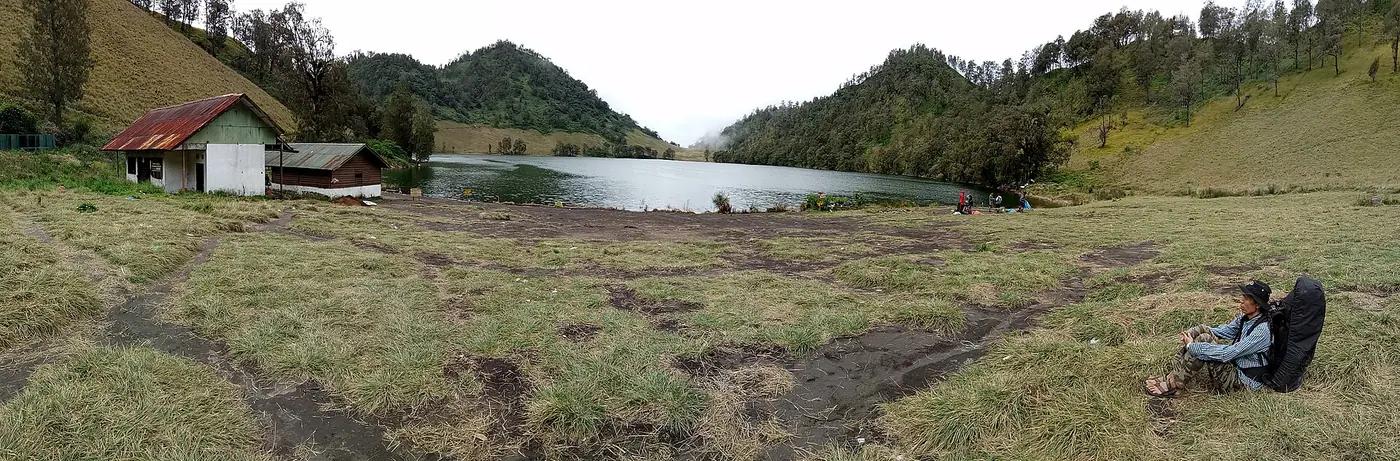
Bromo's sea of sand is almost lifeless, but the forested caldera rim and the Semeru highlands behind it are not. Rusa deer graze the Ranu Pani grassland at dusk, lutung and muntjac move through the Semeru forest, leopard cats hunt the scrub at night, and the rim holds serpent eagles, honey buzzards, white-eyes and bulbuls. Ranu Pani and Ranu Regulo lakes are full of dragonflies, and the villages add tree sparrows and the usual macaques.
Most visitors see Bromo in the dark, photograph a sunrise and leave by nine. The wildlife starts where the jeeps stop: in the casuarina and montane forest on the caldera rim, on the grassland around Ranu Pani, and in the tall forest on the flanks of Semeru, Java's highest volcano.
This is a highland page. The animals are cold-adapted Javan species, the mornings are near freezing, and the best sightings come to people who stay a night at Ranu Pani or walk the rim trails after the sunrise crowd has gone.
Why this location matters
Good location pages explain why the place is worth your time, not just which names belong on a destination checklist.
The park protects the largest block of montane forest in East Java and is one of the few places on the island where a visitor can combine open grassland mammals with highland forest birds in a single day.
Ranu Pani is the trailhead for Semeru and a real highland village, and treating the walk-in as a wildlife day rather than a transit day turns up deer, lutung and raptors that climbers in a hurry never notice.
Where to look
Wildlife map of Bromo Tengger Semeru National Park
This guide covers the region shown below. Zoom in to get your bearings before planning a trip.
Positions are geocoded from OpenStreetMap. Habitat access and opening times change — check locally before travelling.
Animals to spot
These are intentionally practical species picks, balancing accessibility, excitement, and what travelers can realistically notice in the location.
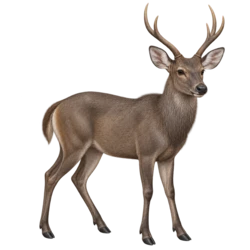
Javan Rusa DeerC
Herds graze the savanna around Ranu Pani and the grassland below Ranu Kumbolo at dawn and dusk.
Spotting note: Likely at dusk around Ranu Pani; common on the Ranu Kumbolo trail.
Read species guide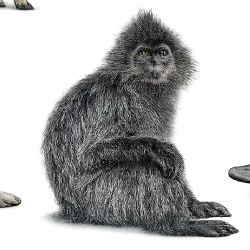
Silvery LutungC
Black leaf monkeys with orange infants move through the Semeru forest between Ranu Pani and Ranu Kumbolo.
Spotting note: Regular on the lower trail if you walk quietly.
Read species guide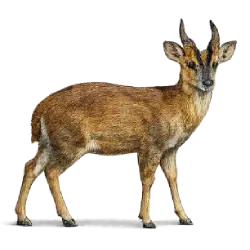
Indian MuntjacC
The barking deer's alarm call echoes from the forest edge at Ranu Pani in the evening.
Spotting note: Heard often; seen occasionally crossing the trail.
Read species guide Leopard CatC
Leopard cats hunt rats and birds in the scrub and casuarina on the caldera rim after dark.
Spotting note: Rare; a torch along the rim road late at night is the only chance.
Read species guide
Wild BoarB
Churned ground along the Ranu Pani fields and forest edge gives them away.
Spotting note: Common but shy; sign is easier than the animal.
Read species guide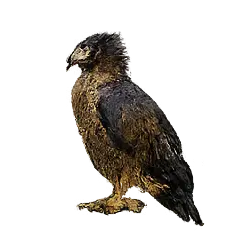
Crested Serpent EagleC
Soars over the caldera rim forest at Cemoro Lawang and Penanjakan once the morning thermals start.
Spotting note: Regular mid-morning.
Read species guide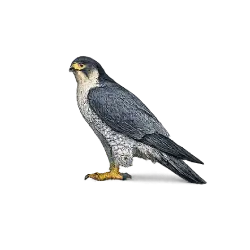
Peregrine FalconB
Hunts swifts and pigeons along the caldera cliffs and the Penanjakan escarpment.
Spotting note: Uncommon; check the cliff faces.
Read species guide Oriental White-eyeE
Flocks of white-eyes work the casuarina and scrub on the rim and around Ranu Pani.
Spotting note: Common in highland scrub.
Read species guide
Sooty-headed BulbulD
The bulbul of the Cemoro Lawang and Ranu Pani village gardens and hedges.
Spotting note: Abundant.
Read species guide
Eurasian Tree SparrowE
The sparrow of every homestay roof in Cemoro Lawang and Ngadisari.
Spotting note: Everywhere in the villages.
Read species guide
Long-tailed MacaqueC
Troops live in the forest on the lower slopes toward Tumpang and at the Coban Pelangi waterfall approach.
Spotting note: Common on the lower, western approaches.
Read species guide
Asian Palm CivetD
Crosses the Tumpang to Ranu Pani road at night and raids village fruit trees.
Spotting note: Nocturnal; realistic on a late drive.
Read species guide
DragonflyE
Ranu Pani, Ranu Regulo and Ranu Kumbolo lakes hum with dragonflies on sunny mornings.
Spotting note: Abundant at the lakes in sun.
Read species guideBest for
Use this section to decide whether the location fits your travel style, skill level, and AnimalDex goals.
- Dusk deer on the Ranu Pani grassland
- Highland forest monkeys on the Semeru trail
- Raptors over the caldera rim
- Lake-edge insects at Ranu Kumbolo
Spotting tips
These tips are meant to make the page useful in the field, not just readable on the page.
- 01Stay at Ranu Pani rather than Cemoro Lawang if wildlife is the goal; the deer and muntjac are on the grassland at dusk and dawn.
- 02Walk the first two hours of the Semeru trail toward Ranu Kumbolo slowly and in silence for lutung; most hikers pass straight through.
- 03After the sunrise crowd leaves Penanjakan, bird the rim forest between 08:00 and 10:00 when the thermals bring up the raptors.
- 04Nights fall below 5 degrees; bring real warm layers for any dusk or night session.
Virtual Wildlife Guides
Wildlife guides to Bromo Tengger Semeru National Park
AnimalDex builds virtual guides from explorers' own wild sightings: which animals they found, how rare they are, and when. A guide is advice from someone who has been there, not a tour. Buying one unlocks the author's notes for every animal, a chat with the author, and introductions to local people they met. Wildlife is never guaranteed.
Checking for virtual guides to Bromo Tengger Semeru National Park...
How to choose a local wildlife guide in Bromo Tengger Semeru National Park
- Ask what they usually find in the season you are visiting. A good guide gives an honest answer, not a promised sighting.
- Check how they treat animals: no baiting, calling in, handling, or close flash photography for a better shot.
- Confirm the meeting area, duration, group size, total price, and how you pay before the day, plus any permits or park fees the place requires.
Track the animals you find in Bromo Tengger Semeru National Park
Build your collection while you travel through Bromo Tengger Semeru National Park, from easy wins to the species worth planning around.
Related locations
Keep exploring with nearby or similar destinations that support the same kind of AnimalDex discovery.
Animals in East Java: What You Can Spot, Learn, and Collect
East Java wildlife guide: banteng and green peafowl on Baluran's savanna, nesting turtles at Sukamade, rusa deer under Bromo, kites and civets around Malang.
Read location guideAnimals in Malang and Batu: What You Can Spot, Learn, and Collect
Malang and Batu wildlife guide: cassowaries and lories at Batu Secret Zoo, Coban Rondo's macaques, rusa deer and serpent eagles on the Bromo roads, civets.
Read location guideAnimals in Java: What You Can Spot, Learn, and Collect
Java wildlife guide: Javan rhinos in Ujung Kulon, silvery gibbons at Gede Pangrango, banteng and green peafowl at Baluran, and the mynas and herons of the cities.
Read location guideLocation FAQ
Short direct answers to the questions travelers usually ask before choosing a wildlife destination or zoo day.
What wildlife is there in Bromo Tengger Semeru National Park?
Rusa deer, lutung, muntjac, wild boar and leopard cat in the Semeru highlands and on the caldera rim; serpent eagles, peregrines, white-eyes and bulbuls in the rim forest; and dragonflies at the Ranu Pani and Ranu Kumbolo lakes.
What animals can be found in Bromo?
Around the sea of sand, very little beyond the ponies and village birds. The animals are on the forested rim and at Ranu Pani: deer, monkeys, raptors and small highland birds.
Are there animals on the Semeru trek?
Yes. Rusa deer are common at Ranu Kumbolo, lutung move through the forest on the first section, muntjac bark at dusk, and the lakes are full of dragonflies. Above Kalimati the volcano is bare.
When is the best time for wildlife in Bromo?
The dry season from May to October gives clear mornings and firm trails. Deer and muntjac are seen year-round at dusk; the Semeru trail is often closed during the wettest months.
How do I find a wildlife guide to Bromo Tengger Semeru National Park?
Check the Wildlife Guides section on this page or browse Wildlife Guides on AnimalDex. Each one is a virtual guide built from an explorer's own wild sightings around Bromo Tengger Semeru National Park: the animals they found, how rare they are, and when. It is advice from someone who has been there, not a tour. If you want someone with you on the day, compare local guides on wildlife knowledge, how they treat animals, and clear pricing before you go.