

Animals in Egypt: What You Can Spot, Learn, and Collect
Egypt wildlife guide: dugongs and Napoleon wrasse on the Red Sea reefs, Sataya's spinner dolphins, Nubian ibex in Sinai, Fayoum flamingos and Nile kingfishers.
Quick answer
Start with the direct answer, then use the sections below to see why the location matters and which animals are actually realistic to spot there.
Egypt's richest wildlife is underwater: Red Sea reefs at Marsa Alam, Hurghada and Sharm el-Sheikh hold dugongs, green turtles, Napoleon wrasse, lionfish, morays and spinner dolphins, with oceanic whitetips at the offshore islands. Inland, the Nile and the Fayoum lakes give you pied kingfishers, egrets and flamingos, while the Sinai mountains hold Nubian ibex, rock hyrax and fennec country starts at the desert edge.
Egypt is a desert with a river through it and a reef along its side. Nearly every land animal lives within a few kilometres of the Nile or an oasis, which means a felucca ride at Aswan or a walk through Luxor's farmland produces more birds than most people expect: pied kingfishers hovering over the water, cattle egrets following the plough, hoopoes on the lawns.
The Red Sea is the other Egypt. Marsa Alam's Abu Dabbab bay has resident dugongs, Sataya reef has a resting pod of spinner dolphins, and Ras Mohammed off Sharm is one of the most famous dive parks in the world. Wadi El Rayan and Lake Qarun in the Fayoum add flamingos and migrating waders within a day trip of Cairo.
Why this location matters
Good location pages explain why the place is worth your time, not just which names belong on a destination checklist.
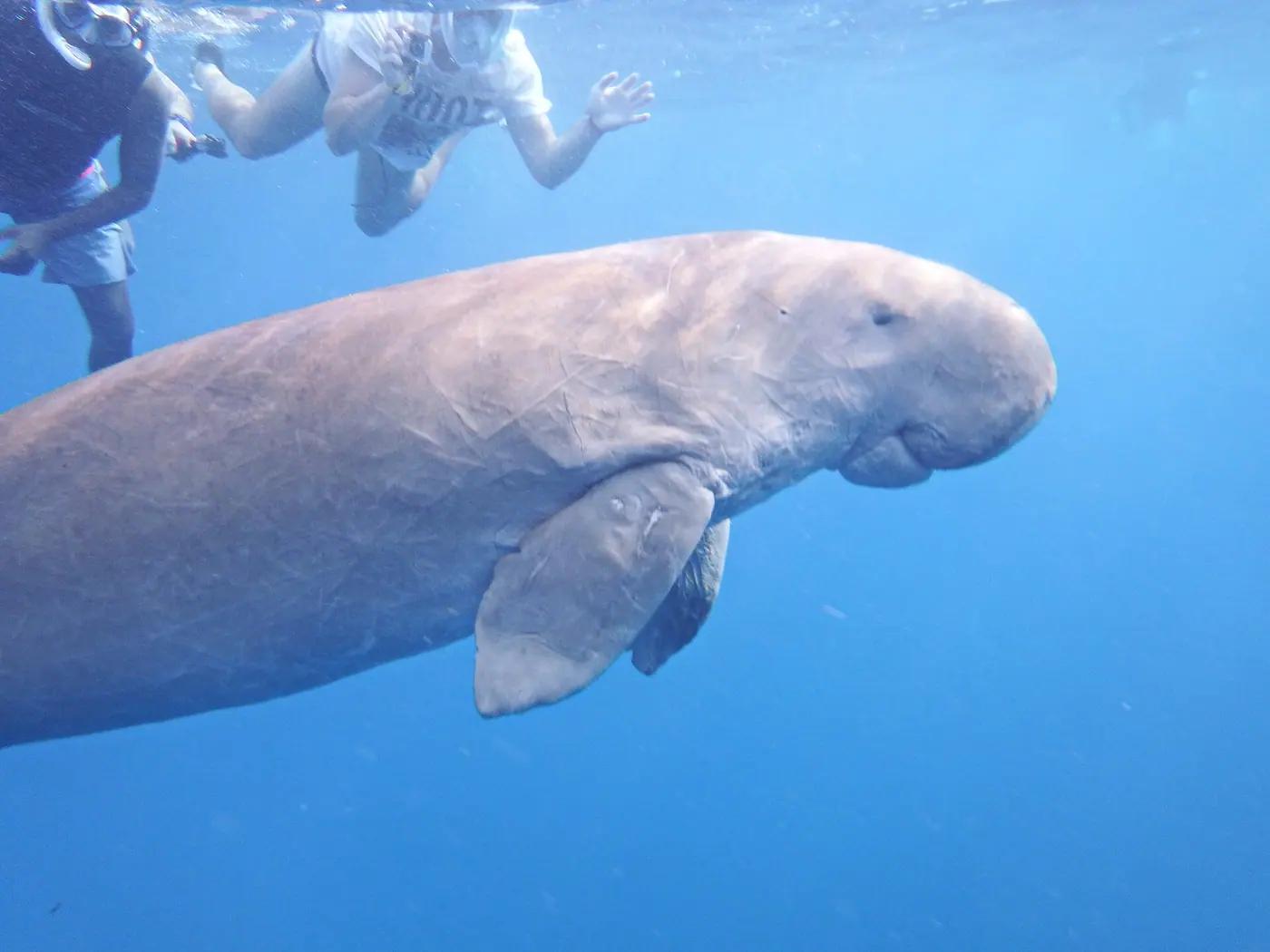
The northern Red Sea is one of the few reef systems still in good shape, and Egypt's dugongs are among the most accessible anywhere. A snorkeller at Abu Dabbab can watch one graze the seagrass in three metres of water.
Egypt's animals are also woven into its history. The ibis, baboon, falcon, cobra and cat on temple walls were real residents of the Nile valley, and seeing a sacred ibis cousin or a hooded cobra sign today connects the two.
Where to look
Wildlife map of Egypt
This guide covers the region shown below. Zoom in to get your bearings before planning a trip.
Positions are geocoded from OpenStreetMap. Habitat access and opening times change — check locally before travelling.
Animals to spot
These are intentionally practical species picks, balancing accessibility, excitement, and what travelers can realistically notice in the location.
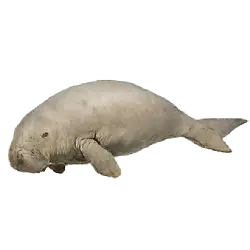
DugongC
A few individuals graze the seagrass bay at Abu Dabbab near Marsa Alam and are seen by snorkellers from the beach; Marsa Mubarak holds others.
Spotting note: Regular at Abu Dabbab in the morning; keep your distance and never chase them.
Read species guide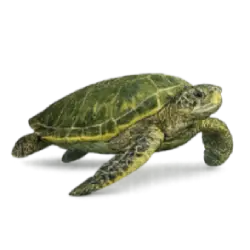
Green Sea TurtleC
Grazes alongside the dugongs at Abu Dabbab and Marsa Mubarak and rests under coral ledges at Ras Mohammed.
Spotting note: Near-certain for snorkellers at Abu Dabbab.
Read species guide
Spinner DolphinA
A pod rests inside the Sataya (Dolphin House) lagoon south of Marsa Alam by day and another uses Samadai reef, where access is managed.
Spotting note: Reliable on day boats to Sataya; follow the no-chase rules.
Read species guide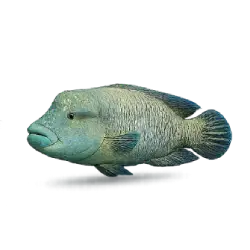
Napoleon WrasseB
Big humphead wrasse patrol the walls of Ras Mohammed, the Thistlegorm wreck and the Brothers, often following divers.
Spotting note: Regular on the famous dive sites of Sharm and the offshore islands.
Read species guide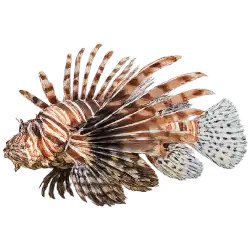
LionfishD
Hangs under overhangs on every Red Sea reef from Dahab's Blue Hole to Hurghada's house reefs, fins spread, waiting for small fish.
Spotting note: Very common; look but do not touch the venomous spines.
Read species guide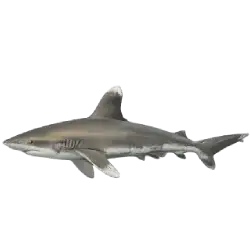
Oceanic Whitetip SharkA
Cruises the surface at the Brothers, Daedalus and Elphinstone in autumn, where liveaboard divers watch it circle the boats.
Spotting note: Seasonal, October to December at the offshore reefs; rare near shore.
Read species guide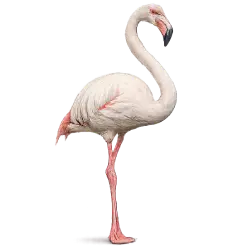
Greater FlamingoC
Feeds on the salt lakes of Wadi El Rayan and Lake Qarun in the Fayoum and on the Mediterranean lagoons at Lake Burullus.
Spotting note: Common in winter in the Fayoum and the Delta lakes.
Read species guide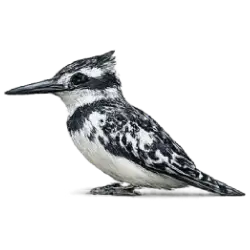
Pied KingfisherD
Hovers over the Nile at Aswan and Luxor and perches on felucca masts, diving for fish right beside the boats.
Spotting note: Abundant on the Nile year-round.
Read species guide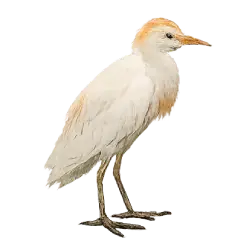
Cattle EgretD
The 'friend of the farmer' follows ploughs through Nile valley fields and roosts in thousands in city trees, including Cairo's zoo garden.
Spotting note: Abundant everywhere there is farmland.
Read species guide
Nubian IbexC
Lives on the granite of the St Katherine Protectorate in South Sinai and the cliffs of the Eastern Desert wadis near Wadi Gemal.
Spotting note: Uncommon; a Bedouin guide at St Katherine or Wadi Gemal gives the best chance.
Read species guide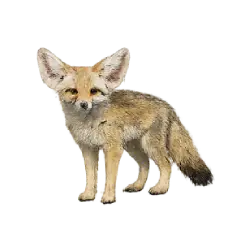
Fennec FoxC
Hunts the sand seas of the Western Desert around Siwa and the Great Sand Sea, and the Sinai dunes near Nuweiba, after dark.
Spotting note: Nocturnal and rarely seen; tracks around dune bases are the usual record.
Read species guide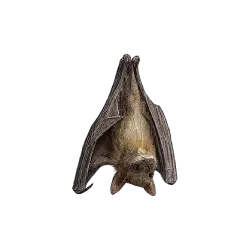
Egyptian Fruit BatD
Roosts in tombs, temples and old buildings along the Nile and streams out at dusk over Luxor and Cairo to feed on figs and dates.
Spotting note: Common at dusk near fruit trees and ancient sites.
Read species guide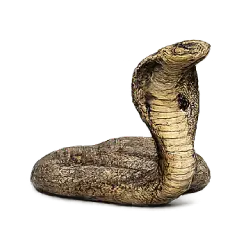
Egyptian CobraB
The cobra of the pharaohs' crowns still lives in Nile valley farmland and the Delta, hunting rodents at the edge of fields at night.
Spotting note: Rarely seen; give any snake a wide berth.
Read species guide
Ornate Spiny-tailed LizardD
The ornate mastigure, a blue, green and yellow spiny-tailed lizard, basks on granite boulders in the wadis around St Katherine and Dahab and in the Eastern Desert near Wadi Gemal.
Spotting note: Regular on sunny rock in South Sinai from spring to autumn; the blue Sinai agama shares the same boulders.
Read species guideBest for
Use this section to decide whether the location fits your travel style, skill level, and AnimalDex goals.
- Snorkellers and divers using Marsa Alam, Hurghada, Dahab or Sharm el-Sheikh as a base.
- Nile cruise passengers who want to add kingfishers, egrets and bats to the temples.
- Day-trippers from Cairo heading to the Fayoum lakes and Wadi El Rayan waterfalls.
- Hikers in the St Katherine mountains with a Bedouin guide.
Spotting tips
These tips are meant to make the page useful in the field, not just readable on the page.
- 01At Abu Dabbab, enter from the beach early before the day boats arrive; the dugong and turtles feed on the seagrass in the middle of the bay.
- 02On the Nile, sit on the shaded side of the felucca and watch the papyrus edges and sandbanks for kingfishers, herons and the occasional Nile monitor.
- 03Dolphin trips to Sataya are better from Hamata than from Marsa Alam, and operators that follow the no-swim-at rules get calmer, longer encounters.
- 04Giza Zoo in Cairo is a place to see hippos and big cats up close, but log them as zoo sightings; the wild hippo left Egypt in the 1800s.
Virtual Wildlife Guides
Wildlife guides to Egypt
AnimalDex builds virtual guides from explorers' own wild sightings: which animals they found, how rare they are, and when. A guide is advice from someone who has been there, not a tour. Buying one unlocks the author's notes for every animal, a chat with the author, and introductions to local people they met. Wildlife is never guaranteed.
Checking for virtual guides to Egypt...
How to choose a local wildlife guide in Egypt
- Ask what they usually find in the season you are visiting. A good guide gives an honest answer, not a promised sighting.
- Check how they treat animals: no baiting, calling in, handling, or close flash photography for a better shot.
- Confirm the meeting area, duration, group size, total price, and how you pay before the day, plus any permits or park fees the place requires.
Track the animals you find in Egypt
Build your collection while you travel through Egypt, from easy wins to the species worth planning around.
Related tier lists
These tier lists add broader context around the species that make this location interesting.
Most Sacred Animals in History
A structured ranking of the most sacred animals in history, balancing long-term worship, ritual symbolism, divine association, and cultural persistence across civilizations.
Read tier list100 Most Dangerous Animals in the World
Dangerous animals list ranking 100 species by lethal capability, aggression, and encounter risk — not a jump-scare trivia page and not a disease-vector list.
Read tier listRelated locations
Keep exploring with nearby or similar destinations that support the same kind of AnimalDex discovery.
Animals in Jordan: What You Can Spot, Learn, and Collect
Jordan wildlife guide: Nubian ibex and hyraxes in Dana, Arabian oryx and onagers at Shaumari, Azraq wetland flamingos and storks, Aqaba's Red Sea reef and Wadi Rum.
Read location guideAnimals in Saudi Arabia: What You Can Spot, Learn, and Collect
Saudi Arabia wildlife guide: Arabian oryx at AlUla, hamadryas baboons in the Asir highlands, Red Sea whale sharks, Farasan gazelles, dugongs and Gulf flamingos.
Read location guideAnimals in Israel: What You Can Spot, Learn, and Collect
A practical Israel wildlife guide built around migration routes, coasts, wetlands, and the compact habitat variety that gives the country strong observation value.
Read location guideLocation FAQ
Short direct answers to the questions travelers usually ask before choosing a wildlife destination or zoo day.
What wildlife is there in Egypt?
Red Sea reef life including dugongs, turtles, dolphins, wrasse and sharks; Nile birds such as pied kingfishers, egrets and herons; flamingos and waders on the Fayoum and Delta lakes; and desert and mountain animals including Nubian ibex, fennec fox, Egyptian cobra and Sinai agama.
What animals can be found in Egypt?
Around 100 mammal species, more than 470 bird species and some 1,200 Red Sea fish species. Realistic sightings are reef fish and turtles on the coast, kingfishers and egrets along the Nile, fruit bats at dusk, and ibex and hyrax in Sinai with a guide.
Are there crocodiles in the Nile in Egypt?
Only above the Aswan High Dam in Lake Nasser. The river north of Aswan, where the cruise boats run, has had no wild crocodiles for over a century. Nubian villages near Aswan keep small captive ones for tourists.
Where is the best snorkelling for wildlife in Egypt?
Abu Dabbab near Marsa Alam for dugongs and turtles, Sataya for dolphins, Ras Mohammed at Sharm for big fish and walls, and the Dahab reefs for lionfish and morays in shallow water.
How do I find a wildlife guide to Egypt?
Check the Wildlife Guides section on this page or browse Wildlife Guides on AnimalDex. Each one is a virtual guide built from an explorer's own wild sightings around Egypt: the animals they found, how rare they are, and when. It is advice from someone who has been there, not a tour. If you want someone with you on the day, compare local guides on wildlife knowledge, how they treat animals, and clear pricing before you go.