

Animals in Grand Est: What You Can Spot, Learn, and Collect
Wildlife of Alsace, Lorraine and Champagne: white storks on village roofs, chamois and lynx in the Vosges, grebes and bitterns on the Lorraine ponds, magpies, firebugs.
Jawaban cepat
Mulai dari jawaban langsung, lalu gunakan bagian di bawah untuk melihat kenapa lokasi ini penting dan hewan mana yang benar-benar realistis untuk di-spot di sana.
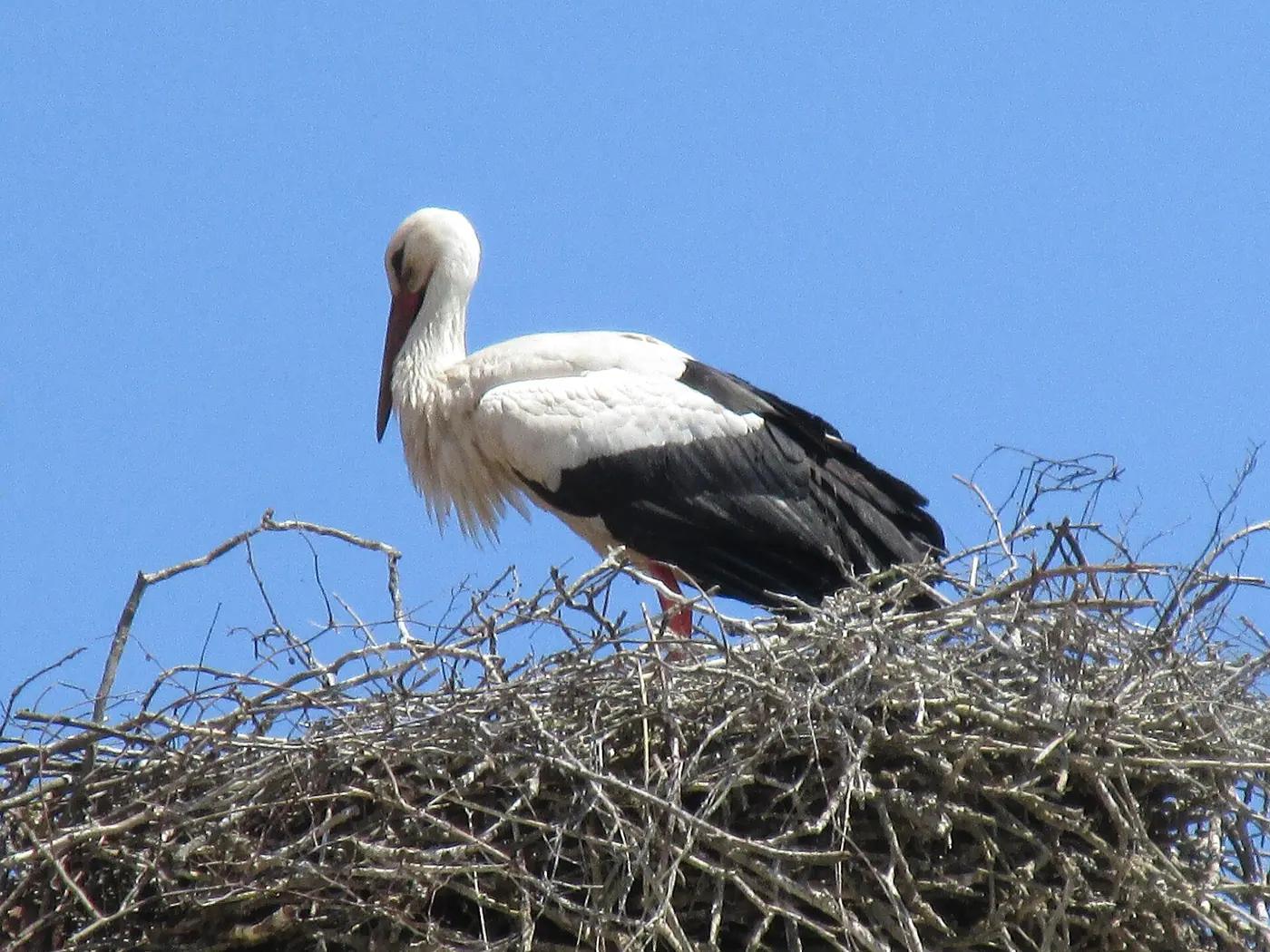
Grand Est is stork country: white storks nest on roofs and poles across Alsace from March to August. The Vosges mountains behind them hold chamois, red deer, peregrines and a few Eurasian lynx, while the Lorraine pond district around the Etang de Lindre is one of France's best inland sites for grebes, bitterns and passing spoonbills.
Grand Est is the second most captured French region in AnimalDex, and the captures are honest: magpies, great tits, collared doves, firebugs at the base of lime trees, leopard slugs after rain, and a brown rat or two around Nancy and Saverne. That is the wildlife of a region of towns, vineyards and canals.
The headline species need a short drive. Storks are easiest in the Alsace wine villages, the Vosges for mountain mammals, and the Lorraine ponds for waterbirds. The Parc Animalier de Sainte-Croix at Rhodes adds wolves, lynx and bears in large forest enclosures for anyone who wants a guaranteed view.
Kenapa lokasi ini penting
Halaman lokasi yang baik menjelaskan kenapa tempat ini layak dikunjungi, bukan hanya nama-nama yang cocok dimasukkan ke checklist destinasi.
Alsace nearly lost its storks. Only nine pairs were left in 1974; after reintroduction at Hunawihr and Munster there are now well over a thousand. Every chimney nest you photograph is part of that recovery.
The Vosges were also the site of France's first lynx reintroduction in 1983. The population has struggled, with only a handful of animals left, so a track in the snow there is a genuinely rare record.
Tempat mencari
Peta satwa liar Grand Est
Panduan ini mencakup wilayah di bawah ini. Perbesar peta untuk mengenali areanya sebelum merencanakan perjalanan.
Posisi diambil dari OpenStreetMap. Akses habitat dan jam buka bisa berubah — periksa dulu sebelum berangkat. Pin yang lebih kecil adalah capture publik AnimalDex, ditempatkan sampai kilometer terdekat.
Bukti lapangan
Ditemukan di Grand Est oleh pengguna AnimalDex
Capture nyata yang dicatat di aplikasi AnimalDex di dalam area ini dan dibagikan secara publik oleh kolektornya, dengan hewan yang dikonfirmasi oleh identifikasi aplikasi. Lokasi ditampilkan sampai tingkat wilayah, bukan titik persisnya.
- 28
- capture publik
- 23
- spesies tercatat
- 5
- kolektor
- 28
- penampakan liar
Capture terbaru dari lapangan
Spesies yang benar-benar dicatat orang di sini
Setiap nama menuju panduan spesiesnya. Angkanya adalah jumlah capture publik hewan itu di dalam area ini.
- Barn Funnel Weaver2 capture
- Black Ant2 capture
- Eurasian Magpie2 capture
- Guppy2 capture
- Plume Moth2 capture
- Brimstone Butterfly1 capture
- Brown Rat1 capture
- Carolina Wolf Spider1 capture
- Central Bearded Dragon1 capture
- Common Blackbird1 capture
- Crane Fly1 capture
- Daddy Long-Legs Spider1 capture
- Earwig1 capture
- Eurasian Collared Dove1 capture
- Firebug1 capture
- Giant Honey Bee1 capture
- Great Tit1 capture
- Hermann's Tortoise1 capture
- House Fly1 capture
- Jumping Spider1 capture
- Leopard Slug1 capture
- Mealworm Beetle1 capture
- Snail1 capture
Kolektor memilih membagikan capture ini di Discover dan bisa menariknya kapan saja. Koordinat dibulatkan sekitar satu kilometer dan diperbarui setiap build situs.
Hewan untuk di-spot
Pilihan spesies di sini sengaja dibuat praktis, menyeimbangkan aksesibilitas, excitement, dan apa yang realistis untuk diperhatikan traveler di lokasi tersebut.
White StorkC
Nests on church roofs, chimneys and purpose-built poles in Hunawihr, Munster, Eguisheim and Strasbourg's Orangerie park; the Alsace emblem.
Catatan spotting: Guaranteed March to August across Alsace.
Baca panduan spesies
Red DeerB
The Vosges and the Argonne forests hold big herds; the autumn rut echoes through the Donon and the Foret de Haguenau.
Catatan spotting: Easy in late September at dawn and dusk in the forest clearings.
Baca panduan spesies
Wild BoarB
Abundant in the Vosges, the Ardennes and the Champagne forests, and bold enough to raid vineyards on the Alsace plain.
Catatan spotting: Common but nocturnal; churned ground along forest tracks is the sign.
Baca panduan spesies
ChamoisC
Introduced to the Vosges in the 1950s and now numbering around a thousand on the high Hohneck and Grand Ballon crests.
Catatan spotting: Reliable at dawn on the Hohneck ridge above the treeline.
Baca panduan spesies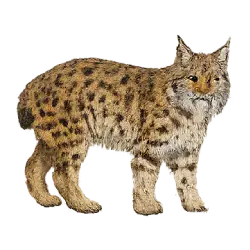
Eurasian LynxB
Reintroduced to the Vosges in 1983; the population crashed and only a few individuals remain, with occasional arrivals from the German Palatinate.
Catatan spotting: Extremely rare; the Sainte-Croix park is the realistic view.
Baca panduan spesies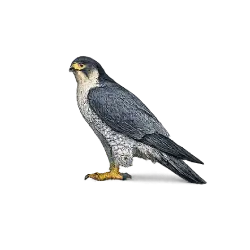
Peregrine FalconB
Nests on the sandstone cliffs of the northern Vosges and on Strasbourg cathedral, hunting pigeons over the city.
Catatan spotting: Uncommon; scan cliff faces near Saverne and Dabo in spring.
Baca panduan spesies
Great Crested GrebeD
Displays in pairs on the Etang de Lindre and the Madine lake, head-shaking and weed-dancing in March and April.
Catatan spotting: Common on any large Lorraine pond in spring.
Baca panduan spesies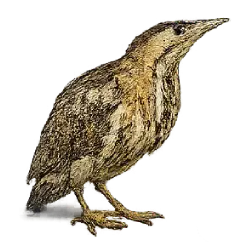
Eurasian BitternC
The reedbeds of the Lindre pond district hold one of France's few inland breeding populations; the booming call carries at dawn.
Catatan spotting: Rare and secretive; heard far more often than seen.
Baca panduan spesies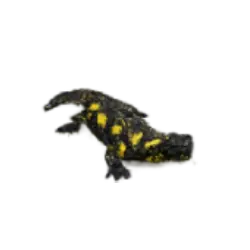
Fire SalamanderE
Black and yellow, wandering beech-forest tracks in the Vosges on wet nights and after summer thunderstorms.
Catatan spotting: Seasonal; walk forest roads after rain in spring and autumn.
Baca panduan spesies
Eurasian MagpieD
The most captured bird in Grand Est, loud in Nancy's parks, along the Rhine canal paths and in every village.
Catatan spotting: Guaranteed.
Baca panduan spesies
Great TitE
Logged in the region's gardens and parks; the two-note song starts in January and the birds come to any feeder.
Catatan spotting: Very common year-round.
Baca panduan spesies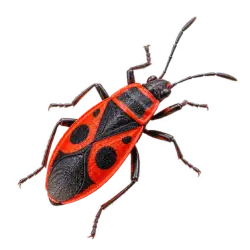
FirebugE
Clusters in red-and-black masses at the base of lime trees along town avenues in spring and autumn, a regular Grand Est capture.
Catatan spotting: Easy on sunny days in April and September.
Baca panduan spesies
Eurasian Collared DoveD
The pale dove of farmyards and village rooftops across Lorraine and Alsace, logged repeatedly by local users.
Catatan spotting: Very common.
Baca panduan spesies
Leopard SlugE
Emerges onto damp walls and garden paths at night across the region, big and spotted enough to be worth a photo.
Catatan spotting: Common after rain from spring to autumn.
Baca panduan spesiesPaling cocok untuk
Gunakan bagian ini untuk menilai apakah lokasi tersebut cocok dengan gaya perjalanan, level pengalaman, dan target AnimalDex kamu.
- White storks on village roofs along the Alsace wine route
- Chamois and red deer in the high Vosges
- Waterbirds on the Lorraine pond district
- Guaranteed wolves, lynx and bears at the Sainte-Croix animal park
Tips spotting
Tips ini dibuat agar halaman ini benar-benar berguna di lapangan, bukan hanya enak dibaca di layar.
- 01Storks arrive in Alsace in late February and the chicks stand up on the nests from June; Hunawihr's reintroduction centre lets you watch them at eye level.
- 02For chamois, walk the Hohneck ridge from the Col de la Schlucht at first light before the hikers arrive.
- 03The Etang de Lindre is drained every autumn for the fish harvest, which pulls in thousands of waders and herons in October.
- 04Check the sunny base of lime trees in town avenues for firebug clusters; they are a quick, easy capture in spring.
Wildlife Guides virtual
Panduan satwa liar ke Grand Est
AnimalDex membuat panduan virtual dari penampakan satwa liar milik para penjelajah sendiri: satwa apa yang mereka temukan, seberapa langka, dan kapan. Panduan adalah saran dari orang yang pernah ke sana, bukan tur. Membelinya membuka catatan penulis untuk setiap satwa, obrolan dengan penulis, dan perkenalan dengan warga lokal yang mereka temui. Penampakan satwa tidak pernah dijamin.
Memeriksa panduan virtual ke Grand Est...
Cara memilih pemandu satwa liar lokal di Grand Est
- Tanyakan apa yang biasanya mereka temukan pada musim kunjunganmu. Pemandu yang baik memberi jawaban jujur, bukan janji pasti melihat satwa tertentu.
- Perhatikan cara mereka memperlakukan satwa: tanpa umpan, tanpa memanggil satwa, tanpa memegang, dan tanpa flash dari jarak dekat demi foto.
- Pastikan titik temu, durasi, ukuran grup, total harga, dan cara pembayaran sebelum hari kegiatan, termasuk izin atau biaya taman yang diperlukan.
Lacak hewan yang kamu temukan di Grand Est
Bangun koleksimu sambil menjelajahi Grand Est, dari spesies yang mudah ditemukan sampai target yang layak direncanakan khusus.
Lokasi terkait
Lanjutkan eksplorasi dengan destinasi yang mirip atau berdekatan dan mendukung gaya discovery AnimalDex yang sama.
Animals in France: What You Can Spot, Learn, and Collect
What wildlife lives in France, from Alpine ibex and Mercantour wolves to Camargue flamingos, Alsace storks, Breton puffins and the garden birds people log most.
Baca panduan lokasiAnimals in Germany: What You Can Spot, Learn, and Collect
A practical Germany wildlife guide for forest edges, rivers, farmland margins, and the kind of steady species list that rewards patience instead of spectacle.
Baca panduan lokasiAnimals in Auvergne-Rhône-Alpes: What You Can Spot, Learn, and Collect
Wildlife of the Vanoise, Ardèche and Auvergne: ibex, marmots and bearded vultures, Ardèche eagle owls, red kites over the volcanoes, Drôme bee-eaters and Lyon's zoo.
Baca panduan lokasiFAQ lokasi
Jawaban singkat dan langsung untuk pertanyaan yang biasanya ditanyakan traveler sebelum memilih destinasi satwa liar atau hari kebun binatang.
What wildlife is there in Grand Est?
White storks across Alsace, chamois, red deer, wild boar, fire salamanders and a handful of lynx in the Vosges, grebes, bitterns and herons on the Lorraine ponds, and everyday magpies, great tits and firebugs in the towns.
What animals can be found in Alsace?
White storks are the signature species, nesting in most wine villages. The Rhine floodplain forests add beavers, kingfishers and pond terrapins, and the Vosges above the vineyards hold chamois, red deer and peregrines.
Where can you see storks in Alsace?
Hunawihr's stork and otter reintroduction centre, the Munster valley, Eguisheim, Ribeauville and the Orangerie park in Strasbourg all have active nests from March to August.
Are there wolves in the Vosges?
Wolves have been confirmed in the Vosges since 2011, but they remain few, mobile and very hard to see. The Parc Animalier de Sainte-Croix in Lorraine keeps several packs in large forest enclosures.
Apakah pengguna AnimalDex pernah menemukan hewan di Grand Est?
Ya. Pengguna AnimalDex telah mencatat 28 capture publik dari 23 spesies berbeda di Grand Est, termasuk barn funnel weaver, black ant, eurasian magpie, guppy. Semuanya difoto di aplikasi pada saat penampakan.
Bagaimana cara menemukan panduan satwa liar ke Grand Est?
Lihat bagian Wildlife Guides di halaman ini atau jelajahi Wildlife Guides di AnimalDex. Setiap panduan adalah panduan virtual yang dibuat dari penampakan satwa liar milik seorang penjelajah di sekitar Grand Est: satwa yang mereka temukan, seberapa langka, dan kapan. Ini saran dari orang yang pernah ke sana, bukan tur. Jika kamu ingin ditemani seseorang di lokasi, bandingkan pemandu lokal dari pengetahuan satwanya, cara mereka memperlakukan satwa, dan kejelasan harganya sebelum berangkat.