

Animals in Greece: What You Can Spot, Learn, and Collect
What lives in Greece: loggerhead turtles on Zakynthos, cinereous vultures at Dadia, pelicans on Prespa, Pindos bears and the tortoises and geckos of every olive grove.
Quick answer
Start with the direct answer, then use the sections below to see why the location matters and which animals are actually realistic to spot there.
Greece has the Mediterranean's largest loggerhead turtle nesting beaches on Zakynthos, the Balkans' only breeding colony of cinereous vultures in the Dadia forest, and the world's biggest Dalmatian pelican colony on Lake Prespa. Brown bears and wolves survive in the Pindos mountains, and tortoises, wall lizards, house geckos and cicadas are part of every summer day on the islands.
Most people see Greece from a beach, and the beach is a fair place to start. Loggerhead turtles nest on Zakynthos, Kefalonia, Crete and the Peloponnese between June and August, dolphins work the Ionian and the Alonissos marine park, and the stone walls behind the sand are busy with geckos and lizards from the first warm week in spring.
Inland Greece is a different country. The Pindos range along the Albanian border still holds bears and wolves, Dadia in Thrace is a vulture stronghold, and the two Prespa lakes in the far north-west are the best pelican site in Europe. AnimalDex captures from Greece so far come from Evia and from Ilia in the western Peloponnese, where users have logged house geckos, cicadas, collared doves and ants.
Start with these animals
Why this location matters
Good location pages explain why the place is worth your time, not just which names belong on a destination checklist.
Greece is where several Mediterranean species make their last or largest stand. Laganas Bay on Zakynthos carries more than a thousand loggerhead nests a year and the Dadia colony is the only place cinereous vultures still breed in the Balkans.
For a collector the country rewards walking slowly. Tortoises cross the paths at Olympia and Delphi, wall lizards sun on every archaeological site, and a single evening on a taverna terrace adds geckos, moths and cicadas without any effort.
Where to look
Wildlife map of Greece
This guide covers the region shown below. Zoom in to get your bearings before planning a trip.
Positions are geocoded from OpenStreetMap. Habitat access and opening times change — check locally before travelling. Smaller pins are public AnimalDex captures, placed to the nearest kilometre.
Field proof
Found in Greece by AnimalDex users
Real captures logged in the AnimalDex app inside this area and shared publicly by their collectors, with the animal confirmed by the app's identification. Places are shown to the nearest region, never the exact spot.
- 7
- public captures
- 7
- species recorded
- 2
- collectors
- 6
- wild sightings
Recent captures from the field
Species people have actually logged here
Every name links to its species guide. The count is how many public captures of that animal sit inside this area.
Collectors choose to share these captures on Discover and can withdraw them at any time. Coordinates are rounded to about a kilometre and refreshed with each site build.
Animals to spot
These are intentionally practical species picks, balancing accessibility, excitement, and what travelers can realistically notice in the location.
Loggerhead Sea TurtleC
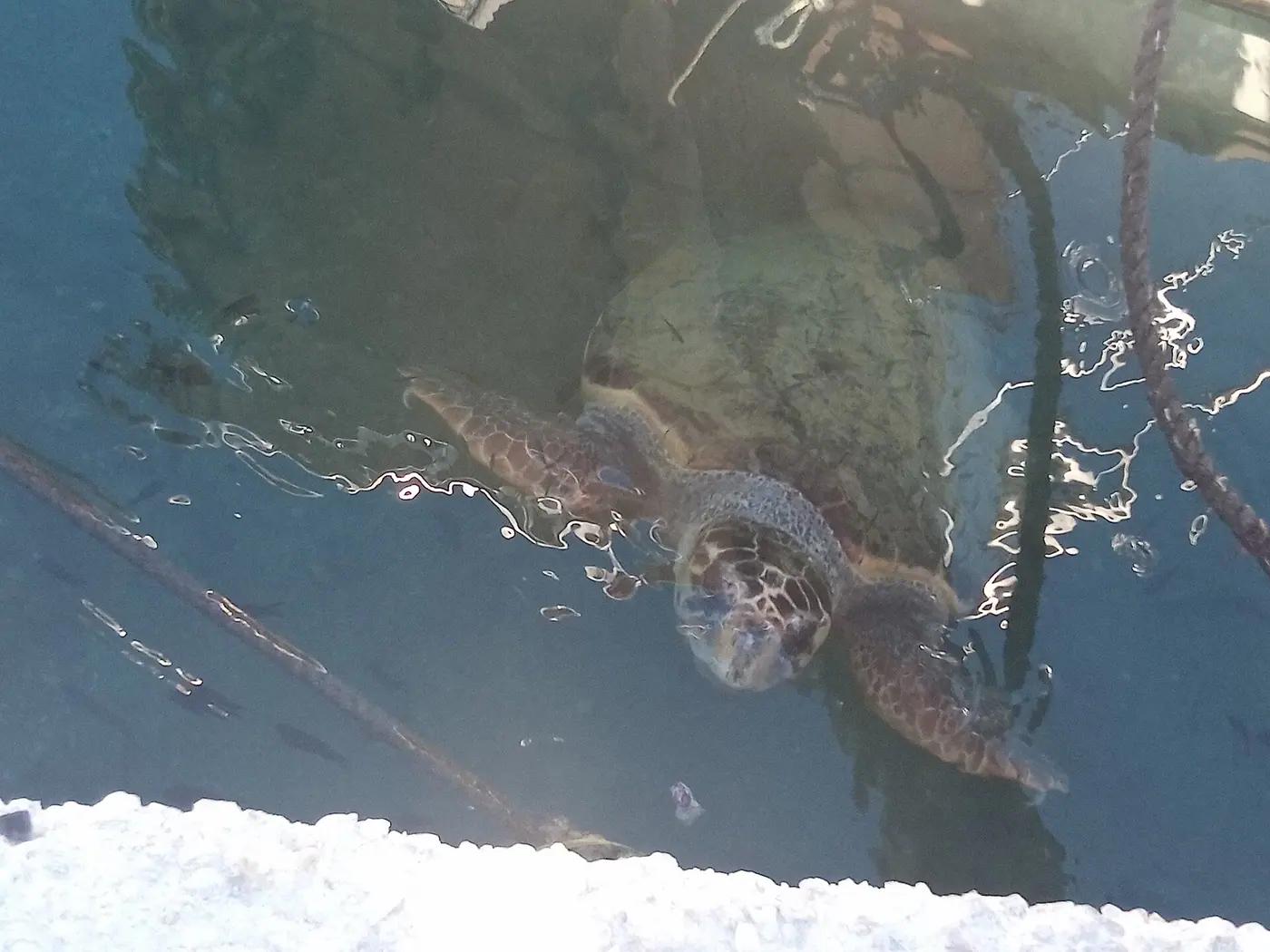
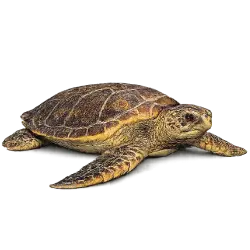
Laganas Bay on Zakynthos is the most important loggerhead nesting ground in the Mediterranean, protected as a National Marine Park, with females coming ashore at night from late May to August.
Spotting note: Likely from a licensed boat in Laganas Bay in summer; nesting is watched only on guided night walks.
Read species guide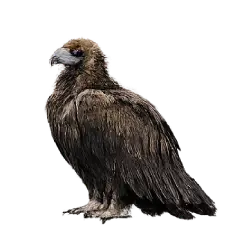
Cinereous VultureB
The Dadia-Lefkimi-Soufli forest in Evros holds the Balkans' only breeding colony, around 30 pairs, and the park's feeding station hide gives close views of Europe's largest raptor.
Spotting note: Reliable at the Dadia observatory on feeding days; ask at the visitor centre.
Read species guide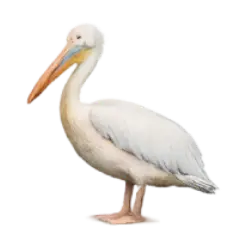
Great White PelicanC
Lake Mikri Prespa hosts a large colony of great white pelicans alongside the world's biggest Dalmatian pelican colony, and both species fish the reedy shallows near Agios Achillios in spring.
Spotting note: Easy at Prespa from April to August; Lake Kerkini near Serres is the other reliable site.
Read species guide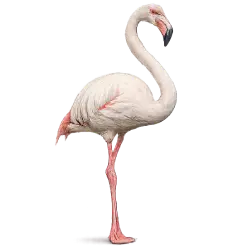
Greater FlamingoC
Flamingo flocks winter and sometimes summer on the Messolonghi lagoon, the Evros and Nestos deltas, Kalloni on Lesvos and the Kotychi lagoon in Ilia, where Peloponnese users have been capturing wildlife.
Spotting note: Regular from autumn to spring on the big lagoons; numbers vary with water levels.
Read species guide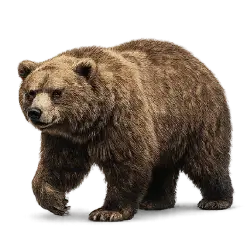
Brown BearA
Around 450 bears live in the Pindos and Rhodope mountains, and the Arcturos sanctuary at Nymfaio near Florina keeps rescued animals in forest enclosures for anyone who misses them in the wild.
Spotting note: Rare in the wild; realistic around Kastoria and Grevena with a guide in autumn, guaranteed at Arcturos.
Read species guide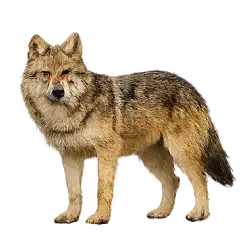
Golden JackalC
Jackals hold on in scattered Greek pockets: Samos, Fokida, the Peloponnese coast and the Evros delta, where their evening howling carries over the marshes.
Spotting note: Uncommon and local; dusk listening at the Evros delta is the best approach.
Read species guide
Hermann's TortoiseE
The eastern Hermann's tortoise crosses tracks and olive-grove edges across northern Greece and the Peloponnese, and basks at archaeological sites in the cool of the morning.
Spotting note: Common in spring and early summer; they retreat in the midday heat.
Read species guide
Marginated TortoiseD
Greece's own large tortoise, with the flared rear shell, lives on dry hillsides of the Peloponnese, Attica and Evia, exactly the ground around Olympia and Marathon.
Spotting note: Fairly common on scrubby slopes in April and May.
Read species guide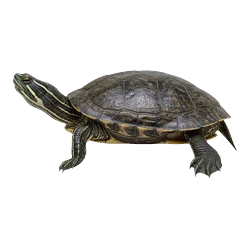
Balkan Pond TurtleE
Every irrigation ditch and slow stream in the Peloponnese and on Evia has Balkan terrapins stacked on the banks, dropping into the water with a splash as you approach.
Spotting note: Very common at farmland ditches and river mouths.
Read species guide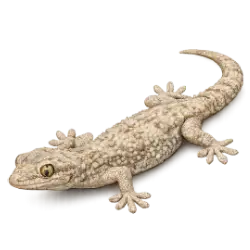
Mediterranean House GeckoE
The pale gecko on the taverna wall under the light, already captured by AnimalDex users in Ilia and a feature of every warm Greek evening.
Spotting note: Guaranteed on lit walls from May to October.
Read species guide
DolphinB
Bottlenose dolphins work the Amvrakikos gulf and the Alonissos marine park, common and striped dolphins are met offshore on Ionian ferry crossings, and the Kalamos channel has a well-studied group.
Spotting note: Frequent from ferries and boat trips in calm summer weather.
Read species guide
Alpine SwiftD
Alpine swifts scream around the Meteora pinnacles, the Vikos gorge and the cliffs of Delphi, bigger and whiter-bellied than the common swifts beneath them.
Spotting note: Regular at cliff and gorge sites from April to September.
Read species guide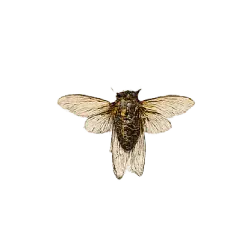
CicadaE
The sound of a Greek July, cicadas drone from every pine and olive on Evia and the Peloponnese and were among the first Greek captures users logged.
Spotting note: Everywhere in summer; follow the sound to a trunk and look for the shed skins.
Read species guide
Eurasian Collared DoveD
The soft three-note call of collared doves is the backdrop to every Greek village square, and the species is already in the Greek capture record.
Spotting note: Abundant year-round in towns and villages.
Read species guideBest for
Use this section to decide whether the location fits your travel style, skill level, and AnimalDex goals.
- Loggerhead turtle boat trips and protected nesting beaches on Zakynthos
- Vultures at the Dadia forest feeding station in Thrace
- Pelicans and wetland birds at the Prespa lakes and Lake Kerkini
- Tortoises, lizards and geckos at archaeological sites and in olive groves
Spotting tips
These tips are meant to make the page useful in the field, not just readable on the page.
- 01On Zakynthos use a licensed small boat from Laganas or Keri in June or July and keep well back; turtles surface to breathe every few minutes in the bay and are easy to see from above in flat water.
- 02Arrive at the Dadia visitor centre early and ask about the feeding station schedule; the hide is a short walk and the vultures arrive within an hour of the carcass.
- 03Prespa pelicans are best from the causeway to Agios Achillios island at first light in May, when the birds fish close to the reeds.
- 04At Olympia, Delphi or any hill site, walk the perimeter fence in the first hour after opening for tortoises and wall lizards before the heat drives them under cover.
Virtual Wildlife Guides
Wildlife guides to Greece
AnimalDex builds virtual guides from explorers' own wild sightings: which animals they found, how rare they are, and when. A guide is advice from someone who has been there, not a tour. Buying one unlocks the author's notes for every animal, a chat with the author, and introductions to local people they met. Wildlife is never guaranteed.
Checking for virtual guides to Greece...
How to choose a local wildlife guide in Greece
- Ask what they usually find in the season you are visiting. A good guide gives an honest answer, not a promised sighting.
- Check how they treat animals: no baiting, calling in, handling, or close flash photography for a better shot.
- Confirm the meeting area, duration, group size, total price, and how you pay before the day, plus any permits or park fees the place requires.
Track the animals you find in Greece
Build your collection while you travel through Greece, from easy wins to the species worth planning around.
Related tier lists
These tier lists add broader context around the species that make this location interesting.
Biggest Animals in the World
A structured ranking of the biggest animals in the world, using the AnimalDex size stat to compare body scale across sea, land, and air.
Read tier listRarest Animals in the World
A structured ranking of the rarest animals in the world, blending scarcity, vulnerability, and conservation pressure to answer the overlap between rarest and most endangered wildlife.
Read tier listRelated locations
Keep exploring with nearby or similar destinations that support the same kind of AnimalDex discovery.
Animals in Turkey: What You Can Spot, Learn, and Collect
Turkey's wildlife: bald ibis at Birecik, sea turtles at Dalyan and the Göksu Delta, flamingos at the Sultan Marshes near Kayseri, Kaçkar bears and Bosphorus storks.
Read location guideAnimals in Bulgaria: What You Can Spot, Learn, and Collect
Bulgaria's wildlife: bears and chamois in Rila and Pirin, the Via Pontica stork migration, pelicans at Srebarna, red-breasted geese at Durankulak and dense jackals.
Read location guideAnimals in Croatia: What You Can Spot, Learn, and Collect
Croatia's wildlife: bottlenose dolphins off Lošinj, griffon vultures on Cres, bears and lynx around Plitvice, the Kopački Rit deer rut and the storks of Lonjsko Polje.
Read location guideLocation FAQ
Short direct answers to the questions travelers usually ask before choosing a wildlife destination or zoo day.
What wildlife is there in Greece?
Greece has loggerhead sea turtles, dolphins and monk seals on its coasts, brown bears, wolves and jackals in the northern mountains, cinereous and griffon vultures at Dadia, and pelicans and flamingos on its lakes and lagoons. Tortoises, lizards, geckos and cicadas are common everywhere in summer.
What animals can be found in Greece?
Loggerhead turtles nest on Zakynthos and Crete, pelicans breed on Lake Prespa, vultures feed at Dadia in Thrace and bears live in the Pindos. In the countryside you will meet Hermann's and marginated tortoises, Balkan terrapins, wall lizards and house geckos.
When can you see turtles in Greece?
Loggerheads nest from late May to early August and hatchlings emerge from late July to September. Adults are easy to see in Laganas Bay from licensed boats throughout the summer.
Are there dangerous animals in Greece?
Very few. The nose-horned viper is venomous but shy and bites are rare, scorpions and centipedes can sting, and sea urchins are the most common holiday injury. Bears and wolves avoid people and attacks are almost unknown.
Have AnimalDex users found animals in Greece?
Yes. AnimalDex users have publicly logged 7 captures of 7 different species in Greece, including black ant, cicada, eurasian collared dove, german yellowjacket. Each one was photographed in the app at the moment of the sighting.
How do I find a wildlife guide to Greece?
Check the Wildlife Guides section on this page or browse Wildlife Guides on AnimalDex. Each one is a virtual guide built from an explorer's own wild sightings around Greece: the animals they found, how rare they are, and when. It is advice from someone who has been there, not a tour. If you want someone with you on the day, compare local guides on wildlife knowledge, how they treat animals, and clear pricing before you go.