

Animals in Minas Gerais: What You Can Spot, Learn, and Collect
Wildlife in Minas Gerais: giant anteaters and rheas on the Serra da Canastra plateau, maned wolves at the Caraça sanctuary, giant armadillos and seriemas.
Quick answer
Start with the direct answer, then use the sections below to see why the location matters and which animals are actually realistic to spot there.
Minas Gerais is Brazil's best state for cerrado wildlife. Giant anteaters, greater rheas, seriemas and the occasional giant armadillo roam the Serra da Canastra plateau, maned wolves climb the steps of the Caraça sanctuary at night, and the Serra do Cipó holds tapirs, hummingbirds and rock-dwelling cavies above Belo Horizonte.
The highlands of Minas are open grassland on ancient rock, cut by waterfalls and gallery forest. That is cerrado, the most species-rich savanna on earth, and the Serra da Canastra National Park is the place where it is easiest to see: anteaters and rheas feed in plain view beside the dirt road across the plateau.
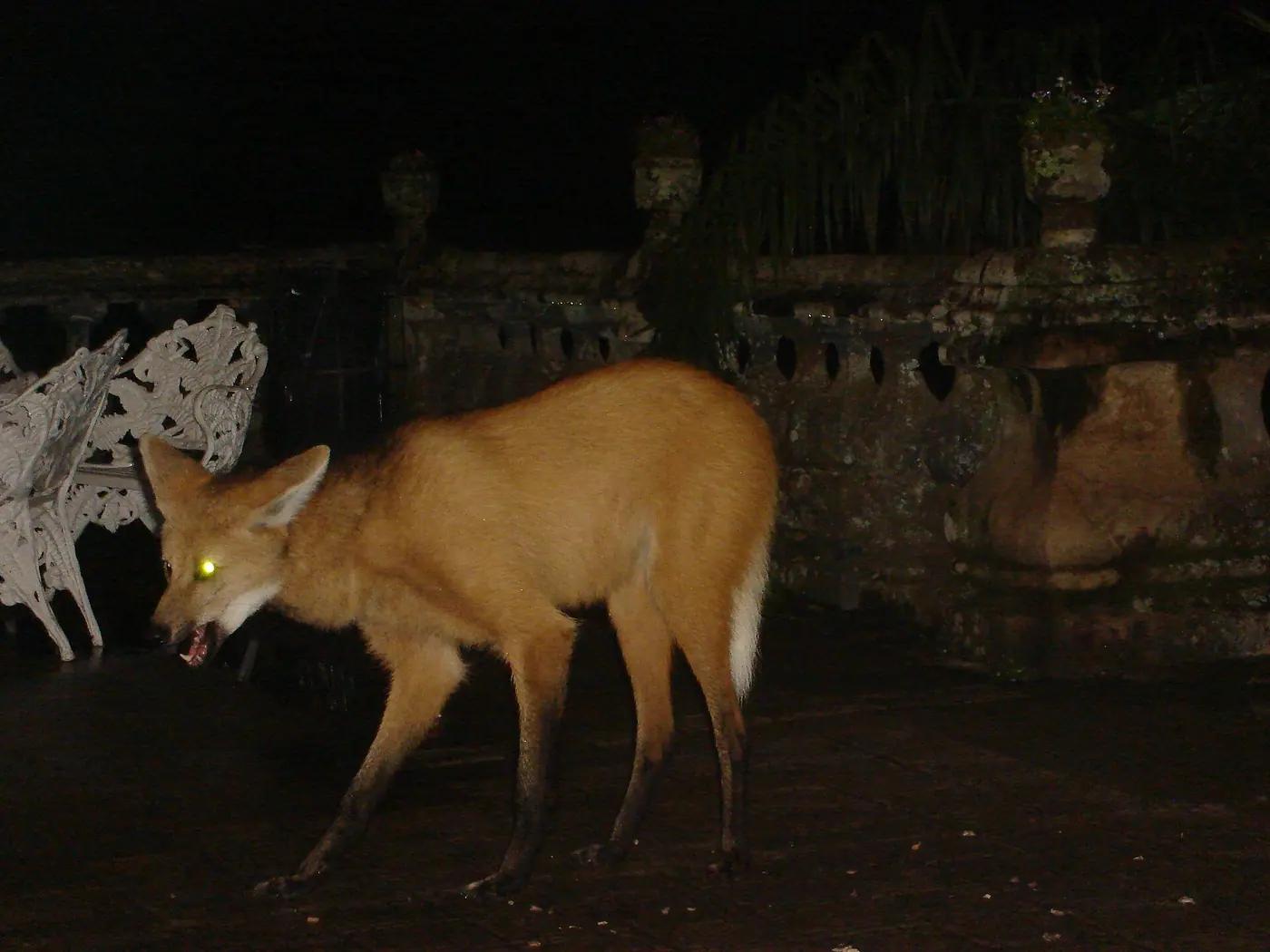
Caraça is the other essential stop. Every evening since the 1980s the monks of the Santuário do Caraça have put food on the church steps for wild maned wolves, and the animals still come. It is the most reliable maned wolf sighting on earth, in a cold mountain valley two hours from Belo Horizonte.
Why this location matters
Good location pages explain why the place is worth your time, not just which names belong on a destination checklist.
The cerrado is losing ground to soy and eucalyptus faster than any other Brazilian biome, and Canastra is one of the few places where its big mammals, from giant anteaters to pampas deer, still live at natural densities. Visitors who log sightings add to that record.
Minas also delivers for people who never leave the car. Burrowing owls on fence posts, caracaras over the road, lava lizards on every warm rock and horneros building ovens on the power lines mean a drive between historic towns fills a collection on its own.
Where to look
Wildlife map of Minas Gerais
This guide covers the region shown below. Zoom in to get your bearings before planning a trip.
Positions are geocoded from OpenStreetMap. Habitat access and opening times change — check locally before travelling. Smaller pins are public AnimalDex captures, placed to the nearest kilometre.
Field proof
Found in Minas Gerais by AnimalDex users
Real captures logged in the AnimalDex app inside this area and shared publicly by their collectors, with the animal confirmed by the app's identification. Places are shown to the nearest region, never the exact spot.
- 13
- public captures
- 12
- species recorded
- 3
- collectors
- 12
- wild sightings
Recent captures from the field
Species people have actually logged here
Every name links to its species guide. The count is how many public captures of that animal sit inside this area.
Collectors choose to share these captures on Discover and can withdraw them at any time. Coordinates are rounded to about a kilometre and refreshed with each site build.
Animals to spot
These are intentionally practical species picks, balancing accessibility, excitement, and what travelers can realistically notice in the location.
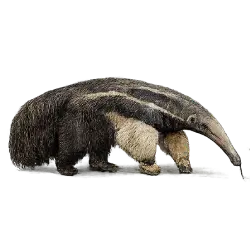
Giant AnteaterC
Canastra's anteaters forage the plateau grassland in daylight, swinging their long snouts through termite mounds beside the park road.
Spotting note: Very likely on the Canastra plateau, best early and late.
Read species guide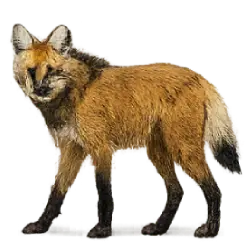
Maned WolfB
Wild maned wolves come to the Caraça sanctuary steps most nights for the plate of meat the monks leave out.
Spotting note: Near-nightly at Caraça; a genuine wild encounter.
Read species guide
Giant ArmadilloC
The largest armadillo on earth digs enormous burrows across the Canastra plateau and the Grande Sertão Veredas grasslands of the north.
Spotting note: Rare and nocturnal; fresh burrows are far easier to find than the animal.
Read species guide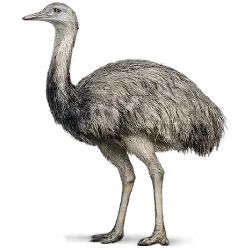
Greater RheaC
Rheas stride across the upper plateau of Canastra in small groups, often alongside anteaters and pampas deer.
Spotting note: Common on the Canastra plateau.
Read species guide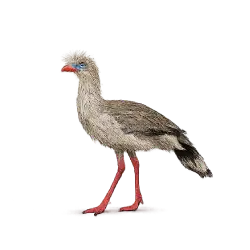
Red-legged SeriemaC
The long-legged cerrado bird whose rattling duets carry across Canastra and the farmland around Uberaba.
Spotting note: Regular; heard far more than seen, usually on a fence post.
Read species guide
South American TapirB
Tapirs feed in the gallery forest and marshes of Canastra and the Serra do Cipó and leave three-toed tracks on the river crossings.
Spotting note: Uncommon; dusk at the Casca d'Anta forest is the best bet.
Read species guide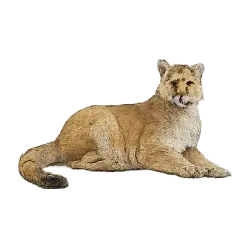
CougarA
Pumas hunt the rock fields of Serra do Cipó and Canastra, and camera traps catch them along the plateau roads.
Spotting note: Rarely seen; tracks on sandy tracks are common.
Read species guide
Horned SungemD
A cerrado hummingbird with a glittering horned crown that feeds on low flowers across the Canastra and Cipó grasslands.
Spotting note: Uncommon but conspicuous when it perches on a shrub top.
Read species guide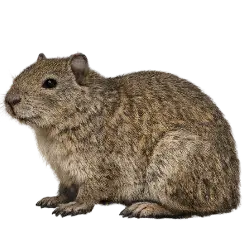
Rock CavyD
The mocó lives on rocky outcrops in the dry north of the state, basking on boulders near Januária and the Peruaçu caves.
Spotting note: Localised; realistic at Cavernas do Peruaçu National Park.
Read species guide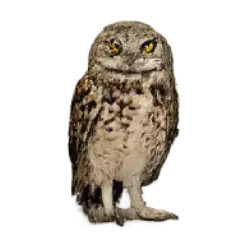
Burrowing OwlC
Pairs stand on fence posts and termite mounds beside almost every dirt road in the cerrado.
Spotting note: Very common in open country.
Read species guide
Crested CaracaraC
Caracaras walk the roadsides and pastures of Minas looking for carrion and insects turned up by cattle.
Spotting note: Common along any country road.
Read species guide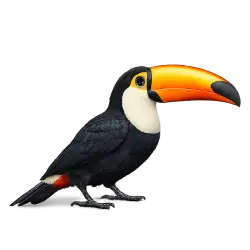
Toco ToucanC
Toco toucans cross the cerrado between fruiting trees and gather at the gallery forests along Canastra's São Francisco headwaters.
Spotting note: Regular in the lower Canastra valleys and around Capitólio.
Read species guide Brazilian Lava LizardE
Lava lizards bask on the quartzite rock of Cipó and on the stone walls of Ouro Preto and Tiradentes.
Spotting note: Abundant on any sunny rock face; one of the state's most logged captures.
Read species guide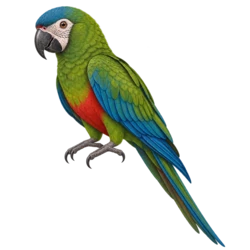
Blue-winged MacawC
Small macaws screech over the cerrado edges and palm groves of western Minas and the Triângulo region.
Spotting note: Uncommon; dawn and dusk flights along gallery forest.
Read species guideBest for
Use this section to decide whether the location fits your travel style, skill level, and AnimalDex goals.
- Daylight anteater and rhea watching on the Canastra plateau
- Nightly wild maned wolves at the Caraça sanctuary
- Cerrado birding with seriemas, hummingbirds and owls
- Combining historic towns with roadside wildlife
Spotting tips
These tips are meant to make the page useful in the field, not just readable on the page.
- 01Enter Serra da Canastra by the São Roque de Minas gate at opening and drive the plateau road slowly; anteaters are most active in the first two hours of light.
- 02Stay overnight at the Santuário do Caraça; the wolves usually arrive between 20:00 and midnight and non-residents cannot wait.
- 03Look for giant armadillo burrows, a metre wide with a crescent-shaped mouth, along the Canastra plateau tracks.
- 04Pack warm layers: Caraça and the Cipó plateau drop near freezing on winter nights, which is exactly when the mammals move.
Virtual Wildlife Guides
Wildlife guides to Minas Gerais
AnimalDex builds virtual guides from explorers' own wild sightings: which animals they found, how rare they are, and when. A guide is advice from someone who has been there, not a tour. Buying one unlocks the author's notes for every animal, a chat with the author, and introductions to local people they met. Wildlife is never guaranteed.
Checking for virtual guides to Minas Gerais...
How to choose a local wildlife guide in Minas Gerais
- Ask what they usually find in the season you are visiting. A good guide gives an honest answer, not a promised sighting.
- Check how they treat animals: no baiting, calling in, handling, or close flash photography for a better shot.
- Confirm the meeting area, duration, group size, total price, and how you pay before the day, plus any permits or park fees the place requires.
Track the animals you find in Minas Gerais
Build your collection while you travel through Minas Gerais, from easy wins to the species worth planning around.
Related tier lists
These tier lists add broader context around the species that make this location interesting.
Rarest Animals in the World
A structured ranking of the rarest animals in the world, blending scarcity, vulnerability, and conservation pressure to answer the overlap between rarest and most endangered wildlife.
Read tier list100 Animals with the Strongest Armor
Animals with the strongest natural armor, ranked by shells, scales, hide, and exoskeletons that actually protect — not just look impressive.
Read tier listRelated locations
Keep exploring with nearby or similar destinations that support the same kind of AnimalDex discovery.
Animals in Brazil: What You Can Spot, Learn, and Collect
A practical Brazil wildlife guide built around wetlands, rainforest color, and the species that make the country feel big, alive, and worth collecting carefully.
Read location guideAnimals in São Paulo: What You Can Spot, Learn, and Collect
Wildlife in São Paulo: capybaras on the Pinheiros river, howler monkeys and toucans in Cantareira, whales and turtles at Ilhabela, plus the São Paulo Zoo.
Read location guideAnimals in Rio de Janeiro: What You Can Spot, Learn, and Collect
Wildlife in Rio de Janeiro: marmosets and sloths in Tijuca Forest, capybaras on the Barra lagoons, frigatebirds over Sugarloaf and whales off Ilha Grande.
Read location guideLocation FAQ
Short direct answers to the questions travelers usually ask before choosing a wildlife destination or zoo day.
What wildlife is there in Minas Gerais?
Cerrado specialists: giant anteaters, maned wolves, giant armadillos, greater rheas, red-legged seriemas, tapirs, pumas, blue-winged macaws, toucans and hummingbirds like the horned sungem, plus rock cavies on the dry northern outcrops.
What animals can be found in Minas Gerais?
The Serra da Canastra plateau is the place for anteaters, rheas and seriemas in daylight. Caraça delivers wild maned wolves almost every night. Burrowing owls, caracaras, toucans and lava lizards are easy along roads anywhere in the state.
How do you see a maned wolf in Minas Gerais?
Book a night at the Santuário do Caraça near Santa Bárbara. The monks place food on the church steps after dinner and wild wolves have come to take it almost nightly for decades. Sit quietly, no flash, and expect a wait of an hour or two.
When is the best time to visit Serra da Canastra for animals?
The dry season from May to September gives clear plateau roads, cool mornings and short grass, so anteaters and rheas are easy to see. The wet season greens the grassland but tracks turn to mud.
Have AnimalDex users found animals in Minas Gerais?
Yes. AnimalDex users have publicly logged 13 captures of 12 different species in Minas Gerais, including snail, black ant, black rat, boa constrictor. Each one was photographed in the app at the moment of the sighting.
How do I find a wildlife guide to Minas Gerais?
Check the Wildlife Guides section on this page or browse Wildlife Guides on AnimalDex. Each one is a virtual guide built from an explorer's own wild sightings around Minas Gerais: the animals they found, how rare they are, and when. It is advice from someone who has been there, not a tour. If you want someone with you on the day, compare local guides on wildlife knowledge, how they treat animals, and clear pricing before you go.