

Animals in North Dakota: What You Can Spot, Learn, and Collect
North Dakota wildlife guide: Theodore Roosevelt National Park bison, prairie dogs and wild horses, Chase Lake's pelican colony, sandhill cranes and snow geese on migration, and meadowlarks in Morton County.
Jawaban cepat
Mulai dari jawaban langsung, lalu gunakan bagian di bawah untuk melihat kenapa lokasi ini penting dan hewan mana yang benar-benar realistis untuk di-spot di sana.
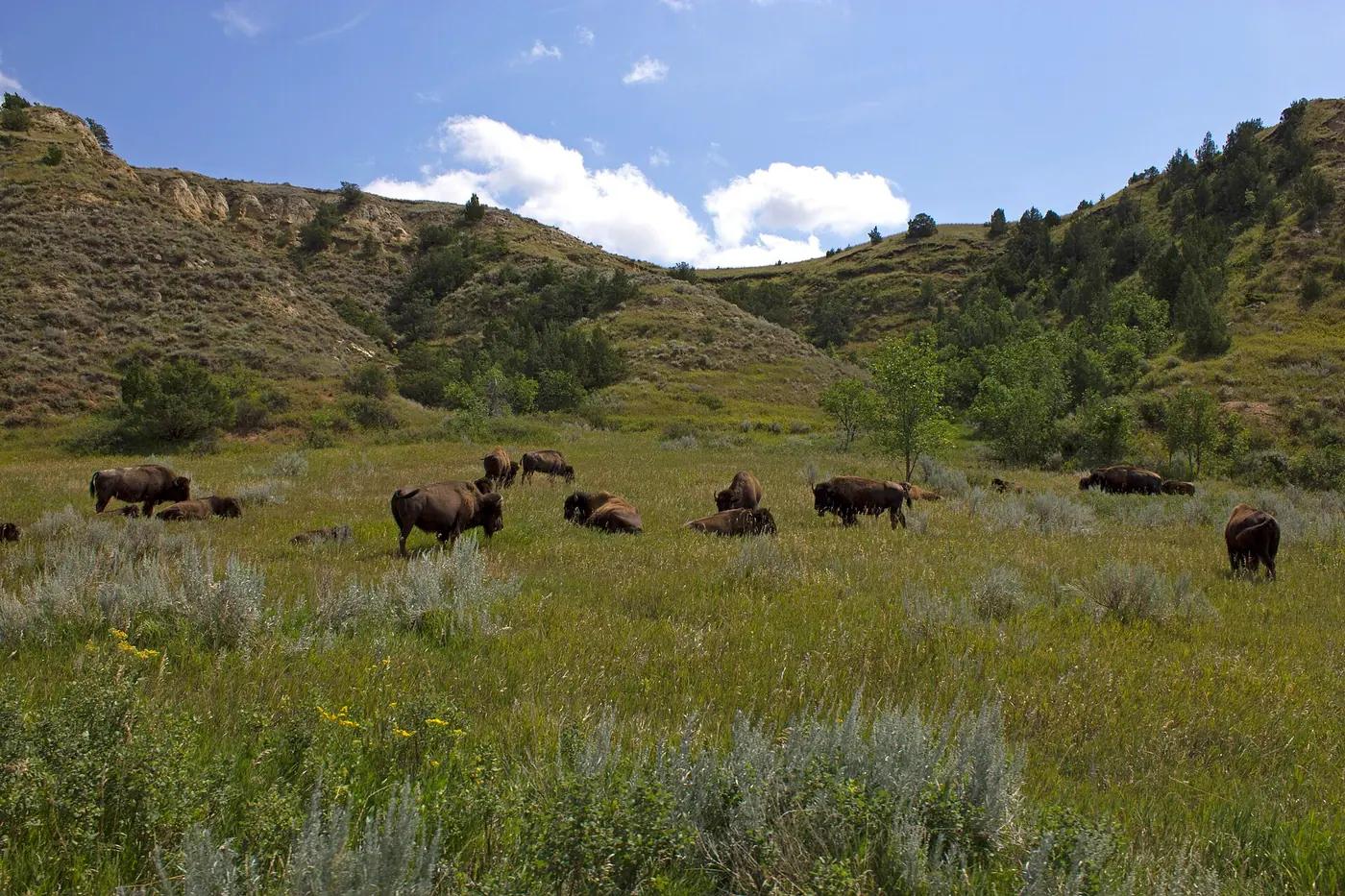
North Dakota's wildlife is Great Plains wildlife: bison, prairie dog towns, pronghorn, elk, mule deer and feral horses in Theodore Roosevelt National Park's badlands, and birds in staggering numbers in the prairie pothole country, from the continent's largest white pelican colony at Chase Lake to spring snow goose and sandhill crane flights that darken the sky. Meadowlarks, kestrels and ospreys fill the Missouri River country around Morton County.
Theodore Roosevelt National Park is the best free-roaming bison viewing east of Yellowstone, with a 36-mile scenic loop in the South Unit that passes two prairie dog towns, a bison herd, wild horses and a reliable pronghorn band before lunch.
The rest of the state is the prairie pothole region, the duck factory of North America. Thousands of glacial wetlands around Jamestown, Devils Lake and Kenmare produce more ducks than anywhere else on the continent and stage cranes, geese and pelicans on migration.
Kenapa lokasi ini penting
Halaman lokasi yang baik menjelaskan kenapa tempat ini layak dikunjungi, bukan hanya nama-nama yang cocok dimasukkan ke checklist destinasi.
Chase Lake National Wildlife Refuge near Medina holds the largest American white pelican nesting colony in North America, often above 30,000 birds. The refuge island is closed but the birds feed on wetlands for miles around.
North Dakota is also one of the last places where sweeping shortgrass prairie still works as an ecosystem, and the badlands' prairie dog towns feed everything from burrowing owls to golden eagles. Its AnimalDex captures so far are meadowlarks, ospreys, flickers and harvestmen from the Missouri River country around Mandan.
Tempat mencari
Peta satwa liar North Dakota
Panduan ini mencakup wilayah di bawah ini. Perbesar peta untuk mengenali areanya sebelum merencanakan perjalanan.
Posisi diambil dari OpenStreetMap. Akses habitat dan jam buka bisa berubah — periksa dulu sebelum berangkat. Pin yang lebih kecil adalah capture publik AnimalDex, ditempatkan sampai kilometer terdekat.
Bukti lapangan
Ditemukan di North Dakota oleh pengguna AnimalDex
Capture nyata yang dicatat di aplikasi AnimalDex di dalam area ini dan dibagikan secara publik oleh kolektornya, dengan hewan yang dikonfirmasi oleh identifikasi aplikasi. Lokasi ditampilkan sampai tingkat wilayah, bukan titik persisnya.
- 8
- capture publik
- 8
- spesies tercatat
- 1
- kolektor
- 5
- penampakan liar
Capture terbaru dari lapangan
Spesies yang benar-benar dicatat orang di sini
Setiap nama menuju panduan spesiesnya. Angkanya adalah jumlah capture publik hewan itu di dalam area ini.
Kolektor memilih membagikan capture ini di Discover dan bisa menariknya kapan saja. Koordinat dibulatkan sekitar satu kilometer dan diperbarui setiap build situs.
Hewan untuk di-spot
Pilihan spesies di sini sengaja dibuat praktis, menyeimbangkan aksesibilitas, excitement, dan apa yang realistis untuk diperhatikan traveler di lokasi tersebut.
American BisonA
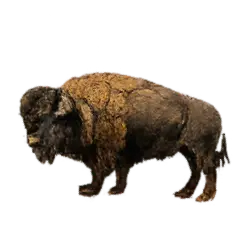
Theodore Roosevelt National Park's South Unit near Medora runs 300 to 700 bison on the scenic loop, and the North Unit herd grazes against the Little Missouri badlands.
Catatan spotting: Near-guaranteed on the South Unit loop; stay 25 metres away, they outrun horses.
Baca panduan spesies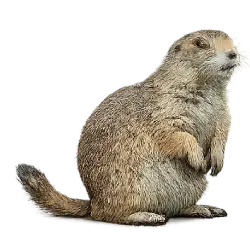
Prairie DogD
Black-tailed prairie dog towns sprawl beside the park road at Peaceful Valley and the Buck Hill turnoff, barking and flagging tails at every car.
Catatan spotting: Guaranteed on the South Unit loop from spring to autumn.
Baca panduan spesies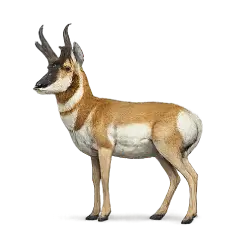
PronghornB
Bands graze the open flats of the South Unit and the ranchland along I-94 and US 85, outpacing any vehicle on the gravel.
Catatan spotting: Common in the west of the state; near-certain in the park.
Baca panduan spesies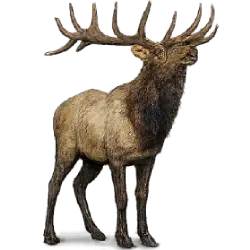
ElkB
A reintroduced herd of several hundred lives in the South Unit's juniper draws and bugles at dusk in late September.
Catatan spotting: Uncommon by day; dawn and dusk in September on the Buck Hill road give the best odds.
Baca panduan spesies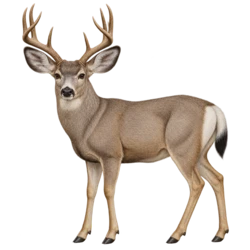
Mule DeerC
Browse the badland coulees and stand on the Painted Canyon rim at sunset, ears like radar dishes.
Catatan spotting: Common throughout the park and the western ranchland.
Baca panduan spesies
American White PelicanC
Chase Lake National Wildlife Refuge near Medina hosts the largest nesting colony on the continent, and the birds feed on potholes across central North Dakota all summer.
Catatan spotting: Common May to September around Chase Lake, Devils Lake and the Missouri River.
Baca panduan spesies
Sandhill CraneC
Hundreds of thousands pass through the prairie potholes in April and again in October, roosting on shallow lakes around Kenmare and Jamestown.
Catatan spotting: Reliable in migration; mid-April and early October are peak.
Baca panduan spesies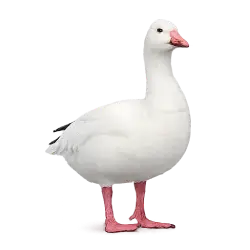
Snow GooseC
Spring flights through the Devils Lake basin and the Souris River refuges around Kenmare can exceed a million birds, rising off the fields in white sheets.
Catatan spotting: Reliable in late March and April; October brings a second wave.
Baca panduan spesies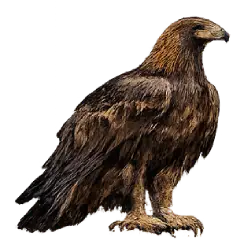
Golden EagleA
Nests on badland buttes in Theodore Roosevelt National Park and hunts the prairie dog towns from the rim.
Catatan spotting: Regular in the badlands; scan the buttes and thermals mid-morning.
Baca panduan spesies
Western MeadowlarkD
The state bird, singing from every fence post along the Missouri River bluffs in Morton County and already logged there by AnimalDex users.
Catatan spotting: Abundant from April to September on any rural road.
Baca panduan spesies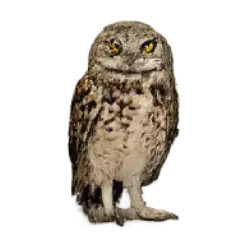
Burrowing OwlC
Stands on prairie dog mounds in the park and the Little Missouri grasslands, bobbing when you stop the car.
Catatan spotting: Uncommon; check the edges of prairie dog towns in June and July.
Baca panduan spesies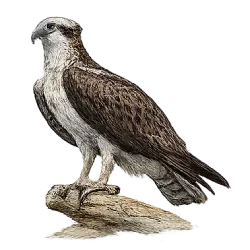
OspreyC
Nests on platforms along the Missouri River near Mandan and Bismarck, and was one of the first North Dakota captures logged in AnimalDex.
Catatan spotting: Regular along the Missouri from April to September.
Baca panduan spesies
Northern FlickerD
The ant-eating woodpecker of cottonwood river bottoms and shelterbelts, flashing a white rump as it flushes from the ground.
Catatan spotting: Common in riparian woodland and towns from spring to autumn.
Baca panduan spesies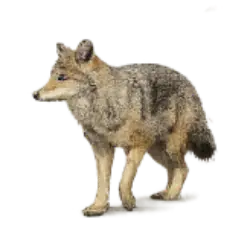
CoyoteC
Yips across the badlands at dusk and trots the prairie in daylight; the park's coyotes hunt the prairie dog towns openly.
Catatan spotting: Common; dawn on the South Unit loop is near-certain.
Baca panduan spesiesPaling cocok untuk
Gunakan bagian ini untuk menilai apakah lokasi tersebut cocok dengan gaya perjalanan, level pengalaman, dan target AnimalDex kamu.
- Free-roaming bison and prairie dog towns in the badlands
- The largest white pelican colony on the continent
- Spring and autumn crane and goose migrations
- Grassland birds and raptors along the Missouri River
Tips spotting
Tips ini dibuat agar halaman ini benar-benar berguna di lapangan, bukan hanya enak dibaca di layar.
- 01Drive the South Unit scenic loop at sunrise from the Medora entrance; bison are on the road, prairie dogs are at Peaceful Valley, and horses are often near the Buck Hill turnoff.
- 02Chase Lake's colony island is closed, but the refuge roads and the surrounding potholes near Medina give pelicans feeding and flying overhead all summer.
- 03For cranes and geese, time a visit for mid-April or early October and base yourself at Devils Lake or Kenmare; the fields fill at dawn and the lakes at dusk.
- 04The badlands are rattlesnake country from May to September; stay on trails around prairie dog towns and watch where you put your hands.
Wildlife Guides virtual
Panduan satwa liar ke North Dakota
AnimalDex membuat panduan virtual dari penampakan satwa liar milik para penjelajah sendiri: satwa apa yang mereka temukan, seberapa langka, dan kapan. Panduan adalah saran dari orang yang pernah ke sana, bukan tur. Membelinya membuka catatan penulis untuk setiap satwa, obrolan dengan penulis, dan perkenalan dengan warga lokal yang mereka temui. Penampakan satwa tidak pernah dijamin.
Memeriksa panduan virtual ke North Dakota...
Cara memilih pemandu satwa liar lokal di North Dakota
- Tanyakan apa yang biasanya mereka temukan pada musim kunjunganmu. Pemandu yang baik memberi jawaban jujur, bukan janji pasti melihat satwa tertentu.
- Perhatikan cara mereka memperlakukan satwa: tanpa umpan, tanpa memanggil satwa, tanpa memegang, dan tanpa flash dari jarak dekat demi foto.
- Pastikan titik temu, durasi, ukuran grup, total harga, dan cara pembayaran sebelum hari kegiatan, termasuk izin atau biaya taman yang diperlukan.
Lacak hewan yang kamu temukan di North Dakota
Bangun koleksimu sambil menjelajahi North Dakota, dari spesies yang mudah ditemukan sampai target yang layak direncanakan khusus.
Tier list terkait
Tier list ini memberi konteks yang lebih luas untuk spesies yang membuat lokasi ini menarik.
100 Fastest Animals in the World
Ranked list of the fastest animals in the world, with land, flying, and marine speed kept separate so a diving falcon is not treated as the same kind of fast as a cheetah.
Baca tier listLokasi terkait
Lanjutkan eksplorasi dengan destinasi yang mirip atau berdekatan dan mendukung gaya discovery AnimalDex yang sama.
Animals in the United States: What You Can Spot, Learn, and Collect
A practical United States wildlife guide built around habitat variety, from wetlands and coastlines to migration corridors and iconic American species.
Baca panduan lokasiAnimals in Iowa: What You Can Spot, Learn, and Collect
Iowa wildlife guide: wintering bald eagles on the Mississippi, bison and elk at Neal Smith refuge, pelican migrations, and the fireflies, mantises and monarchs of Kalona farm country.
Baca panduan lokasiAnimals in Colorado: What You Can Spot, Learn, and Collect
Colorado wildlife guide: elk and bighorn sheep in Rocky Mountain National Park, moose at Grand Lake, prairie dog towns on the Front Range, and the Denver Zoo cluster.
Baca panduan lokasiFAQ lokasi
Jawaban singkat dan langsung untuk pertanyaan yang biasanya ditanyakan traveler sebelum memilih destinasi satwa liar atau hari kebun binatang.
What wildlife is there in North Dakota?
Bison, pronghorn, elk, mule and white-tailed deer, prairie dogs, coyotes and feral horses in Theodore Roosevelt National Park; white pelicans, sandhill cranes, snow geese, ducks and grassland birds across the prairie potholes; and golden eagles, burrowing owls and rattlesnakes in the badlands.
What animals can be found in North Dakota's Theodore Roosevelt National Park?
Bison, prairie dogs, pronghorn, elk, mule deer, feral horses, coyotes, golden eagles and burrowing owls are all realistic on the South Unit scenic loop near Medora. Bighorn sheep live in the North Unit and prairie rattlesnakes are common in summer.
When is the best time for wildlife in North Dakota?
Mid-April to May for the goose and crane migration and newborn bison, June to August for pelicans and prairie dog activity, and late September for the elk rut and the autumn crane flights. Winter is harsh but bison and coyotes stay visible.
Apakah pengguna AnimalDex pernah menemukan hewan di North Dakota?
Ya. Pengguna AnimalDex telah mencatat 8 capture publik dari 8 spesies berbeda di North Dakota, termasuk black ant, crane fly, harvestman, long-legged fly. Semuanya difoto di aplikasi pada saat penampakan.
Bagaimana cara menemukan panduan satwa liar ke North Dakota?
Lihat bagian Wildlife Guides di halaman ini atau jelajahi Wildlife Guides di AnimalDex. Setiap panduan adalah panduan virtual yang dibuat dari penampakan satwa liar milik seorang penjelajah di sekitar North Dakota: satwa yang mereka temukan, seberapa langka, dan kapan. Ini saran dari orang yang pernah ke sana, bukan tur. Jika kamu ingin ditemani seseorang di lokasi, bandingkan pemandu lokal dari pengetahuan satwanya, cara mereka memperlakukan satwa, dan kejelasan harganya sebelum berangkat.