

Animals in North Dakota: What You Can Spot, Learn, and Collect
North Dakota wildlife guide: Theodore Roosevelt National Park bison, prairie dogs and wild horses, Chase Lake's pelican colony, sandhill cranes and snow geese on migration, and meadowlarks in Morton County.
Quick answer
Start with the direct answer, then use the sections below to see why the location matters and which animals are actually realistic to spot there.
North Dakota's wildlife is Great Plains wildlife: bison, prairie dog towns, pronghorn, elk, mule deer and feral horses in Theodore Roosevelt National Park's badlands, and birds in staggering numbers in the prairie pothole country, from the continent's largest white pelican colony at Chase Lake to spring snow goose and sandhill crane flights that darken the sky. Meadowlarks, kestrels and ospreys fill the Missouri River country around Morton County.
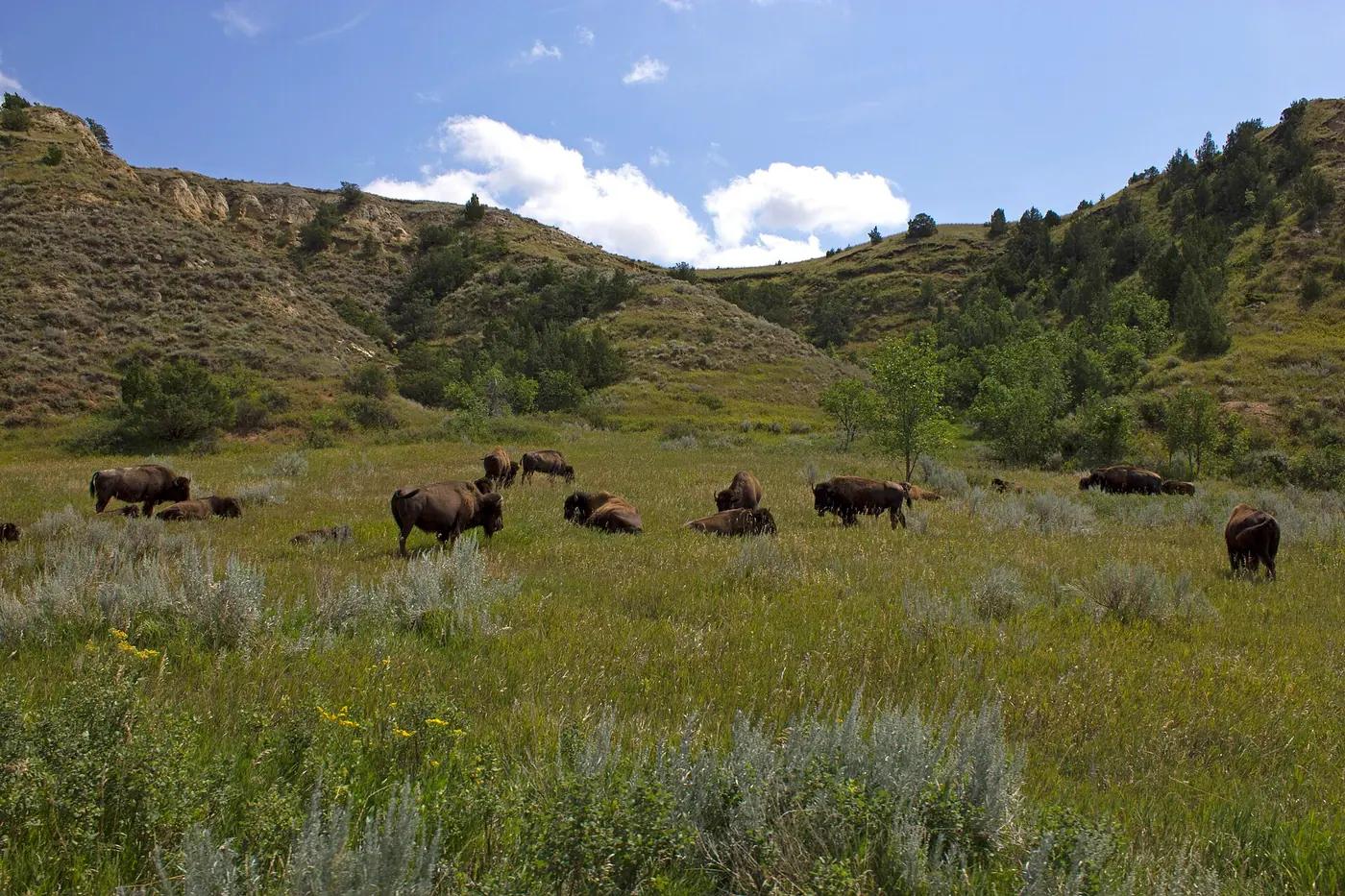
Theodore Roosevelt National Park is the best free-roaming bison viewing east of Yellowstone, with a 36-mile scenic loop in the South Unit that passes two prairie dog towns, a bison herd, wild horses and a reliable pronghorn band before lunch.
The rest of the state is the prairie pothole region, the duck factory of North America. Thousands of glacial wetlands around Jamestown, Devils Lake and Kenmare produce more ducks than anywhere else on the continent and stage cranes, geese and pelicans on migration.
Why this location matters
Good location pages explain why the place is worth your time, not just which names belong on a destination checklist.
Chase Lake National Wildlife Refuge near Medina holds the largest American white pelican nesting colony in North America, often above 30,000 birds. The refuge island is closed but the birds feed on wetlands for miles around.
North Dakota is also one of the last places where sweeping shortgrass prairie still works as an ecosystem, and the badlands' prairie dog towns feed everything from burrowing owls to golden eagles. Its AnimalDex captures so far are meadowlarks, ospreys, flickers and harvestmen from the Missouri River country around Mandan.
Where to look
Wildlife map of North Dakota
This guide covers the region shown below. Zoom in to get your bearings before planning a trip.
Positions are geocoded from OpenStreetMap. Habitat access and opening times change — check locally before travelling. Smaller pins are public AnimalDex captures, placed to the nearest kilometre.
Field proof
Found in North Dakota by AnimalDex users
Real captures logged in the AnimalDex app inside this area and shared publicly by their collectors, with the animal confirmed by the app's identification. Places are shown to the nearest region, never the exact spot.
- 8
- public captures
- 8
- species recorded
- 1
- collectors
- 5
- wild sightings
Recent captures from the field
Species people have actually logged here
Every name links to its species guide. The count is how many public captures of that animal sit inside this area.
Collectors choose to share these captures on Discover and can withdraw them at any time. Coordinates are rounded to about a kilometre and refreshed with each site build.
Animals to spot
These are intentionally practical species picks, balancing accessibility, excitement, and what travelers can realistically notice in the location.
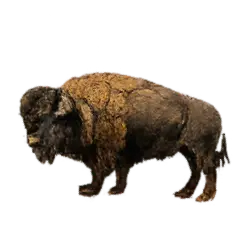
American BisonA
Theodore Roosevelt National Park's South Unit near Medora runs 300 to 700 bison on the scenic loop, and the North Unit herd grazes against the Little Missouri badlands.
Spotting note: Near-guaranteed on the South Unit loop; stay 25 metres away, they outrun horses.
Read species guide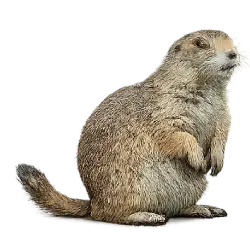
Prairie DogD
Black-tailed prairie dog towns sprawl beside the park road at Peaceful Valley and the Buck Hill turnoff, barking and flagging tails at every car.
Spotting note: Guaranteed on the South Unit loop from spring to autumn.
Read species guide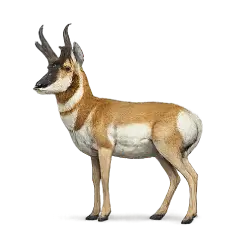
PronghornB
Bands graze the open flats of the South Unit and the ranchland along I-94 and US 85, outpacing any vehicle on the gravel.
Spotting note: Common in the west of the state; near-certain in the park.
Read species guide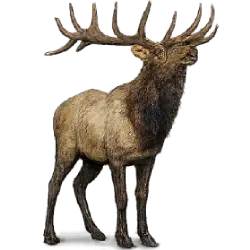
ElkB
A reintroduced herd of several hundred lives in the South Unit's juniper draws and bugles at dusk in late September.
Spotting note: Uncommon by day; dawn and dusk in September on the Buck Hill road give the best odds.
Read species guide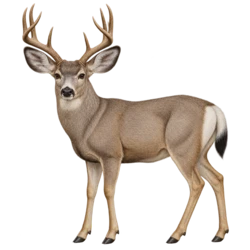
Mule DeerC
Browse the badland coulees and stand on the Painted Canyon rim at sunset, ears like radar dishes.
Spotting note: Common throughout the park and the western ranchland.
Read species guide
American White PelicanC
Chase Lake National Wildlife Refuge near Medina hosts the largest nesting colony on the continent, and the birds feed on potholes across central North Dakota all summer.
Spotting note: Common May to September around Chase Lake, Devils Lake and the Missouri River.
Read species guide
Sandhill CraneC
Hundreds of thousands pass through the prairie potholes in April and again in October, roosting on shallow lakes around Kenmare and Jamestown.
Spotting note: Reliable in migration; mid-April and early October are peak.
Read species guide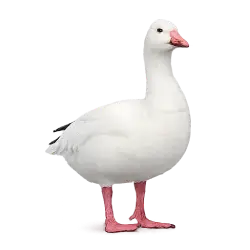
Snow GooseC
Spring flights through the Devils Lake basin and the Souris River refuges around Kenmare can exceed a million birds, rising off the fields in white sheets.
Spotting note: Reliable in late March and April; October brings a second wave.
Read species guide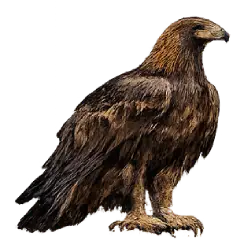
Golden EagleA
Nests on badland buttes in Theodore Roosevelt National Park and hunts the prairie dog towns from the rim.
Spotting note: Regular in the badlands; scan the buttes and thermals mid-morning.
Read species guide
Western MeadowlarkD
The state bird, singing from every fence post along the Missouri River bluffs in Morton County and already logged there by AnimalDex users.
Spotting note: Abundant from April to September on any rural road.
Read species guide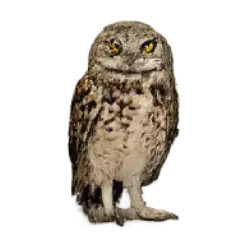
Burrowing OwlC
Stands on prairie dog mounds in the park and the Little Missouri grasslands, bobbing when you stop the car.
Spotting note: Uncommon; check the edges of prairie dog towns in June and July.
Read species guide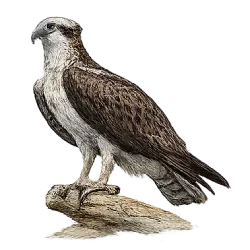
OspreyC
Nests on platforms along the Missouri River near Mandan and Bismarck, and was one of the first North Dakota captures logged in AnimalDex.
Spotting note: Regular along the Missouri from April to September.
Read species guide
Northern FlickerD
The ant-eating woodpecker of cottonwood river bottoms and shelterbelts, flashing a white rump as it flushes from the ground.
Spotting note: Common in riparian woodland and towns from spring to autumn.
Read species guide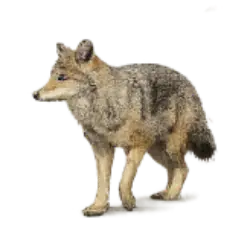
CoyoteC
Yips across the badlands at dusk and trots the prairie in daylight; the park's coyotes hunt the prairie dog towns openly.
Spotting note: Common; dawn on the South Unit loop is near-certain.
Read species guideBest for
Use this section to decide whether the location fits your travel style, skill level, and AnimalDex goals.
- Free-roaming bison and prairie dog towns in the badlands
- The largest white pelican colony on the continent
- Spring and autumn crane and goose migrations
- Grassland birds and raptors along the Missouri River
Spotting tips
These tips are meant to make the page useful in the field, not just readable on the page.
- 01Drive the South Unit scenic loop at sunrise from the Medora entrance; bison are on the road, prairie dogs are at Peaceful Valley, and horses are often near the Buck Hill turnoff.
- 02Chase Lake's colony island is closed, but the refuge roads and the surrounding potholes near Medina give pelicans feeding and flying overhead all summer.
- 03For cranes and geese, time a visit for mid-April or early October and base yourself at Devils Lake or Kenmare; the fields fill at dawn and the lakes at dusk.
- 04The badlands are rattlesnake country from May to September; stay on trails around prairie dog towns and watch where you put your hands.
Virtual Wildlife Guides
Wildlife guides to North Dakota
AnimalDex builds virtual guides from explorers' own wild sightings: which animals they found, how rare they are, and when. A guide is advice from someone who has been there, not a tour. Buying one unlocks the author's notes for every animal, a chat with the author, and introductions to local people they met. Wildlife is never guaranteed.
Checking for virtual guides to North Dakota...
How to choose a local wildlife guide in North Dakota
- Ask what they usually find in the season you are visiting. A good guide gives an honest answer, not a promised sighting.
- Check how they treat animals: no baiting, calling in, handling, or close flash photography for a better shot.
- Confirm the meeting area, duration, group size, total price, and how you pay before the day, plus any permits or park fees the place requires.
Track the animals you find in North Dakota
Build your collection while you travel through North Dakota, from easy wins to the species worth planning around.
Related tier lists
These tier lists add broader context around the species that make this location interesting.
100 Fastest Animals in the World
Ranked list of the fastest animals in the world, with land, flying, and marine speed kept separate so a diving falcon is not treated as the same kind of fast as a cheetah.
Read tier listRelated locations
Keep exploring with nearby or similar destinations that support the same kind of AnimalDex discovery.
Animals in the United States: What You Can Spot, Learn, and Collect
A practical United States wildlife guide built around habitat variety, from wetlands and coastlines to migration corridors and iconic American species.
Read location guideAnimals in Iowa: What You Can Spot, Learn, and Collect
Iowa wildlife guide: wintering bald eagles on the Mississippi, bison and elk at Neal Smith refuge, pelican migrations, and the fireflies, mantises and monarchs of Kalona farm country.
Read location guideAnimals in Colorado: What You Can Spot, Learn, and Collect
Colorado wildlife guide: elk and bighorn sheep in Rocky Mountain National Park, moose at Grand Lake, prairie dog towns on the Front Range, and the Denver Zoo cluster.
Read location guideLocation FAQ
Short direct answers to the questions travelers usually ask before choosing a wildlife destination or zoo day.
What wildlife is there in North Dakota?
Bison, pronghorn, elk, mule and white-tailed deer, prairie dogs, coyotes and feral horses in Theodore Roosevelt National Park; white pelicans, sandhill cranes, snow geese, ducks and grassland birds across the prairie potholes; and golden eagles, burrowing owls and rattlesnakes in the badlands.
What animals can be found in North Dakota's Theodore Roosevelt National Park?
Bison, prairie dogs, pronghorn, elk, mule deer, feral horses, coyotes, golden eagles and burrowing owls are all realistic on the South Unit scenic loop near Medora. Bighorn sheep live in the North Unit and prairie rattlesnakes are common in summer.
When is the best time for wildlife in North Dakota?
Mid-April to May for the goose and crane migration and newborn bison, June to August for pelicans and prairie dog activity, and late September for the elk rut and the autumn crane flights. Winter is harsh but bison and coyotes stay visible.
Have AnimalDex users found animals in North Dakota?
Yes. AnimalDex users have publicly logged 8 captures of 8 different species in North Dakota, including black ant, crane fly, harvestman, long-legged fly. Each one was photographed in the app at the moment of the sighting.
How do I find a wildlife guide to North Dakota?
Check the Wildlife Guides section on this page or browse Wildlife Guides on AnimalDex. Each one is a virtual guide built from an explorer's own wild sightings around North Dakota: the animals they found, how rare they are, and when. It is advice from someone who has been there, not a tour. If you want someone with you on the day, compare local guides on wildlife knowledge, how they treat animals, and clear pricing before you go.