

Animals in Texas: What You Can Spot, Learn, and Collect
Texas wildlife guide: whooping cranes at Aransas, Kemp's ridley turtles on Padre Island, Big Bend bears and javelinas, Katy Prairie geese and the anoles and mockingbirds of Houston backyards.
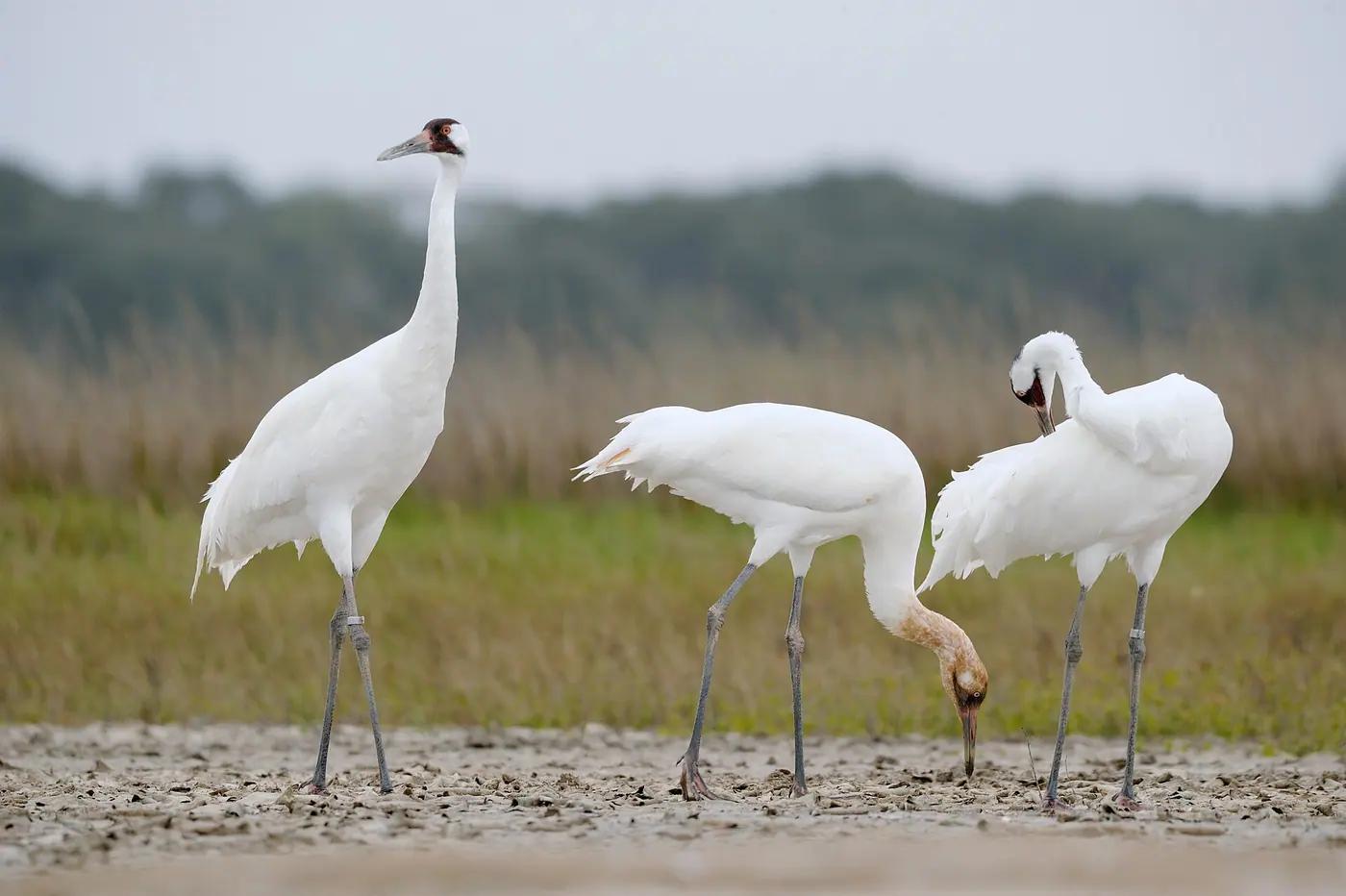
Jawaban cepat
Mulai dari jawaban langsung, lalu gunakan bagian di bawah untuk melihat kenapa lokasi ini penting dan hewan mana yang benar-benar realistis untuk di-spot di sana.
Texas holds the only wild wintering flock of whooping cranes at Aransas, the main US nesting beach of Kemp's ridley sea turtles on Padre Island, black bears and javelinas in Big Bend, and alligators in the coastal marshes. Closer to home, mockingbirds, green anoles, fox squirrels, armadillos and great-tailed grackles fill Houston, Austin and Katy neighbourhoods.
Texas is big enough to be four states' worth of wildlife. The Gulf coast is wetland and barrier island, the Hill Country is limestone and live oak, the Panhandle is shortgrass plains, and Big Bend is Chihuahuan Desert dropping into the Rio Grande.
The Katy Prairie west of Houston is a good example of how much survives next to a city: winter brings tens of thousands of snow geese and sandhill cranes to the rice fields, and the suburbs beside them give anoles, egrets and bullfrogs year-round.
Mulai dari hewan ini
Kenapa lokasi ini penting
Halaman lokasi yang baik menjelaskan kenapa tempat ini layak dikunjungi, bukan hanya nama-nama yang cocok dimasukkan ke checklist destinasi.
Whooping cranes fell to 15 birds in 1941. The flock that winters at Aransas National Wildlife Refuge now numbers over 500, and watching a family forage for blue crabs in the salt marsh from the observation tower is one of North America's great recoveries.
Texas also has the single most famous urban bat colony on the continent. Up to 1.5 million Mexican free-tailed bats pour out from under Austin's Congress Avenue Bridge on summer evenings, a reminder that wildlife spectacle does not require wilderness.
Tempat mencari
Peta satwa liar Texas
Panduan ini mencakup wilayah di bawah ini. Perbesar peta untuk mengenali areanya sebelum merencanakan perjalanan.
Posisi diambil dari OpenStreetMap. Akses habitat dan jam buka bisa berubah — periksa dulu sebelum berangkat. Pin yang lebih kecil adalah capture publik AnimalDex, ditempatkan sampai kilometer terdekat.
Bukti lapangan
Ditemukan di Texas oleh pengguna AnimalDex
Capture nyata yang dicatat di aplikasi AnimalDex di dalam area ini dan dibagikan secara publik oleh kolektornya, dengan hewan yang dikonfirmasi oleh identifikasi aplikasi. Lokasi ditampilkan sampai tingkat wilayah, bukan titik persisnya.
- 17
- capture publik
- 10
- spesies tercatat
- 5
- kolektor
- 16
- penampakan liar
Capture terbaru dari lapangan
Spesies yang benar-benar dicatat orang di sini
Setiap nama menuju panduan spesiesnya. Angkanya adalah jumlah capture publik hewan itu di dalam area ini.
Kolektor memilih membagikan capture ini di Discover dan bisa menariknya kapan saja. Koordinat dibulatkan sekitar satu kilometer dan diperbarui setiap build situs.
Hewan untuk di-spot
Pilihan spesies di sini sengaja dibuat praktis, menyeimbangkan aksesibilitas, excitement, dan apa yang realistis untuk diperhatikan traveler di lokasi tersebut.
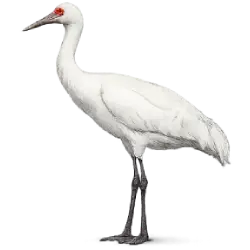
Whooping CraneB
The last self-sustaining wild flock winters in the salt marshes of Aransas National Wildlife Refuge near Rockport from November to March, visible from the tower and from boat tours out of Fulton.
Catatan spotting: Reliable December to February on an Aransas boat tour; the observation tower works on calm days.
Baca panduan spesies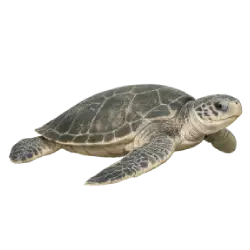
Kemp's Ridley Sea TurtleC
Padre Island National Seashore is the main US nesting beach for the world's rarest sea turtle, and the park releases hatchlings at public dawn events in summer.
Catatan spotting: Public hatchling releases run June to August; nesting females are rare daytime finds in April to July.
Baca panduan spesies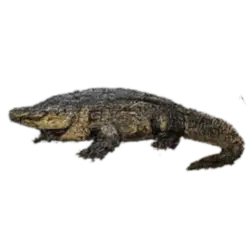
American AlligatorB
Brazos Bend State Park southwest of Houston has hundreds basking on the trail edges, and Anahuac refuge on the upper coast is alligator country from one end to the other.
Catatan spotting: Near-guaranteed at Brazos Bend on any warm day.
Baca panduan spesies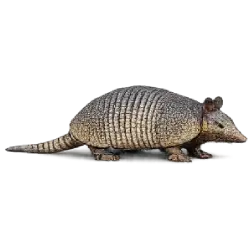
Nine-banded ArmadilloD
The state small mammal snuffles through Hill Country leaf litter and suburban lawns at dusk, and is the commonest roadside casualty on Texas highways.
Catatan spotting: Common at dusk and after dark across the eastern two-thirds of the state.
Baca panduan spesies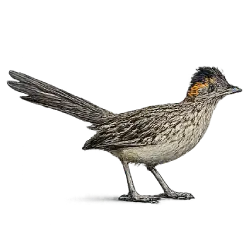
Greater RoadrunnerD
Sprints across ranch roads and campground edges in the Hill Country and Big Bend, pausing to raise its crest and stare.
Catatan spotting: Common in dry country west of Austin; near-certain around Big Bend's Rio Grande Village.
Baca panduan spesies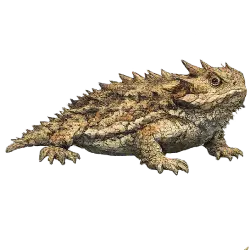
Texas Horned LizardD
The 'horny toad' of Texas childhoods has declined badly in the east but still basks on red dirt in the Panhandle, Rolling Plains and South Texas brush country.
Catatan spotting: Uncommon; look on sandy roads and ant trails in the west on warm mornings.
Baca panduan spesies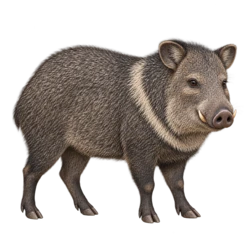
Collared PeccaryD
Javelina bands trot through the Chisos Basin campground and Rio Grande Village in Big Bend, and raid gardens in Hill Country towns.
Catatan spotting: Likely in Big Bend at dawn and dusk; keep food locked away.
Baca panduan spesies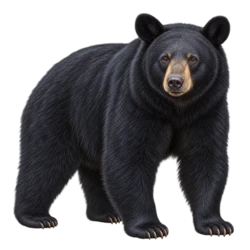
American Black BearB
Returned to the Chisos Mountains of Big Bend from Mexico in the late 1980s, and now a small population forages in the Basin and along the Lost Mine Trail.
Catatan spotting: Uncommon; best odds in the Chisos Basin in late summer and autumn.
Baca panduan spesies
Western Diamondback RattlesnakeC
The big rattlesnake of the Hill Country and West Texas, crossing roads on warm nights and coiled under ledges by day.
Catatan spotting: Regular from spring to autumn in dry country; watch your step and never reach into rock crevices.
Baca panduan spesies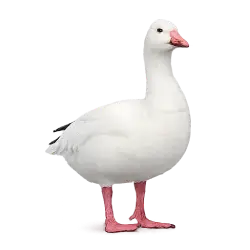
Snow GooseC
Tens of thousands winter on the Katy Prairie rice fields and the coastal refuges, rising in white blizzards when a harrier passes.
Catatan spotting: Common November to February on the Katy Prairie and at Anahuac and Brazoria refuges.
Baca panduan spesies
Northern MockingbirdD
The state bird sings all night under streetlights in Austin and Houston and dive-bombs cats across every suburb.
Catatan spotting: Abundant statewide, year-round.
Baca panduan spesies
Green AnoleE
Flashes a pink throat fan on Houston fences and Katy garden shrubs, one of the most frequently logged Texas animals in AnimalDex.
Catatan spotting: Very common in the eastern half of the state from spring to autumn.
Baca panduan spesies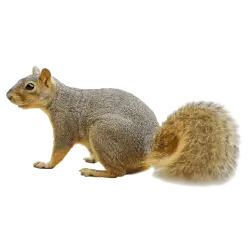
Fox SquirrelD
The big rusty squirrel of Texas pecan groves, city parks and oak-lined neighbourhoods from Dallas to San Antonio.
Catatan spotting: Guaranteed in any park with mature pecans or oaks.
Baca panduan spesies
Great-tailed GrackleD
Thousands roost in supermarket car park trees in Austin and Houston at dusk, filling the air with whistles, clicks and squeaks.
Catatan spotting: Abundant in every Texas city, most dramatic at winter roosts.
Baca panduan spesiesPaling cocok untuk
Gunakan bagian ini untuk menilai apakah lokasi tersebut cocok dengan gaya perjalanan, level pengalaman, dan target AnimalDex kamu.
- Whooping cranes and coastal marsh birds at Aransas in winter
- Big Bend desert wildlife: javelinas, roadrunners, bears and rattlesnakes
- Padre Island sea turtle releases and Gulf beach birds
- Backyard reptiles, squirrels and the Austin bat emergence
Tips spotting
Tips ini dibuat agar halaman ini benar-benar berguna di lapangan, bukan hanya enak dibaca di layar.
- 01For whooping cranes, book a boat out of Fulton or Rockport between December and February; the refuge tower works but the birds are often distant.
- 02Watch the Padre Island National Seashore release calendar in June and July and arrive before dawn at Malaquite Beach for hatchling releases.
- 03In Big Bend, walk the Rio Grande Village nature trail at first light for javelinas and roadrunners, and keep every scrap of food in the vehicle or bear box.
- 04Austin's bats emerge from Congress Avenue Bridge roughly 20 minutes after sunset from March to October; the Statesman Bat Observation Center lawn on the south bank is free.
Wildlife Guides virtual
Panduan satwa liar ke Texas
AnimalDex membuat panduan virtual dari penampakan satwa liar milik para penjelajah sendiri: satwa apa yang mereka temukan, seberapa langka, dan kapan. Panduan adalah saran dari orang yang pernah ke sana, bukan tur. Membelinya membuka catatan penulis untuk setiap satwa, obrolan dengan penulis, dan perkenalan dengan warga lokal yang mereka temui. Penampakan satwa tidak pernah dijamin.
Memeriksa panduan virtual ke Texas...
Cara memilih pemandu satwa liar lokal di Texas
- Tanyakan apa yang biasanya mereka temukan pada musim kunjunganmu. Pemandu yang baik memberi jawaban jujur, bukan janji pasti melihat satwa tertentu.
- Perhatikan cara mereka memperlakukan satwa: tanpa umpan, tanpa memanggil satwa, tanpa memegang, dan tanpa flash dari jarak dekat demi foto.
- Pastikan titik temu, durasi, ukuran grup, total harga, dan cara pembayaran sebelum hari kegiatan, termasuk izin atau biaya taman yang diperlukan.
Lacak hewan yang kamu temukan di Texas
Bangun koleksimu sambil menjelajahi Texas, dari spesies yang mudah ditemukan sampai target yang layak direncanakan khusus.
Tier list terkait
Tier list ini memberi konteks yang lebih luas untuk spesies yang membuat lokasi ini menarik.
100 Most Dangerous Animals in the World
Dangerous animals list ranking 100 species by lethal capability, aggression, and encounter risk — not a jump-scare trivia page and not a disease-vector list.
Baca tier listLokasi terkait
Lanjutkan eksplorasi dengan destinasi yang mirip atau berdekatan dan mendukung gaya discovery AnimalDex yang sama.
Animals in the United States: What You Can Spot, Learn, and Collect
A practical United States wildlife guide built around habitat variety, from wetlands and coastlines to migration corridors and iconic American species.
Baca panduan lokasiAnimals in Mexico: What You Can Spot, Learn, and Collect
A practical Mexico wildlife guide built around wetlands, coasts, colorful birds, and the species that make the country strong for flexible animal discovery.
Baca panduan lokasiAnimals in Nuevo León: What You Can Spot, Learn, and Collect
Nuevo León wildlife guide: Chipinque's black bears above Monterrey, Cumbres de Monterrey pumas and golden eagles, green jays and roadrunners, Texas tortoises, grackles, cicadas and jumping spiders.
Baca panduan lokasiFAQ lokasi
Jawaban singkat dan langsung untuk pertanyaan yang biasanya ditanyakan traveler sebelum memilih destinasi satwa liar atau hari kebun binatang.
What wildlife is there in Texas?
Alligators, whooping cranes and sea turtles on the Gulf coast; black bears, javelinas, roadrunners, rattlesnakes and mule deer in Big Bend; white-tailed deer, armadillos, bobcats and coyotes almost everywhere; and city wildlife like mockingbirds, anoles, fox squirrels, grackles and Austin's huge bat colony.
What animals can be found in Texas around Houston and Katy?
Green anoles, fox squirrels, egrets, bullfrogs, mockingbirds and grackles in the suburbs, alligators at Brazos Bend State Park, and tens of thousands of snow geese and sandhill cranes on the Katy Prairie rice fields in winter.
Are there bears in Texas?
Yes, a small black bear population in Big Bend National Park's Chisos Mountains and the surrounding Trans-Pecos, recolonised from Mexico since the 1980s. They are uncommon and most often seen in late summer and autumn.
When should you visit Texas for wildlife?
Winter (December to February) for whooping cranes, geese and sandhill cranes on the coast and Katy Prairie; spring and autumn for Big Bend before the extreme heat; summer for Padre Island turtle releases and the Austin bats.
Apakah pengguna AnimalDex pernah menemukan hewan di Texas?
Ya. Pengguna AnimalDex telah mencatat 17 capture publik dari 10 spesies berbeda di Texas, termasuk red ant, american bullfrog, eastern gray squirrel, green anole. Semuanya difoto di aplikasi pada saat penampakan.
Bagaimana cara menemukan panduan satwa liar ke Texas?
Lihat bagian Wildlife Guides di halaman ini atau jelajahi Wildlife Guides di AnimalDex. Setiap panduan adalah panduan virtual yang dibuat dari penampakan satwa liar milik seorang penjelajah di sekitar Texas: satwa yang mereka temukan, seberapa langka, dan kapan. Ini saran dari orang yang pernah ke sana, bukan tur. Jika kamu ingin ditemani seseorang di lokasi, bandingkan pemandu lokal dari pengetahuan satwanya, cara mereka memperlakukan satwa, dan kejelasan harganya sebelum berangkat.