

Animals in Trinidad and Tobago: What You Can Spot, Learn, and Collect
Wildlife in Trinidad and Tobago: scarlet ibis at Caroni swamp, leatherback turtles at Grande Riviere, oilbirds and hummingbirds at Asa Wright, Tobago's reefs.
Jawaban cepat
Mulai dari jawaban langsung, lalu gunakan bagian di bawah untuk melihat kenapa lokasi ini penting dan hewan mana yang benar-benar realistis untuk di-spot di sana.
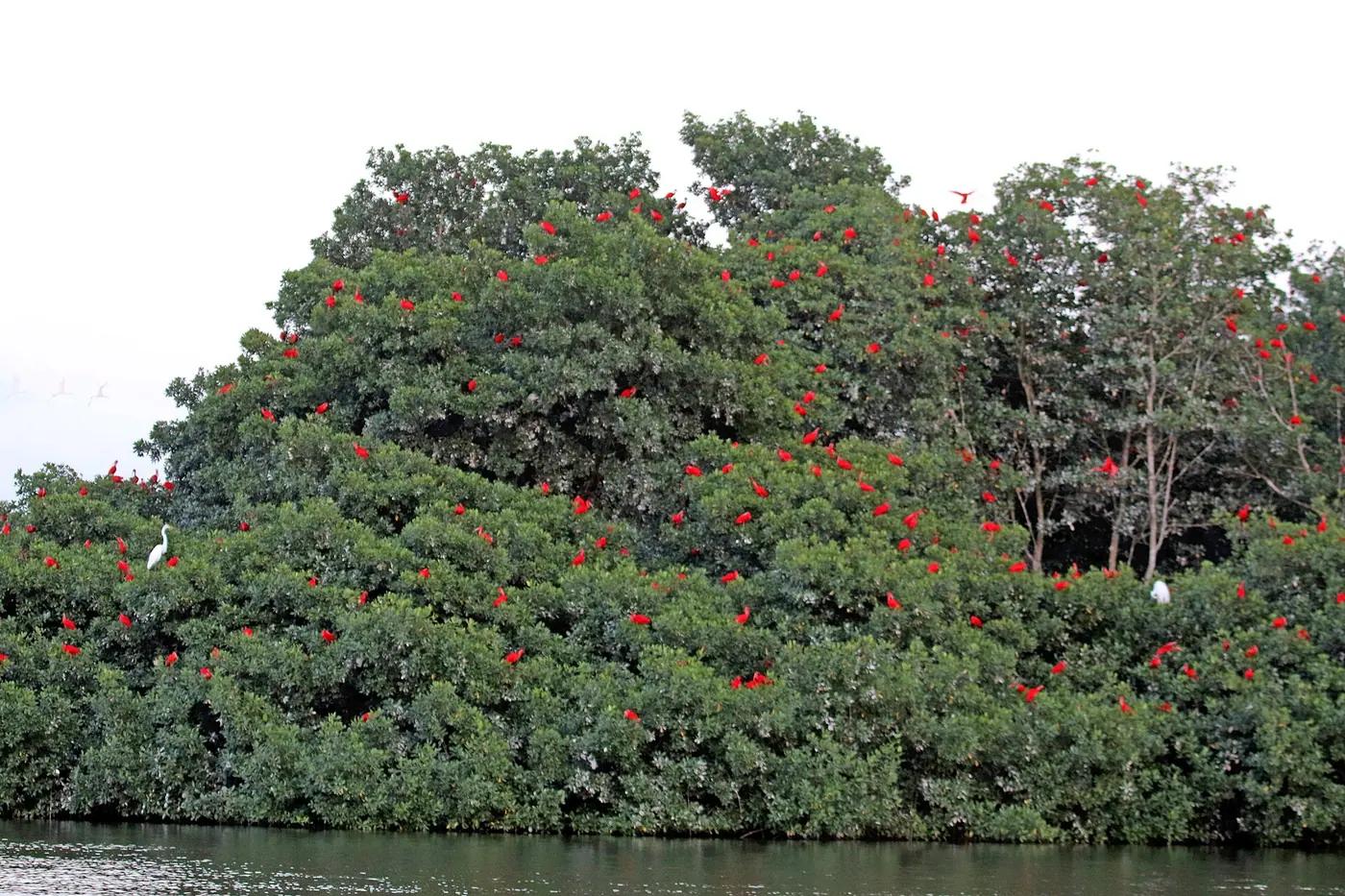
Trinidad has South American wildlife on a Caribbean island because it broke off Venezuela only recently. Thousands of scarlet ibis fly into the Caroni swamp each dusk, leatherback turtles nest on Grande Riviere and Matura beaches from March to August, the Asa Wright centre has oilbirds, hummingbirds and the island's forest birds, and wild guppies swim in every stream. Tobago adds reefs, frigatebirds and boobies.
Trinidad sits a few kilometres off Venezuela and shares its fauna: capuchin and howler monkeys, ocelots, agoutis, armadillos, caimans and over 470 bird species, which is more than any other Caribbean island by a wide margin. The Northern Range is rainforest, the west coast is mangrove swamp and the north coast is turtle beach.
Tobago is smaller, drier and more Caribbean in feel, with reefs at Speyside and Buccoo, the seabird colonies of Little Tobago and a forest reserve that has been protected since 1776. Together the two islands fit a week and deliver two completely different lists.
Kenapa lokasi ini penting
Halaman lokasi yang baik menjelaskan kenapa tempat ini layak dikunjungi, bukan hanya nama-nama yang cocok dimasukkan ke checklist destinasi.
Grande Riviere hosts one of the densest leatherback nesting beaches on earth, with hundreds of two-metre turtles coming ashore on peak nights, and community guides have turned a hunting beach into a conservation success. Seeing it is a genuine privilege.
The scarlet ibis roost at Caroni is the national bird's defining spectacle and one of the most reliable wildlife shows in the Americas. Both are easy to reach from Port of Spain and both reward a collector with species that are hard to find anywhere else in the Caribbean.
Tempat mencari
Peta satwa liar Trinidad and Tobago
Panduan ini mencakup wilayah di bawah ini. Perbesar peta untuk mengenali areanya sebelum merencanakan perjalanan.
Posisi diambil dari OpenStreetMap. Akses habitat dan jam buka bisa berubah — periksa dulu sebelum berangkat. Pin yang lebih kecil adalah capture publik AnimalDex, ditempatkan sampai kilometer terdekat.
Bukti lapangan
Ditemukan di Trinidad and Tobago oleh pengguna AnimalDex
Capture nyata yang dicatat di aplikasi AnimalDex di dalam area ini dan dibagikan secara publik oleh kolektornya, dengan hewan yang dikonfirmasi oleh identifikasi aplikasi. Lokasi ditampilkan sampai tingkat wilayah, bukan titik persisnya.
- 6
- capture publik
- 5
- spesies tercatat
- 1
- kolektor
- 6
- penampakan liar
Capture terbaru dari lapangan
Spesies yang benar-benar dicatat orang di sini
Setiap nama menuju panduan spesiesnya. Angkanya adalah jumlah capture publik hewan itu di dalam area ini.
Kolektor memilih membagikan capture ini di Discover dan bisa menariknya kapan saja. Koordinat dibulatkan sekitar satu kilometer dan diperbarui setiap build situs.
Hewan untuk di-spot
Pilihan spesies di sini sengaja dibuat praktis, menyeimbangkan aksesibilitas, excitement, dan apa yang realistis untuk diperhatikan traveler di lokasi tersebut.
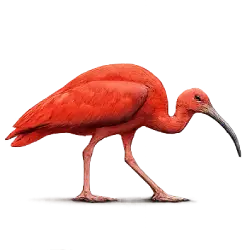
Scarlet IbisC
Thousands of scarlet ibis flight into the Caroni swamp mangroves each evening to roost, turning the trees red.
Catatan spotting: Guaranteed on the Caroni sunset boat tour.
Baca panduan spesies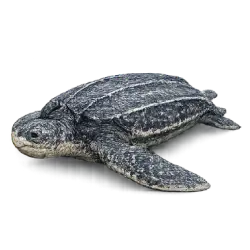
Leatherback Sea TurtleB
Leatherbacks haul out to nest on Grande Riviere, Matura and Fishing Pond beaches on the north and east coasts.
Catatan spotting: Near-certain on a guided night watch from March to August.
Baca panduan spesies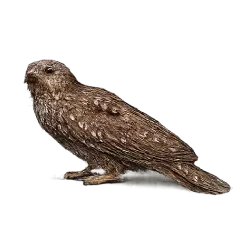
OilbirdC
The nocturnal fruit-eating oilbird roosts in Dunston Cave at the Asa Wright Nature Centre, the most accessible colony in the world.
Catatan spotting: Reliable with the Asa Wright guided cave walk.
Baca panduan spesies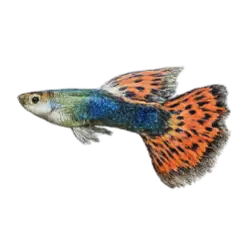
GuppyE
The aquarium guppy is a Trinidad native, swimming wild in every mountain stream and roadside ditch in the Northern Range.
Catatan spotting: Guaranteed in any clear stream; the original wild form.
Baca panduan spesies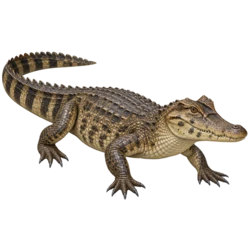
Spectacled CaimanC
Spectacled caimans float in the Caroni channels and the Nariva swamp, visible from the boats.
Catatan spotting: Regular on Caroni and Nariva tours.
Baca panduan spesies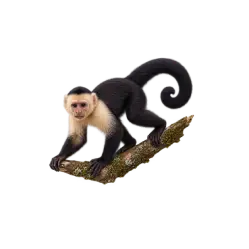
Capuchin MonkeyC
White-fronted capuchins and red howlers move through the Nariva swamp palm forest and the Northern Range canopy.
Catatan spotting: Likely at Nariva; occasional at Asa Wright.
Baca panduan spesies
Blue-and-yellow MacawC
Macaws were reintroduced to the Nariva swamp after being hunted out and now fly over the Bush Bush forest in pairs.
Catatan spotting: Regular at Nariva, especially at dawn and dusk.
Baca panduan spesies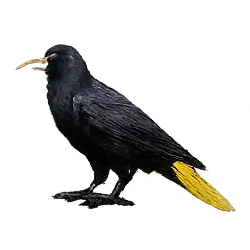
Crested OropendolaC
Oropendolas hang pendulous nests from tall trees at Asa Wright and gurgle their liquid calls across the valley.
Catatan spotting: Common in the Northern Range.
Baca panduan spesies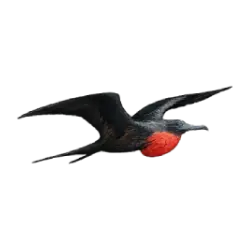
Magnificent FrigatebirdC
Frigatebirds nest on Little Tobago and St Giles islands and patrol the Speyside and Buccoo coasts.
Catatan spotting: Daily around Tobago.
Baca panduan spesies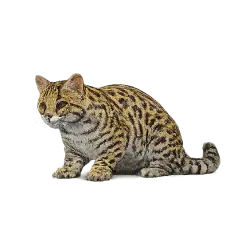
OcelotB
Trinidad's only wild cat hunts the Northern Range and Nariva forests and is caught regularly on Asa Wright's camera traps.
Catatan spotting: Rare; night drives on the Blanchisseuse road offer a small chance.
Baca panduan spesies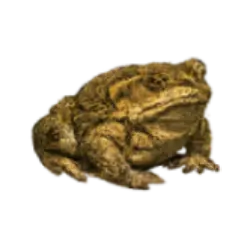
Cane ToadE
The crapaud is native here, calling from ditches and gardens after rain and a frequent capture in the south of Trinidad.
Catatan spotting: Very common on wet nights.
Baca panduan spesies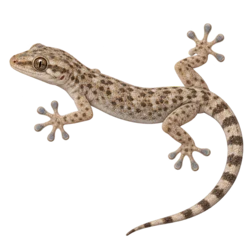
Tropical House GeckoE
The introduced tropical house gecko has colonised walls and ceilings across both islands and is among the most-logged animals in Siparia.
Catatan spotting: Guaranteed under any porch light.
Baca panduan spesies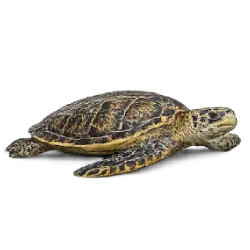
Hawksbill Sea TurtleC
Hawksbills graze the Speyside and Buccoo reefs in Tobago and nest on the smaller Tobago beaches.
Catatan spotting: Likely on a Speyside snorkel or dive.
Baca panduan spesiesPaling cocok untuk
Gunakan bagian ini untuk menilai apakah lokasi tersebut cocok dengan gaya perjalanan, level pengalaman, dan target AnimalDex kamu.
- The scarlet ibis sunset roost at Caroni swamp
- Leatherback turtle nesting on Grande Riviere beach
- Rainforest birding and oilbirds at Asa Wright
- Reef snorkelling and seabird colonies on Tobago
Tips spotting
Tips ini dibuat agar halaman ini benar-benar berguna di lapangan, bukan hanya enak dibaca di layar.
- 01Book the Caroni swamp boat for the last departure of the day; the ibis arrive in the final half hour before dark.
- 02Turtle watching needs a permit and a guide; stay overnight in Grande Riviere in April or May and go out after 20:00 when the first females land.
- 03Spend a full morning on the Asa Wright veranda; the feeders bring hummingbirds, honeycreepers, tanagers and agoutis within arm's reach.
- 04In Tobago take the glass-bottom boat from Speyside to Little Tobago for frigatebirds and red-billed tropicbirds, and snorkel Angel Reef on the way back.
Wildlife Guides virtual
Panduan satwa liar ke Trinidad and Tobago
AnimalDex membuat panduan virtual dari penampakan satwa liar milik para penjelajah sendiri: satwa apa yang mereka temukan, seberapa langka, dan kapan. Panduan adalah saran dari orang yang pernah ke sana, bukan tur. Membelinya membuka catatan penulis untuk setiap satwa, obrolan dengan penulis, dan perkenalan dengan warga lokal yang mereka temui. Penampakan satwa tidak pernah dijamin.
Memeriksa panduan virtual ke Trinidad and Tobago...
Cara memilih pemandu satwa liar lokal di Trinidad and Tobago
- Tanyakan apa yang biasanya mereka temukan pada musim kunjunganmu. Pemandu yang baik memberi jawaban jujur, bukan janji pasti melihat satwa tertentu.
- Perhatikan cara mereka memperlakukan satwa: tanpa umpan, tanpa memanggil satwa, tanpa memegang, dan tanpa flash dari jarak dekat demi foto.
- Pastikan titik temu, durasi, ukuran grup, total harga, dan cara pembayaran sebelum hari kegiatan, termasuk izin atau biaya taman yang diperlukan.
Lacak hewan yang kamu temukan di Trinidad and Tobago
Bangun koleksimu sambil menjelajahi Trinidad and Tobago, dari spesies yang mudah ditemukan sampai target yang layak direncanakan khusus.
Tier list terkait
Tier list ini memberi konteks yang lebih luas untuk spesies yang membuat lokasi ini menarik.
Biggest Animals in the World
A structured ranking of the biggest animals in the world, using the AnimalDex size stat to compare body scale across sea, land, and air.
Baca tier listLokasi terkait
Lanjutkan eksplorasi dengan destinasi yang mirip atau berdekatan dan mendukung gaya discovery AnimalDex yang sama.
Animals in Cartagena and the Caribbean Coast: What You Can Spot, Learn, and Collect
Wildlife on Colombia's Caribbean coast: Rosario islands reefs and turtles, sloths and capuchins in Tayrona, mangrove caimans, scarlet ibis and flamingos at La Guajira.
Baca panduan lokasiAnimals in Guyana: What You Can Spot, Learn, and Collect
Wildlife in Guyana: harpy eagles and giant otters in the Rupununi, giant anteaters, arapaima, black caimans, cock-of-the-rock at Kaieteur and the hoatzin.
Baca panduan lokasiAnimals in French Guiana: What You Can Spot, Learn, and Collect
Wildlife in French Guiana: leatherback turtles at Awala-Yalimapo, black caimans and hoatzins at Kaw, cock-of-the-rock, sloths, jaguars and the Cayenne zoo.
Baca panduan lokasiFAQ lokasi
Jawaban singkat dan langsung untuk pertanyaan yang biasanya ditanyakan traveler sebelum memilih destinasi satwa liar atau hari kebun binatang.
What wildlife is there in Trinidad and Tobago?
Scarlet ibis, oilbirds, macaws, hummingbirds and over 470 bird species, leatherback and hawksbill turtles, capuchin and howler monkeys, ocelots, agoutis, armadillos, caimans, boas and bushmasters, wild guppies, and healthy reefs with parrotfish and angelfish off Tobago.
What animals can be found in Trinidad and Tobago?
The guaranteed ones are scarlet ibis at Caroni, oilbirds and hummingbirds at Asa Wright, frigatebirds around Tobago and guppies in any stream. Leatherbacks are near-certain in nesting season, caimans and macaws are regular at Nariva, and ocelots are rare night sightings.
When can you see leatherback turtles in Trinidad?
The nesting season runs from March to August, peaking in April, May and June. Grande Riviere and Matura on the north and east coasts are the main beaches, and all visits must be with a licensed community guide after dark.
Are there dangerous animals in Trinidad and Tobago?
Trinidad has four venomous snakes, including the bushmaster and fer-de-lance, but bites are rare and Tobago has none. Watch your step on forest trails, shake out boots, and treat the Caroni caimans and any scorpion with ordinary caution.
Apakah pengguna AnimalDex pernah menemukan hewan di Trinidad and Tobago?
Ya. Pengguna AnimalDex telah mencatat 6 capture publik dari 5 spesies berbeda di Trinidad and Tobago, termasuk cockroach, cane toad, common house gecko, flower crab spider. Semuanya difoto di aplikasi pada saat penampakan.
Bagaimana cara menemukan panduan satwa liar ke Trinidad and Tobago?
Lihat bagian Wildlife Guides di halaman ini atau jelajahi Wildlife Guides di AnimalDex. Setiap panduan adalah panduan virtual yang dibuat dari penampakan satwa liar milik seorang penjelajah di sekitar Trinidad and Tobago: satwa yang mereka temukan, seberapa langka, dan kapan. Ini saran dari orang yang pernah ke sana, bukan tur. Jika kamu ingin ditemani seseorang di lokasi, bandingkan pemandu lokal dari pengetahuan satwanya, cara mereka memperlakukan satwa, dan kejelasan harganya sebelum berangkat.