AnimalDex
id
Open menu
Kembali ke Prinsip

Prinsip Perilaku

Adaptability

Keep the stripe.

Hewan di sini berbagi strategi bertahan hidup yang serupa di alam. Setiap spesies tetap punya pelajaran, makna, dan halaman field guide sendiri.

34 spesies

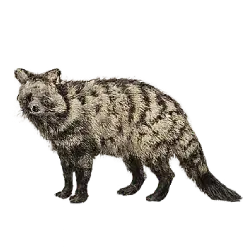
African Civet (Civettictis civetta) thumbnail image on AnimalDex

African Civet

Prinsip spesies: Scented Adaptation

Keep the stripe.

Adjust to the night without losing your pattern.

African Civets are nocturnal omnivores with striped coats, scent-marking glands, and flexible diets that let them forage across varied habitats.
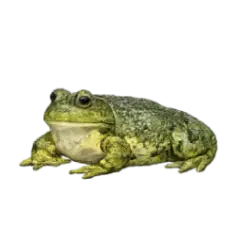
American Bullfrog (Lithobates catesbeianus) thumbnail image on AnimalDex

American Bullfrog

Prinsip spesies: Amplification

Let it carry.

A small body can command space when its signal carries far enough.

American Bullfrogs use deep, resonant calls from ponds and wetlands to attract mates and defend breeding territories. Their enlarged vocal sacs amplify the call across water.

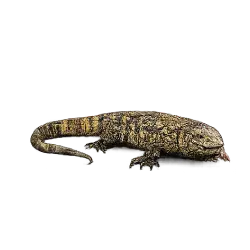
Argentine Black and White Tegu (Salvator merianae) thumbnail image on AnimalDex

Argentine Black and White Tegu

Prinsip spesies: Robust Adaptation

Roam and adjust.

Change becomes manageable when the body can dig, bask, roam, and feed widely.

Argentine Black and White Tegus are large omnivorous lizards that dig, bask, forage broadly, and use seasonal dormancy in cooler periods of their range.

Cat (Felis catus) thumbnail image on AnimalDex

Cat

Prinsip spesies: Threshold Independence

Stay soft. Keep your claws.

Independence works best when comfort and readiness exist together.

Cats combine retractable claws, night-adapted eyes, flexible bodies, stalking behavior, grooming rituals, and home-threshold living to move between affection, solitude, play, and predation.

Chimpanzee (Pan troglodytes) thumbnail image on AnimalDex

Chimpanzee

Prinsip spesies: Tool Culture

Teach the tool.

A mind becomes culture when one hand teaches another what works.

Chimpanzees use tools such as sticks for termite fishing and stones for cracking nuts, with behaviors learned socially across groups and generations.

Cockroach (Blattodea) thumbnail image on AnimalDex

Cockroach

Prinsip spesies: Adaptability

Adjust early. Stay effective.

In Cockroach, adaptability creates a repeatable survival edge when conditions are uncertain.

Cockroach is a insect known for flattened fast-moving body, durable exoskeleton, and high environmental tolerance. urban edge, forest floor litter, sewer systems, and warm shelter pockets Cockroach remains fairly widespread where urban edge, forest floor litter, sewer systems, and warm shelter pockets is still available.

Corn Snake (Pantherophis guttatus) thumbnail image on AnimalDex

Corn Snake

Prinsip spesies: Tracking

Read the trail.

The hidden path reveals itself to the one who reads what others cannot see.

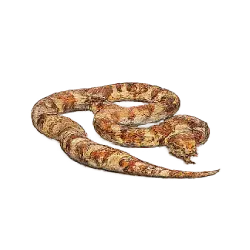
Corn Snakes move through fields, barns, and brush while using chemical cues gathered by the tongue and Jacobson’s organ to locate prey such as rodents.

Cougar (Puma concolor) thumbnail image on AnimalDex

Cougar

Prinsip spesies: Range Stealth

Leap from silence.

A broad life opens when silence and flexibility move together.

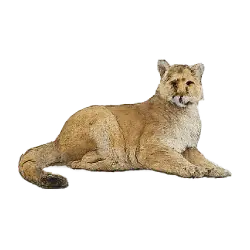
Cougars occupy a wide range of habitats and use stealth, solitary hunting, and powerful leaps to ambush prey.

Cuttlefish (Sepiida) thumbnail image on AnimalDex

Cuttlefish

Prinsip spesies: Transformation

Change the skin.

Change your surface when the moment asks for another language.

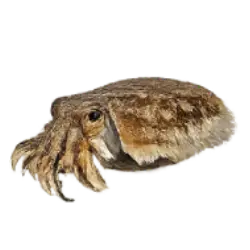
Cuttlefish use chromatophores and other skin structures to rapidly change color, pattern, and texture for camouflage, communication, hunting, and defense.

Eastern Newt (Notophthalmus viridescens) thumbnail image on AnimalDex

Eastern Newt

Prinsip spesies: Metamorphosis

Change stages.

Growing up may require a new color, a new road, and a new body of water.

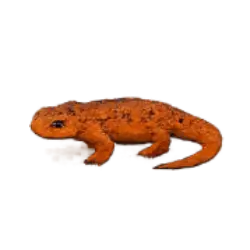
Eastern Newts have a complex life cycle that can include aquatic larvae, a terrestrial red eft stage, and aquatic adults, shifting habitat, color, and behavior across stages.

Fox (Vulpes and related canids) thumbnail image on AnimalDex

Fox

Prinsip spesies: Clever Adaptation

Change route early.

Survival favors the one who reads the edge and adjusts early.

Foxes use quiet movement, sharp hearing, opportunistic diet, denning behavior, and comfort at forest, field, and urban edges to survive through strategy rather than force.

Frilled Lizard (Chlamydosaurus kingii) thumbnail image on AnimalDex

Frilled Lizard

Prinsip spesies: Startle Display

Flare, then run.

A sudden shape can create the space needed to survive.

Frilled Lizards extend a large neck frill, open the mouth, and may rear up when threatened before fleeing, often to a tree.

Giant Pacific Octopus (Enteroctopus dofleini) thumbnail image on AnimalDex

Giant Pacific Octopus

Prinsip spesies: Fluid Intelligence

Think in arms.

Flexibility turns tight places into open ones.

Giant Pacific Octopuses are intelligent cephalopods with flexible arms, suckers, camouflage, den use, and problem-solving ability.

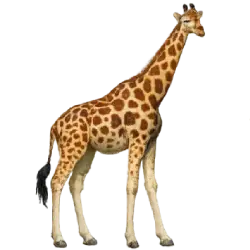
Giraffe (Giraffa camelopardalis) thumbnail image on AnimalDex

Giraffe

Prinsip spesies: Adaptability

Adjust early. Stay effective.

If competition is crowded at one level, find the unused tier instead of fighting harder on the ground floor.

Extreme neck height, prehensile tongue, and cardiovascular reinforcement let giraffes turn browsing height into a competitive lane few herbivores can match. Giraffes redirect feeding pressure upward, changing how trees, shrubs, and other herbivores share vegetation. They help split the landscape into vertical resource layers rather than one flat buffet.

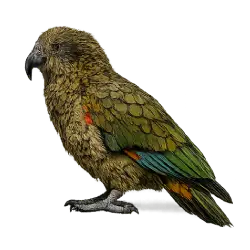
Kea (Nestor notabilis) thumbnail image on AnimalDex

Kea

Prinsip spesies: Mischief

Test everything.

Curiosity becomes survival when every object might teach a new trick.

Keas are highly intelligent alpine parrots known for exploratory behavior, object manipulation, social learning, and playful problem-solving.

Kookaburra (Dacelo novaeguineae) thumbnail image on AnimalDex

Kookaburra

Prinsip spesies: Adaptability

Adjust early. Stay effective.

In Kookaburra, adaptability creates a repeatable survival edge when conditions are uncertain.

Kookaburra is a bird known for powerful kingfisher beak, territorial laughing call, and perch-and-strike hunting behavior. open woodland, forest edge, suburban parks, and riparian corridors Kookaburra remains fairly widespread where open woodland, forest edge, suburban parks, and riparian corridors is still available.

Lizard (Lacertilia) thumbnail image on AnimalDex

Lizard

Prinsip spesies: Adaptability

Adjust early. Stay effective.

In Lizard, adaptability creates a repeatable survival edge when conditions are uncertain.

Lizard is a reptile known for scaled four-limbed body, heat-driven activity rhythm, and quick stop-start movement. desert, forest, scrub, grassland, rock face, and urban wall Lizard remains fairly widespread where desert, forest, scrub, grassland, rock face, and urban wall is still available.

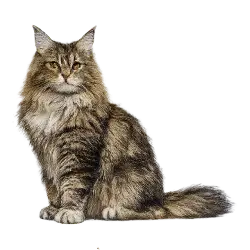
Maine Coon Cat (Felis catus (Maine Coon breed line)) thumbnail image on AnimalDex

Maine Coon Cat

Prinsip spesies: Gentle Toughness

Stay soft in winter.

Softness and toughness become one when warmth is built into the body.

Maine Coon Cats are large domestic cats with thick coats, tufted ears, broad paws, and bushy tails associated with cold-weather hardiness.

Nile Monitor (Varanus niloticus) thumbnail image on AnimalDex

Nile Monitor

Prinsip spesies: Versatility

Use every door.

The world opens when one body knows many doors.

Nile Monitors are large adaptable lizards that can swim, climb, dig, raid nests, eat varied prey, and move along riverbanks and wetlands.

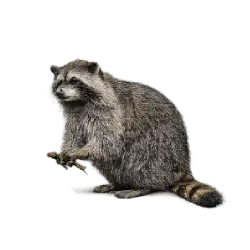
North American Raccoon (Procyon lotor) thumbnail image on AnimalDex

North American Raccoon

Prinsip spesies: Dexterity

Turn it over.

The world opens for those willing to touch, turn, and test what others ignore.

North American Raccoons use highly sensitive front paws to handle, open, wash, and investigate food and objects, especially while foraging at night.

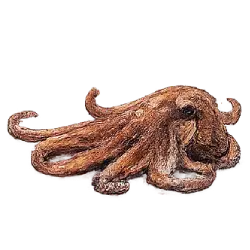
Octopus (Octopoda) thumbnail image on AnimalDex

Octopus

Prinsip spesies: Distributed Nervous Intelligence

Think with the whole body.

Flexible awareness beats rigid control when conditions change fast.

Octopuses use a highly distributed nervous system, flexible arms, camouflage, problem-solving, and escape behavior to respond quickly without relying on one rigid command center.

Otter (Lutrinae) thumbnail image on AnimalDex

Otter

Prinsip spesies: Adaptability

Adjust early. Stay effective.

In Otter, adaptability creates a repeatable survival edge when conditions are uncertain.

Otter is a mammal known for elongated flexible body, dense water-shedding fur, and playful but efficient swimming. river, lake, wetland, estuary, and coastal kelp edge Otter can still be found in good habitat, but local numbers shift when river, lake, wetland, estuary, and coastal kelp edge changes.

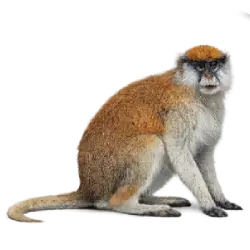
Patas Monkey (Erythrocebus patas) thumbnail image on AnimalDex

Patas Monkey

Prinsip spesies: Ground Speed

Run the grassland.

A new landscape rewards the body willing to change how it moves.

Patas Monkeys are unusually terrestrial and fast-running primates, adapted to open savanna and grassland habitats more than dense canopy life.

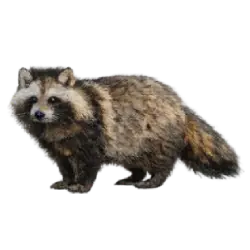
Raccoon Dog (Nyctereutes procyonoides) thumbnail image on AnimalDex

Raccoon Dog

Prinsip spesies: Seasonality

Change with winter.

Survival belongs to the one who changes pace with the season.

Raccoon Dogs are omnivorous canids with flexible diets. In cold parts of their range they may enter winter torpor, reducing activity while relying on stored fat and seasonal foraging.

Jelajahi indeks terkait