Animals in Spain: What You Can Spot, Learn, and Collect
A practical Spain wildlife guide built around Mediterranean coasts, dry-country birds, wetlands, and the broad habitat mix that makes the country stronger than beach-only travel suggests.
Quick answer
Start with the direct answer, then use the sections below to see why the location matters and which animals are actually realistic to spot there.
Spain works best when you combine coasts, wetlands, and dry interior habitats. Hoopoes, rollers, dolphins, owls, turtles, and supporting birds make the country a rewarding wildlife destination without forcing one iconic mammal chase.
Spain rewards travelers who think in habitat types rather than one national checklist.
Mediterranean coast, inland steppe, wetlands, and mountain edges all shift the practical animal list.
Why this location matters
Good location pages explain why the place is worth your time, not just which names belong on a destination checklist.
It is a strong mixed-travel country where wildlife can fit naturally alongside city and coast itineraries.
Spain also shows how birdlife can carry a trip just as much as mammals.
Where to find each animal in Spain
Spain is drier and wilder than most of Europe: Pyrenean forest along the French border, the meseta's farmland in the middle, Andalusian scrub in the south, Doñana's marshes on the Atlantic corner, and Mediterranean water on the east coast.
Habitat zone
Pyrenees & northern forest
Beech and fir forest rising into alpine pasture along the northern border.
3 animals mapped here
Habitat zone
Meseta farmland & steppe
Cereal plains and dehesa oak pasture across the central plateau.
9 animals mapped here
Habitat zone
Andalusian scrub & sierra
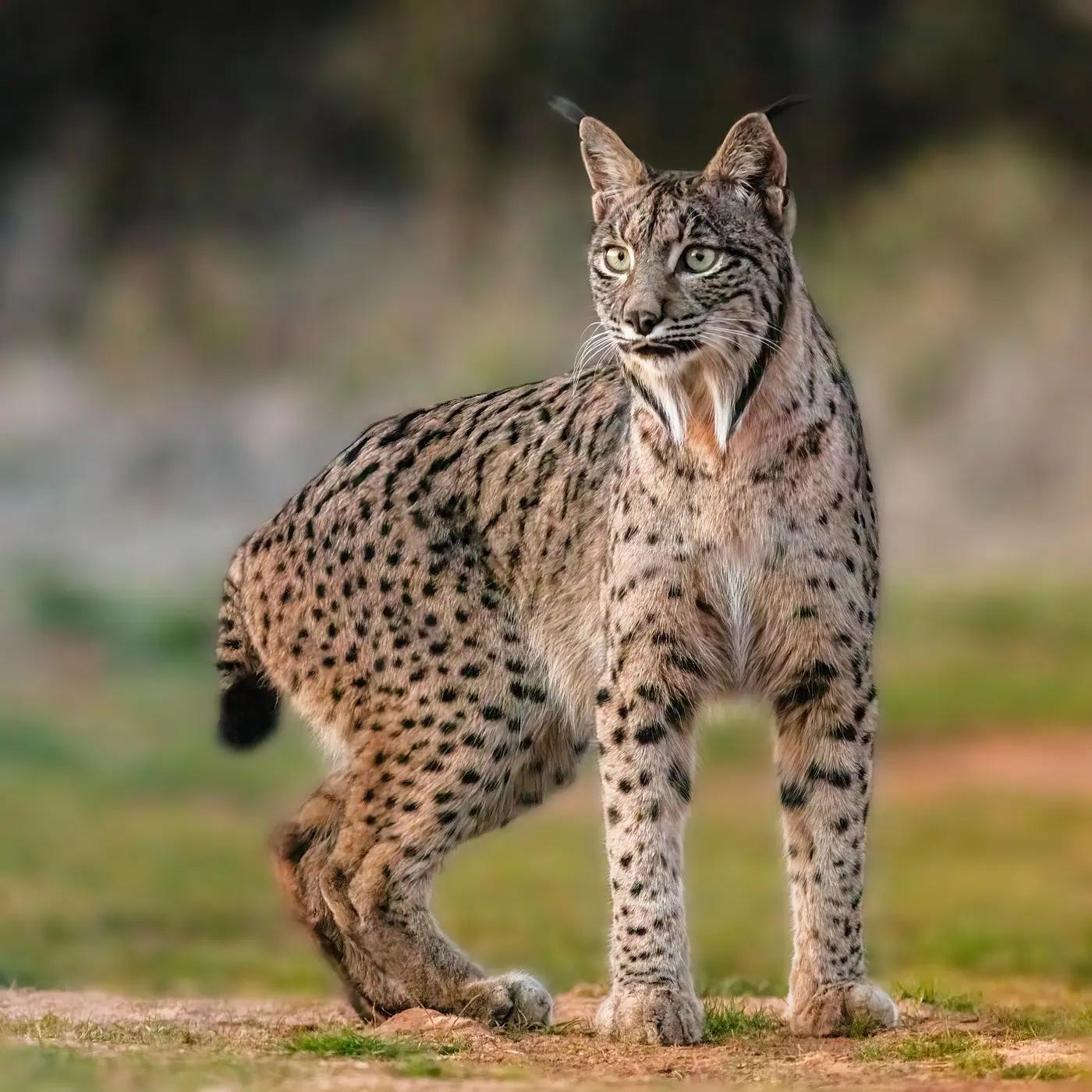
Mediterranean maquis and olive country — the Iberian lynx's ground.
1 animals mapped here
Habitat zone
Doñana marshes
Seasonal marsh, dune and pine on the Guadalquivir delta — Europe's flamingo corner.
2 animals mapped here
Habitat zone
Mediterranean water
Warm coastal water and posidonia meadow off the eastern seaboard.
3 animals mapped here
Habitat zone
Cities, plazas & village roofs
Madrid's parks and the village rooftops where swifts and storks nest.
9 animals mapped here
Zones are habitat guidance, not guarantees. Pin positions mark the part of the region each animal is realistically worked for; the coastline is simplified for legibility.
Where to look
Wildlife map of Spain
This guide covers the region shown below. Zoom in to get your bearings before planning a trip.
Positions are geocoded from OpenStreetMap. Habitat access and opening times change — check locally before travelling. Smaller pins are public AnimalDex captures, placed to the nearest kilometre.
Field proof
Found in Spain by AnimalDex users
Real captures logged in the AnimalDex app inside this area and shared publicly by their collectors, with the animal confirmed by the app's identification. Places are shown to the nearest region, never the exact spot.
- 22
- public captures
- 20
- species recorded
- 7
- collectors
- 16
- wild sightings
Recent captures from the field
Species people have actually logged here
Every name links to its species guide. The count is how many public captures of that animal sit inside this area.
- House Sparrow2 captures
- Yellow-legged Gull2 captures
- Bocage's Wall Lizard1 capture
- Cockroach1 capture
- Commerson's Frogfish1 capture
- Common Raven1 capture
- Domestic Pigeon1 capture
- Eurasian Magpie1 capture
- European Hornet1 capture
- Flathead Grey Mullet1 capture
- Grasshopper & Locust1 capture
- Herring Gull1 capture
- Largetooth Sawfish1 capture
- Longspine Snipefish1 capture
- Mallard1 capture
- Muscovy Duck1 capture
- Nurse Shark1 capture
- Stag Beetle1 capture
- Streaked Gurnard1 capture
- White Seabream1 capture
Collectors choose to share these captures on Discover and can withdraw them at any time. Coordinates are rounded to about a kilometre and refreshed with each site build.
Animals to spot
These are intentionally practical species picks, balancing accessibility, excitement, and what travelers can realistically notice in the location.
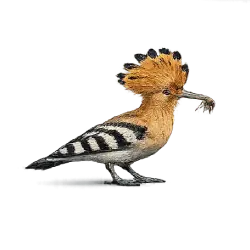
HoopoeD
A distinctive bird that gives Spain instant visual personality and rewards everyday observation.
Spotting note: Excellent practical bird.
Read species guide
DolphinB
A coastal animal that helps Spain feel broader than inland-only wildlife thinking.
Spotting note: Memorable marine add.
Read species guide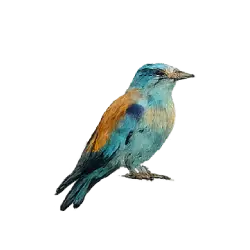
European RollerD
A vivid supporting bird that turns open landscapes into more exciting wildlife ground.
Spotting note: Color-rich specialist highlight.
Read species guide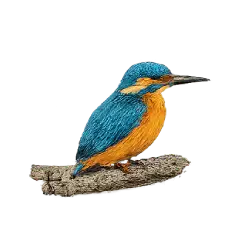
Common KingfisherD
A practical waterside species that keeps wetland and river sessions productive.
Spotting note: Reliable supporting win.
Read species guide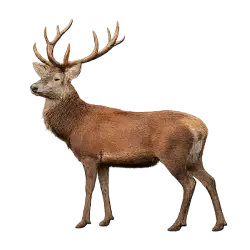
Red DeerB
Red Deer adds realistic depth to the Spain animal list without forcing the page around one headline encounter.
Spotting note: Useful supporting species with the right habitat and timing.
Read species guide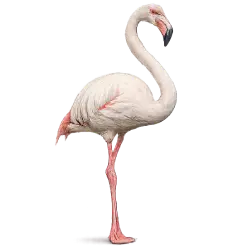
Greater FlamingoC
Greater Flamingo broadens the Spain page beyond the obvious targets and makes habitat-led spotting feel more complete.
Spotting note: Better treated as a realistic secondary target than a guaranteed sighting.
Read species guide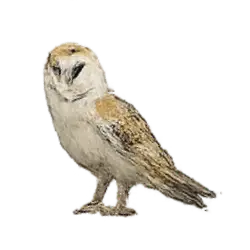
Barn OwlC
Barn Owl is a strong supporting species that helps Spain feel richer than a one-animal destination.
Spotting note: Strong add when you pay attention to habitat instead of chasing one flagship animal.
Read species guide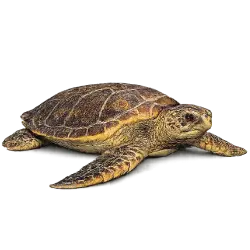
Loggerhead Sea TurtleC
Loggerhead Sea Turtle gives the Spain page more ecological range, not just more raw checklist count.
Spotting note: Meaningful supporting sighting rather than the only reason to choose the location.
Read species guide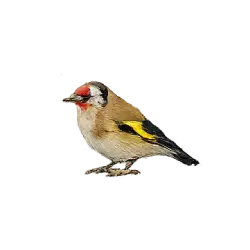
European GoldfinchD
European Goldfinch adds realistic depth to the Spain animal list without forcing the page around one headline encounter.
Spotting note: Useful supporting species with the right habitat and timing.
Read species guide
OctopusA
Octopus broadens the Spain page beyond the obvious targets and makes habitat-led spotting feel more complete.
Spotting note: Better treated as a realistic secondary target than a guaranteed sighting.
Read species guide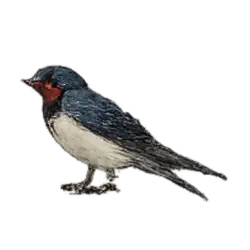
Barn SwallowD
Barn Swallow is a strong supporting species that helps Spain feel richer than a one-animal destination.
Spotting note: Strong add when you pay attention to habitat instead of chasing one flagship animal.
Read species guide
Eurasian MagpieD
Eurasian Magpie gives the Spain page more ecological range, not just more raw checklist count.
Spotting note: Meaningful supporting sighting rather than the only reason to choose the location.
Read species guide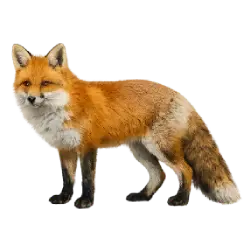
Red FoxC
Red Fox adds realistic depth to the Spain animal list without forcing the page around one headline encounter.
Spotting note: Useful supporting species with the right habitat and timing.
Read species guide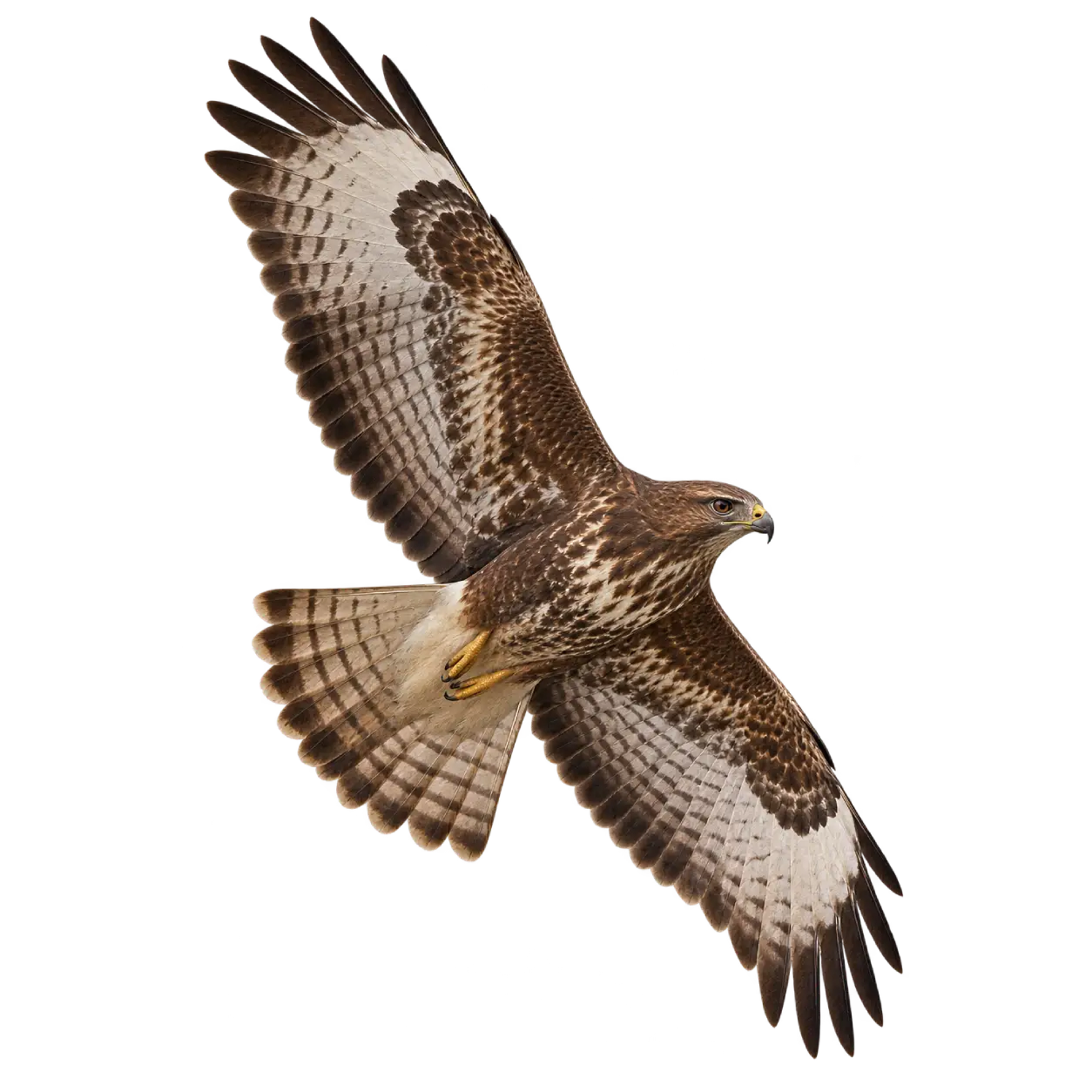
Common BuzzardC
Common Buzzard broadens the Spain page beyond the obvious targets and makes habitat-led spotting feel more complete.
Spotting note: Better treated as a realistic secondary target than a guaranteed sighting.
Read species guide
Common SwiftD
Common Swift is a strong supporting species that helps Spain feel richer than a one-animal destination.
Spotting note: Strong add when you pay attention to habitat instead of chasing one flagship animal.
Read species guide
European Bee-eaterD
European Bee Eater gives the Spain page more ecological range, not just more raw checklist count.
Spotting note: Meaningful supporting sighting rather than the only reason to choose the location.
Read species guide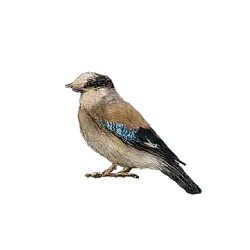
Eurasian JayC
Eurasian Jay adds realistic depth to the Spain animal list without forcing the page around one headline encounter.
Spotting note: Useful supporting species with the right habitat and timing.
Read species guide
European RabbitD
European Rabbit broadens the Spain page beyond the obvious targets and makes habitat-led spotting feel more complete.
Spotting note: Better treated as a realistic secondary target than a guaranteed sighting.
Read species guide
Common Wall LizardE
Common Wall Lizard is a strong supporting species that helps Spain feel richer than a one-animal destination.
Spotting note: Strong add when you pay attention to habitat instead of chasing one flagship animal.
Read species guide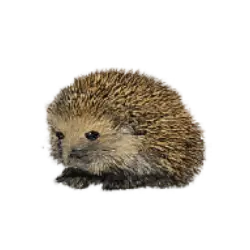
European HedgehogD
European Hedgehog gives the Spain page more ecological range, not just more raw checklist count.
Spotting note: Meaningful supporting sighting rather than the only reason to choose the location.
Read species guide
Western Honey BeeE
Western Honey Bee adds realistic depth to the Spain animal list without forcing the page around one headline encounter.
Spotting note: Useful supporting species with the right habitat and timing.
Read species guide
Asian Common ToadE
Asian Common Toad broadens the Spain page beyond the obvious targets and makes habitat-led spotting feel more complete.
Spotting note: Better treated as a realistic secondary target than a guaranteed sighting.
Read species guide
Paper WaspE
Paper Wasp is a strong supporting species that helps Spain feel richer than a one-animal destination.
Spotting note: Strong add when you pay attention to habitat instead of chasing one flagship animal.
Read species guide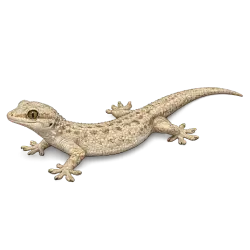
Common House GeckoE
Common House Gecko gives the Spain page more ecological range, not just more raw checklist count.
Spotting note: Meaningful supporting sighting rather than the only reason to choose the location.
Read species guide
European HornetE
European Hornet adds realistic depth to the Spain animal list without forcing the page around one headline encounter.
Spotting note: Useful supporting species with the right habitat and timing.
Read species guide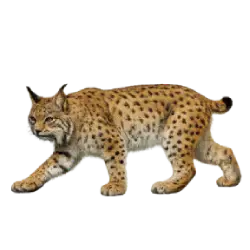
Iberian LynxA
Iberian Lynx broadens the Spain page beyond the obvious targets and makes habitat-led spotting feel more complete.
Spotting note: Better treated as a realistic secondary target than a guaranteed sighting.
Read species guide
Common House SpiderE
Common House Spider is a strong supporting species that helps Spain feel richer than a one-animal destination.
Spotting note: Strong add when you pay attention to habitat instead of chasing one flagship animal.
Read species guideBest for
Use this section to decide whether the location fits your travel style, skill level, and AnimalDex goals.
- Travelers mixing coast, wetlands, and cultural travel.
- Birders who like visible and varied habitat use.
- Collectors who want flexible wildlife days without deep expedition planning.
- Photographers working with light, water, and open country.
Spotting tips
These tips are meant to make the page useful in the field, not just readable on the page.
- 01Let coasts and wetlands do more of the work.
- 02Birdlife usually gives faster returns than forcing a mammal-first strategy.
- 03Morning light is especially valuable in dry open landscapes.
- 04Use habitat contrast as one of Spain's biggest strengths.
Virtual Wildlife Guides
Wildlife guides to Spain
AnimalDex builds virtual guides from explorers' own wild sightings: which animals they found, how rare they are, and when. A guide is advice from someone who has been there, not a tour. Buying one unlocks the author's notes for every animal, a chat with the author, and introductions to local people they met. Wildlife is never guaranteed.
Checking for virtual guides to Spain...
How to choose a local wildlife guide in Spain
- Ask what they usually find in the season you are visiting. A good guide gives an honest answer, not a promised sighting.
- Check how they treat animals: no baiting, calling in, handling, or close flash photography for a better shot.
- Confirm the meeting area, duration, group size, total price, and how you pay before the day, plus any permits or park fees the place requires.
Track the animals you find in Spain
Build your collection while you travel through Spain, from easy wins to the species worth planning around.
Related locations
Keep exploring with nearby or similar destinations that support the same kind of AnimalDex discovery.
Animals in Israel: What You Can Spot, Learn, and Collect
A practical Israel wildlife guide built around migration routes, coasts, wetlands, and the compact habitat variety that gives the country strong observation value.
Read location guideAnimals in Germany: What You Can Spot, Learn, and Collect
A practical Germany wildlife guide for forest edges, rivers, farmland margins, and the kind of steady species list that rewards patience instead of spectacle.
Read location guideAnimals in Norway: What You Can Spot, Learn, and Collect
A practical Norway wildlife guide built around cold coasts, northern atmosphere, and the species that make the country feel clean, open, and seasonally distinctive.
Read location guideLocation FAQ
Short direct answers to the questions travelers usually ask before choosing a wildlife destination or zoo day.
What animals are easiest to notice in Spain?
Birds, coastal species, and wetland animals are often the most practical wildlife answers.
Is Spain good for wildlife alongside general travel?
Yes. It is one of the better countries for fitting useful wildlife spotting into a broader trip.
Have AnimalDex users found animals in Spain?
Yes. AnimalDex users have publicly logged 22 captures of 20 different species in Spain, including house sparrow, yellow-legged gull, bocage's wall lizard, cockroach. Each one was photographed in the app at the moment of the sighting.
How do I find a wildlife guide to Spain?
Check the Wildlife Guides section on this page or browse Wildlife Guides on AnimalDex. Each one is a virtual guide built from an explorer's own wild sightings around Spain: the animals they found, how rare they are, and when. It is advice from someone who has been there, not a tour. If you want someone with you on the day, compare local guides on wildlife knowledge, how they treat animals, and clear pricing before you go.